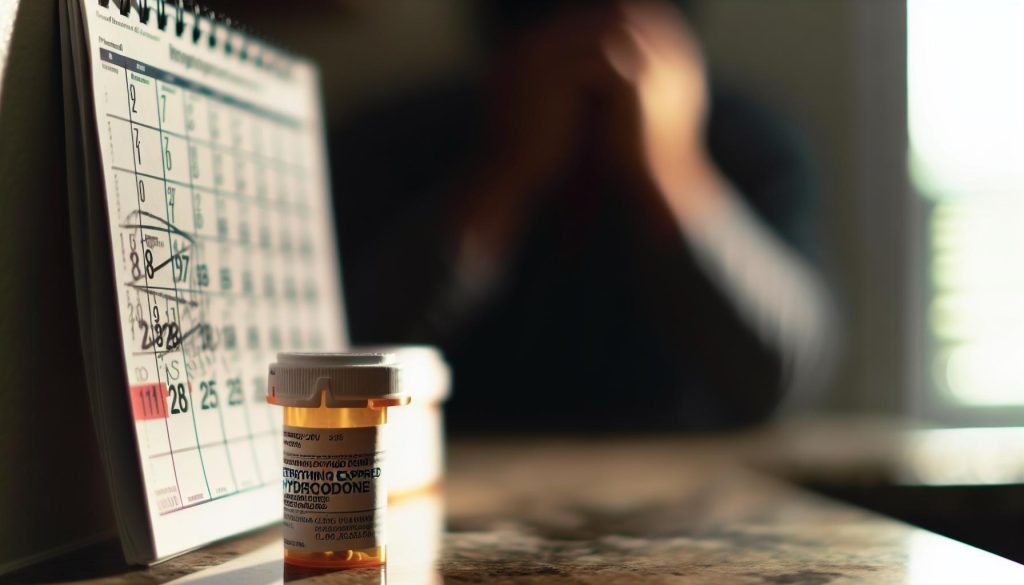
Did you know that many medications, including hydrocodone, may retain potency long after their expiration dates? However, using expired medications can pose serious safety risks that shouldn’t be overlooked. Understanding the implications of taking expired hydrocodone is crucial for anyone managing pain or considering its use. Not only does this knowledge empower you to make informed decisions about your health, but it also highlights the importance of proper medication storage and disposal. As we delve into the crucial aspects of expired hydrocodone, we’ll explore potential risks, best practices, and the significance of consulting healthcare professionals for personalized advice. Join us to uncover everything you need to know about safely navigating the world of expired medication.
The Risks of Taking Expired Hydrocodone
Taking expired hydrocodone can pose significant health risks, primarily due to uncertainty regarding its potency and effectiveness. When medications exceed their expiration date, they may not act as intended, which can lead to either inadequate pain relief or unpredictable side effects. In the case of hydrocodone, which is an opioid pain reliever, this unpredictability can be particularly dangerous.
Factors Contributing to Risks:
- Potency Loss: Over time, the chemical stability of hydrocodone can diminish, resulting in a lower dosage than what is expected. Patients relying on this medication for chronic pain may find themselves with inadequate symptom management if they take a less effective dose.
- Unknown Contaminants: Expired medications can be subject to degradation, and while hydrocodone itself might not turn toxic, there’s a risk of contamination or degradation products forming that could cause adverse reactions.
Potential Health Consequences:
- Withdrawal Symptoms: For individuals dependent on hydrocodone, taking expired medication could exacerbate withdrawal symptoms if the potency is significantly reduced.
- Overdose Risk: Conversely, if an expired formulation has remained stable, taking a higher-than-expected dose could lead to overdose, especially when users have a tolerance for the drug’s effects.
To mitigate these risks, it is essential for patients to prioritize medication compliance and dispose of expired medications properly. Regularly reviewing and updating medication supplies and consulting with healthcare professionals prior to using any expired prescription can foster safe and effective management of health conditions.
Signs of Hydrocodone Expiration
Hydrocodone is a powerful opioid pain reliever that is commonly prescribed for pain management. However, just like any medication, it does have a shelf life, and being able to identify the signs of expiration is crucial for both safety and efficacy. While many people might not think about it, expired medications, including hydrocodone, can potentially lead to ineffective pain management or even harmful side effects. Understanding how to recognize when hydrocodone has spoiled can help prevent such risks.
One of the most apparent signs of expired hydrocodone is a noticeable change in appearance. If the tablets have developed discoloration, such as darkening or fading, or if they show unusual spots or mold-like growth, these are clear indicators that the medication should not be consumed. Additionally, a change in texture can also suggest that the medication is no longer safe to use; for instance, if the pills are crumbling or have become excessively dry or sticky, it may indicate that they have degraded.
Another important factor to consider is the expiration date itself. Medications typically have a stamped expiration date on their packaging, and it’s essential to adhere to this date strictly. While some medications may retain potency for a time after this date, hydrocodone is not one of those drugs that should be taken lightly. The risk of diminished effectiveness or unexpected reactions can be mitigated by simply checking the date and discarding any outdated supplies.
Lastly, improper storage conditions can accelerate the degradation of hydrocodone, leading to expiration even before the indicated date. Medications should be stored in a cool, dry place away from excessive heat and humidity. If hydrocodone has been exposed to moisture or high temperatures, even if it hasn’t technically expired, it could be unsafe to use. Always consult with a healthcare provider or pharmacist if unsure about the status of any medication, especially critical ones like hydrocodone. Taking proactive measures to identify expiration signs not only ensures safety but also enhances the effectiveness of pain management strategies.
Understanding the Chemical Stability of Hydrocodone
A deeper understanding of the chemical stability of hydrocodone not only enhances safety but also ensures effective pain management. Hydrocodone, like many pharmaceuticals, undergoes chemical changes over time, primarily due to environmental factors such as light, temperature, and humidity. These changes can alter its efficacy, making it vital for patients and caregivers to recognize the implications of these reactions.
Hydrocodone is relatively stable under proper storage conditions; however, its chemical integrity can diminish if it is stored inappropriately, such as in a damp bathroom or near a heat source. Factors that contribute to the degradation include:
- Humidity: High moisture levels can lead to hydrolysis, a process that breaks down the medication.
- Temperature: Exposure to excessive heat can accelerate chemical reactions, leading to quicker degradation of the active ingredient.
- Light Exposure: Some medications, though hydrocodone is not as sensitive as others, can degrade when exposed to direct sunlight or artificial light.
When hydrocodone begins to degrade, the potential for both decreased effectiveness and unwanted byproducts increases. Decreased efficacy means patients may not experience the desired pain relief, leading to inappropriate dosage adjustments or frequency of administration, which can pose further health risks. Additionally, the production of byproducts during degradation could result in unanticipated side effects or toxicity.
It’s critical to adhere to manufacturer guidelines on storage and to stay vigilant about the expiration dates of hydrocodone and other medications. If unsure about the status or safety of a medication, consulting a healthcare professional is always the best path forward. Awareness and education around medication stability empower patients to make informed decisions, leading to better health outcomes.
Impact of Expired Hydrocodone on Health
Taking expired medications like hydrocodone can pose significant health risks, mainly due to the drug’s potential degradation over time. While many medications may retain some potency past their expiration date, hydrocodone’s stability and efficacy can decline, leading to inadequate pain management and potential adverse effects. This reduction in effectiveness means that individuals relying on expired hydrocodone may not achieve the desired relief from pain, which can inadvertently lead them to take higher doses. Such behavior can increase the risk of overdose or dependence.
Moreover, the chemical breakdown of hydrocodone may result in the formation of byproducts, which are not only ineffective for pain relief but could also introduce new health risks. For instance, these byproducts could potentially cause unexpected side effects, contributing to symptoms such as nausea, dizziness, or even more severe reactions, depending on the individual’s health status and sensitivities. For patients with underlying conditions or those taking other medications, the risks associated with consuming expired hydrocodone could become even more pronounced.
It’s critical for users to be aware of how much their medication can degrade based on storage conditions-humidity, temperature, and light exposure can all negatively impact hydrocodone’s stability. Ensuring that medications are stored correctly and regularly checking expiration dates can mitigate some of these risks. If there is any doubt regarding the safety or effectiveness of a medication, consulting a healthcare professional is essential. By educating oneself about these issues, patients can make informed decisions about their health and avoid potential dangers associated with using expired medications.
Potential Side Effects of Using Expired Medications
Using expired medications, particularly hydrocodone, carries some risks that are not always fully understood by patients. The primary concern revolves around the unclear effectiveness of the drug after its expiration date. While some medications may retain useful properties beyond this date, hydrocodone’s efficacy could diminish significantly due to chemical degradation. This decreased potency may lead individuals to mistakenly increase their dosage in hopes of achieving the desired pain relief, which could inadvertently elevate the risk of dependence or overdose.
Moreover, expired hydrocodone may not only lose its intended therapeutic effects but could also yield harmful byproducts due to chemical breakdown. These byproducts can potentially cause adverse reactions such as nausea, dizziness, drowsiness, or in some cases, more severe health issues. For individuals with pre-existing health conditions or those taking other medications, the risks associated with using expired hydrocodone may become even more pronounced, highlighting the importance of consulting a healthcare professional before consuming expired prescriptions.
It’s critical to remain vigilant about medication safety. Regularly checking expiration dates and understanding the proper storage conditions-like temperature and humidity-can help mitigate risks associated with medication degradation. If you find yourself in possession of expired hydrocodone or any other medication, it’s advisable to consult a healthcare provider to discuss safe disposal methods and potential alternatives for pain management. Taking proactive steps can empower patients to prioritize their health and avoid the pitfalls associated with expired medications.
Guidelines for Safe Disposal of Hydrocodone
Improper disposal of medications such as hydrocodone can pose significant risks not only to personal health but also to the community and environment. With the potential for abuse and the serious consequences of accidental ingestion, it’s crucial to follow safe disposal practices to mitigate these concerns. Did you know that flushing medications down the toilet or throwing them in the trash can lead to contamination of water supplies and harm to wildlife? Thus, knowing how to dispose of hydrocodone safely is essential.
To responsibly dispose of hydrocodone, consider the following guidelines:
Take-Back Programs
One of the most effective methods is to participate in drug take-back programs, often hosted by local pharmacies, community centers, or law enforcement agencies. These programs provide a secure, anonymous way to dispose of medications. Many take-back events occur on specific dates, while some permanent collection sites may be available year-round. Check with local health departments for details on when and where these programs are available.
Disposal in Household Trash
If a take-back program is unavailable, you can dispose of hydrocodone in the household trash by following these steps:
- Mix the medication with an unpalatable substance, such as dirt, cat litter, or used coffee grounds.
- Place the mixture in a sealed container or plastic bag to prevent leakage.
- Throw the container or bag in your household trash.
Flushing Medications
Flushing is generally discouraged, but the FDA recommends it for specific medications that might pose immediate dangers if ingested by someone other than the patient, including certain opioids like hydrocodone. If you decide to flush, check FDA guidelines or labels to ensure it’s appropriate.
Post-Disposition Steps
After disposing of your hydrocodone, be sure to remove any personal information from prescription bottles or packaging before disposal to protect your privacy. Additionally, always keep track of your medications, and discuss concerns with a healthcare provider when managing leftover or expired prescriptions.
In summary, safe disposal of hydrocodone is not only a matter of personal health but also a responsible decision for your community. Engaging in proper disposal practices safeguards against misuse and environmental damage, empowering everyone to contribute to a safer, healthier ecosystem. If you ever find yourself unsure about how to dispose of medications, don’t hesitate to reach out to healthcare professionals for guidance.
What to Do If You Take Expired Hydrocodone
If you’ve inadvertently taken expired hydrocodone, the first step is to remain calm. Although expired medications usually do not pose significant health risks, the potency and effectiveness of the medication can be compromised. Hydrocodone, an opioid pain reliever, may not provide the expected pain relief if it has degraded. Additionally, its chemical stability can vary, and while many medications retain effectiveness beyond their expiration date, others may lead to unexpected side effects or reduced efficacy.
It’s essential to monitor how you’re feeling after taking the expired medication. Be alert for any unusual symptoms or adverse reactions, as the body’s response to expired drugs can be unpredictable. If you experience any concerning symptoms like increased drowsiness, nausea, or confusion, it is advisable to seek medical attention immediately. Even if the effects seem mild, reaching out to a healthcare professional is a prudent choice, especially if you have pre-existing health conditions or are taking other medications.
In situations where expired hydrocodone was consumed accidentally, documenting the dosage and the time of ingestion can prove helpful for healthcare providers. Keep in mind that engaging with a pharmacist or physician not only provides clarity on possible health implications but can also guide you on what steps to take next, including potential alternatives for pain management. Having open conversations with healthcare professionals about medication safety and expiration can empower you to make informed decisions on your health and medication use.
As a preventive measure, regularly check your medication cabinet for expired prescriptions and dispose of them properly, as discussed in previous sections. Maintaining awareness of medication expiration is a crucial part of managing your health and ensuring safety. If you have concerns regarding medications or their expiration, always consult with a healthcare provider for personalized advice.
How to Recognize Hydrocodone Misuse
Recognizing hydrocodone misuse is crucial for safeguarding not only the individual using the medication but also the community at large. Education on the warning signs can help friends and family take proactive measures before abuse escalates. Misuse of hydrocodone, an opioid pain reliever, can manifest in various behaviors and patterns. Awareness of these signs can prompt early intervention and support.
One of the most prevalent indicators of misuse is an increase in the frequency or dosage of hydrocodone intake beyond what was prescribed. Individuals may also experience an obsessive preoccupation with acquiring more medication, leading to doctor shopping or manipulating prescriptions. Other signs can include significant mood swings, altered sleep patterns, or a decline in performance at work or school. Physical symptoms may surface, such as increased respiratory issues, unusual lethargy, or uncharacteristic disorientation.
Identifying these behaviors early can make a substantial difference in an individual’s life. Friends and family should encourage open discussions about prescription medications and their effects, fostering an environment where individuals feel safe to share their experiences and struggles. If someone close to you exhibits these signs, consider suggesting a consultation with a healthcare professional who can provide personalized advice and support.
It is essential to remember that hydrocodone misuse nearly always requires professional intervention. Individuals may not realize they are misusing the drug or may be reluctant to seek help due to stigma. Support systems, including counseling and rehabilitation services, can be beneficial. Their importance cannot be overstated in achieving recovery and ensuring that medication is used safely and effectively. Empower yourself and those around you with knowledge and the courage to act when misuse is suspected; it can lead to a healthier, drug-free future.
Legal Considerations for Expired Prescription Drugs
In today’s world, where medication accessibility is a critical concern, understanding the legal ramifications associated with expired prescription drugs like hydrocodone is essential for both patients and healthcare providers. Many individuals may not realize that using or possessing expired medications, particularly those classified as controlled substances, can lead to significant legal implications. For instance, the Drug Enforcement Administration (DEA) enforces strict regulations regarding the handling of narcotics, including penalties for the possession of pharmaceuticals that are expired or not prescribed to the individual in possession of them.
When a prescription for hydrocodone expires, it does not eliminate the legality of holding onto the medication. In fact, using expired narcotics can be considered illegal, especially if the original prescription has lapsed. This emphasizes the importance of properly managing and disposing of unused or expired medications to avoid potential legal issues. When uncertain about the status of a prescription, consulting with a healthcare professional is advisable to clarify instructions for use and disposal.
Moreover, while it might be tempting to keep expired hydrocodone for potential future use, it is crucial to consider the legal risks involved in doing so. Any enforcement action taken by law enforcement regarding prescription drugs can not only lead to fines but also potentially impact one’s healthcare future, making it harder to obtain necessary medicine legally. Patients are encouraged to participate in drug take-back programs or follow local guidelines for safe disposal to mitigate risks and ensure compliance with legal standards regarding prescription medications.
In conclusion, understanding the legal landscape surrounding expired prescription drugs like hydrocodone is vital for personal health and societal safety. The proactive steps of checking expiration dates, properly disposing of expired medications, and seeking legal counsel when in doubt can prevent legal repercussions and promote responsible medication use. Always consult with a healthcare provider for guidance tailored to individual circumstances and local regulations.
Alternatives to Expired Hydrocodone for Pain Management
While the temptation to use expired hydrocodone can arise, it’s crucial to recognize that effective and safer alternatives exist for managing pain. Exploring these options not only mitigates health risks associated with expired medications but also encourages a proactive approach to pain management.
One of the most notable approaches is the use of over-the-counter (OTC) pain relievers such as ibuprofen or acetaminophen. These medications are widely available, typically well-tolerated, and can effectively manage mild to moderate pain. When considering OTC options, it’s essential to follow the dosage instructions on the label and consult a healthcare professional if you’re unsure about what’s appropriate for your specific condition or health profile.
For individuals dealing with chronic pain conditions, it may be beneficial to explore alternative therapies, such as physical therapy, acupuncture, or chiropractic care. These modalities can provide non-pharmacological relief and have been shown to improve function and reduce pain levels over time. Engaging in regular physical activity, tailored to one’s physical capabilities, also plays a critical role in managing pain, enhancing overall well-being, and preventing stiffness or further injury.
Additionally, considering lifestyle modifications can greatly complement any pain management strategy. Techniques such as adequate hydration, maintaining a balanced diet rich in anti-inflammatory foods (like fruits, vegetables, and omega-3 fatty acids), and practicing stress-reduction methods like yoga or meditation can support pain relief. Together, these strategies create a comprehensive approach to health and pain management that emphasizes safety and efficacy without reliance on expired medications.
In all cases, it is vital to discuss any new treatment plans or alternatives with a healthcare provider to ensure that they are appropriate for your particular health needs and circumstances. Taking informed steps toward managing pain can significantly enhance quality of life while ensuring safety and compliance with medical standards.
Frequently asked questions
Q: What happens if I take expired hydrocodone?
A: Taking expired hydrocodone can be dangerous as it may be less effective, and its chemical composition could change, potentially leading to harmful side effects. Always prioritize safety by disposing of expired medications properly. For more information, refer to the section on the Risks of Taking Expired Hydrocodone.
Q: How can I tell if hydrocodone has expired?
A: Signs of hydrocodone expiration include changes in color, texture, or smell. If the packaging is damaged or if the medication has been stored improperly, it may also be considered expired. Consult the Signs of Hydrocodone Expiration section for detailed indicators.
Q: Are there specific health risks associated with expired hydrocodone?
A: Yes, expired hydrocodone can pose serious health risks such as ineffective pain management, unexpected side effects, or allergic reactions. It’s crucial to consider these risks before taking any expired medications. For a deeper understanding, see the Impact of Expired Hydrocodone on Health section.
Q: What are alternatives to taking expired hydrocodone for pain relief?
A: Alternatives to expired hydrocodone may include over-the-counter pain relievers like ibuprofen or acetaminophen, physical therapy, or natural remedies. Discuss with a healthcare professional for tailored recommendations. Check our section on Alternatives to Expired Hydrocodone for various options.
Q: What is the proper way to dispose of expired hydrocodone?
A: Proper disposal methods for expired hydrocodone include returning it to a pharmacy, participating in drug take-back programs, or following FDA guidelines for flushing specific medications. For further details, refer to the Guidelines for Safe Disposal of Hydrocodone section.
Q: How can I recognize hydrocodone misuse?
A: Signs of hydrocodone misuse include taking the medication in larger amounts than prescribed, using it without a prescription, or experiencing withdrawal symptoms. Early detection aids in addressing potential issues. Visit the How to Recognize Hydrocodone Misuse section for additional signs.
Q: What should I do if I’ve accidentally taken expired hydrocodone?
A: If you’ve taken expired hydrocodone, contact a healthcare professional or poison control center immediately. Monitor for any adverse reactions and ensure you tell your doctor about the situation. For more details, see the What to Do If You Take Expired Hydrocodone section.
Q: Are there legal consequences for using expired hydrocodone?
A: Yes, using expired medications can lead to legal issues, especially if they are classified as controlled substances. It’s important to dispose of medications properly and avoid legal repercussions. Refer to the Legal Considerations for Expired Prescription Drugs section for guidance.
The Conclusion
Navigating the safety risks associated with expired hydrocodone is crucial for your health and well-being. Remember, improper use can lead to serious health complications. If you have any expired medications, it’s essential to consult with a healthcare professional for proper disposal methods and to discuss any lingering questions about your pain management options. For further insights, explore our articles on safe medication practices and the importance of reviewing your prescriptions regularly.
Don’t miss out on valuable health tips-sign up for our newsletter to stay informed, or check out our resources on managing chronic pain safely. Engaging with our content not only empowers you to make informed decisions but also connects you with a community committed to health education. Share your thoughts in the comments below, and let’s keep the conversation going about safe medication management!