Dong Quai, often referred to as “female ginseng,” has gained attention for its potential use in pregnancy management and abortion. With its roots steeped in traditional medicine, many women are curious about its implications for reproductive health. However, understanding the risks and safety facts surrounding Dong Quai is crucial for informed decision-making. As you consider the various options available, it’s important to weigh not only the benefits but also the potential dangers this herb may pose to your health. Empower yourself with knowledge as we delve into the essential aspects of Dong Quai, equipping you with the information you need to navigate this delicate topic responsibly. Your health decisions should always be made with care and backed by the advice of healthcare professionals, ensuring that you feel confident in your choices. Continue reading to uncover the important facts about Dong Quai and its effects on abortion, and to find guidance that supports your health journey.
Understanding Dong Quai: What You Should Know
The rich history of Dong Quai, often referred to as “female ginseng,” highlights its significant role in traditional Chinese medicine, particularly for women’s health issues. This herb has been utilized for centuries to alleviate various symptoms related to menstruation, menopause, and fertility. Many women turn to Dong Quai for its purported ability to restore balance within the reproductive system, making it a popular choice in herbal remedies. Understanding its properties and effects is crucial, especially for those considering its use during delicate situations such as pregnancy or abortion.
Dong Quai is believed to contain compounds that may influence hormonal activity, primarily through the modulation of estrogen levels. However, while some may view this as beneficial, it raises important questions regarding its safety during pregnancy or for those considering abortion. Being informed about how Dong Quai interacts with hormonal profiles is essential. Its potential to stimulate uterine contractions has led to concerns, suggesting it may not be safe for everyone, particularly in these contexts.
As there is ongoing debate among practitioners and researchers about the herb’s effects, it is advised that anyone considering Dong Quai consult with a healthcare professional. A thorough understanding of personal health conditions, alongside professional advice, is crucial for making informed decisions about herbal use. This approach helps ensure that individuals are aware of the benefits and risks involved in utilizing Dong Quai within their health management strategies, especially during critical times related to reproductive health.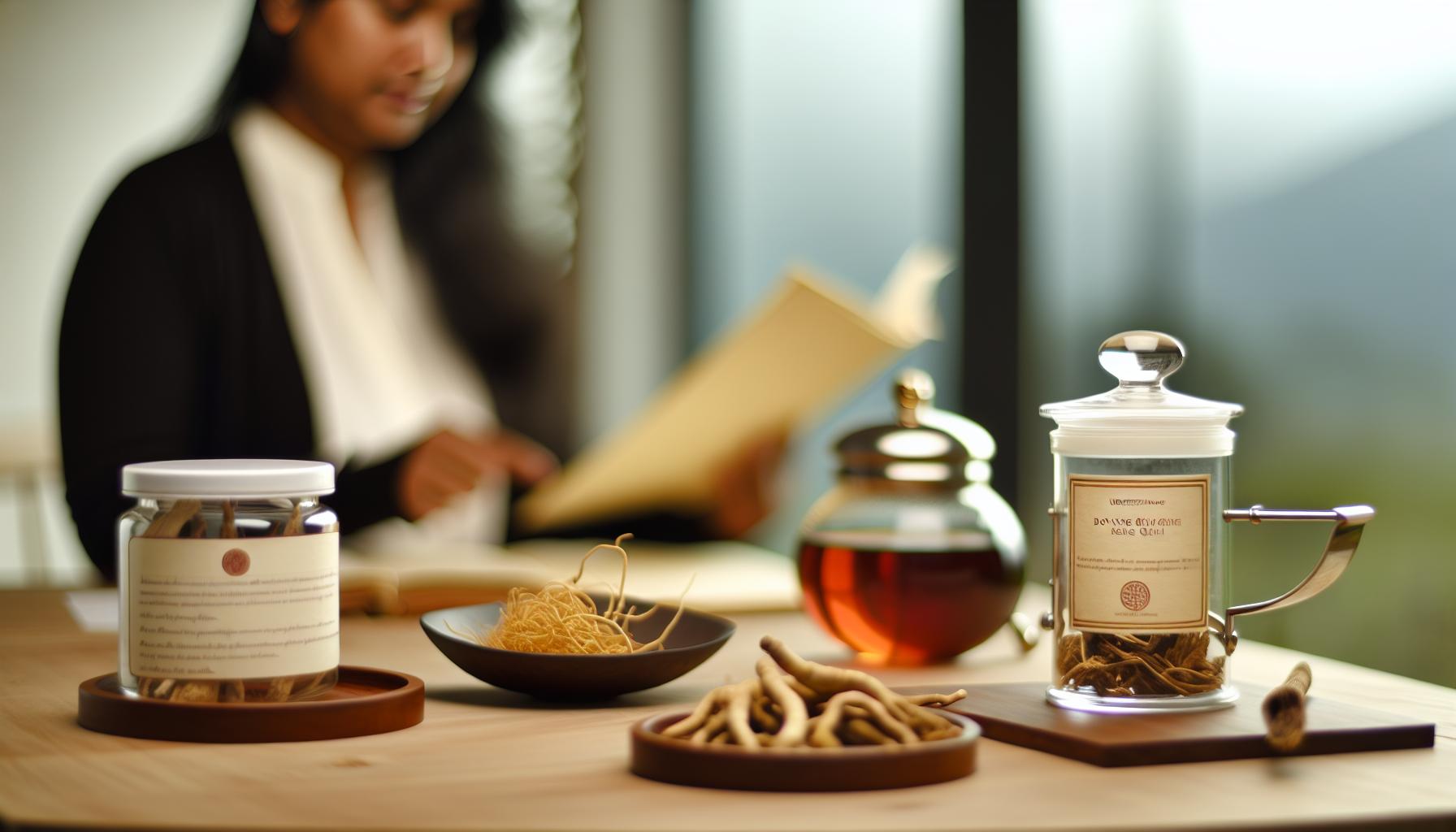
The Historical Use of Dong Quai in Women’s Health
The use of Dong Quai, often dubbed “female ginseng,” dates back thousands of years in traditional Chinese medicine, where it has been prized primarily for its benefits to women’s health. Historically, Dong Quai (Angelica sinensis) has been employed to address a myriad of female health issues such as menstrual irregularities, menopausal symptoms, and conditions affecting fertility. This herb is revered for its potential to balance hormonal levels and is often combined with other herbs to enhance its effectiveness in various formulations aimed at restoring reproductive health.
Throughout the centuries, herbalists have recognized Dong Quai’s ability to improve blood circulation and provide nourishment to the blood, which they believe is crucial for healthy menstrual cycles and overall female vitality. Particularly during the menstrual and postpartum periods, Dong Quai has been a staple in many herbal concoctions meant to replenish the body and alleviate discomfort. Its reputation has crossed geographical boundaries, influencing herbal practices worldwide. In more recent times, it has also garnered attention in Western herbalism as a beneficial tonic for women, often recommended to manage symptoms such as cramps and mood swings associated with premenstrual syndrome (PMS).
Despite its long-standing historical usage, it is vital for modern users to consider the broader implications of taking Dong Quai, especially in sensitive situations like pregnancy. Evidence suggests that while Dong Quai may be beneficial for many women, its estrogenic activity can multiply the risks during these crucial times. Therefore, understanding the historical context alongside the modern scientific perspective can empower women to make informed health decisions. Consulting healthcare professionals knowledgeable in herbal medicine can illuminate how Dong Quai may interact with individual health conditions and reproductive plans, ensuring that its traditional benefits are weighed against potential risks.
Overall, the historical significance of Dong Quai in promoting women’s health offers a rich narrative that underscores the necessity of informed and responsible herbal use, especially when navigating complex health decisions.
Potential Risks of Dong Quai During Pregnancy
During pregnancy, the introduction of any herbal supplement, including Dong Quai, should be approached with caution. This herb, often celebrated for its numerous benefits in women’s health, is also associated with significant risks when taken during this critical period. A pivotal concern stems from its estrogenic properties, which can potentially lead to hormonal imbalances that pose risks not just to the mother but also to the developing fetus.
Research has indicated that Dong Quai may stimulate uterine contractions due to its ability to modulate estrogen levels. This concern is particularly heightened in pregnant women, as undue stimulation of the uterus can result in complications such as premature labor or even miscarriage. While some might view Dong Quai as a natural remedy for various ailments, its interference with hormonal regulation can have dangerous implications during pregnancy, underscoring the necessity for careful consideration and expert advice.
Given these potential risks, it is crucial for women who are pregnant or considering pregnancy to consult with healthcare professionals before using Dong Quai. These consultations can help ensure that any supplements align with current health needs without jeopardizing maternal or fetal health. A qualified healthcare provider can offer tailored advice, considering individual medical histories and any existing conditions, thereby facilitating informed decisions about herbal use.
Overall, while Dong Quai may hold merit in various aspects of women’s health, its use during pregnancy is a delicate matter that requires vigilance. Placing the health and safety of both the mother and child at the forefront can help guide responsible practices in herbal supplementation.
Safety Considerations: Is Dong Quai Safe for Abortion?
It’s essential to approach the topic of using Dong Quai in the context of abortion with a clear understanding of the herb’s potential effects. Dong Quai, often utilized in traditional medicine for its reputed benefits on women’s health, has garnered attention for its supposed ability to influence menstrual cycles and uterine function. However, the link between Dong Quai and abortion is fraught with uncertainties and significant safety concerns.
Research suggests that Dong Quai can affect estrogen levels and stimulate uterine contractions. Such properties raise alarming questions about its safety during abortion procedures or for those considering abortion. The use of any herbal remedy during this sensitive time should be approached with caution. While some proponents may argue that Dong Quai could help terminate a pregnancy naturally, scientific backing is limited, and the risks may outweigh any benefits. It is crucial to remember that self-managed abortion through herbal means can lead to severe complications, including incomplete abortion, increased bleeding, or infection.
Given these potential dangers, seeking professional medical advice is vital. Women contemplating abortion or experiencing complications should consult healthcare providers rather than rely on herbal supplements like Dong Quai. A healthcare professional can provide evidence-based guidance, ensuring that individuals make informed choices that prioritize their health and safety.
In general, when considering any supplement or remedy for reproductive health, being well-informed and cautious is key. Always discuss with a qualified healthcare professional to explore safe and effective options tailored to individual health needs. Maintaining a proactive approach to health and wellness can empower individuals to navigate their choices responsibly and safely.
How Dong Quai Affects Hormones and Reproductive Health
Dong Quai, also known as Angelica sinensis, is often referred to as the “female ginseng” due to its historical use in traditional Chinese medicine for promoting women’s health. One of the components that makes Dong Quai noteworthy is its interaction with hormones, particularly estrogen. Several studies have suggested that Dong Quai may help to balance hormonal levels, especially during menstruation or menopause, but these effects can have complex implications, particularly for those considering abortion.
Research indicates that Dong Quai can influence estrogen levels in the body, which is significant since estrogen plays a crucial role in regulating a woman’s reproductive system. However, the repercussions of this interaction can vary. For some women, this herb may alleviate symptoms of hormonal imbalance, such as irregular periods and discomfort associated with menstruation. Yet, the same properties that might help stabilize hormone levels can raise concerns when it comes to pregnancy and abortion. The herb is thought to possess potential uterine-stimulating effects, which could lead to contractions. This notion has led to discussions around its safety during pregnancy and in the context of abortion, despite the need for further scientific validation.
It’s essential to approach the use of Dong Quai with caution, particularly for those considering it as a remedy in the context of reproductive health. The herb’s traditional uses may not align with modern medical standards, and its effects on hormone levels are not fully understood. Women must consult healthcare professionals before integrating such supplements into their routines to ensure they make decisions based on reliable evidence and individual health conditions. Ultimately, awareness and education regarding how Dong Quai impacts hormonal health and reproductive systems empower individuals to take control of their well-being while prioritizing safety and informed choices.
Alternative Natural Remedies for Pregnancy Management
Understanding alternative natural remedies for managing pregnancy can provide women with supportive options throughout this sensitive time. While many may be curious about herbal remedies like Dong Quai, it’s crucial to balance exploration with caution and knowledge. Various natural remedies can complement traditional medical approaches, but they should always be considered in consultation with a healthcare professional.
One popular alternative is ginger, known for its effectiveness in alleviating nausea, particularly during the first trimester. Studies indicate that ginger may significantly reduce symptoms without the adverse effects associated with some pharmaceuticals. A simple way to incorporate ginger is through tea or candied forms, which can be both soothing and palatable.
Another option several women turn to is chamomile, which has soothing properties that may help with relaxation and sleep-a vital aspect of a healthy pregnancy. However, it’s important to be mindful of chamomile’s usage, as high doses may not be suitable for everyone during pregnancy. Consulting a healthcare professional about the right amount is advisable.
Peppermint oil is also commonly used to relieve discomfort and nausea. Women can safely enjoy peppermint tea or use a diluted essential oil for aromatherapy. However, as with any essential oil, great care should be taken to ensure proper dilution, as undiluted oils can cause skin irritation or other adverse effects.
For those interested in nutritional support, incorporating foods rich in folate, such as leafy greens, legumes, and fortified grains, can help reduce the risk of neural tube defects in developing infants. Additionally, maintaining adequate hydration and a balanced diet can promote overall well-being during pregnancy.
Ultimately, while exploring these natural remedies, it’s essential to maintain an open dialogue with healthcare providers. They can help determine what is safe and effective based on individual health circumstances. With the right guidance, women can navigate their pregnancy journey with confidence and comfort.
Consulting with Health Professionals About Dong Quai
Consulting about herbal remedies like Dong Quai is crucial, particularly when considering their potential effects on sensitive health matters such as pregnancy and abortion. While Dong Quai, often called “female ginseng,” has been celebrated in traditional medicine primarily for its benefits in women’s health, its implications during pregnancy or abortion contexts raise significant concerns. Keeping an open dialogue with healthcare professionals allows individuals to gather personalized insights based on their medical history and current health status.
When discussing Dong Quai with a healthcare provider, it’s important to address several key points:
- Medical History: Provide a complete history, including any existing conditions, medications being taken, or past complications during pregnancy. This information helps healthcare providers understand potential interactions or contraindications.
- Usage Purpose: Be clear about why you are considering Dong Quai for your health. Whether it’s for menstrual symptoms, hormone regulation, or another use, understanding the context helps professionals gauge safety.
- Evidence and Research: Ask about current research related to Dong Quai’s use during pregnancy and its effects. Healthcare professionals can offer insights into the latest findings and how they pertain to your situation.
- Alternative Options: Explore other natural remedies or treatments that may be more appropriate during pregnancy. Healthcare providers can suggest safer alternatives that align with the individual’s health objectives.
Getting professional guidance ensures that you are not only informed about the potential risks associated with Dong Quai, such as its effects on hormone levels, but also that you understand how it fits into your overall health strategy. Engaging in discourse about your specific needs empowers you to make informed decisions while upholding safety and health priorities. As inquiries surrounding herbal supplements grow, leaning into the expertise of healthcare professionals becomes paramount. Trusting their knowledge fosters a responsible approach to managing health and wellness during sensitive periods like pregnancy or abortion.
Common Misconceptions About Dong Quai and Abortion
While many individuals turn to herbal remedies like Dong Quai for various health benefits, the misconceptions surrounding its use in abortion contexts can lead to confusion and potential risks. A prevalent belief is that Dong Quai can induce abortion due to its traditional use in promoting menstrual flow, but scientific evidence supporting this claim is scant. Instead, this herb is more accurately regarded as an adaptogen that supports overall menstrual health rather than a direct abortifacient.
Another common misunderstanding is that all natural remedies are inherently safe. This is not the case with Dong Quai, as it may interact with other medications and could cause side effects, particularly in pregnant individuals. Users often overlook that Dong Quai contains compounds that can affect hormone levels, potentially leading to complications. Consulting a healthcare professional before using Dong Quai, especially in the context of pregnancy or abortion, is crucial for understanding the individual risks involved.
It’s also important to recognize that while some anecdotal evidence suggests that Dong Quai can assist in regulating menstrual cycles, claiming it can safely assist in abortion undermines the complexity of reproductive health. Education and proper guidance are vital, as relying on herbal supplements without adequate knowledge can lead to unintended consequences. Health professionals can provide evidence-based advice tailored to individual health needs and circumstances.
In summary, understanding the difference between herbal support for menstrual health and the implications of using Dong Quai for abortion is paramount. Patients should seek comprehensive guidance from healthcare providers to make informed decisions and prioritize safety when considering herbal remedies like Dong Quai.
User Experiences: Testimonials and Studies on Dong Quai
Despite its long-standing reputation in herbal medicine, user experiences surrounding Dong Quai often vary significantly. While some individuals praise it for its numerous health benefits, including hormonal balance and relief from menstrual discomfort, others express caution due to the potential risks associated with its use, particularly during pregnancy. Many anecdotes highlight the herb’s traditional role in alleviating symptoms of menopause and improving overall reproductive health; however, testimonials that address its use in the context of abortion are notably scarce and often filled with uncertainty.
Anecdotal experiences frequently cite that Dong Quai has helped manage symptoms related to irregular menstrual cycles and increased energy levels. Users often report that it promotes a sense of overall well-being, leading to suggestions that it could play a positive role in managing stress and hormonal balance. These testimonials embed a common theme: people are looking for natural remedies to address women’s health issues and find reassurance in shared experiences. However, it is crucial to approach these claims with discernment, especially since individual experiences can vary widely and lack scientific backing.
In contrast, reports regarding the use of Dong Quai in the context of abortion reveal a more complex and often distressing narrative. Many users express confusion about its actual effects on pregnancy outcomes, stemming primarily from the misconception that Dong Quai can induce abortion. The lack of scientific studies or controlled trials addressing this claim leaves potential users questioning its safety. This uncertainty emphasizes the need for clear communication from healthcare providers and reliable resources to guide those considering herbal remedies for reproductive health.
As with any supplement, seeking qualified guidance is paramount. Health professionals can provide tailored advice based on individual health history and needs, ensuring that people are neither misled by anecdotal claims nor unwarrantedly discouraged from exploring natural health solutions. Fostering an open dialogue with healthcare providers makes it easier to navigate the complexities surrounding herbal remedies like Dong Quai, empowering individuals to make informed decisions for their health and well-being.
Guidelines for Responsible Use of Dong Quai
Dong Quai, often dubbed the “female ginseng,” has garnered significant attention for its potential benefits in women’s health, yet its responsible use, particularly in sensitive contexts like abortion, demands careful consideration. For anyone contemplating the use of Dong Quai, understanding how to integrate this herb into one’s health regimen safely is paramount. It’s essential to approach its usage with a thorough awareness of both its properties and potential risks.
One of the first steps in responsibly using Dong Quai is consulting with a qualified healthcare professional. This can help clarify any misunderstandings about its effects and ensure that its use aligns with individual health needs. Women who are pregnant or considering pregnancy should exercise extreme caution, as Dong Quai may have implications for hormonal balance and uterine health. A healthcare provider can offer tailored advice based on personal medical history, ensuring that the herb’s benefits do not come at an unforeseen cost.
Another important aspect is understanding proper dosages. Dong Quai can be found in various forms, including capsules, tinctures, and teas, which may have different concentrations. Reading labels carefully and adhering to recommended dosages can mitigate some risks associated with overconsumption, such as potential bleeding or interactions with other medications. Keeping a record of any experiences or side effects while using Dong Quai can also be beneficial for discussions with a healthcare provider.
Lastly, educating oneself about the herb’s traditional uses and the modern scientific perspectives can provide a well-rounded view of its role in reproductive health. Misinformation abounds when it comes to herbal remedies, particularly regarding their efficacy in inducing abortion. It’s essential to debunk myths surrounding Dong Quai’s role in pregnancy termination and focus on reliable information. Solid health education not only supports informed decision-making but also fosters a sense of empowerment in managing one’s reproductive health.
In summary, approaching Dong Quai thoughtfully with the guidance of healthcare professionals and reliable information sources can help maximize its potential benefits while minimizing risks, particularly in delicate situations such as pregnancy and abortion. Empower yourself with knowledge, and let it guide your decisions regarding this powerful herb.
The Legal Landscape of Herbal Remedies and Abortion
The intersection of herbal remedies like Dong Quai and abortion raises important legal considerations that can significantly impact individuals seeking to make informed choices about their health. Understanding these legal frameworks is crucial for anyone considering Dong Quai, especially in the context of pregnancy. In many regions, the legality of using herbal supplements for reproductive health can be ambiguous, often varying widely from one jurisdiction to another.
For instance, while herbs are generally accessible and regarded as less regulated than pharmaceuticals, some countries or states may impose restrictions on their use in pregnancy or for abortion-related purposes. This lack of clear guidelines can lead to confusion for consumers trying to navigate the complexities of herbal efficacy, legality, and safety. To avoid potential legal pitfalls, it is advisable for individuals to consult local regulations and to discuss their specific intentions for using Dong Quai with healthcare providers who are informed about both herbal supplements and reproductive health laws.
Moreover, misinformation regarding the effectiveness of herbal remedies in inducing abortion can perpetuate not only health risks but also legal consequences. Certain claims made by sellers or manufacturers may not be substantiated by scientific research, leading individuals to believe they can control a sensitive and complex health issue through unregulated means. Staying informed about both the scientific evidence and the legal landscape can empower individuals to make safer choices.
Ul> Key Considerations:
Engaging with legal experts or health professionals who understand the nuances of both herbal remedies and reproductive rights can provide further clarity and assurance. It’s essential to prioritize safety and legality while navigating health choices, especially in areas as sensitive as reproductive health.
Where to Find Reliable Information on Dong Quai
Finding accurate and reliable information about Dong Quai is essential for anyone considering its use-especially in the context of sensitive topics like pregnancy and abortion. A wealth of knowledge exists, but discerning credible sources from misinformation can be challenging. Start by seeking out reputable medical and scientific databases. Websites like PubMed, the National Institutes of Health (NIH), or peer-reviewed journals provide evidence-based articles that can deliver comprehensive insights into Dong Quai’s uses, effects, and potential risks.
Additionally, consulting established health organizations can be invaluable. The World Health Organization (WHO) and the American Herbal Products Association (AHPA) often publish guidelines and research on herbal remedies. These organizations can provide reliable health advice and updated information about the safety of using Dong Quai, particularly in relation to reproductive health.
Moreover, individual health professionals, including herbalists, nutritionists, and gynecologists, can offer personalized assessments and advice based on your specific health needs. These experts can clarify how Dong Quai might interact with other medications or affect your hormone levels. It’s beneficial to prepare for these consultations by compiling questions and concerns about Dong Quai’s appropriateness for your situation.
Finally, connecting with support groups or online forums focused on women’s health may also provide insights from other users’ experiences. However, it’s crucial to approach shared testimonials with caution, as personal anecdotes do not always reflect scientific facts. Always cross-reference experiences with legitimate research or professional guidance to ensure you are making informed decisions related to your health.
Q&A
Q: What is Dong Quai, and how is it used in abortion procedures?
A: Dong Quai, often referred to as the “female ginseng,” is an herb traditionally used in Chinese medicine for various women’s health issues. Some believe it can help induce menstruation and assist in abortion, but scientific evidence supporting its effectiveness is limited. Always consult a healthcare professional before use.
Q: Can Dong Quai cause complications during an abortion?
A: Yes, Dong Quai may lead to complications such as increased bleeding or hormonal imbalances during an abortion. Its effects on the body can vary significantly between individuals. Consulting a healthcare provider is crucial to understand potential risks and ensure safe practices.
Q: How does Dong Quai affect hormonal balance in women?
A: Dong Quai contains phytoestrogens that may influence estrogen levels in the body, potentially affecting hormonal balance. This can be beneficial for some but problematic for others, especially during pregnancy or menstrual regulation. It’s advisable to discuss this with a healthcare professional before use.
Q: Are there safer alternatives to Dong Quai for managing reproductive health?
A: Yes, alternatives such as raspberry leaf, ginger, or turmeric may promote reproductive health without the risks associated with Dong Quai. Each herb has unique properties, so consulting with a healthcare provider can help identify the safest option for individual needs.
Q: What are the legal considerations regarding Dong Quai and abortion?
A: The legal landscape around herbal remedies like Dong Quai varies by location. In some regions, using herbal supplements for abortion may be scrutinized or restricted. It’s essential to understand local laws and discuss any herbal use with a qualified healthcare professional.
Q: Can Dong Quai be safely combined with other medications?
A: Dong Quai may interact with certain medications, especially anticoagulants and hormonal treatments, leading to increased risk of side effects. Always inform your healthcare provider about any herbal supplements you are taking to avoid harmful interactions.
Q: What should individuals consider before using Dong Quai for abortion?
A: Individuals should weigh the potential risks and benefits of using Dong Quai, consult with healthcare professionals, and consider other safe alternatives. Personal health history and current medications are crucial factors to evaluate before use.
Q: Are there any scientific studies on Dong Quai’s effectiveness in abortion?
A: While Dong Quai has historical uses, scientific studies specifically investigating its effectiveness in inducing abortion are limited. Most recommendations are anecdotal, highlighting the need to rely on medical advice for abortion procedures and reproductive health management.
The Conclusion
As you’ve explored the risks and safety facts surrounding Dong Quai abortion, it’s essential to remember that knowledge is power, especially in matters of health and well-being. We encourage you to share your thoughts or experiences in the comments below, as community support can be invaluable. If you’re looking for further insights, be sure to check out our articles on natural remedies for women’s health and the effects of herbal supplements on reproductive systems.
For those contemplating their options, it might be wise to consider professional consultation to discuss your individual health concerns. Sign up for our newsletter to receive the latest on women’s health topics and access expert advice directly to your inbox. Empower yourself with the right information, and take proactive steps toward your health today. Remember, your journey towards informed health decisions begins with education-stay curious, and let us be your trusted resource for guidance!