When you’re feeling under the weather, old bottles of NyQuil may lurk in your medicine cabinet, raising the question: does NyQuil expire? This concern is crucial not only for safety but also for effective symptom relief. Understanding the lifespan of medications like NyQuil helps ensure you’re using products that work effectively against cold and flu symptoms, from sore throats to coughs. In this article, we’ll dive into essential safety facts about NyQuil, how long it lasts, and what to consider when using medications past their expiration date. Empowering yourself with this knowledge can make a significant difference in your health management, so let’s explore together!
Does NyQuil Expire? Understanding Expiration Dates
When dealing with over-the-counter medications like NyQuil, understanding expiration dates is crucial for ensuring both safety and effectiveness. Expiration dates are determined by manufacturers based on stability testing, which assesses how long the active ingredients maintain their potency and safety when stored properly. For NyQuil, this means that you can expect the product to be most effective until the date marked on the bottle. After this date, the efficacy of the active ingredients may diminish, leading to insufficient relief from cold and flu symptoms.
It is important to note that while some medications can retain their effectiveness for a period after the expiration date, taking expired NyQuil can pose certain risks. The combination of ingredients in NyQuil, which often includes antihistamines, decongestants, and pain relievers, may not work as intended after the expiration date has passed. Thus, relying on expired medications could leave you vulnerable to symptoms worsening or prolonging your illness.
Moreover, beyond simply checking for the expiration date, it is equally important to consider how you store NyQuil. Exposure to excessive heat, moisture, or sunlight can also affect the medication’s efficacy. Therefore, keeping NyQuil in its original packaging and storing it in a cool, dry place can help maintain its effectiveness for the duration of its shelf life. Always monitor the storage conditions as part of your medication management routine to optimize your health outcomes.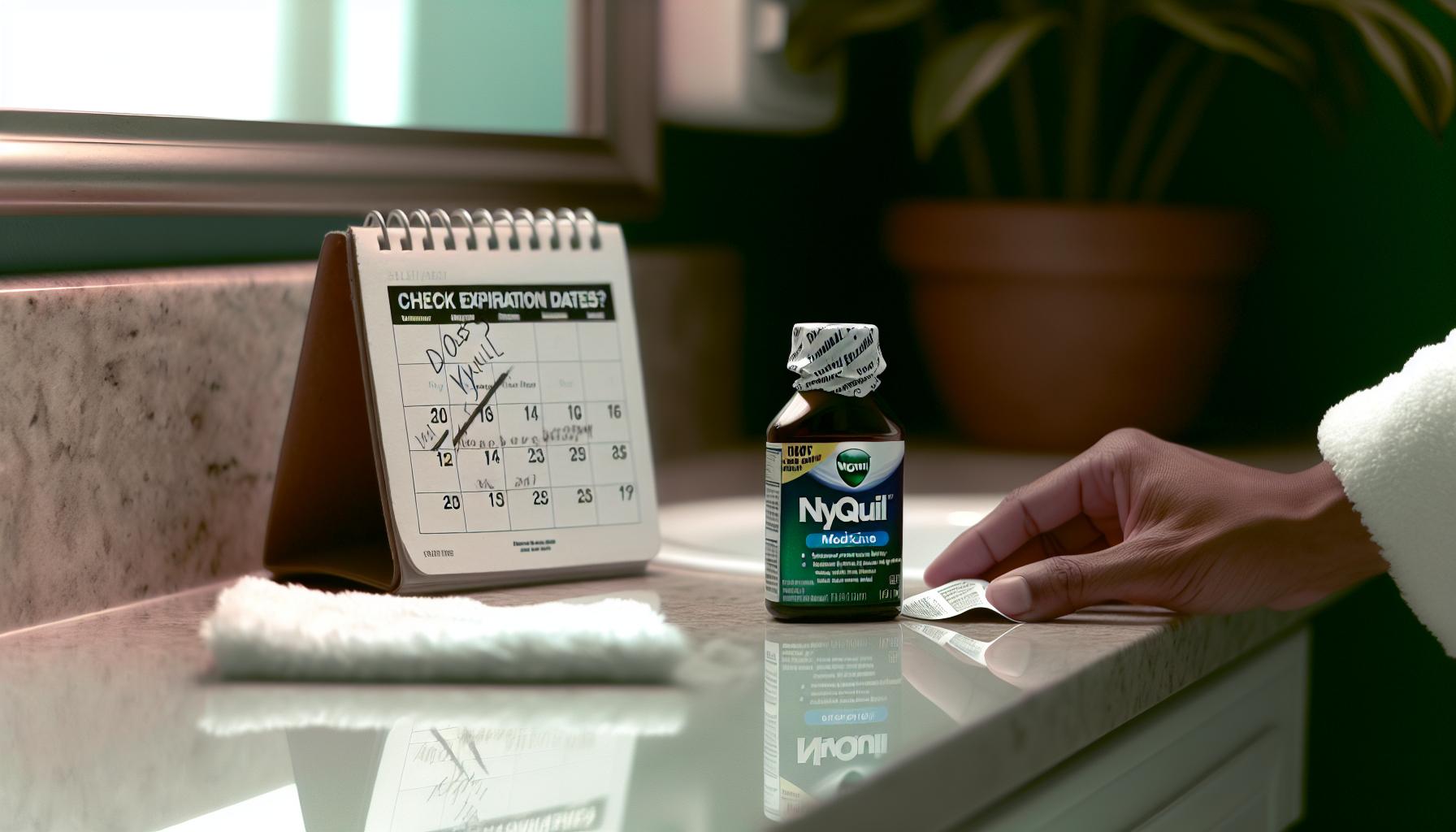
The Importance of Proper Storage for NyQuil
When it comes to ensuring the effectiveness and safety of medications like NyQuil, proper storage is paramount. Many individuals may not realize that factors such as temperature, humidity, and even light exposure can significantly impact a drug’s stability and potency. By understanding the best practices for storing NyQuil, you not only extend its shelf life but also ensure that it works effectively when you need it the most.
To maintain the integrity of NyQuil, it’s crucial to store it in a cool, dry place, away from direct sunlight. This helps prevent the degradation of its active ingredients, which can become less effective over time if exposed to varying conditions. Here are some helpful guidelines for storing NyQuil:
- Keep it in the original packaging: The bottle is designed to protect the medication from light and moisture.
- Avoid bathroom storage: Bathrooms tend to be humid, which can negatively affect the medication. Instead, choose a pantry or cabinet.
- Check for temperature: Ensure that the storage area does not exceed room temperature (usually below 77°F or 25°C).
If you notice any changes in the medication’s color, consistency, or if it has an unusual smell, these could be signs that it has degraded and may no longer be safe to use. It’s essential to conduct regular checks on your medications to ensure they are stored correctly and remain effective. In addition to adhering to these practices, remember that if you ever have doubts about the safety of taking a medication, consulting a healthcare professional is always the best course of action. Storing NyQuil properly not only safeguards your health but also ensures you can rely on it when cold and flu symptoms strike.
Signs That Your NyQuil Has Spoiled
It’s essential to be aware of changes in your NyQuil that might indicate it has spoiled. An expired or compromised medication can be less effective or even unsafe. By knowing what to look for, you can avoid the risks associated with taking a dysfunctional product, especially during times when you might be relying on it to relieve cold or flu symptoms.
One of the primary signs that your NyQuil may have spoiled is a noticeable change in color or clarity. If the liquid has developed a cloudy appearance, sediment, or unusual coloration compared to its original state, it’s advisable to discard the medication. Another important indicator is any alteration in smell. NyQuil typically has a distinctive medicinal scent; if it smells off or features an unusual, unpleasant odor, it’s a strong signal that it should not be consumed.
Also, pay attention to the texture of the liquid. If the medication seems thicker than usual or has developed an unusual consistency, it could suggest chemical changes or contamination. Lastly, always check the expiration date printed on the bottle. Although the medication may not necessarily spoil instantly after this date, significant changes in efficacy can occur, making it important to prioritize freshness and safety.
In summary, by regularly inspecting your NyQuil for these signs-color changes, odd smells, inconsistent texture, and monitoring expiration dates-you can help ensure that you’re using a safe and effective product. If in doubt, disposing of the medication and consulting a healthcare professional for alternatives or new prescriptions is the best course of action.
What Happens When You Take Expired NyQuil?
Taking expired NyQuil can be a concerning issue, especially when you find yourself relying on it for relief from cold and flu symptoms. While some over-the-counter medications may still retain effectiveness after their expiration date, NyQuil’s performance cannot be guaranteed. The ingredients in NyQuil, like many medications, may degrade over time, potentially leaving you with a product that does not provide the relief you seek.
When you ingest expired NyQuil, you may experience diminished effectiveness, meaning it might not alleviate your symptoms as anticipated. In some cases, while your body may tolerate the medication without immediate adverse effects, it could lead to additional discomfort as you’re left unmedicated or with unresolved symptoms. Specifically, the active ingredients-such as acetaminophen, dextromethorphan, and doxylamine-can lose their potency, making the relief from cough, pain, or insomnia less effective.
In rare instances, taking expired medications can pose health risks. Although NyQuil is not typically associated with severe side effects post-expiration, the breakdown of ingredients can lead to unexpected reactions, particularly for those with sensitivities or pre-existing health conditions. Therefore, if you have taken expired NyQuil and notice any unusual symptoms-such as rash, nausea, or increased drowsiness-it is advisable to seek medical attention. Always prioritize health by consulting a healthcare professional when in doubt about medication efficacy or safety. Keeping a fresh supply of NyQuil, along with regular checks of expiration dates, can help you remain prepared for when cold or flu symptoms arise.
How Long Does NyQuil Typically Last?
Determining how long NyQuil typically lasts is crucial for anyone relying on this over-the-counter medication during cold and flu season. Generally, NyQuil will retain its potency for about two to three years from the date of manufacture, provided it is stored properly. This timeframe aligns with the expiration dates printed on the packaging, which reflect the period during which the manufacturer guarantees optimal effectiveness of the product.
To ensure that you are getting the best results from NyQuil, it’s important to pay attention to storage conditions. Store it in a cool, dry place and away from direct sunlight, as heat and moisture can accelerate the degradation of its active ingredients, which include acetaminophen, dextromethorphan, and doxylamine. Incorrect storage might not only shorten its shelf life but also lead to variability in efficacy.
As you approach the expiration date, it’s wise to consider the possibility of diminishing effects. While some medications might still be somewhat effective after the expiration date, relying on expired NyQuil could leave you with inadequate relief. If you often find yourself reaching for this medication, consider checking your supply regularly and replacing any expired products to maintain a reliable stock on hand when you need it most. Always consult with a healthcare professional for guidance regarding your individual health needs and medication safety.
Key Ingredients in NyQuil and Their Stability
NyQuil is a widely used over-the-counter medication that combines several active ingredients to effectively combat cold and flu symptoms. Its key components-acetaminophen, dextromethorphan, and doxylamine-are specifically chosen for their individual therapeutic effects, but their stability is crucial for ensuring the medication’s effectiveness over time. Understanding how these ingredients behave can help you manage your cold and flu relief more effectively.
Acetaminophen
Acetaminophen is a common pain reliever and fever reducer that remains stable when stored correctly. It is generally effective for up to two to three years from the date of manufacture, provided it is kept in a dry, cool environment. However, heat and humidity can cause it to degrade, potentially diminishing its analgesic and antipyretic properties. It’s vital to check for distinct signs of breakdown, such as color changes or a strong odor, which can indicate that it’s no longer effective.
Dextromethorphan
Dextromethorphan serves as a cough suppressant, helping to control symptoms of coughing that often accompany colds and flu. This ingredient has a similar shelf life to acetaminophen but can also be sensitive to heat and moisture. It’s important to keep NyQuil tightly sealed and in its original packaging until use to protect it from environmental factors that could influence its stability.
Doxylamine
Doxylamine is an antihistamine that aids in alleviating symptoms related to allergies and colds, such as runny nose and sneezing, while also promoting drowsiness, which is beneficial for nighttime use. Like the other ingredients, doxylamine generally maintains its effectiveness for the same two to three-year timeframe under appropriate conditions. Ensure that it is protected from light and stored in a place that prevents moisture ingress, as these can expedite degradation.
To optimize the effectiveness of NyQuil, proper storage is as important as being aware of expiration dates. Always consult the product packaging for the specific expiration date and understand that these dates indicate the period during which the manufacturer guarantees full potency. If you have concerns about the stability or safety of any medications, including NyQuil, discussing them with a healthcare professional can provide tailored advice and peace of mind. By staying informed and proactive about the key ingredients in NyQuil, you can maximize its effectiveness and ensure it helps you feel better when you need it most.
Understanding Expiration Dates vs. Best By Dates
Understanding expiration dates can be crucial for ensuring the safety and effectiveness of medications like NyQuil. While many consumers often conflate “expiration dates” with “best by dates,” these terms serve different purposes. The expiration date is the last date that the manufacturer guarantees the full potency and safety of a medication. It reflects the stability of the active ingredients and their expected effectiveness when stored under recommended conditions. Most medications, including NyQuil, are expected to maintain their effectiveness until this date, but this does not automatically mean they will be harmful if taken shortly after.
On the other hand, “best by dates” primarily apply to food products and suggest the timeframe for optimal flavor and quality rather than safety. This distinction is vital to understand, especially when considering medications. Some medications, depending on their formulation, may remain effective beyond their expiration date; however, this is not a safe assumption for all products. Factors such as how the medication has been stored-exposed to humidity, heat, or light-can significantly affect its longevity. It’s also important to remember that while some medications may not become harmful after their expiration date, their efficacy could diminish, which can be particularly concerning for symptomatic relief from conditions like cold and flu.
To navigate this, it’s always best practice to review the packaging carefully and consult healthcare professionals if you have any doubts regarding the use of medications that may be past their expiration date. If medications are stored properly-away from heat, moisture, and direct sunlight-they may maintain more of their potency than if they are exposed to unfavorable conditions. To stay safe, always adhere to expiration dates and consider disposing of any expired medications properly to avoid accidentally consuming them.
Ultimately, understanding the differences between these dates not only aids in the effective use of medications like NyQuil but also empowers individuals to make informed decisions about their health. When in doubt, reach out to a healthcare professional to discuss any concerns regarding your medications.
How to Safely Dispose of Expired Medications
Handling expired medications safely is crucial for both personal safety and environmental responsibility. Disposing of expired medications like NyQuil correctly ensures that no one accidentally ingests them and minimizes the risk of environmental contamination. Ignoring proper disposal methods can lead to potential health hazards for children, pets, and even the larger ecosystem through water supply contamination.
To begin the disposal process, it’s essential to check if any take-back programs are available in your community. Many pharmacies and local health organizations offer drug take-back programs, allowing you to return expired medications for safe disposal. This is often the best option as it ensures that medications are disposed of in an environmentally friendly manner by professionals.
If take-back options aren’t accessible, follow these simple steps to dispose of medications in your household trash safely:
- Mix the Medication: Combine the expired medication with an unpalatable substance such as dirt, cat litter, or used coffee grounds. This makes it less appealing to children and pets.
- Seal the Mixture: Place the mixture in a sealed plastic bag or container to prevent leakage.
- Dispose of Properly: Throw the sealed container into your household trash.
Flush certain medications down the toilet only if the label or patient information specifically instructs you to do so, as this can help prevent accidental ingestion. However, many medications should not be flushed due to the risk of contaminating water supplies. Always adhere to local guidelines regarding medication disposal.
Lastly, remember to remove any personal information from prescription bottles before disposing of them. Shredding labels or crossing out personal details can protect your privacy effectively.
By practicing these safe disposal methods, you help contribute to a healthier environment and keep medications from causing unintended harm. Always consult with a healthcare professional if you have specific questions about the disposal of medications or any concerns related to health.
Alternatives to NyQuil: What You Should Know
When you find yourself battling cold and flu symptoms, you might instinctively reach for NyQuil, a popular medication known for its ability to provide relief. However, it’s essential to recognize that various alternatives can also effectively manage those pesky symptoms, particularly if you’re concerned about expiry dates or potential side effects associated with NyQuil.
Natural remedies often serve as excellent alternatives, with many people swearing by herbal teas, honey, and ginger for their soothing properties. For example, chamomile tea is known for its calming effects, helping to promote restful sleep, which can be especially beneficial during illness. Honey can act as a natural cough suppressant, and ginger is reputed for its anti-inflammatory properties, which might ease throat discomfort and nausea. Additionally, consuming adequate fluids, such as water, broth, and electrolyte drinks, can help keep you hydrated and support your recovery.
Over-the-counter options beyond NyQuil also exist. Medications such as DayQuil can serve as daytime alternatives, offering symptom relief without the sedative effects associated with nighttime formulations. If you’re specifically looking for decongestants, products containing pseudoephedrine or phenylephrine might be suitable. Moreover, lozenges or throat sprays may provide localized relief for sore throats, while saline nasal sprays can help with nasal congestion.
If you prefer a more holistic approach, consider utilizing essential oils. Eucalyptus and peppermint oils, for example, are often used in diffusers or steam inhalation to help relieve congestion and promote easier breathing. Remember, before trying any alternative treatments or combining different medications, it’s wise to consult with a healthcare professional. They can provide guidance tailored to your health needs and ensure there are no contraindications or potential interactions with your current medications. Engaging with a healthcare provider empowers you to make informed decisions about your health and supports a successful recovery from illness.
When to Consult a Healthcare Professional About NyQuil
When considering the use of NyQuil, it’s essential to be aware of your specific health circumstances and recognize when consultation with a healthcare professional is necessary. While NyQuil can effectively alleviate cold and flu symptoms, users may encounter situations where professional guidance is crucial for safe usage. For instance, if you have existing medical conditions such as liver disease, or if you’re pregnant or breastfeeding, it’s prudent to speak with a healthcare provider. Acetaminophen, one of NyQuil’s key ingredients, can pose risks, particularly in cases of liver impairment or excessive usage.
Moreover, if you find that your symptoms persist beyond a few days or worsen, do not hesitate to reach out to a medical expert. This could indicate that your condition requires more than just over-the-counter relief. It’s also vital to consult with a healthcare professional if you experience any unusual side effects after taking NyQuil, such as severe dizziness, difficulty breathing, or a rash. These could be signs of an allergic reaction or other significant adverse effects, warranting immediate medical attention.
Understanding the differences between over-the-counter medications like NyQuil and prescription options is essential, especially for individuals with unique health profiles or those taking multiple medications. If you’re unsure whether NyQuil is appropriate alongside other treatments or supplements you’re using, a healthcare provider can offer tailored advice. They can help evaluate your complete health picture and suggest safer alternatives if necessary, ensuring you have the best possible care during your recovery.
Lastly, keeping communication open with your healthcare professional empowers you to address your health needs proactively. It’s not just about managing symptoms; it’s about ensuring your overall well-being and making well-informed decisions regarding your health. Always prioritize your safety by seeking professional advice when in doubt; this approach ultimately leads to more effective and safer management of your cold and flu symptoms.
Myths About NyQuil Expiration Debunked
Many people rely on NyQuil for relief from cold and flu symptoms, but misconceptions about its expiration can lead to improper use and health risks. One prevalent myth is that expired NyQuil is entirely safe to take as long as it doesn’t smell bad or show visible signs of spoilage. In reality, while it might not pose an immediate hazard, the effectiveness of its active ingredients diminishes over time. This means that taking expired NyQuil could result in inadequate symptom relief when you most need it.
Another common belief is that if NyQuil is stored correctly, it will remain effective indefinitely. However, even with proper storage in a cool, dry place away from direct light, the chemical stability of the ingredients can gradually decline. Research indicates that the efficacy of many medications decreases after the expiration date, leading to questions about their safety and potency. Therefore, it’s essential to be vigilant about expiration dates and understand that they are not just arbitrary markers but indicators of optimal effectiveness.
Additionally, some may think that taking expired NyQuil will have no adverse effects or could even be beneficial, believing that it won’t harm them and may still provide relief. This is a dangerous misconception. While the immediate risks might be low for some medications, taking expired NyQuil could lead to unpredictable consequences, especially for individuals with underlying health issues. Symptoms can persist or worsen without proper treatment, and the potential for unexpected side effects should not be underestimated.
Understanding these myths can empower consumers to make informed decisions regarding their health. Always remember to check the expiration dates, store your medications properly, and consult a healthcare professional if you’re uncertain about using any expired medication. Making safe choices in medication usage is vital for effective symptom management and overall health.
The Impact of NyQuil on Your Health After Expiration
Taking expired NyQuil might not seem concerning at first glance, especially if the liquid appears clear and free from any foul odors. However, the reality is far more complex and can impact your health in unexpected ways. Once a medication has passed its expiration date, the active ingredients that provide relief may become less effective, which means you might not receive the symptom control you need. This disproportion between expectation and outcome can lead to prolonged discomfort and may even worsen your symptoms if your body does not receive adequate treatment.
The potential health impacts after consuming expired NyQuil can vary. Ingredients like acetaminophen lose their effectiveness over time, and while in some cases, taking expired doses may not pose immediate health risks, it can become a gamble if you’re relying on it for significant relief. The antihistamine component, doxylamine, may also degrade, reducing its capability to help with symptoms like sneezing and runny nose. For individuals with existing health conditions or who are taking additional medications, this can be particularly concerning as they might not achieve the necessary relief, leading to compounded health issues.
Moreover, the psychological factor plays a role as well. When individuals take expired medication in hopes of alleviating symptoms, they may feel a false sense of security, thinking they are treating their illness effectively. This false confidence can delay seeking proper medical advice or utilizing effective treatments, potentially leading to more severe health implications. Always keep in mind that the best practice is to consult with a healthcare professional for tailored advice, especially if you’re considering using expired medications. Be diligent about checking expiration dates and discard anything that is past due to prioritize your health and well-being.
Faq
Q: How long is NyQuil effective after opening?
A: NyQuil is generally effective for about 12 months after opening, provided it is stored correctly. Always check the label for specific guidance and ensure the product is kept in a cool, dry place away from direct sunlight for maximum potency.
Q: Can I use NyQuil if the bottle is damaged?
A: It’s advisable not to use NyQuil if the bottle is damaged. A compromised seal can lead to contamination or decreased effectiveness. Discard any damaged medication and consult a healthcare professional for alternatives.
Q: What should I do if I accidentally take expired NyQuil?
A: If you accidentally take expired NyQuil, monitor for any unusual symptoms. While a single dose is unlikely to cause harm, consult a healthcare professional if you experience discomfort or are unsure about potential effects.
Q: Is there a difference in effectiveness between liquid NyQuil and LiquiCaps?
A: Both liquid NyQuil and LiquiCaps are effective for relieving cold and flu symptoms. However, individual preferences for dosage form may influence perceived effectiveness. Consider how your body reacts to each format, especially if you have a sensitive stomach.
Q: Can I use expired NyQuil for cold symptoms?
A: While expired NyQuil may not pose an immediate danger, its effectiveness can diminish over time. It’s better to seek a fresh supply to ensure optimal relief. Consult your pharmacist if you have questions about expired medications.
Q: How should I store NyQuil for maximum shelf life?
A: Store NyQuil in a cool, dry place, ideally at room temperature. Keep it away from moisture and light which can degrade the ingredients. Proper storage is vital for maintaining potency, as discussed in the article on storing medications effectively.
Q: What are the risks of taking expired cold medicines like NyQuil?
A: Taking expired cold medicines can result in reduced effectiveness, leading to inadequate symptom relief. In some cases, expired medications may also cause stomach upset or unpleasant reactions. Always prioritize freshness to avoid potential risks.
Q: How do I know if my NyQuil is still good to use?
A: Check the expiration date on the label and inspect for any changes in color, consistency, or smell. If any signs of spoilage are present or if it’s past the expiration date, it’s best to dispose of it and obtain new medication.
Closing Remarks
Understanding whether NyQuil expires is crucial for your safety and well-being. Always prioritize the efficacy and safety of your medications, especially when facing cold and flu symptoms. If you have any doubts about the expiration date of your product or its effectiveness, don’t hesitate to reach out to a healthcare professional for guidance.
For more insights on managing cold and flu symptoms, check out our articles on effective nighttime relief options and the best practices for safe medication usage. Feel free to sign up for our newsletter for updates on health tips and expert advice. Your health deserves attention, and staying informed is a key step towards wellness. Explore our site further to empower your journey to better health!