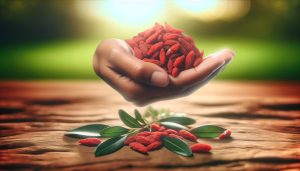
In today’s fast-paced world, many of us feel the effects of poor diet and accumulated toxins, resulting in fatigue and low energy. The “Detox Raw Food Diet: 21-Day Transformation Plan” offers a refreshing opportunity to reset your body and mind through nourishing, unprocessed foods. By focusing on raw fruits, vegetables, nuts, and seeds, this plan aims to eliminate toxins while providing essential nutrients your body craves. Whether you’re looking to shed some unwanted weight, boost your energy levels, or simply feel revitalized, this 21-day journey promises to rejuvenate your health. Join us as we explore how this transformational approach can align with your wellness goals and inspire lasting change in your lifestyle. Are you ready to discover the benefits of embracing a raw food diet?
Understanding the Detox Raw Food Diet
The Detox Raw Food Diet is a transformative approach to health that emphasizes consuming raw, unprocessed foods to promote natural detoxification. This diet is rooted in the belief that cooking can deactivate many essential nutrients and enzymes present in fresh fruits, vegetables, nuts, and seeds. By focusing on raw foods, proponents argue that the body receives more nutrients in their natural state, which can enhance the detoxification process and improve overall wellness.
Participants typically embark on a structured 21-day plan that gradually shifts their eating habits. The initial phase often involves eliminating processed foods, sugars, and animal products, allowing individuals to experience a significant reduction in toxins. This period can be challenging as it forces a conscious effort to adjust dietary preferences and habits. However, the benefits can be profound-many individuals report increased energy, improved digestion, and clearer skin.
To successfully embrace the Detox Raw Food Diet, it’s important to prepare adequately. Planning meals ahead of time, ensuring access to a variety of colorful fruits and vegetables, and incorporating healthy fats from sources like avocados or nuts can provide balanced nutrition while satisfying cravings. Seasonal produce can also inspire creativity in meal prep, making it easier to stick to the plan and discover new favorite recipes. Regularly consuming raw foods not only supports detoxification but encourages a lifelong commitment to healthier eating habits.
Remember, while this approach can bring about significant changes, it’s vital to consult with a healthcare professional before starting any strict diet, particularly if you have existing health conditions or specific dietary needs. Navigating the complexities of nutrition is an important journey, and professional guidance can help tailor a plan that is right for you.
Key Benefits of a 21-Day Transformation Plan

Transforming your diet for just 21 days can be a catalyst for remarkable health changes, particularly with a focus on raw, unprocessed foods. Engaging in a structured detox raw food diet allows individuals to enhance their vitality and experience an array of benefits that go beyond just physical appearance. Many people report increased energy levels, improved mental clarity, and a newfound sense of well-being as they eliminate processed foods, sugars, and unhealthy fats from their diets.
One of the key advantages of a 21-day transformation plan is the opportunity for detoxification. Our bodies are regularly exposed to environmental toxins and dietary impurities, and this structured approach can help flush out harmful substances. By consuming nutrient-rich raw foods, participants often notice improvements in digestion and a reduction in bloating, as whole foods are more easily processed by the body. Furthermore, the increased intake of fiber from fruits, vegetables, and nuts can aid in regular bowel movements, contributing to a healthier digestive system overall.
Additionally, setting a defined timeframe for transformation provides accountability and motivation. When participants commit to a specific period, it becomes easier to stay focused on their goals. The initial challenges of such a lifestyle change can be mitigated by planning meals and creating a supportive environment, which ultimately empowers individuals to sustain healthier habits beyond the three weeks. The psychological benefits of achieving a set objective can lead to increased self-confidence and a more positive relationship with food.
Moreover, as individuals discover a variety of delicious raw food recipes and meal ideas throughout this period, they are more likely to develop a sustainable approach to healthy eating. This experience not only enhances their culinary skills but can also inspire a lifelong appreciation for natural foods-ensuring that the benefits of the 21-day plan extend well into the future. In doing so, it cultivates a dietary pattern that emphasizes balance, nourishment, and mindfulness. Remember, before starting any new diet, it’s essential to consult with a healthcare professional to ensure it aligns with your individual health needs and circumstances.
Essential Foods for a Successful Detox

Engaging in a detox raw food diet can transform not just your body but also your mindset towards health and nutrition. As you embark on this 21-day journey, incorporating the right foods is crucial to ensure nutritional adequacy and maximize the detoxification process. A diet rich in raw, unprocessed foods helps your body eliminate toxins while providing essential nutrients, enabling a holistic improvement in your physical and mental well-being.
To kickstart your detox journey, focus on a variety of nutrient-dense foods that foster cleansing and rejuvenation within your body. Here are essential foods to incorporate:
- Leafy Greens: Spinach, kale, and Swiss chard are detox powerhouses packed with vitamins, minerals, and chlorophyll, which helps purify the blood and liver.
- Fruits: Berries, avocados, and apples not only provide natural sugars but also high fiber content and antioxidants to combat oxidative stress.
- Vegetables: Carrots, beets, and cucumbers are fantastic for hydration and digestive health, thanks to their high water content and fiber that promote bowel movements.
- Nuts and Seeds: Almonds, walnuts, chia seeds, and flaxseeds are great sources of healthy fats that support brain health and keep you feeling satisfied.
- Herbs and Spices: Incorporate raw herbs like parsley, cilantro, and ginger for their anti-inflammatory properties and digestive benefits.
When planning your meals, aim for a colorful plate filled with these items, as they provide a wide array of vitamins and minerals essential for detoxification. Consider consuming raw smoothies, salads, and vegetable dishes to maximize your nutrient intake while tasting delicious.
Remember, while embarking on a raw food detox diet can yield numerous benefits, it is crucial to consult a healthcare professional before making significant dietary changes. They can offer personalized advice based on your individual health needs, helping you navigate any potential challenges and ensuring a safe and effective detox experience. By choosing the right foods, you will not only support your body’s detoxification process but also cultivate a healthier relationship with food that lasts long after your 21-day transformation plan.
Meal Planning: Your Daily Raw Food Guide
Crafting a meal plan for your detox raw food journey can be both exciting and essential for achieving your health goals. By thoughtfully organizing your daily intake, you can maximize nutrient absorption while enjoying a variety of flavors and textures. Here’s a structured approach to meal planning that will set you up for success during the 21-day transformation.
To start, consider dividing your day into three main meals and two snacks. This not only helps maintain energy levels but also prevents feelings of deprivation that may lead to cravings. Incorporate a colorful array of fruits, vegetables, nuts, and seeds in each meal to ensure a wide spectrum of nutrients. Here’s a sample daily menu to inspire your planning:
Sample Daily Raw Food Meal Plan
| Meal | Food Ideas |
|---|---|
| Breakfast | Green smoothie (spinach, banana, almond milk, chia seeds) topped with berries |
| Morning Snack | Sliced cucumber and carrot sticks with hummus |
| Lunch | Rainbow salad (mixed greens, bell peppers, cherry tomatoes, avocados, and a lemon-tahini dressing) |
| Afternoon Snack | Fruit Salad (apples, kiwi, and pomegranate seeds) topped with mint |
| Dinner | Zucchini noodles with a raw marinara sauce (fresh tomatoes, basil, and garlic) plus a side of marinated kale |
Make sure to prepare your meals in advance to simplify your daily routine. Chopping veggies, blending smoothies, or soaking nuts can take time, but doing this in larger batches can streamline your meal prep. On Sundays, you might choose to wash and cut up a variety of fruits and vegetables for easy access during the week, ensuring you remain committed and enthusiastic about your new eating habits.
Lastly, hydration plays a crucial role in your detox process, so be sure to incorporate hydration into your meal planning. Aim to drink water infused with lemon, cucumbers, or mint throughout the day, augmenting your raw food intake and supporting your body’s natural detoxification mechanisms. As always, it is wise to consult with a healthcare professional before making significant dietary changes to tailor this approach to your unique health needs and goals. By following a well-structured meal plan, you can optimize your detox experience and nurture a healthier relationship with food.
Overcoming Challenges in Raw Food Dieting
Embarking on a raw food diet can be an exciting yet daunting adventure. While the benefits of consuming fresh, uncooked foods are numerous, many individuals encounter challenges that can derail their commitment. Understanding these common obstacles and implementing strategic solutions can empower you to stay on track during your 21-day transformation plan.
One major hurdle people often face is the initial adjustment to such a dramatic shift in their eating habits. Cravings for cooked foods can persist, leading to temptation and an urge to abandon the diet. To combat this, consider preparing your meals with a wide variety of flavors and textures that can satiate your cravings. For example, try making hearty raw dishes such as zucchini noodles with flavorful sauces or stuffed peppers filled with savory mixtures of nuts and spices. This not only keeps your taste buds engaged but also reinforces the idea that raw food can be just as satisfying as its cooked counterparts.
Social situations can also pose significant challenges. Dining out or attending gatherings often means being surrounded by tempting cooked foods that may trigger feelings of deprivation. To conquer this, plan ahead by eating a filling raw meal or snack before heading out, ensuring you’re less likely to splurge on undesirable options. You can also bring your own delicious raw dishes to share with others, demonstrating that a raw diet can be both delightful and appealing. Sharing your experiences with friends and family may foster support, making them more understanding of your dietary choices.
Lastly, it’s essential to address the question of sustainability. Some individuals find that maintaining a raw food diet long-term can be challenging, which can lead to feelings of disappointment. Acknowledge that a completely raw diet may not be suitable for everyone, and it’s perfectly acceptable to blend raw meals with cooked options after your initial detox phase. This flexible approach allows for continued enjoyment of the benefits of fresh foods while reintroducing diversity into your diet.
Remember, every transformation comes with its set of challenges, but by being proactive and flexible, you can overcome barriers and create a sustainable, enjoyable raw food lifestyle. Always consult with a healthcare professional if you have specific dietary needs or concerns to ensure your approach aligns well with your health goals.
Detox Recipes: Delicious and Nutritious Ideas

Embarking on a raw food diet can be a vibrant and flavorful journey, filled with colorful fruits, hearty vegetables, and nutritious nuts and seeds. One of the best ways to stay motivated and committed during your 21-day transformation is by incorporating delicious and nourishing recipes into your daily meals. Here are some enticing ideas that not only satisfy your palate but also support your detox goals.
Fresh and Flavorful Recipes
- Green Detox Smoothie: Start your day with a refreshing blend of spinach, kale, bananas, and a splash of coconut water. This nutrient-dense drink is packed with vitamins and minerals that invigorate your body and kick-start your metabolism.
- Zucchini Noodles with Avocado Pesto: Spiralize fresh zucchini for a low-carb alternative to pasta. Top it off with a creamy avocado pesto made from ripe avocados, basil, garlic, and lemon juice for a satisfying meal with healthy fats.
- Stuffed Bell Peppers: Hollow out bell peppers and fill them with a mixture of chopped tomatoes, cucumbers, olives, and herbs. This raw dish is not only visually appealing but also rich in antioxidants and fiber.
- Raw Energy Balls: Combine dates, nuts, cacao powder, and a pinch of sea salt in a food processor. Roll the mixture into bite-sized balls for a quick snack that fuels your energy levels without the crash.
Innovative Salad Combinations
A raw food diet provides the perfect opportunity to experiment with vibrant salads packed with diverse flavors and textures. Try mixing different greens, seeds, and dressings to keep your meals exciting:
- Citrus Salad: Combine arugula, grapefruit segments, avocado, and pumpkin seeds, drizzled with a zesty lemon vinaigrette for a fresh, tangy bite.
- Beetroot and Walnut Salad: Shred fresh beetroot and mix it with walnuts, apple slices, and a simple apple cider dressing, creating a colorful and nutrient-rich meal.
Satisfying Snacks and Treats
Curbing cravings is essential, especially during a detox. Here are a few quick snack ideas that are both satisfying and nutritious:
- Vegetable Crudité with Raw Hummus: Slice carrots, cucumbers, and bell peppers for dipping into a homemade raw hummus made from soaked chickpeas, tahini, and lemon juice.
- Chia Seed Pudding: Mix chia seeds with almond milk and a dash of vanilla extract. Let it sit overnight for a creamy and filling dessert that’s also high in omega-3 fatty acids.
Incorporating these delightful and nutritious recipes into your raw food diet not only makes the journey enjoyable but also reinforces your commitment to health and wellness. As always, listen to your body, and consult with a healthcare professional regarding any dietary changes, ensuring that your choices align with your individual health goals. Happy detoxing!
The Role of Hydration in Detoxification
Staying properly hydrated is crucial for anyone seeking to detoxify their body, and it plays an essential role in the effectiveness of a raw food diet. Water not only serves as the foundation for bodily functions but also aids in flushing out toxins and supporting metabolic processes. During a 21-day transformation plan, a focus on hydration can significantly enhance your detox experience, helping you feel revitalized and energetic as you nourish your body with wholesome raw foods.
To optimize detoxification, aim to drink plenty of water throughout the day. This includes low-sugar options such as herbal teas and infused waters, which can add flavor and variety without compromising your detox goals. Hydration supports kidney function, allowing these vital organs to filter out waste more efficiently. It also maintains optimal digestion, which is particularly important when consuming a raw food diet high in fiber. By drinking enough water, you can reduce potential digestive discomfort associated with increased fiber intake.
Incorporating hydrating foods into your raw food diet is another effective strategy. Many fruits and vegetables are over 90% water and provide essential nutrients alongside hydration. Consider including items like cucumbers, watermelon, oranges, and leafy greens in your daily meals to boost your fluid intake naturally. Here are some excellent water-rich choices you might want to include:
- Cucumbers: Refreshing and light, they are perfect for salads or as snacks.
- Watermelon: A hydrating treat and great for smoothies or dessert alternatives.
- Celery: Its natural crunch adds texture and hydration to salads.
- Leafy Greens: Spinach and kale provide both hydration and essential nutrients, making them perfect for smoothies or salads.
In summary, prioritizing hydration during your detox raw food journey not only aids in flushing out toxins but also enhances overall well-being. Listen to your body’s cues, and consult a healthcare professional if you have specific hydration needs or conditions that may affect fluid intake. By maintaining proper hydration, you set the stage for a successful and enjoyable detox experience.
Incorporating Exercise into Your Detox Journey
Engaging in regular physical activity can significantly enhance the benefits of a detox raw food diet, particularly during a focused 21-day transformation plan. Exercise not only aids in the detoxification process by promoting circulation and improving metabolic function, but it also helps to elevate mood through the release of endorphins, making the journey more enjoyable. Integrating movement into your daily routine can create a holistic approach to detoxification, pushing your body to effectively eliminate toxins while providing energy and boosting mental clarity.
Incorporating exercise doesn’t have to be overwhelming; even moderate activities can yield substantial benefits. Consider activities such as brisk walking, yoga, or cycling, which can gently stimulate the lymphatic system and enhance the body’s natural detox pathways. Aim for at least 30 minutes of physical activity most days of the week, adjusting intensity based on your comfort level and energy. Here are some activities you might try:
- Yoga: Excellent for both physical and mental detoxification, it helps in reducing stress and improving flexibility.
- Walking: A simple yet effective way to keep the body moving and stimulate blood flow.
- Strength Training: Build muscle while boosting metabolism; even bodyweight exercises can be beneficial.
- Dance: Fun and energetic, dancing is a joyful way to sweat and uplift your spirits.
Listen to your body and choose exercises that feel right for you during your detox journey. It’s also crucial to consult a healthcare professional before starting any new exercise regimen, especially if you have underlying health concerns or are unfamiliar with exercise routines. This ensures that your approach aligns with your personal health needs and detox goals. By harmonizing a raw food diet with regular exercise, you are setting a powerful foundation for improved health, vitality, and transformation.
Exploring Nutritional Supplements for Support
In the pursuit of a more vibrant health, many individuals embarking on a detox raw food diet also consider integrating nutritional supplements to bolster their efforts. While whole foods provide a wealth of nutrients, the right supplements can complement your dietary choices and support your body’s natural detoxification processes. Understanding which supplements can be beneficial can enhance your journey, especially during a dedicated 21-day transformation plan.
Probiotics are a powerhouse support option. These beneficial bacteria help maintain a balanced gut microbiome, crucial for digestion and overall health. When transitioning to a raw food diet, the dietary fiber increases significantly, which can impact your gut health. Incorporating a high-quality probiotic can assist in achieving digestive harmony and support your body in eliminating toxins effectively.
Another important category of supplements is antioxidants. These compounds, found in various forms such as vitamin C, vitamin E, and selenium, defend against oxidative stress that can arise from environmental toxins and metabolic processes. Adding an antioxidant supplement can be particularly beneficial during a detox, as it helps neutralize free radicals and supports liver function, a key organ in the detoxification process.
For those looking to enhance their detox experience, greens powders can also be an excellent addition to your routine. Packed with nutrients from leafy greens, spirulina, and chlorella, these powders can provide a concentrated source of vitamins and minerals, promoting overall health and energy levels. A simple way to incorporate greens powders is to mix them into smoothies or juices for a nutritious boost.
Lastly, remember to focus on omega-3 fatty acids from sources like flaxseed oil or algae supplements, particularly if you’re following a raw food diet low in these essential fats. Omega-3s support brain health, reduce inflammation, and can aid in maintaining a balanced mood-beneficial during the emotional shifts that can accompany dietary changes.
As you explore these supplementation options, always consult with a healthcare professional before incorporating new supplements into your routine. This ensures they align well with your health needs and goals. By thoughtfully integrating nutritional supplements, you can enhance your detox raw food experience, ultimately supporting a healthier and more balanced lifestyle.
Real Success Stories: Transformations and Testimonials
Embarking on a detox raw food diet can be transformative, and stories from those who have succeeded provide powerful motivation and insights. Many participants in a 21-day transformation plan report not only physical changes but also emotional and mental clarity after committing to a raw food diet. Real-life experiences reveal a common theme: embracing whole, unprocessed foods can ignite a profound change in one’s overall health and wellness.
Consider the journey of Sarah, a busy professional who felt lethargic and bloated most days. After completing a 21-day detox, she lost 10 pounds and reported having more energy and focus at work. Sarah highlights how incorporating a diverse array of vibrant fruits and vegetables made her meals not just nutritious, but enjoyable. Her success stemmed from meal prep, which she found essential in overcoming the challenges of sticking to her raw food plan.
Similarly, James, an avid fitness enthusiast, decided to try the detox diet to prepare for a marathon. He found that consuming raw foods increased his stamina and speed. His favorite recipes included energy-boosting smoothies packed with greens and berries. By the end of the 21 days, he felt lighter, more agile, and finished his marathon with a personal best time.
Taking the plunge into a raw food lifestyle can also foster a supportive community. Many individuals found strength in sharing their experiences online, swapping recipes, and encouraging each other to stay the course. When faced with temptations, this network provided accountability and inspiration, underscoring the importance of social support during dietary changes.
These success stories exemplify how a detox raw food diet can reshape lives in various ways, encouraging others to explore their health journey. As with any dietary change, it’s crucial to consult healthcare professionals to tailor an approach that meets individual needs, ensuring that personal goals and health conditions are considered. Harnessing the power of community, planning, and positive mindset plays an integral role in achieving sustainable health transformations.
Post-Detox: Maintaining Your Results Long-Term
Maintaining the results of a detox raw food diet requires intentionality and ongoing commitment. Many people notice significant physical and mental improvements post-detox, but the real challenge lies in sustaining these benefits over the long term. The key is to integrate the healthy habits learned during the detox into a balanced lifestyle that promotes not only well-being but also enjoyment of food.
To successfully uphold your post-detox results, consider implementing the following strategies:
- Gradual Transition: After completing the 21-day plan, slowly reintroduce cooked foods while prioritizing healthy options. Focus on whole grains, lean proteins, and healthy fats, ensuring they complement your vibrant raw foods.
- Meal Planning and Preparation: Continue the habit of meal prepping. Dedicate time each week to prepare raw snacks, smoothies, and salads to reduce the temptation of convenience foods that may not align with your goals.
- Community Engagement: Stay connected with the supportive community you may have built during your detox. Online forums, local meetups, or social media groups can provide ongoing encouragement, shared recipes, and advice to help you stay on track.
- Mindful Eating: Practice mindfulness by being present during meals. This can enhance your appreciation for food, support healthier choices, and help regulate portion sizes.
It’s also essential to stay informed and engaged with what works for you. Monitor your body’s responses, and be open to adjusting your diet as necessary. Consider incorporating nutrient-dense snacks like nuts, seeds, and dried fruits to maintain energy levels throughout your busy days. Additionally, always explore new raw recipes to keep your meals exciting and fulfilling.
Seeking professional guidance can provide customized support during your transition. Nutritionists and dietitians can help develop a balanced diet that incorporates the benefits of raw foods while also addressing any specific health concerns. Learning to listen to your body will empower you to make optimal choices that resonate with your wellness journey.
Lastly, remember to celebrate your progress, no matter how small. Setting realistic goals and acknowledging milestones can help solidify the positive changes in your lifestyle. By maintaining a focus on nutrition, community, and self-care, you can confidently navigate your post-detox journey and continue reaping the benefits of a healthier life.
Frequently Asked Questions About Raw Food Diets
Understanding the intricacies of a raw food diet can help ease concerns for those considering a detox journey. One common question is whether a raw food diet provides adequate nutrition. Many people wonder if they can meet their daily nutrient needs without cooking their food. The answer is yes! A well-planned raw food diet can be rich in vitamins, minerals, and enzymes. Focus on a variety of fruits, vegetables, nuts, seeds, and sprouts to ensure a broad spectrum of nutrients. For instance, leafy greens are a great source of iron and calcium, while nuts and seeds can provide essential fats and proteins.
Another frequent inquiry is about the sustainability of a raw food diet. Transitioning to a plant-based, raw eating plan might feel overwhelming at first, but with the right meal planning and preparation, it can become a sustainable lifestyle. Consider batch prepping raw snacks, smoothies, and salads to ease into this dietary change. This not only helps save time but also keeps you aligned with your detox goals, reducing the temptation to revert to processed foods.
Many individuals also express concern about the potential for boredom with a raw food diet. To combat this, explore a variety of recipes and flavor combinations. From zesty cauliflower rice dishes to satisfying raw desserts, there’s an abundance of delicious options that can keep your meals exciting. Engaging with online communities or local groups can provide additional inspiration and encouragement, allowing you to share experiences and discover new recipes.
Furthermore, it’s important to address the potential challenges of a raw food diet, such as digestive discomfort or cravings for cooked foods. Transition slowly to give your body time to adapt, and focus on hydrating adequately. Incorporating supportive foods like fermented vegetables can boost your gut health, making the detox experience more pleasant. As always, consulting with a healthcare professional or nutritionist before making significant dietary changes can provide tailored guidance, ensuring that your raw food journey aligns with your health goals.
Q&A
Q: What is a Detox Raw Food Diet and how does it work?
A: A Detox Raw Food Diet focuses on consuming unprocessed, raw fruits, vegetables, seeds, and nuts to detoxify the body. By avoiding cooked foods, you enhance nutrient absorption and facilitate natural detoxification through enzymes and fiber, promoting overall health and vitality.
Q: What are the typical results after a 21-day detox raw food plan?
A: After completing a 21-day detox raw food plan, participants often report improved energy levels, clearer skin, weight loss, and better digestion. These results stem from increased nutrient intake and elimination of processed foods, aiding bodily functions and promoting a healthier lifestyle.
Q: How can I prepare for a 21-day raw food detox?
A: Preparing for a 21-day raw food detox involves gradually eliminating processed foods, planning your meals, and stocking up on fresh produce. Consider familiarizing yourself with raw recipes and ensuring adequate hydration to ease the transition and enhance detox benefits.
Q: Are there any risks associated with a raw food detox diet?
A: While a raw food detox can provide benefits, risks include nutrient deficiencies if not properly planned and potential digestive issues from high fiber intake. It’s advisable to consult a healthcare professional before starting, especially for long-term adherence or pre-existing health conditions.
Q: How can I stay motivated during the 21-day detox raw food journey?
A: Staying motivated during a 21-day detox can be achieved by setting achievable goals, tracking your progress, and seeking support from friends or online communities. Experimenting with new recipes and incorporating variety in your meals can also keep the experience enjoyable and engaging.
Q: What foods should I prioritize during my raw food detox?
A: Focus on a variety of organic fruits, leafy greens, nuts, seeds, and sprouts. These foods provide essential vitamins, minerals, and antioxidants needed during a detox. Incorporating healthy fats like avocados and raw oils can also support nutrient absorption and satiety.
Q: How does hydration play a role in a raw food detox?
A: Hydration is crucial during a raw food detox, as water helps flush out toxins and aids digestion. Aim to drink plenty of water alongside hydrating fruits and vegetables, such as cucumbers and watermelon, to maintain optimal hydration and support detoxification processes.
Q: What can I do post-detox to maintain my results?
A: After detox, maintain results by gradually reintroducing cooked foods while prioritizing whole, unprocessed options. Continue eating mainly raw foods, stay active, and remain hydrated. Implementing a balanced meal plan can reinforce healthy habits and support long-term wellness.
In Retrospect
Congratulations on taking the first step toward rejuvenating your body with the “Detox Raw Food Diet: 21-Day Transformation Plan!” By embracing this nutritional reset, you’re not just cleansing your system; you’re energizing your life. Imagine feeling lighter, more vibrant, and equipped with the tools to maintain your newfound wellness. Ready to dive deeper? Explore our articles on the benefits of detoxification and ways to detox your body naturally to enhance your journey even further.
Now is the perfect time to commit to your health-don’t wait! Join our newsletter for ongoing tips and support, and consider joining our community of like-minded individuals who share your health goals. If you have questions or hesitations, feel free to comment below; we’re here to help! Empower yourself with knowledge and take control of your wellness journey today. Your body will thank you!