
Fever blisters, often mistaken for simple skin irritations, can be a source of discomfort and self-consciousness for many. Did you know that these pesky outbreaks are primarily caused by the herpes simplex virus and can suddenly appear during times of stress or illness? If you find yourself dealing with one, you’re not alone, and the good news is there are effective home remedies to help alleviate symptoms and speed up healing. In this article, we’ll explore various tips on how to treat fever blisters quickly and safely using natural methods. Understanding these strategies can empower you to tackle outbreaks head-on, bringing relief and restoring your confidence. So let’s dive into these practical solutions and get you back to feeling your best!
Tips for Recognizing Fever Blisters Quickly
Recognizing fever blisters quickly can make a significant difference in managing symptoms and speeding up recovery. These small, fluid-filled blisters often emerge on or around the lips, usually triggered by the herpes simplex virus (HSV-1) or sometimes HSV-2. Early detection is key for effective home treatment, as addressing them promptly can help reduce their duration and severity.
Typically, fever blisters begin with a tingling or burning sensation around the mouth, often occurring a day or two before the blisters appear. This prodromal stage is critical to identify. During this phase, you might notice itching, redness, or swelling in the affected area. Recognizing these early signs can prompt you to begin treatment sooner, potentially alleviating symptoms and minimizing breakout severity.
Once the blisters appear, they generally cluster together and may weep, crust over, and eventually heal within 7 to 10 days. To differentiate them from canker sores, which appear inside the mouth, remember that fever blisters are localized outside and are associated with the herpes virus. If you notice fluid-filled blisters or oozing lesions, you are likely dealing with fever blisters rather than canker sores. Keeping an eye on your symptoms and understanding the progression can guide you toward timely and effective home remedies.
By being proactive and aware of these signs, you can take steps early on to treat fever blisters more effectively and reduce their impact on your daily life. Remember, if symptoms persist or worsen, it is essential to consult a healthcare professional for further evaluation and personalized treatment options.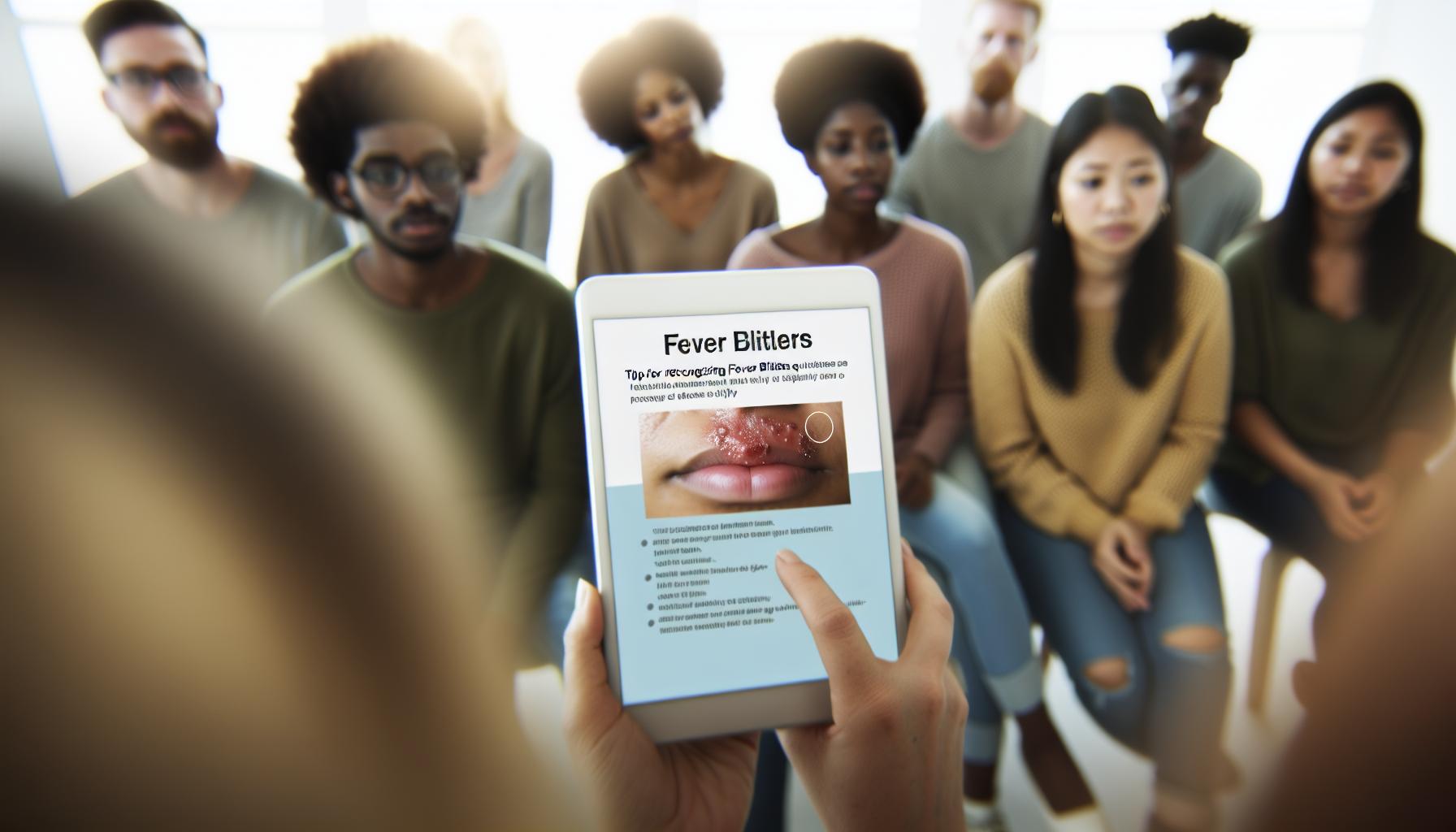
Understanding the Causes of Fever Blisters
Fever blisters, often referred to as cold sores, are a common viral skin condition caused primarily by the herpes simplex virus (HSV-1). Understanding the underlying causes of these blisters is crucial for effective treatment and prevention. The initial trigger is typically an infection with HSV-1, which establishes a dormant state in the body’s nerve ganglia once the initial episode has resolved. This means that once someone contracts the virus, it can reactivate due to various factors, leading to the recurrence of fever blisters.
Several factors can provoke this reactivation. Stress is a significant contributor, as it weakens the immune system, making the body more susceptible to viral outbreaks. Additionally, environmental changes, such as sudden temperature fluctuations, sun exposure, and even hormonal changes due to menstruation or illness, can lead to an outbreak. Other common triggers include fatigue, a weakened immune system, and even dental work or injury to the lips and mouth area.
Understanding these triggers can help individuals manage their symptoms effectively. For instance, if stress is a known trigger for you, implementing relaxation techniques such as yoga, meditation, or deep-breathing exercises may reduce that risk. Similarly, protecting your lips with sunscreen or a lip balm during outdoor activities can minimize sun-induced outbreaks.
By being aware of the causes and triggers of fever blisters, you can take proactive measures to reduce the likelihood of outbreaks. Should you experience frequent or particularly severe instances, consulting a healthcare professional can provide additional strategies tailored to your specific needs, empowering you to manage this common condition more effectively.
Home Remedies to Alleviate Pain Fast
When dealing with fever blisters, finding quick relief can significantly enhance comfort and improve your overall experience during an outbreak. Several at-home remedies can help alleviate pain and discomfort associated with these viral lesions. These remedies are easily accessible and can often be implemented with little hassle, making them ideal for those seeking immediate relief.
Ice and Cold Compress
One of the simplest and most effective methods to soothe the pain is through the application of cold. Using an ice pack or a cold compress can help numb the area, reducing swelling and inflammation. Wrap ice cubes in a clean cloth or use a gel ice pack, applying it to the affected area for about 15 to 20 minutes, several times a day. This not only provides instant relief but can also help minimize the duration of the blister.
Aloe Vera Gel
Renowned for its soothing properties, aloe vera gel can be a great ally in treating fever blisters. Its natural anti-inflammatory effects can help alleviate pain and promote healing. Simply apply pure aloe vera gel directly to the blister a few times daily. If you have an aloe plant, using the fresh gel extracted from the leaf can be even more beneficial.
Essential Oils
Certain essential oils, such as tea tree oil and peppermint oil, have antiviral and soothing characteristics. These oils can reduce pain and may help speed up the healing process. Dilute a drop or two of essential oil in a carrier oil, such as coconut or jojoba oil, and apply it gently to the blister. However, conduct a patch test first to ensure your skin doesn’t react adversely.
L-lysine Supplements
L-lysine, an amino acid, has been shown to help reduce the frequency and severity of outbreaks when taken as a supplement. This remedy should ideally be discussed with a healthcare provider, especially if you’re considering long-term use. Including foods rich in L-lysine, such as fish, chicken, and legumes, can also contribute to overall management of the condition.
Remember, while these home remedies can provide relief, they are not a substitute for professional medical advice. If fever blisters persist, worsen, or recur frequently, it’s important to consult with a healthcare professional for personalized treatment options.
Effective Over-the-Counter Treatments for Fever Blisters
One of the most effective strategies for managing fever blisters quickly and efficiently is the use of over-the-counter (OTC) treatments that specifically target the herpes simplex virus. These products not only offer pain relief but also work to shorten the duration of outbreaks, making them an invaluable addition to your fever blister arsenal. Knowing which treatments to choose can empower you to take control of your symptoms and get back to your daily activities with minimal disruption.
Topical creams and ointments containing antiviral medications, such as docosanol (found in Abreva), are designed to be applied directly on the affected area. These treatments work best when applied at the first sign of an outbreak, such as tingling or itching, as they can reduce the duration and severity of the blister if used early. Simply apply a small amount to the blister 5 times a day until it heals.
In addition to antiviral creams, pain-relieving gels or patches containing ingredients like lidocaine can offer immediate relief from discomfort. These products numb the area and help manage pain associated with eruptions. They are typically easy to use and can be applied as needed throughout the day, allowing for more comfort while the blister heals.
For those who prefer a more holistic approach, OTC supplements such as L-lysine are available. Studies suggest that L-lysine may help reduce the frequency and severity of outbreaks. While it may take longer to see results compared to topical treatments, incorporating these supplements into your daily regimen could be beneficial for long-term management. Always discuss starting new supplements with your healthcare provider to ensure they align with your overall health strategy.
Ultimately, while over-the-counter options are readily available and effective for many, it’s essential to consult with a healthcare professional for personalized recommendations and to explore other underlying issues that may aggravate your condition. With the right approach, you can effectively reduce the impact of fever blisters on your life.
Natural Remedies That Help Speed Healing
While fever blisters can be bothersome and painful, several natural remedies can aid in speeding up the healing process. These options not only aim to soothe the symptoms but also support your body’s immune response against the herpes simplex virus causing these outbreaks.
One popular and effective remedy is the application of aloe vera gel directly to the affected area. Known for its anti-inflammatory and cooling properties, aloe vera can provide relief from the pain and discomfort associated with fever blisters. Additionally, it helps to keep the area moisturized, which can reduce healing time. Simply apply pure aloe vera gel to the blister several times a day for optimum effectiveness.
Another natural option is tea tree oil, which possesses antiviral properties. Diluting a few drops of tea tree oil with a carrier oil, such as coconut oil, can create a soothing topical treatment. Apply this mixture to the blister to help reduce inflammation and possibly shorten the duration of the outbreak. However, it is crucial to perform a patch test first to ensure your skin does not react adversely to the oil.
Incorporating L-lysine supplements into your routine has shown promise in reducing the frequency and severity of fever blister outbreaks. This essential amino acid can help suppress the replication of the herpes virus. Consuming foods rich in L-lysine, such as dairy products and legumes, or taking supplements may provide additional support for your immune system.
Furthermore, maintaining good hydration is essential in the healing process. Drinking plenty of water helps to keep your body hydrated and supports overall health, which can be beneficial while managing fever blisters. Herbal teas, especially those containing echinacea or lemon balm, may also provide immune support.
Remember, while these natural remedies can provide relief and potentially accelerate healing, individual responses may vary. Always consider consulting with a healthcare professional before starting any new treatment regimen, especially if you have underlying health conditions or are taking other medications. Embracing a holistic approach to managing fever blisters not only empowers you but also promotes a healthier lifestyle overall.
How to Prevent Fever Blisters from Recurring
Maintaining wellness and minimizing the recurrence of fever blisters requires a proactive approach rooted in lifestyle changes and effective self-care. Approximately 90% of adults carry the herpes simplex virus (HSV-1), which can lead to these outbreaks at different times. Understanding how to manage triggers can significantly decrease the likelihood of future episodes.
One of the most effective strategies is to identify and avoid personal triggers. Common triggers include excessive sun exposure, stress, fatigue, hormonal changes, or even certain foods. Keeping a journal to track flare-ups can help you pinpoint specific triggers unique to your physiology, allowing you to modify your habits accordingly. For instance, if sun exposure seems to lead to a breakout, applying a high-SPF sunscreen on vulnerable areas can help protect your skin.
In addition to environmental controls, boosting your immune system through healthy nutrition is essential. Foods rich in vitamins, particularly those high in vitamin C (like oranges and strawberries), and foods containing L-lysine (found in dairy, fish, and legumes) can strengthen your body’s defenses against the virus. Supplementing with L-lysine, either through diet or supplements, may further help in reducing the frequency and severity of outbreaks.
Stress management techniques, such as regular exercise, yoga, and mindfulness meditation, also play a crucial role. Reducing stress not only benefits your mental health but can also help regulate your body’s immune response, making you less susceptible to recurrent outbreaks. Engaging in consistent physical activity, getting adequate sleep, and practicing relaxation techniques can greatly enhance your overall well-being and immunity.
Finally, consider establishing a consistent skin care routine. Keeping your skin hydrated and moisturized prevents irritation that could trigger an outbreak. Additionally, avoiding harsh chemical products can further protect your skin. It’s essential to consult with a healthcare professional to tailor a preventive strategy suited to your specific needs, ensuring a holistic approach to managing fever blisters effectively.
The Role of Nutrition in Healing Fever Blisters
Nutrition plays a pivotal role in the healing process of fever blisters, also known as cold sores, which are caused by the herpes simplex virus (HSV-1). While the body’s immune response is crucial in combating outbreaks, the food you consume can directly influence this response and overall skin health. Incorporating specific vitamins and nutrients can help accelerate recovery and reduce the frequency of future outbreaks.
Foods rich in L-lysine, an amino acid that may help inhibit the growth of the virus, are particularly beneficial during an outbreak. Foods such as dairy products (like yogurt and cheese), meat, and fish are excellent sources of L-lysine. For those who might be prone to cold sores, including these foods in your diet can provide supportive benefits. On the other hand, it’s wise to limit or avoid foods high in arginine, another amino acid that can promote the growth of the virus. This includes foods like nuts, chocolate, and some whole grains. By balancing your intake of these amino acids, you can help create an environment less conducive to HSV-1 activity.
In addition to amino acids, essential vitamins also contribute significantly to healing. Vitamin C, found abundantly in citrus fruits, strawberries, and leafy greens, supports the immune system and promotes skin health. Meanwhile, zinc is vital for skin repair and immune function, and can be obtained from sources like meat, shellfish, legumes, and seeds. Vitamin D also plays a critical role in immune regulation. Foods rich in vitamin D include fortified dairy products, fatty fish, and egg yolks, making them valuable additions to your diet during healing.
Lastly, hydration cannot be overlooked. Drinking plenty of water supports your skin’s health and overall healing process. Staying hydrated helps your body efficiently flush out toxins and can aid in maintaining skin moisture, which is helpful during outbreaks. Consider integrating herbal teas and hydrating fruits like cucumbers and watermelon into your routine for added benefits.
By focusing on a nutrient-dense diet and being mindful of the foods consumed, you can enhance your body’s ability to heal fever blisters while supporting your overall well-being. Always consult healthcare professionals for personalized dietary guidance tailored to your specific situation, ensuring the best outcomes for your health.
When to Seek Medical Attention for Fever Blisters
When dealing with fever blisters, also known as cold sores, it’s crucial to recognize signs that may require medical attention. While most cases can be managed at home, there are specific circumstances where professional help is necessary. One critical indicator is if the fever blister persists for more than two weeks without improvement. Additionally, if you experience severe pain, a high fever, or if the blister spreads to other areas of the face, it’s essential to consult a healthcare provider.
Another key factor to consider is the frequency of outbreaks. If you find that your fever blisters are recurring more often than usual, it might signal an underlying issue with your immune system or trigger factors that need to be addressed. Consulting a medical professional may provide insights into effective antiviral treatments or preventive measures tailored to your situation. Moreover, if you notice that sores are particularly large or bothersome, getting a professional opinion can help determine the best course of action.
It’s also important to seek help if you have a weakened immune system, such as from conditions like HIV/AIDS or if you are undergoing chemotherapy. In these cases, even a simple fever blister can lead to more serious complications. Lastly, if any signs of infection appear, such as increased redness, pus, or swelling around the blister, it’s time to consult a doctor. Taking prompt action not only alleviates discomfort but also helps to prevent potential complications associated with fever blisters.
By understanding when to seek professional advice, you can navigate the management of fever blisters more effectively and ensure the best care for your health. Always remember, while home remedies can alleviate symptoms, they may not substitute for medical intervention when needed.
FAQs About Fever Blisters and Treatment Options
Fever blisters, often known as cold sores, are a common yet frustrating concern for many. These small, fluid-filled blisters usually appear on or around the lips and can be painful, uncomfortable, and contagious. Understanding some frequently asked questions about these outbreaks can empower you to manage them more effectively at home.
One common question is, “What causes fever blisters to appear?” The primary culprit is the herpes simplex virus (HSV), which remains dormant in your body and can reactivate due to various triggers such as stress, illness, sun exposure, or hormonal changes. Another frequent inquiry pertains to the duration of these blisters. Typically, a fever blister lasts about 7 to 10 days, but early intervention can shorten this duration significantly. Utilizing treatments at the first sign of an outbreak-often burning or tingling sensations-can help control the severity and speed up healing.
When it comes to treatment options, many people wonder whether over-the-counter (OTC) remedies are effective. Creams containing docosanol and benzyl alcohol are popular OTC choices that can reduce symptoms and promote healing. Additionally, antiviral medications, which may require a prescription, can be highly effective, especially if taken at the onset of symptoms. Some individuals also seek home remedies, such as applying aloe vera, lemon balm, or ice, to alleviate discomfort and speed up recovery.
High on the list of FAQs is whether fever blisters are contagious. The answer is a resounding yes; they can be spread through direct contact, such as kissing or sharing utensils. Practicing good hygiene, such as washing hands frequently and avoiding touching the blisters, is essential to prevent transmission, particularly during outbreaks.
In conclusion, educating yourself about fever blisters will enable you to manage them more proactively. While home treatments and OTC options can provide relief, seeking medical advice for persistent or severe cases is always advisable to ensure appropriate care.
Tips for Managing Stress to Reduce Breakouts
Managing stress effectively can be a game-changer in preventing fever blisters. Stress is a well-known trigger for outbreaks of the herpes simplex virus, which causes these uncomfortable blisters. By implementing stress-reduction strategies, you can enhance your overall emotional well-being and potentially reduce the frequency and severity of fever blister outbreaks.
To start, consider incorporating regular physical activity into your routine. Exercise is a proven stress reliever that promotes the release of endorphins, the body’s natural mood elevators. Even a daily walk or yoga session can significantly improve your mental health and aid in relaxation. Meditation and breathing exercises are also effective methods for lowering stress levels. Techniques such as mindfulness meditation can help you stay grounded and better manage your emotional reactions, ultimately decreasing your risk of an outbreak.
Social support plays a crucial role in stress management as well. Connecting with friends or family members can provide emotional support and practical insights on handling stress. Engaging in hobbies or activities you enjoy can also serve as a fantastic distraction from stressors. Additionally, allowing yourself to indulge in some self-care, such as a warm bath or reading a book, can provide the necessary break from daily pressures.
Lastly, prioritize adequate sleep and a balanced diet, as both are essential for maintaining a healthy immune system. Lack of sleep can increase stress levels and lead to a higher risk of fever blister outbreaks. By creating a restful sleep environment and establishing good sleep habits, you can improve your quality of rest. Complement this with a diet rich in fruits, vegetables, whole grains, and lean proteins to support your body’s healing processes and immune function.
Incorporating these strategies not only aids in stress reduction but may also empower you to manage fever blisters more effectively. If you find that stress continues to affect your health, consider consulting a healthcare professional for additional support and resources tailored to your needs.
The Importance of Hydration During Healing
Maintaining proper hydration is essential when dealing with fever blisters, as it plays a vital role in your body’s healing process. The herpes simplex virus, which causes these blisters, can lead to discomfort and pain that may hinder your ability to consume food and fluids adequately. When the body is dehydrated, the healing process can be slowed down, which can prolong the duration of a fever blister outbreak.
Drinking plenty of fluids not only helps keep your body hydrated but also aids in delivering nutrients to cells that are fighting the virus. Here are some effective hydration tips to support your healing:
- Water: Aim to drink at least eight glasses of water a day. Staying hydrated helps keep the mucous membranes moist, reducing pain and discomfort.
- Herbal teas: Chamomile or peppermint tea can provide both hydration and calming effects. These teas may also have anti-inflammatory properties that can relieve discomfort.
- Broths and soups: Warm broths can be soothing to consume and can significantly contribute to your fluid intake.
- Electrolyte drinks: Consider consuming electrolyte drinks, especially if you have difficulty eating. These can help maintain your body’s electrolyte balance while ensuring hydration.
Remember, not only is hydration important for healing fever blisters, but it also supports your immune system overall. It’s crucial to listen to your body; if drinking fluids becomes painful, try consuming them at a cooler temperature or opt for soft foods to ease discomfort and encourage intake. Consider talking with a healthcare professional to discuss your specific hydration needs, especially if you experience severe symptoms or prolonged outbreaks.
FAQ
Q: What is the quickest way to treat a fever blister at home?
A: The quickest way to treat a fever blister at home is to apply a cold compress to reduce swelling and alleviate pain. Over-the-counter creams containing docosanol can also help speed healing when used at the first sign of an outbreak.
Q: How can I relieve fever blister pain naturally?
A: To relieve fever blister pain naturally, try applying aloe vera gel or lemon balm extract, both known for their soothing and healing properties. Additionally, using peppermint oil may provide a cooling effect and reduce discomfort.
Q: Are there foods that can help heal fever blisters faster?
A: Yes, foods rich in lysine, such as yogurt, fish, and legumes, may help heal fever blisters faster. Incorporating these into your diet while avoiding arginine-rich foods like nuts can promote healing.
Q: What should I avoid while treating a fever blister?
A: While treating a fever blister, avoid touching the sore, as this can worsen the condition or spread the virus. Additionally, steer clear of acidic foods and beverages that may irritate the blister.
Q: How often should I apply treatment to a fever blister?
A: For effective treatment, apply topical creams or natural remedies to the fever blister five times a day, especially at the first sign of symptoms. Consistent application can expedite healing.
Q: Can stress worsen fever blisters, and how can I manage it?
A: Yes, stress can trigger or worsen fever blisters. To manage stress, consider relaxation techniques like deep breathing, yoga, or meditation, which can help reduce breakouts.
Q: How can I tell if a fever blister is getting infected?
A: If a fever blister becomes increasingly painful, swollen, or shows signs of pus or a yellow crust, it may be infected. In this case, consult a healthcare professional for appropriate treatment.
Q: Is it safe to use makeup over a fever blister?
A: It is not advisable to use makeup over a fever blister, as this can irritate the area and increase the risk of infection. Allow the blister to heal before applying makeup to the affected area.
Insights and Conclusions
Thank you for exploring our essential tips on how to treat fever blisters fast at home. Remember, effective management can make a significant difference in your healing process. If you’re looking for additional strategies, check out our articles on natural remedies and wellness practices that support skin health. Don’t forget to subscribe to our newsletter for the latest updates and exclusive content on managing health issues effectively.
If you have further questions or experiences to share, we invite you to leave a comment below. Engaging with our community can provide additional insights and support. Take care of your well-being, and remember that consulting with a healthcare professional for personalized advice is always a wise step. Your health matters-stay informed and empowered!