If your furry friend can’t stop sneezing, you’re likely feeling concerned and maybe a bit perplexed. Sneezing in dogs can arise from a variety of causes, ranging from harmless irritants like dust and pollen to more serious health issues. Understanding why your dog is sneezing is essential not just for their comfort, but also for your peace of mind as a responsible pet owner. In this article, we’ll explore the common triggers behind excessive sneezing, providing you with valuable insights and quick solutions to help manage this issue effectively. Stay with us to discover how you can ensure your pup returns to their happy, sneeze-free self!
Understanding Why Your Dog is Sneezing
can reveal much about their health and well-being. While sneezing is a common behavior in dogs, it can stem from various causes, ranging from benign to more serious concerns. Dogs are particularly sensitive to their environment, which means their sneezes can often be triggered by something as simple as dust or pollen. However, a single sneeze here and there is usually not a cause for alarm; it’s when the sneezing becomes frequent that you should take a closer look.
One major reason for sneezing is allergies. Just like humans, dogs can be allergic to a multitude of substances in their environments. Common allergens include pollen from trees, grasses, and weeds, as well as dust mites, mold, and certain cleaning products. If your dog starts sneezing more during certain seasons, it might be linked to seasonal allergies, often referred to as hay fever in humans. Additionally, foreign materials such as foxtails or small debris can get lodged in a dog’s nasal passages, triggering a sneeze reflex as the body attempts to expel them.
In some instances, sneezing can signify underlying medical issues. Infections, whether viral or bacterial, can lead to nasal inflammation and subsequent sneezing. Moreover, more serious conditions such as nasal tumors or nasal mites can also be contributors. Keeping an eye on your dog’s sneezing frequency and observing any accompanying symptoms is crucial-this will help you to discern whether a trip to the vet is needed.
Ultimately, while occasional sneezing may simply be a normal response to environmental irritants, understanding the context and frequency can provide valuable insights into your dog’s health. If the sneezing persists beyond a few days or is associated with other symptoms like nasal discharge, coughing, or loss of appetite, it’s best to consult a veterinarian for further guidance.
Common Allergens That Affect Dogs
Many dog owners are often surprised to learn that their furry companions can suffer from allergies, much like humans do. These allergies can trigger sneezing and other respiratory issues, leading to discomfort for our pets. Understanding the can help owners take proactive steps to mitigate their effects and keep their dogs healthy and happy.
One prevalent source of allergens for dogs is pollen, which can vary with the seasons. Grass, tree, and weed pollen are all irritants that can lead to sneezing, particularly in spring and fall. Dust mites are another frequent culprit; these minuscule creatures thrive in homes, especially in bedding and carpets, where they can exacerbate a dog’s allergic reactions. Mold, often found in damp environments, can also trigger sneezing spells, as can certain household cleaning products or fragrances that may irritate your dog’s sensitive nasal passages.
In addition to these airborne allergens, food sensitivities can also lead to respiratory symptoms. Some dogs may be allergic to specific proteins or ingredients found in their food, which can result in sneezing and other symptoms. Additionally, foreign objects such as foxtails, small pieces of grass, or other debris can dislodge in your dog’s nasal passages and lead to sneezing as their body tries to expel these irritants.
Recognizing these common allergens can empower dog owners to limit their pets’ exposure, whether by keeping windows closed during high pollen days or regularly cleaning and vacuuming their homes. It’s vital to observe your dog’s sneezing patterns and consider environmental changes when addressing allergy triggers. If sneezing persists or is coupled with other concerning symptoms, consulting with a veterinarian is essential for accurate diagnosis and treatment. Taking preventive measures and being informed about your dog’s allergens can lead to a happier, sneeze-free life for your beloved pet.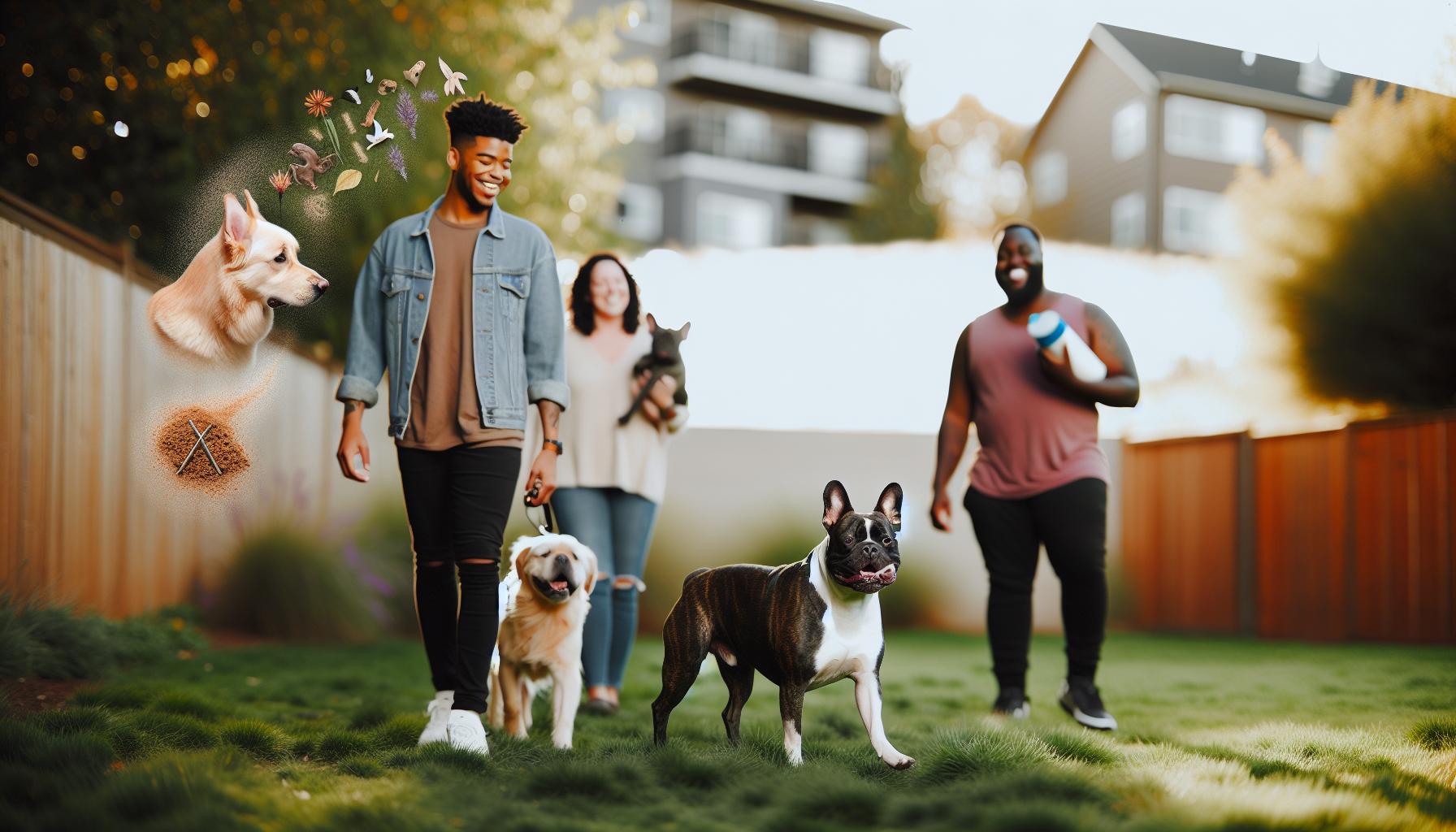
When Sneezing Becomes a Concern
Excessive sneezing in dogs can sometimes signal a more serious underlying issue beyond mere irritants or allergies. While sneezing is a natural reflex to expel irritants, when it becomes frequent or persistent, it warrants concern. Dog owners should be vigilant; a sudden increase in sneezing could indicate nasal infections, foreign bodies lodged in the nasal passage, or even more severe conditions such as nasal tumors. Recognizing when sneezing escalates from a minor annoyance to a legitimate health concern is crucial for the well-being of your furry friend.
If your dog is sneezing excessively or showing signs of respiratory distress-such as difficulty breathing, nasal discharge, or any changes in behavior or appetite-it’s essential to consult with a veterinarian promptly. Conditions like canine influenza or kennel cough can manifest with sneezing and may require medical attention. Additionally, if sneezing is accompanied by blood or a foul odor, these are red flags that necessitate immediate veterinary evaluation.
In order to track your dog’s symptoms effectively, consider maintaining a log of their sneezing patterns and any accompanying signs. This record can provide valuable information to your veterinarian, helping them diagnose the problem more accurately. Always trust your instincts as a pet owner; if something feels off about your dog’s health, seeking professional advice is the best course of action. Being proactive can significantly improve the outcome for respiratory or allergy-related issues.
Identifying Other Symptoms to Watch For
It may surprise you to know that a dog’s sneeze can be a complex indicator of its overall health, going beyond the simple expulsion of irritants. When your dog is sneezing frequently, it’s critical to be observant of additional symptoms that may point to an underlying health issue. While allergies are a common cause, a comprehensive understanding of your dog’s well-being involves tracking various signs and behaviors that accompany the sneezing.
Start by observing whether your dog shows any signs of *respiratory distress*, which can include labored breathing, wheezing, or coughing. It’s essential to monitor for *nasal discharge*-is it clear or colored? A change to green or yellow can hint at an infection. Additionally, be mindful of any *behavioral changes* such as increased lethargy, a lack of appetite, or difficulty engaging in normal activities. These could suggest that your dog is not just facing an annoyance but may require veterinary attention.
Other symptoms to keep track of include *eye or skin irritations*. If your dog’s sneezing is accompanied by watery eyes, redness, or rashes, it could reinforce the allergy hypothesis. Moreover, always check if your dog has developed *foul-smelling breath or a noticeable odor* coming from the nasal passages, as these can be serious warning signals indicating possible infections or obstructions.
Here’s a quick checklist of symptoms to watch for alongside sneezing:
- Respiratory issues: Labored breathing, wheezing, coughing
- Nasal discharge: Clear, yellow, or green
- Behavioral changes: Lethargy, decreased appetite
- Eye or skin irritations: Redness, itching, swelling
- Foul odors: From breath or nasal passages
Being attentive to these symptoms not only helps you respond appropriately but also equips your veterinarian with crucial information during consultations. By maintaining a record of your observations, you can facilitate effective diagnosis and management strategies to support your dog’s health journey. Always trust your instincts-early detection and intervention are key!
Home Remedies to Help Your Sneezing Dog
It can be concerning when your furry friend can’t seem to stop sneezing, but before reaching for a veterinary appointment, there are several home remedies you might want to try to alleviate their discomfort. Integrating natural solutions into your dog’s routine can often provide relief from irritants or allergens causing the sneezing, helping them breathe easier and feel more comfortable.
One highly effective home remedy is utilizing a humidifier or vaporizer. These devices add moisture to the air and can soothe your dog’s nasal passages, particularly if the sneezing is due to dry air or seasonal allergens. Placing the humidifier in the room where your dog spends most of their time may reduce irritation and improve their overall comfort. Additionally, consider making a warm steam room by running a hot shower while your dog enjoys the steam-it can help clear up nasal congestion.
Regularly cleaning your home also plays a crucial role in managing your dog’s sneezing. This includes vacuuming and dusting to eliminate allergens such as dust mites, pet dander, and pollen. Even washing your dog’s bedding in hot water can mitigate irritants. For outdoor allergens, wiping your dog’s paws and fur after walks can prevent them from bringing in allergens from outside.
Diet can significantly impact your dog’s immune system and overall health. Adding omega-3 fatty acids, found in fish oil, to their diet can reduce inflammation and support respiratory health. Introduce this supplement gradually, and always consult your veterinarian for the right dosage based on your dog’s size and health status.
Lastly, be mindful of your dog’s allergy triggers. If you suspect certain foods or environmental factors are the cause, maintaining a clean living environment and avoiding exposure to known allergens can greatly help. Observing your dog closely and making adjustments to their routine can lead to noticeable improvements in their sneezing.
While trying these home remedies, keep in mind the importance of professional veterinary guidance for persistent or severe symptoms, as these can indicate underlying health issues that need medical attention.
Vet-Recommended Treatments for Persistent Sneezing
Persistent sneezing in dogs can indicate underlying health issues that require professional intervention. It’s essential to consult a veterinarian if home remedies aren’t effective. Vets often recommend various treatments based on the cause of the sneezing, ensuring tailored solutions for your furry friend.
One common treatment involves the use of antihistamines for dogs suffering from allergies. Drugs such as cetirizine or diphenhydramine can help alleviate symptoms associated with allergic reactions, though it’s crucial to administer these under veterinary guidance to ensure the correct dosage and to avoid contraindications with your dog’s health condition or other medications.
In cases where a respiratory infection or nasal condition is diagnosed, your vet may prescribe antibiotics or other medications. Corticosteroids might also be suggested to reduce inflammation in the nasal passages, helping to relieve sneezing due to swelling or irritation. Always follow your vet’s instructions regarding the duration and dosage of these medications to ensure your dog’s safety.
Additionally, regular check-ups and thorough examinations are key to identifying any underlying issues that might not be immediately visible. Your vet may recommend diagnostic tests like blood work or X-rays to rule out more serious concerns, such as nasal tumors or foreign bodies causing irritation. By staying connected with your veterinary professional, you can ensure that your dog receives the most effective treatments for their persistent sneezing, fostering a healthier and more comfortable life for your beloved pet.
Seasonal Tips for Managing Dog Allergies
Managing your dog’s allergies during the changing seasons is crucial for their well-being and comfort. As seasons shift, various allergens such as pollen, mold, and dust can become prevalent, irritating your dog’s sensitive system and leading to symptoms such as sneezing, itchy skin, and watery eyes. Being proactive and informed can significantly lessen the impact of seasonal allergens on your furry friend.
One effective approach to managing seasonal allergies is to establish a regular grooming routine. Frequent brushing not only helps remove loose fur and dander but also minimizes exposure to pollen that may cling to your dog’s coat during outdoor activities. After walks, consider wiping down your pet with a damp cloth to remove any allergens they may have picked up. Additionally, bathing your dog with a hypoallergenic shampoo can help alleviate discomfort and clear away irritants from their skin and fur.
Providing a clean indoor environment is equally crucial. Regular vacuuming with a HEPA filter can help reduce dust mites and other allergens that may accumulate in your home. It may also be beneficial to use an air purifier to improve air quality, particularly in rooms where your dog spends a lot of time. Keep windows closed during high pollen days and use air conditioning to maintain a comfortable temperature while filtering out outdoor allergens.
Lastly, consult your veterinarian about seasonal allergy management plans, which may include antihistamines or other medications to help control symptoms. They can guide you on the best preventive measures tailored for your dog’s specific needs. By being attentive to these seasonal changes and implementing a proactive strategy, you can ensure your dog remains comfortable and sneeze-free year-round.
Preventative Measures for a Healthy Dog
Maintaining your dog’s health through proactive measures is essential in minimizing sneezing and related symptoms caused by seasonal allergies. Did you know that certain lifestyle changes and environmental adjustments can significantly reduce the triggers that lead to sneezing? By implementing a few simple strategies, you can create a more comfortable living space for your furry friend and help them thrive through allergy season.
Grooming and Hygiene
Establishing a consistent grooming routine is key to keeping allergy symptoms at bay. Regular brushing not only removes loose fur and dander but also helps minimize pollen exposure by preventing it from clinging to your dog’s coat. After outdoor activities, wipe down your dog’s paws and body with a damp cloth to eliminate pollen and dust. Consider bathing your dog with a hypoallergenic shampoo to further soothe their skin and remove any allergens that have settled on their fur.
Environmental Control
Your home environment plays a significant role in your pet’s health. Regular vacuuming with a HEPA filter is effective for reducing dust mites, mold spores, and other allergens in your living space. Enhance the air quality in your home by using air purifiers, especially in areas where your dog spends the most time. Keeping windows closed on high pollen days and relying on air conditioning can help regulate indoor temperatures while filtering out outdoor irritants.
Nutrition and Supplements
A balanced diet contributes to a strong immune system, which can help mitigate allergic reactions. Consult your veterinarian about nutritional supplements that may help your dog build resilience against allergens, such as omega-3 fatty acids or probiotics. These can support overall health and improve skin condition, further aiding in allergy management.
By actively engaging in these preventative measures, you can significantly improve your dog’s quality of life and reduce the frequency of sneezing episodes. Remember that while these strategies can be highly effective, each dog is unique, and it’s always wise to consult with a veterinarian for tailored advice on managing allergies specific to your pet’s needs.
Understanding Dog Sneezing vs. Other Health Issues
Understanding why your dog is sneezing can be crucial for distinguishing between harmless reactions and potential health concerns. While occasional sneezing may simply be a response to environmental irritants or allergens, persistent sneezing could be indicative of underlying conditions that require attention. For example, seasonal allergies are common, but if sneezing is accompanied by nasal discharge, coughing, or a change in appetite, it’s essential to consider other possible health issues.
Dogs may also sneeze due to irritants like dust, pollen, or smoke, which are often temporary and resolve once the dog is removed from the source. However, more serious conditions can mimic sneezing, such as nasal tumors or infections. If your dog displays a combination of symptoms such as difficulty breathing, nasal bleeding, or abnormal behavior, it’s vital to consult a veterinarian promptly. The ability to differentiate between simple allergies and more serious ailments is key to ensuring your dog’s health and well-being.
In summary, while sneezing can often be benign, being observant about your dog’s other symptoms is critical. Consider keeping a health diary to track sneezing episodes, alongside any other unusual behaviors or symptoms. This log can be extremely helpful for your veterinarian to determine the cause of the sneezing and to outline an appropriate course of action. Always remember that timely veterinary intervention can lead to the best outcomes for your furry companion.
When to Seek Emergency Veterinary Care
It’s crucial to recognize when your dog’s sneezing escalates beyond the benign into a situation requiring immediate veterinary attention. While occasional sneezing may be related to environmental allergens or minor irritations, persistent or excessive sneezing can signal underlying health concerns that need addressing. For instance, if your dog has been sneezing frequently for an extended period, especially if paired with other symptoms, it’s essential to act promptly.
Seek emergency veterinary care if your dog exhibits any of the following concerning signs:
- Severe difficulty breathing: This could indicate a serious respiratory issue, such as an airway obstruction or severe allergic reaction.
- Nasal bleeding: Bleeding from the nose can stem from a range of issues, including trauma, infections, or tumors.
- Persistent coughing: If your dog starts coughing in addition to sneezing, particularly with wheezing or gagging, it could indicate a respiratory infection or other serious issues.
- Foul odor from the nose or mouth: A bad smell can suggest the presence of an infection or foreign body lodged within.
- Changes in behavior: If your dog becomes lethargic, disoriented, or unusually anxious, these changes warrant immediate veterinary assessment.
In addition to these symptoms, it’s important to be mindful of time-sensitive factors such as the breed and age of your dog. Certain breeds, especially brachycephalic dogs (like Bulldogs and Pugs), are more prone to respiratory issues. Older dogs or those with pre-existing health conditions may require immediate consultation faster. Always remember that an early checkup can be essential for better treatment outcomes.
It’s always better to err on the side of caution; if you’re unsure about your dog’s health, don’t hesitate to reach out to a veterinary professional. They can provide the expertise needed to discern whether your dog’s sneezing is a harmless reaction or a symptom of a more serious condition requiring urgent care.
Celebrating Your Dog’s Health: Encouraging Wellness
Recognizing the importance of your dog’s overall health can transform your approach to their care, especially when it comes to understanding symptoms like sneezing. Just as you might pay attention to your own wellness, your furry companion thrives on a proactive health regimen that includes proper nutrition, regular exercise, and routine veterinary check-ups. These habits are the foundation for a happy, sneeze-free life!
Ensuring your dog has a balanced diet tailored to their specific needs can significantly boost their immune system. High-quality dog food, rich in essential nutrients, supports overall health and helps combat allergies that may trigger sneezing. Consult your veterinarian for recommendations on dietary adjustments or supplements that can strengthen your dog’s defenses against common allergens. Remember, maintaining a healthy weight is vital, as obesity can exacerbate respiratory issues, making sneezing more frequent.
Exercise is another key factor in promoting your dog’s health. Regular walks, playtime, and engaging activities not only keep them physically fit but also reduce stress and anxiety, which can sometimes manifest as sneezing. Dogs that are mentally stimulated and physically active are generally less susceptible to illnesses. Aim for at least 30 minutes of exercise daily, adjusting the intensity based on your dog’s age, breed, and energy level.
Lastly, foster a clean and safe environment for your dog. Regularly cleaning your home to minimize dust, mold, and pollen can greatly alleviate allergy symptoms. Investing in air purifiers and maintaining appropriate humidity levels can also make a difference. If your dog has known allergies, always try to reduce their exposure to triggers. Your commitment to these practices not only enhances their well-being but creates a stronger bond between you and your furry friend, leading to a healthier, happier life together.
FAQ
Q: Why does my dog keep sneezing?
A: Your dog might sneeze due to several factors including allergens like pollen or dust, nasal irritants, or foreign objects. Occasional sneezing is often normal, but persistent sneezing may indicate a health issue that requires a vet’s attention. Check the “Understanding Why Your Dog is Sneezing” section for more details.
Q: How can I tell if my dog’s sneezing is serious?
A: If your dog’s sneezing is frequent, accompanied by a runny nose, or if there’s blood or mucus, it may indicate a serious issue. Refer to the “When Sneezing Becomes a Concern” section for warning signs that necessitate veterinary care.
Q: What home remedies can I use for my dog’s sneezing?
A: You can try using a humidifier, saline nasal drops, or running a steam-filled bathroom to relieve your dog’s nasal passages. For more home relief options, explore the “Home Remedies to Help Your Sneezing Dog” section in the article.
Q: Are there specific allergens that trigger sneezing in dogs?
A: Yes, common allergens include pollen, dust mites, mold, and certain foods. Identifying these triggers is crucial for managing your dog’s sneezing. The “Common Allergens That Affect Dogs” section provides further insights into managing these sensitivities.
Q: When should I take my sneezing dog to the vet?
A: If your dog’s sneezing persists for more than a few days, worsens, or is accompanied by other symptoms like lethargy or loss of appetite, it’s time to consult a vet. The section on “When to Seek Emergency Veterinary Care” can help you know what symptoms to look out for.
Q: Can dogs develop chronic sneezing issues?
A: Yes, dogs can experience chronic sneezing, often due to allergies or nasal infections. Long-term management strategies should be discussed with your veterinarian. For more on this, see the “Vet-Recommended Treatments for Persistent Sneezing” section.
Q: What preventative measures can I take against my dog’s sneezing?
A: Maintaining a clean environment, reducing allergens, and regular vet check-ups can help in preventing sneezing. You can find more on “Preventative Measures for a Healthy Dog” in the article.
Q: Is it normal for dogs to sneeze after playing?
A: Yes, dogs may sneeze after playing, especially during vigorous activity. This is often due to excitement or inhalation of dust and allergens as they play. For further insights, refer to the “Understanding Dog Sneezing vs. Other Health Issues” section.
Wrapping Up
If your dog won’t stop sneezing, understanding the root causes and exploring quick solutions is crucial for their health and comfort. Remember, whether it’s allergies, irritants, or potential health issues, prompt action can make a significant difference. Don’t wait-check out our in-depth guide on recognizing symptoms and when to consult a veterinarian to ensure your furry friend gets the best care possible.
For more insights, explore our articles on Common Allergies in Dogs and Effective Remedies for Dog Allergies to deepen your understanding and keep your pet happy. Plus, consider subscribing to our newsletter for tips on maintaining your dog’s overall health and well-being! Your journey to a sneeze-free pup starts now-let us know your experiences in the comments below! Staying engaged can lead to better health outcomes for your dog, so keep exploring and learning with us!