Did you know that pansinusitis, a condition affecting all four paranasal sinuses, can lead to debilitating facial pain and discomfort? If you’ve ever experienced severe sinus issues, you understand the frustration and disruption this condition can bring to daily life. Pansinusitis can arise from various factors, including infections or allergies, and recognizing its symptoms is crucial for timely treatment. Understanding this serious condition not only helps in managing your health but also fosters a proactive approach to treatment options available. In this article, we will delve into everything you need to know about pansinusitis, from its symptoms and causes to effective treatments, empowering you to take control of your wellness and make informed decisions. Your health matters, and staying informed is the first step toward relief.
Understanding Pansinusitis: Definition and Overview
Chronic pansinusitis is a complex condition characterized by the long-term inflammation of all sinus cavities, leading to persistent discomfort and significant impact on daily quality of life. The sinuses, air-filled spaces located in the forehead, cheeks, and behind the nose, play a critical role in humidifying the air we breathe, aiding in voice resonance, and providing protection against pathogens. When these cavities become inflamed, they can cause a range of symptoms that can be both physically distressing and psychologically burdensome.
Understanding pansinusitis requires awareness of its underlying causes, which may include environmental factors, allergies, and anatomical considerations that predispose individuals to sinus issues. Viral infections often act as a trigger, leading to bacterial infections, which exacerbate the condition. Additionally, individuals with conditions such as asthma or allergic rhinitis may be more susceptible, making it crucial to identify personal health factors that could contribute to persistent sinus inflammation.
The diagnosis of pansinusitis typically involves a thorough clinical evaluation, where healthcare providers assess symptoms, history, and potential allergens. In some cases, nasal endoscopy or imaging studies like CT scans are employed to evaluate the extent of the condition and obtain a comprehensive picture of sinus health. These methods can help pinpoint specific areas of concern and guide appropriate treatment strategies. With varying degrees of severity, the condition can lead to significant complications if not managed properly, highlighting the importance of timely and effective medical intervention.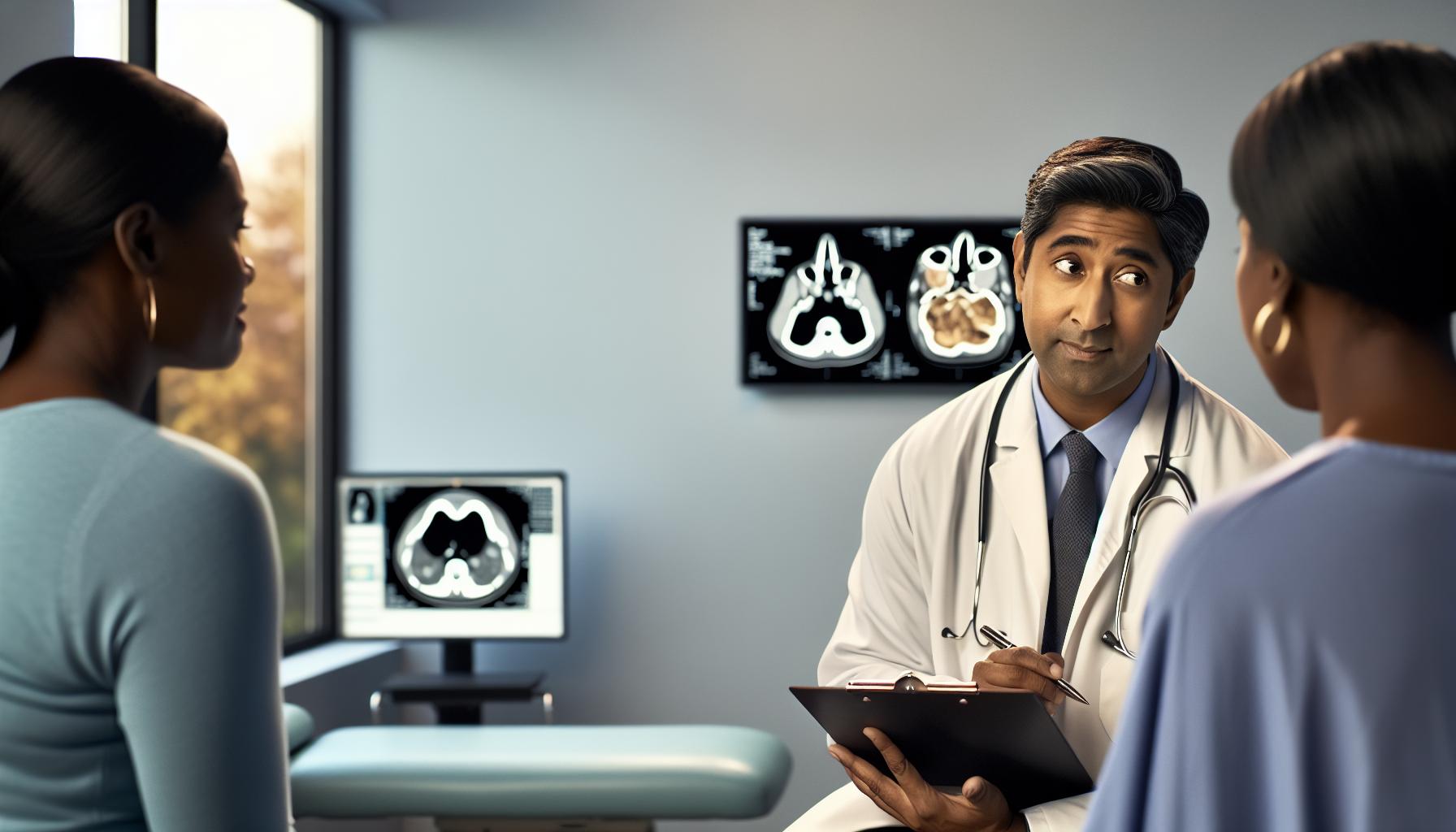
Causes of Pansinusitis: What Triggers This Condition?
Chronic pansinusitis arises from a complex interplay of various triggers that lead to inflammation in all four sinus cavities: the maxillary, frontal, ethmoid, and sphenoid sinuses. One critical aspect to understand is that while infections-both viral and bacterial-play a significant role, numerous environmental and physiological factors can also contribute to this condition. For instance, a common starting point for pansinusitis is a viral upper respiratory infection that can set the stage for secondary bacterial infections, exacerbating sinus inflammation.
Key Triggers of Pansinusitis
- Infections: Viral infections such as the common cold often lead to inflammation in the sinuses, which may then become infected with bacteria, resulting in pansinusitis.
- Allergies: Allergic rhinitis, caused by allergens like pollen, dust mites, or pet dander, can trigger sinus inflammation and increase susceptibility to sinus infections.
- Environmental Factors: Pollution, smoking, and exposure to irritants like strong fragrances or chemicals can irritate the nasal passages and sinuses, leading to inflammation.
- Structural Abnormalities: Anatomical issues in the nasal passages-such as deviated septums or nasal polyps-can obstruct sinus drainage and lead to infections.
- Underlying Health Conditions: Chronic conditions like asthma, cystic fibrosis, or immune system disorders can increase the risk of developing pansinusitis.
Understanding these triggers is an essential step for individuals susceptible to pansinusitis. By identifying personal risk factors such as allergies or environmental exposures, proactive measures can be taken to minimize these risks. For example, maintaining a clean living environment to reduce allergen levels or consulting with a healthcare professional regarding potential structural issues can be beneficial. Engaging with healthcare providers ensures a personalized approach to managing and mitigating the factors that contribute to this challenging condition, empowering patients to take control of their sinus health.
Recognizing the Symptoms of Pansinusitis
Recognizing pansinusitis can be critical in managing and alleviating its effects. This serious condition leads to discomfort and can significantly impact daily life, often presenting with a combination of characteristic symptoms. Awareness of these signs can empower individuals to seek timely medical advice, enhancing their quality of life and preventing further complications.
Individuals suffering from pansinusitis typically experience persistent nasal congestion, making it difficult to breathe freely through the nose. This congestion may be coupled with a thick nasal discharge, which can be discolored. Facial pain or pressure is another common symptom; this discomfort can be felt in various areas of the face, including the cheeks, forehead, and around the eyes, often exacerbated by bending forward. Additionally, many patients report postnasal drip, a sensation where mucus drains down the throat, leading to irritation and a persistent sore throat.
Other significant symptoms can include a fever, signaling the body’s response to infection, along with a decrease in sense of smell and taste. Fatigue is also common as the body battles inflammation and infection. For some, these symptoms may be accompanied by coughing, ear pain, and bad breath, further complicating daily activities and social interactions.
If you or someone you know exhibits these symptoms, it may be time to consult a healthcare professional. Understanding and recognizing the signs of pansinusitis not only aids in early diagnosis but also facilitates prompt treatment, which can alleviate symptoms and prevent complications.
How Pansinusitis is Diagnosed: Medical Tests Explained
Diagnosing pansinusitis is a multifaceted process that involves a combination of patient history, physical examination, and medical imaging. Understanding this process is vital, as early and accurate diagnosis can greatly affect the effectiveness of treatment and the overall outcome for patients.
Typically, the journey begins with a consultation where the healthcare provider will gather a detailed medical history. This may include asking about the duration and severity of symptoms, any previous sinus issues, allergies, and overall health status. Following this, a physical examination is usually conducted. During the examination, the doctor may utilize a nasal endoscope-a flexible tube equipped with a camera-to visually inspect the nasal passages and sinuses for signs of inflammation, discharge, or blockages.
Imaging tests play a crucial role in confirming a diagnosis of pansinusitis. CT scans are commonly used in this respect, providing detailed cross-sectional images that reveal the condition of the sinuses and any potential obstructions or fluid accumulation. In some cases, an MRI might be recommended, especially if complications or other underlying conditions need to be assessed. These imaging modalities assist healthcare providers in differentiating pansinusitis from other sinus-related issues or complications, guiding the most effective treatment decisions.
In essence, timely medical intervention, facilitated by a thorough diagnostic process, is key to effectively managing pansinusitis. If you suspect you may be suffering from this condition or are experiencing persistent sinus symptoms, it’s essential to consult with a healthcare professional who can determine the appropriate diagnostic tests and treatments tailored to your unique situation.
Effective Treatment Options for Pansinusitis
Pansinusitis can significantly impact a person’s quality of life, leading to discomfort and frustration. Understanding effective treatment options is crucial for managing the symptoms and promoting recovery. Treatments generally target the underlying cause of inflammation, varying based on whether the condition is acute or chronic, and whether it is caused by infection, allergies, or other factors.
For acute pansinusitis, the first line of treatment typically includes antibiotics when a bacterial infection is suspected. Common choices include amoxicillin-clavulanate, prescribed for a duration of 10 to 14 days [2]. In addition to antibiotics, healthcare providers may recommend adjunctive therapies such as nasal corticosteroids and saline nasal irrigation to help reduce inflammation and provide symptomatic relief. Over-the-counter options like decongestants or antihistamines may also be beneficial depending on the individual’s specific symptoms and causes.
In cases of chronic pansinusitis, treatment often requires a more comprehensive approach, which might include surgery. Endoscopic sinus surgery (ESS) is a common procedure aimed at removing infected or obstructed tissue and improving sinus drainage. Alternatively, balloon sinusoplasty can be used to open blocked sinus passages without extensive surgery [1].
Integrating Lifestyle and Home Remedies
In addition to medical treatments, certain lifestyle changes and home remedies can aid in managing pansinusitis symptoms. Staying hydrated, using a humidifier, and practicing good nasal hygiene can enhance sinus function and support recovery. Natural remedies may also provide relief; for example, ginger has anti-inflammatory properties, while garlic can boost the immune system [2]. However, it’s crucial to consult a healthcare professional before starting any new treatment regimen, especially when considering herbal remedies.
As treatment options can vary significantly based on individual circumstances, maintaining close communication with healthcare providers ensures a tailored approach to managing pansinusitis, ultimately enhancing the effectiveness of the chosen treatment plan.
Natural Remedies for Pansinusitis Relief
In the pursuit of relief from pansinusitis, many individuals explore natural remedies alongside conventional treatments. These remedies can often provide soothing effects and support overall sinus health, making daily life more manageable. Incorporating natural approaches not only enhances treatment but also empowers individuals to take control of their health journey.
A variety of herbs and natural substances have been traditionally used to alleviate sinus-related discomfort. Ginger, for instance, is renowned for its anti-inflammatory properties and can help reduce sinus swelling. Consuming ginger tea or adding fresh ginger to meals may promote better sinus drainage. Similarly, garlic possesses immune-boosting qualities that can enhance your body’s defense against infections. Incorporating garlic into your diet, whether raw or cooked, can provide a flavorful and healthful addition to meals.
In addition to dietary adjustments, hydration plays a crucial role in thinning mucus and facilitating drainage. Aim to drink plenty of fluids-water, herbal teas, and broths can all be beneficial. Moreover, using a humidifier in your living space can keep the air moist, which may ease sinus congestion and reduce discomfort.
Alternative therapies such as saline nasal irrigation can be incredibly effective in clearing out excess mucus and debris from the sinuses. This practice, often done with a neti pot or saline spray, helps to hydrate and soothe irritated sinus passages. Ensure that you use sterile or distilled water for safety.
While these natural remedies can play a valuable role in managing pansinusitis symptoms, it’s important to consult a healthcare professional before making any significant changes to your treatment plan. A tailored approach that considers individual health needs will always yield the best outcomes. Embracing natural remedies not only complements conventional treatments but also fosters a holistic understanding of what works best for your health.
Preventing Pansinusitis: Tips for Healthy Sinuses
Maintaining healthy sinuses is essential not just for preventing pansinusitis, but also for overall well-being. One effective strategy is practicing good hygiene, especially regular hand washing, to minimize infections. Since sinusitis can often follow a cold or viral infection, keeping your hands clean can reduce your risk of respiratory illnesses that might lead to sinus issues. Additionally, ensure you’re up-to-date on vaccinations, as certain vaccines can help protect against respiratory diseases that may complicate sinus health.
Another important preventive measure involves avoiding irritants such as tobacco smoke and environmental pollutants. These substances can inflame the sinus membranes and lead to recurring sinus problems. Consider investing in an air purifier to keep your living space free of allergens and irritants. Staying hydrated is equally important; drinking plenty of fluids aids in thinning mucus, allowing for easier drainage and reducing congestion. Aim to consume a variety of fluids, including water, herbal teas, and broths, to promote optimal sinus function.
Regular exercise is also a crucial aspect of sinus health. It boosts your immune system and helps reduce inflammation throughout the body, including in the sinuses. Incorporate activities that you enjoy into your routine, as this will help you stay consistent. Alongside exercise, incorporating nutritious foods rich in vitamins and minerals, particularly vitamin C and antioxidants, can further support your immune system and enhance overall health. Foods like citrus fruits, berries, leafy greens, and nuts are great choices.
Finally, monitoring any allergies and seeking appropriate treatment can significantly help in preventing pansinusitis. If you have known allergies, talk to a healthcare professional about possible allergen immunotherapy or lifestyle modifications to minimize your exposure. By adopting these preventive measures, you can significantly reduce your likelihood of developing pansinusitis and maintain healthier sinuses, ultimately contributing to better quality of life. Always consult with healthcare professionals to tailor these suggestions to your individual health needs for the best outcomes.
Living with Pansinusitis: Managing Your Symptoms
Living with pansinusitis can be challenging, but managing your symptoms effectively is vital for improving your quality of life. One of the most effective strategies is to stay hydrated. Drinking plenty of fluids, such as water and herbal teas, helps thin mucus and promotes drainage, which can alleviate pressure in the sinuses. Additionally, using a humidifier can add moisture to the air, easing breathing difficulties and helping to keep nasal passages clear.
It’s also beneficial to establish a daily routine to manage symptoms. Incorporating gentle nasal irrigation with saline solutions can help flush out mucus and allergens, offering much-needed relief. This practice can be particularly helpful during allergy season when your sinuses may become more irritated. Inhaling steam from hot water or taking warm showers can provide immediate comfort by opening up sinus passages, ensuring they remain clear.
Regular moderate exercise is another essential component of symptom management. Physical activity boosts overall health, supports immune function, and helps reduce inflammation. Aim for activities that raise your heart rate, such as walking, swimming, or yoga, to sustain sinus health without overexertion. Including anti-inflammatory foods in your diet, such as fatty fish, nuts, and colorful fruits and vegetables, can further support your body in fighting inflammation.
Finally, it’s crucial to consult with healthcare professionals about your pansinusitis management plan. They can help tailor treatments to your specific needs, whether through prescription medications, such as corticosteroids, or recommending allergy testing for underlying issues. Remember, proactive management and open communication with your healthcare provider can empower you to navigate the complexities of living with pansinusitis more successfully.
Potential Complications of Untreated Pansinusitis
Untreated pansinusitis can lead to a cascade of complications that extend beyond sinus discomfort, illustrating the importance of timely and effective treatment. This condition involves inflammation of all the paranasal sinuses, and when left unchecked, it can evolve from an acute infection into more serious health concerns. Notably, complications can include chronic sinusitis, where ongoing symptoms persist for three months or more, often leading to more severe and protracted health issues.
One of the more alarming potential complications is the risk of meningitis, an inflammation of the protective membranes covering the brain and spinal cord. This occurs when bacteria from the sinuses breach the mucosal barrier and enter the cranial cavity, potentially causing life-threatening conditions. Symptoms of meningitis can include severe headache, neck stiffness, sensitivity to light, and altered mental status, necessitating urgent medical intervention.
Other complications from untreated pansinusitis can also involve orbital cellulitis, where the infection spreads to the tissues surrounding the eyes, resulting in swelling, redness, and pain. This condition can threaten vision and requires immediate treatment to prevent long-term damage. Similarly, brain abscesses can form when bacteria accumulate in the brain, leading to localized infections that may require surgical drainage.
To mitigate these risks and promote overall sinus health, it’s crucial to seek medical advice if symptoms persist or worsen. Treatment options may include antibiotics, corticosteroids, or surgery in severe cases. Taking proactive steps, such as managing allergies and maintaining respiratory hygiene, can also help reduce the likelihood of developing pansinusitis in the first place. Always consult healthcare professionals for personalized advice, and don’t hesitate to report any concerning symptoms to ensure swift action and recovery.
When to Seek Medical Help for Pansinusitis
When experiencing symptoms linked to pansinusitis, it’s crucial to know when to seek medical help. Pansinusitis can present with persistent discomfort and, if left untreated, may lead to severe complications such as meningitis or orbital infections. If you notice symptoms that persist for more than 10 days despite initial home treatments, it’s time to consult a healthcare professional to evaluate the situation more thoroughly.
Additionally, consider reaching out to a doctor if you experience any of the following signs:
- Fever: A high fever exceeding 101°F (38.3°C) might indicate a more serious infection.
- Severe headache: An intense headache that doesn’t improve with over-the-counter medications may signal an escalation of your condition.
- Vision changes: If you observe blurriness, double vision, or other visual disturbances, you should seek immediate care.
- Neck stiffness: This could be a sign of complications like meningitis and requires urgent evaluation.
- Swelling around the eyes: Any noticeable swelling, redness, or pain near the eyes can indicate orbital cellulitis, which requires rapid attention.
Prompt medical intervention can help prevent the condition from worsening and mitigate the risk of serious complications. Your healthcare provider may perform tests such as a nasal endoscopy or imaging studies to assess the extent of the issue and determine an appropriate treatment plan, which could include antibiotics, corticosteroids, or even surgical options in severe cases.
Taking proactive steps about your health encourages a more manageable experience with pansinusitis. Keep track of your symptoms, and don’t hesitate to contact a medical professional when things seem concerning. Remember, timely action is key in ensuring a smooth recovery and protecting your overall well-being.
The Role of Lifestyle in Pansinusitis Management
Incorporating lifestyle changes can significantly influence the management of pansinusitis, a condition that can be challenging and debilitating. Many people may not realize how everyday choices regarding diet, hydration, and environmental exposure can play a pivotal role in either exacerbating or alleviating symptoms. For instance, ensuring adequate hydration helps thin mucus, potentially reducing sinus pressure and promoting drainage, which is crucial for sinus health. Drinking sufficient water and herbal teas can be beneficial, while dehydrating beverages like alcohol and caffeinated drinks should be limited.
Adopting a diet rich in anti-inflammatory foods may also support recovery. Incorporating items such as fruits, vegetables, whole grains, and omega-3 fatty acids can enhance your immune response and decrease inflammation. Foods high in antioxidants, like berries and leafy greens, are particularly valuable. Conversely, processed foods high in sugars and trans fats may worsen inflammation and thus should be minimized.
Environmental Factors
Creating a sinus-friendly environment is another key aspect of lifestyle management. Using a humidifier can help keep the air moist, reducing irritation in the nasal passages, especially in dry climates or during winter months. Additionally, regularly cleaning and maintaining your living space can minimize exposure to allergens such as dust mites, mold, and pet dander, which can trigger or worsen sinus issues. Consider implementing an allergy management plan that includes washing bedding frequently in hot water, using dust-proof covers on pillows and mattresses, and keeping pets out of bedrooms.
Stress and Sleep
Don’t underestimate the impact of stress and sleep on sinus health. Chronic stress can weaken the immune system, making it more challenging for your body to combat infections. Engaging in stress-reduction techniques such as yoga, meditation, or mindfulness can be beneficial. Furthermore, ensuring that you get quality sleep each night supports the body’s healing processes. Aim for 7-9 hours of uninterrupted sleep and establish a relaxing nighttime routine to improve sleep quality.
In summary, making conscious lifestyle choices regarding hydration, diet, environmental factors, and stress management can significantly assist in managing pansinusitis symptoms. Each small change contributes to a broader strategy for health improvement and can empower individuals to take an active role in their wellness journey. Always consider discussing your lifestyle plans with a healthcare professional to personalize these recommendations based on your unique health needs.
Exploring Research and Advances in Pansinusitis Treatments
Advancements in the treatment of pansinusitis are evolving rapidly, reflecting a better understanding of the complex mechanisms behind this debilitating condition. Researchers are exploring various avenues to enhance treatment efficacy, particularly regarding the distinction between bacterial and viral infections. A growing body of evidence indicates that only a small number of sinus infections warrant antibiotic therapy, emphasizing the need for accurate diagnostic techniques. For instance, nasal cultures can provide crucial insights that guide clinicians in identifying the causative pathogens, which is critical for tailoring appropriate treatments [3].
Innovative therapies, such as biologic agents targeting underlying inflammatory pathways, are being increasingly investigated. These treatments hold promise for patients suffering from chronic pansinusitis, especially those with coexisting conditions like asthma or allergies. Biologics, which modulate the immune response, could lead to significant reductions in nasal polyp formation and inflammation. Furthermore, advancements in endoscopic sinus surgery techniques are improving recovery outcomes for individuals with severe and persistent symptoms [1].
New approaches, including minimally invasive interventions and computer-assisted technologies, are on the rise. These innovations enable healthcare providers to navigate complex sinus anatomy more effectively, thereby improving surgical outcomes. Evidence is also gathering around adjunctive therapies such as corticosteroid nasal sprays, which can help mitigate inflammation and enhance mucosal healing [2].
As research continues to expand our understanding of pansinusitis, it is vital for patients to stay informed about emerging therapies and to consult with healthcare professionals regarding new treatment options. Engaging in discussions about potential clinical trials may offer additional avenues for treatment and should be considered for those grappling with chronic or severe forms of this condition.
Q&A
Q: What are the first signs of pansinusitis?
A: The first signs of pansinusitis often include severe facial pain or pressure, extensive nasal congestion, thick green or yellow nasal discharge, and reduced sense of smell. You may also experience headaches and fever. Early recognition is crucial for effective treatment and symptom relief.
Q: How does pansinusitis differ from regular sinusitis?
A: Pansinusitis involves inflammation of all paranasal sinuses, resulting in more severe symptoms compared to regular sinusitis, which might affect only one or a few sinuses. This widespread infection can lead to intense facial pain and a higher likelihood of complications if untreated.
Q: Can pansinusitis be treated at home?
A: While some home treatments, like saline nasal rinses, steam inhalation, and staying hydrated can provide relief, it’s important to consult a healthcare professional for persistent symptoms or if you suspect pansinusitis. They may recommend antibiotics or other treatments for more severe cases.
Q: Are there lifestyle changes that can help manage pansinusitis?
A: Yes, lifestyle changes such as quitting smoking, staying hydrated, using a humidifier, and avoiding allergy triggers can help manage pansinusitis symptoms. Regular exercise and a balanced diet also support overall sinus health, helping to prevent inflammation.
Q: When should I see a doctor for pansinusitis?
A: You should see a doctor if your symptoms persist for more than 10 days, worsen after initial improvement, or are accompanied by high fever, severe headache, or swelling around the eyes. Timely medical intervention can prevent complications associated with untreated pansinusitis.
Q: What are common misconceptions about pansinusitis?
A: A common misconception is that pansinusitis is just a severe cold. In reality, it is a serious condition requiring medical attention. Additionally, some believe it only affects adults, but children can also develop pansinusitis.
Q: How is pansinusitis diagnosed?
A: Pansinusitis is diagnosed through a combination of patient history, physical examination, and imaging tests such as a CT scan. Nasal cultures may also be conducted to identify specific pathogens causing the infection, which is crucial for targeted treatment.
Q: What are the potential complications of untreated pansinusitis?
A: Untreated pansinusitis can lead to serious complications such as chronic sinusitis, respiratory infections, hearing loss, or even more severe conditions like orbital cellulitis or meningitis. Early diagnosis and treatment are vital to prevent these issues.
For more details, refer to the sections about symptoms, diagnosis, and potential complications in our comprehensive article on pansinusitis.
In Conclusion
Understanding pansinusitis and its potential impact is crucial for managing your health effectively. Remember, the condition affects all paranasal sinuses, often causing more severe symptoms than typical sinusitis. If you or a loved one are experiencing prolonged symptoms, seeking professional medical advice is essential for proper diagnosis and treatment. Explore our in-depth articles on related topics such as Chronic Sinusitis Treatments and Managing Allergies to empower yourself with knowledge.
Don’t hesitate-take action today! Sign up for our newsletter to receive the latest updates on sinus health and wellness tips directly to your inbox. Your health journey matters, and we’re here to support you every step of the way. Dive deeper into your health education by checking out more of our resources, and consider sharing your experiences in the comments below to connect with others who understand what you’re going through. Remember, knowledge is the first step to better health!