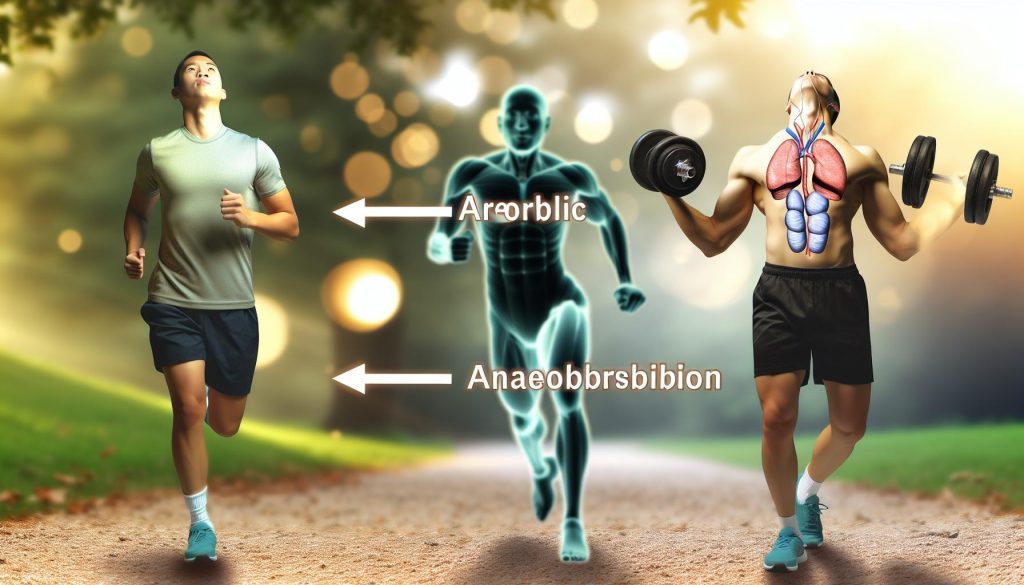
Did you know that your body relies on two distinct processes to convert food into energy? Understanding aerobic and anaerobic respiration is essential for anyone looking to enhance their fitness or simply boost their overall well-being. Aerobic respiration occurs when your body uses oxygen to produce energy efficiently, ideal for endurance activities like running or cycling. In contrast, anaerobic respiration kicks in during high-intensity exercises that demand quick bursts of energy, often without sufficient oxygen. Exploring these two pathways not only reveals the science behind how our bodies work but also helps you tailor your workouts to meet specific health goals. Whether you’re aiming to build stamina or increase strength, grasping the differences in these energy systems can empower your fitness journey. Dive deeper with us to uncover how each type of respiration influences your exercise and health outcomes!
Understanding Aerobic vs Anaerobic Respiration

Understanding the nuances of aerobic and anaerobic respiration is essential for anyone looking to optimize their fitness routines and overall health. Aerobic respiration, which literally means “with oxygen,” occurs when the body has sufficient oxygen to convert glucose into energy efficiently. This process provides sustained energy for longer-duration activities, like jogging or swimming, and is a key component of endurance training. On the other hand, anaerobic respiration, or “without oxygen,” kicks in during high-intensity bursts of activity, such as sprinting or weightlifting, where the oxygen supply is insufficient to meet energy demands. This process relies on short-term energy sources, leading to quicker fatigue.
Key Aspects of Aerobic Respiration
During aerobic respiration, glucose is broken down in the presence of oxygen to produce carbon dioxide, water, and energy (in the form of ATP – adenosine triphosphate). This method is not only efficient but also results in minimal byproducts, making aerobic activities beneficial for cardiovascular health. Engaging in regular aerobic exercise can enhance lung capacity and improve overall stamina.
Insights into Anaerobic Respiration
Conversely, anaerobic respiration produces energy without using oxygen, which leads to the formation of lactic acid as a byproduct. When your muscles operate in this manner, they are fueled primarily by glycogen stores, providing energy for quick, powerful movements. While this type of respiration allows you to perform intense activities, it also leads to muscle fatigue due to the buildup of lactic acid. This dynamic is crucial when planning workouts since incorporating intervals of anaerobic activity can boost your overall fitness and strength.
Understanding these types of respiration not only helps in structuring an effective workout but also highlights the importance of balancing aerobic and anaerobic exercises for optimal health. A well-rounded fitness routine that includes both forms of respiration can help maximize energy production and improve performance, contributing positively to overall well-being.
Key Differences Between Aerobic and Anaerobic Processes
Understanding how aerobic and anaerobic processes differ is crucial for anyone interested in optimizing their fitness levels and overall health. Aerobic respiration occurs when the body has adequate oxygen available, allowing it to break down glucose efficiently to produce energy (ATP), carbon dioxide, and water. This process is designed for endurance activities, where energy is required over extended periods. Classic examples include long-distance running, cycling, and swimming. Because it primarily relies on oxygen, aerobic exercise enhances cardiovascular health and improves lung capacity, facilitating better stamina and recovery.
In contrast, anaerobic respiration takes place when oxygen is scarce or unavailable, such as during high-intensity workouts. This process provides energy rapidly, but it is less efficient than its aerobic counterpart. During anaerobic activity, glucose is converted into energy along with lactic acid as a byproduct, which contributes to muscle fatigue. Sprinting, weightlifting, and high-intensity interval training (HIIT) are prime examples of anaerobic exercises. While these activities are excellent for building strength and power, they can only be sustained for shorter durations because of the quick depletion of energy stores and the onset of fatigue.
The differences between these two respiratory processes can be summed up in several key aspects:
- Oxygen Requirement: Aerobic processes need oxygen, while anaerobic processes do not.
- Energy Production: Aerobic respiration produces energy slowly but efficiently over longer durations; anaerobic respiration generates energy quickly, but not sustained.
- Byproducts: Aerobic respiration produces carbon dioxide and water, resulting in minimal byproducts, while anaerobic respiration produces lactic acid, leading to quicker muscle fatigue.
- Duration of Activity: Aerobic is ideal for long-duration activities; anaerobic is suited for short bursts of high-intensity activity.
Grasping these key distinctions not only aids in planning exercise regimens but also empowers individuals to make informed choices about their fitness strategies. A balanced approach that incorporates both aerobic and anaerobic exercises can maximize energy production, improve performance, and enhance overall well-being, helping individuals meet their fitness goals effectively.
The Science Behind Aerobic Respiration

Aerobic respiration is a fascinating process that powers our endurance activities while maintaining essential functions in the body. It primarily occurs in the mitochondria, often referred to as the powerhouse of the cell, where glucose is broken down with the help of oxygen to generate adenosine triphosphate (ATP), the energy currency of the body. This process is not just vital for exercise but is also a foundation for maintaining overall metabolic health.
When oxygen is available, aerobic respiration efficiently converts glucose into ATP through a series of chemical reactions known as the Krebs cycle and the electron transport chain. As glucose is oxidized, carbon dioxide and water are produced as byproducts, which are then expelled from the body. The overall reaction can be summarized as:
[ text{C}_6text{H}_{12}text{O}_6 + 6text{O}_2 rightarrow 6text{CO}_2 + 6text{H}_2text{O} + text{ATP} ]
This efficient energy production enables individuals to engage in longer-duration activities like marathon running or cycling, as the body’s ability to use fat reserves for fuel during prolonged exercise is enhanced by regular aerobic training.
The health benefits of aerobic respiration extend beyond just athletic performance. Regular aerobic exercise can improve cardiovascular health by strengthening the heart, lowering blood pressure, and enhancing oxygen transportation throughout the body. Additionally, it supports weight management, improves insulin sensitivity, and can even uplift mood and cognitive function through the release of endorphins. Engaging in activities such as brisk walking, swimming, or cycling not only stimulates the aerobic system but also encourages muscle adaptation and increases stamina.
Integrating aerobic exercises into your routine can be as straightforward as adding a daily walk or choosing an active hobby that you enjoy. Consistency is key; even moderate-intensity aerobic activities can lead to significant improvements in health markers and overall well-being over time. Always consult with a healthcare professional when making major changes to your exercise regime to ensure that it’s tailored to your individual health needs and fitness level.
The Mechanisms of Anaerobic Respiration

In high-intensity activities where oxygen supply is limited, the body taps into anaerobic respiration as an energy source. This process happens primarily in the cytoplasm of the cell, allowing for rapid energy production when demand exceeds the oxygen available for aerobic pathways. During anaerobic respiration, glucose is broken down through a less efficient pathway compared to aerobic respiration, leading to the formation of energy quickly, albeit with certain trade-offs.
When glucose undergoes anaerobic glycolysis, it is converted into pyruvate, which, in the absence of sufficient oxygen, is then transformed into lactate (lactic acid). This conversion allows for the regeneration of NAD+, a crucial coenzyme in cellular metabolism, which enables glycolysis to continue producing ATP. The overall reaction can be summarized simply as:
[ text{Glucose} rightarrow text{Lactate} + text{ATP} ]
This process is vital during short bursts of strenuous activity, such as sprinting or heavy lifting, where immediate energy is crucial, but the duration cannot be maintained for long periods. The accumulation of lactic acid is often associated with fatigue and muscle soreness, yet it also highlights the rapid energy generation capability of anaerobic respiration.
To incorporate anaerobic activities effectively into your routine, consider high-intensity interval training (HIIT) or circuit training which emphasize short bursts of effort followed by rest or lower intensity. This type of training can enhance muscular strength, improve cardiovascular fitness, and increase metabolic rate even after the workout, commonly referred to as the “afterburn effect.” However, it’s beneficial to balance anaerobic workouts with aerobic sessions for overall health and well-being, supporting both stamina and strength while ensuring adequate recovery time. Always consult a fitness professional or healthcare provider when developing a tailored exercise plan to ensure it aligns with your health goals and conditions.
Energy Production: Comparing Aerobic and Anaerobic Respiration
The energy production processes of aerobic and anaerobic respiration illustrate how our bodies adapt to different intensity levels during physical activity. While both methods allow cells to generate ATP, they differ significantly in their reliance on oxygen and the efficiency of energy yield. Aerobic respiration occurs when oxygen is readily available, allowing for the complete breakdown of glucose into carbon dioxide and water, resulting in a high yield of approximately 36 to 38 ATP molecules per glucose molecule. This process primarily takes place in the mitochondria of cells and is the preferred energy pathway during moderate, sustained activities like jogging or swimming.
In contrast, anaerobic respiration kicks in during high-intensity exercises when oxygen supply is limited. Here, glucose is partially broken down to produce energy quickly, often resulting in only 2 ATP per glucose molecule through a process known as glycolysis. Instead of entering the mitochondria for further breakdown, the resulting pyruvate from glycolysis is converted into lactate. This is crucial for activities like sprinting or heavy lifting, where energy needs to be generated rapidly, albeit at the cost of efficiency. The accumulation of lactate can lead to muscle fatigue, a common result of sustained anaerobic activity.
The implications of these two energy production methods are vital for athletes and anyone engaging in physical fitness. Individuals training for endurance may benefit from prioritizing aerobic exercises to improve their body’s capacity to utilize oxygen efficiently. Conversely, those focused on building strength or engaging in high-intensity workouts should incorporate anaerobic activities to enhance their maximal effort capacity and improve muscle resilience.
When planning an exercise regimen, understanding the balance between aerobic and anaerobic respiration can help guide effective training strategies. This insight encourages a tailored approach – one that incorporates both types of respiration to foster overall fitness, improve recovery, and enhance performance. For optimal results, it is advisable to consult with fitness professionals who can provide personalized guidance based on individual goals and health conditions.
Benefits of Aerobic Respiration for Your Health
Engaging in aerobic respiration offers numerous health benefits that extend beyond mere energy production. This process, which thrives in the presence of oxygen, facilitates a more efficient breakdown of glucose, yielding up to 38 ATP molecules per glucose molecule. This increase in energy efficiency proves crucial not only during moderate to high-intensity activities, such as jogging, cycling, or swimming, but also contributes significantly to overall health and well-being.
One of the most compelling advantages of aerobic respiration is its positive impact on cardiovascular health. Regular aerobic activities strengthen the heart muscle, enhance circulation, and lower blood pressure, reducing the risk of heart disease. Moreover, improved oxygen utilization aids in better body function, allowing for increased stamina and recovery during physical exertion. This sustained practice of aerobic exercises can also help in weight management by efficiently burning calories and fat, contributing to a healthier body composition.
In addition to these physical benefits, aerobic respiration is linked to enhanced mental well-being. It promotes the release of endorphins, the body’s natural mood lifters, which can alleviate symptoms of anxiety and depression. Regular engagement in aerobic activities has also been associated with improved cognitive function and memory retention as increased blood flow to the brain promotes neurogenesis and overall brain health.
To fully take advantage of aerobic respiration, individuals should incorporate a variety of aerobic exercises into their routine. This can include activities such as brisk walking, dancing, or even engaging in group sports. Additionally, it’s essential to tailor these activities to personal fitness levels and goals, gradually increasing intensity to maximize benefits while minimizing the risk of injury. For a comprehensive approach to health, it’s advisable to consult healthcare or fitness professionals who can offer guidance tailored to individual needs and circumstances.
When to Use Anaerobic Respiration in Exercise
Anaerobic respiration plays a crucial role in enhancing physical performance, especially when it comes to activities that require short bursts of intense effort. For instance, think of sprinters making a dash or weightlifters attempting a heavy lift; these activities primarily rely on anaerobic energy pathways. Engaging in anaerobic exercise is essential when you aim to improve strength, power, and speed. This type of respiration allows your muscles to generate energy without relying on oxygen, making it ideal for high-intensity workouts that last from just a few seconds up to a couple of minutes.
Using anaerobic respiration effectively can take your fitness regimen to the next level. Here are some key scenarios where it shines:
- High-Intensity Interval Training (HIIT): These workouts alternate short bursts of intense activity with rest or lower-intensity exercise. This method boosts endurance, burns fat, and triggers more muscle growth.
- Strength Training: Lifting weights or performing bodyweight exercises like squats and push-ups for short durations pushes muscles to their limits, encouraging anaerobic energy production.
- Sports Performance: Activities like sprinting, football, or basketball, where quick, powerful movements are essential, depend heavily on anaerobic metabolism.
Incorporating anaerobic elements into your routine can optimize your overall fitness and help achieve specific athletic goals. Consider setting specific intervals of high-intensity work in your training schedule, and listen to your body. It’s also important to allow for adequate recovery since anaerobic training can lead to quicker fatigue. Always consult with a fitness professional or healthcare provider to tailor exercises to your individual fitness level and goals, ensuring a safe and effective approach to integrating anaerobic activity into your regimen.
Common Myths About Aerobic and Anaerobic Respiration
Many individuals harbor misconceptions about aerobic and anaerobic respiration, which can skew their understanding of how their bodies generate energy during different types of physical activities. For instance, a common myth is that aerobic exercise is always better for fat loss than anaerobic exercise. While aerobic activities like running, cycling, and swimming do efficiently burn calories, anaerobic exercises-such as sprinting and heavy weightlifting-can also significantly contribute to fat loss by increasing muscle mass, which in turn boosts metabolic rate.
Another prevalent belief is that aerobic respiration is the only valid form of energy production during exercise. In reality, both aerobic and anaerobic respiration play crucial roles depending on the intensity and duration of the activity. During higher intensity workouts, the body may rely more on anaerobic pathways to quickly supply energy, even if it later shifts back to aerobic processes as the body recovers or the intensity decreases. This adaptability is significant for athletes and individuals training for varied fitness goals.
Furthermore, it’s often thought that only professional athletes engage in anaerobic exercise. In reality, anyone can benefit from incorporating short bursts of high-intensity workouts into their routines. Activities such as interval training not only enhance physical performance but also improve cardiovascular health and endurance for everyday tasks. It’s important to remember that anaerobic exercises can be beginner-friendly and tailored to an individual’s level to avoid injury.
In navigating these myths, the key takeaway is to appreciate that both aerobic and anaerobic processes are essential for overall fitness. Understanding their unique contributions allows individuals to craft balanced training programs that align with their health objectives. Always consult with fitness professionals to ensure the correct application of these principles relative to one’s personal fitness journey.
Real-Life Applications of Respiration Types
Understanding how aerobic and anaerobic respiration functions in everyday activities can enhance your fitness regime and overall well-being. For instance, aerobic respiration, which requires oxygen, is utilized during activities such as jogging, swimming, and cycling. These exercises strengthen the heart and lungs, improve blood circulation, and promote overall endurance. Integrating aerobic workouts into your routine not only supports cardiovascular health but also helps in maintaining a healthy weight by burning calories efficiently.
On the other hand, anaerobic respiration occurs during high-intensity activities like sprinting or heavy weightlifting, where energy demands exceed the oxygen supply. This process is significant for building muscle strength and power, enhancing athletic performance, and boosting metabolism. For example, incorporating short bursts of sprinting during your running sessions or engaging in circuit training with weights can optimize anaerobic respiration. These activities dramatically increase your heart rate and can lead to muscle gains and improved performance in aerobic activities due to enhanced muscle response and recovery.
You can see real-life applications of these respiratory processes not only in sports but also in daily scenarios. For example, if you climb a flight of stairs quickly or carry heavy groceries from the car to your house, you’re tapping into both aerobic and anaerobic pathways. Understanding which type of respiration fuels these activities can help you train effectively for specific goals, such as increasing endurance or building strength. Keeping in mind that both types of respiration play vital roles allows you to create a well-rounded workout plan.
Incorporating both aerobic and anaerobic exercises into your weekly health regimen can maximize the benefits for your body. Aim for sessions that last 150 minutes of moderate aerobic activity or 75 minutes of vigorous activity combined with strength training on two or more days a week. As always, it’s vital to consult with fitness professionals or healthcare providers to tailor an exercise program suited to your individual health needs and fitness goals. This balanced approach will empower you to harness the benefits of both types of respiration effectively.
How Nutrition Affects Aerobic and Anaerobic Respiration
Nutrition plays a pivotal role in enhancing the efficiency of both aerobic and anaerobic respiration, providing the energy needed to fuel athletic performance and daily activities. The body derives energy from the food we consume, meaning that the type and timing of nutrition can significantly influence how effectively we utilize oxygen during aerobic exercises or how quickly we can perform high-intensity anaerobic activities. Understanding this relationship can help optimize your fitness regime, whether you’re looking to build endurance, gain strength, or improve overall health.
Consuming adequate carbohydrates is essential for both types of respiration. During aerobic activities, which rely on oxygen, carbohydrates are the primary fuel source. They are broken down into glucose, which is then used in the presence of oxygen to produce ATP-the energy currency of the body. This process allows for sustained energy during prolonged activities like running or cycling. For best results, athletes should aim to consume complex carbohydrates, such as whole grains, fruits, and vegetables, prior to workouts to ensure a steady release of energy.
In contrast, anaerobic respiration typically occurs during short bursts of intense activity, such as sprinting or lifting heavy weights, where oxygen supply is limited. In these instances, the body primarily relies on stored glycogen, particularly from carbohydrates, and some contributions from protein for energy. Timing your nutrition by consuming quick-digesting carbohydrates, like fruits or energy gels, shortly before anaerobic workouts can provide the necessary fuel to optimize performance. Furthermore, adequate protein intake post-exercise is crucial for muscle recovery and repair.
In addition to carbohydrates and proteins, hydration must not be overlooked. Staying hydrated helps maintain blood volume and ensures efficient nutrient transport to cells, which is critical for both aerobic and anaerobic energy production. Dehydration can impair performance significantly, making it vital to drink water or electrolyte-rich fluids before, during, and after workouts for optimal respiratory function during physical activity.
By focusing on balanced nutrition, tailored to the energy demands of your exercise routine, you can enhance your body’s ability to perform efficiently, whether you’re engaging in aerobic or anaerobic activities. Remember, individual nutritional needs can vary, so consulting with a healthcare professional or a registered dietitian can help you establish a personalized nutrition plan that aligns with your fitness goals and lifestyle.
The Role of Oxygen in Different Respiration Types
Oxygen plays a pivotal role in determining the efficiency and endurance of our energy production processes, particularly in aerobic respiration. In this type of respiration, glucose is metabolized in the presence of oxygen to generate adenosine triphosphate (ATP), which is the primary energy carrier in cells. The presence of oxygen allows for the complete breakdown of glucose, resulting in a high yield of ATP-approximately 36 to 38 molecules of ATP from a single molecule of glucose. This process primarily occurs in the mitochondria of cells and supports long-duration activities such as running, swimming, and cycling.
Conversely, anaerobic respiration occurs in the absence of oxygen and is characterized by the production of energy through less efficient means. In this process, glucose is partially broken down, yielding only 2 molecules of ATP per glucose molecule, along with byproducts like lactic acid in animals or ethanol in yeast. This type of respiration kicks in during high-intensity and short-duration activities, such as sprinting or weightlifting, where rapid energy expenditure outpaces the oxygen supply. While anaerobic respiration allows for bursts of strength and speed, the accumulation of lactic acid can lead to muscle fatigue and discomfort if sustained for prolonged periods.
Understanding the role of these two pathways is essential for optimizing performance based on exercise type. For instance, athletes focusing on endurance activities should prioritize training that enhances their aerobic capacity, which relies heavily on oxygen. Techniques such as interval training can boost aerobic efficiency, enabling better oxygen utilization during extended periods of exertion. On the other hand, those engaged in high-intensity sports should incorporate strategies to improve anaerobic performance, including sprint drills and heavy lifting, to enhance immediate power output.
Recognizing how oxygen influences these two respiration types not only aids in tailoring exercise programs effectively but also provides insights into nutritional and recovery strategies. To maximize aerobic performance, maintaining proper hydration and consuming a balanced diet rich in complex carbohydrates can support efficient oxygen use. For anaerobic efforts, quick-digesting carbohydrates before workouts help prepare the muscles for high-intensity exertion, while post-workout nutrition focused on protein aids recovery. Understanding the balance between these two energy pathways is essential for achieving fitness goals and enhancing overall athletic performance.
Conclusion: Choosing the Right Respiration for Your Goals
Choosing the appropriate respiration pathway-whether aerobic or anaerobic-can significantly impact your training effectiveness and athletic performance. Understanding your personal fitness goals is essential in making this decision. For those aiming for improved cardiovascular health, increased endurance, or weight management, aerobic respiration is key. Activities such as long-distance running, cycling, or swimming enable the body to utilize oxygen efficiently, resulting in sustained energy release that supports prolonged activity. This type of exercise enhances the body’s ability to transport and use oxygen, which is crucial for overall health and fitness.
On the other hand, if your focus lies in building muscle strength, enhancing speed, or developing explosive power, anaerobic respiration should be your primary focus. This pathway fuels activities that require short bursts of energy, such as sprinting or high-intensity interval training (HIIT). Engagement in anaerobic exercises can promote muscle hypertrophy and improve your overall power output. However, it’s important to balance anaerobic workouts with adequate recovery and nutrition, as they can lead to quicker fatigue and longer recovery times due to lactic acid accumulation.
- Aerobic Workouts: Ideal for endurance building; activities like jogging, swimming, and cycling.
- Anaerobic Workouts: Best for strength training and high-intensity sports; activities like sprinting, weightlifting, and circuit training.
Regardless of your goals, it’s essential to recognize the role of nutrition in supporting these respiration types. For aerobic efforts, focus on a diet rich in complex carbohydrates to fuel long workouts, while quick-digesting carbohydrates can be beneficial for anaerobic performances, especially before intense sessions. Remember, integrating both forms of respiration into your training will not only enhance physical performance but also improve overall health and metabolic efficiency. Always consult healthcare or fitness professionals to tailor a plan that aligns specifically with your individual aspirations and health condition, ensuring a safe and effective training regimen.
Q&A
Q: What is the primary difference between aerobic and anaerobic respiration?
A: The primary difference is that aerobic respiration requires oxygen to produce energy, while anaerobic respiration occurs without oxygen. Aerobic respiration generates more energy and produces byproducts like carbon dioxide and water, whereas anaerobic respiration results in byproducts like lactic acid or ethanol, depending on the organism.
Q: How does aerobic respiration benefit athletic performance?
A: Aerobic respiration enhances athletic performance by improving endurance and increasing energy production during prolonged activities. It allows for efficient use of oxygen, which boosts stamina and recovery, making it essential for long-distance runners and endurance athletes.
Q: When is anaerobic respiration primarily used in the body?
A: Anaerobic respiration is mainly used during short bursts of intense activity, like sprinting or weightlifting. It allows muscles to quickly generate energy without oxygen, but it leads to fatigue faster due to lactic acid buildup.
Q: Why do some athletes prefer anaerobic exercises?
A: Some athletes prefer anaerobic exercises because they build strength and power while improving muscle mass in shorter time frames. These exercises, like sprinting or circuit training, focus on explosiveness and muscle fatigue, which is beneficial for performance in sports requiring quick bursts of energy.
Q: What role does nutrition play in supporting aerobic and anaerobic respiration?
A: Nutrition plays a crucial role by providing the necessary macronutrients and micronutrients that fuel both types of respiration. Carbohydrates support quick energy for anaerobic activities, while a balanced intake of proteins, fats, and carbohydrates enhances overall stamina and recovery in aerobic processes.
Q: How can I shift between aerobic and anaerobic training effectively?
A: To shift effectively, incorporate a combination of steady-state cardio for aerobic capacity and interval training for anaerobic strength. Gradually increase your training intensity, ensuring proper nutrition and recovery to adapt your body to both energy systems.
Q: What are common misconceptions about aerobic and anaerobic respiration?
A: A common misconception is that aerobic respiration is only for cardio athletes, while anaerobic is for weightlifters. In reality, both energy systems can benefit athletes in various sports, and they often complement each other for optimal performance.
Q: Where can I find more information about the science of respiration?
A: For more detailed information about the science of respiration, particularly its mechanisms and biological functions, consult sections such as “The Science Behind Aerobic Respiration” and “The Mechanisms of Anaerobic Respiration” in our article on this topic. Explore further to deepen your understanding of these processes.
Concluding Remarks
Thank you for joining us in exploring the fascinating differences between aerobic and anaerobic respiration. By grasping these concepts, you’re better equipped to understand how our bodies convert energy and the critical roles these processes play in your everyday life and fitness journey. We encourage you to explore related topics such as the importance of oxygen in exercise physiology or how nutrients support these energy systems.
Do you have more questions or insights? We’d love to hear from you in the comments! To continue enhancing your knowledge, consider signing up for our newsletter for the latest articles on fitness and nutrition. Remember, your health decisions are important-don’t hesitate to consult healthcare professionals for personalized advice. Keep learning, and make sure to dive deeper into our resources for more valuable information!