Did you know that millions of people suffering from scoliosis are seeking alternatives to invasive surgical interventions? For those grappling with this spinal condition, finding effective, non-surgical methods for natural relief can not only alleviate discomfort but also improve overall quality of life. In this exploration of non-surgical approaches to curing scoliosis naturally, we’ll delve into various techniques, from specialized exercises to dietary changes and holistic therapies. Understanding these options empowers you to take control of your health journey while exploring safe, supportive strategies. Join us as we uncover valuable insights and practical solutions that could help you or a loved one manage scoliosis effectively, paving the way for a healthier future. Your path to healing begins here, and every step forward counts!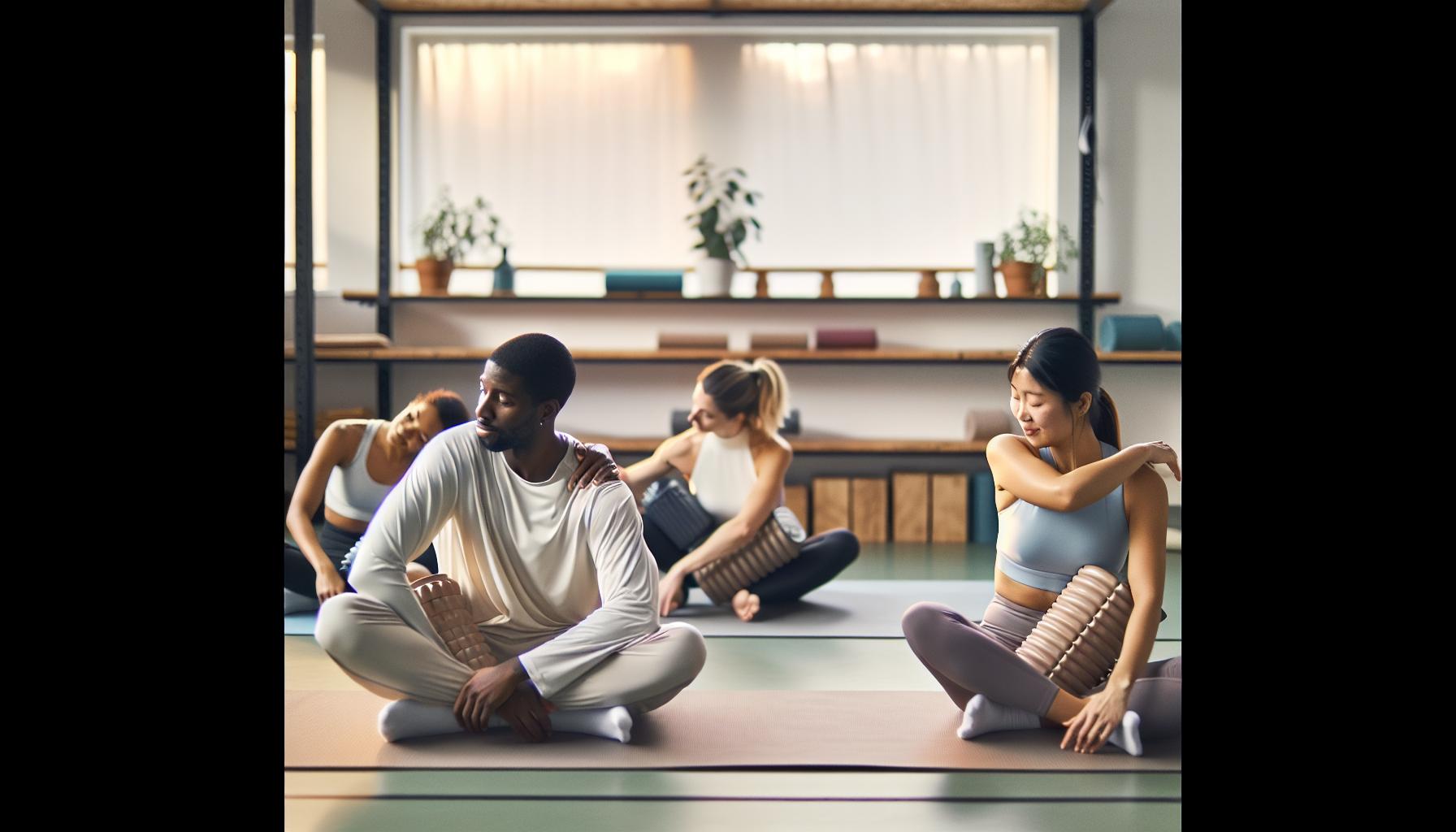
Non-Surgical Approaches to Scoliosis Management
Finding effective management strategies for scoliosis without resorting to surgery can significantly enhance quality of life and alleviate discomfort. Many individuals living with scoliosis may find that non-surgical approaches not only help manage symptoms but also promote a healthier spine long-term. One effective method is the combination of physical therapy and targeted exercises. Tailored exercise programs can strengthen core muscles, improve posture, and increase flexibility, all crucial in managing the curvature of the spine. Activities like swimming, which is low-impact and engages multiple muscle groups, can also provide relief and support overall spine health.
Another vital aspect of non-surgical management is addressing pain and discomfort through lifestyle adjustments. Regular low-impact aerobic activities, such as walking or cycling, can deliver significant benefits without putting undue strain on the back. Enforcing good posture habits, such as sitting straight and using ergonomic furniture, can also make a meaningful difference in comfort levels. Additionally, holistic approaches, including chiropractic care and acupuncture, have shown promise in some individuals by enhancing mobility and reducing pain through spinal manipulation and targeted needle placements. However, it’s essential to consult with healthcare professionals for personalized advice, as individual needs can vary widely.
Finally, exploring nutrition and its impact on spine health can be a game-changer. A diet rich in anti-inflammatory foods, such as fatty fish, nuts, fruits, and vegetables, can help manage systemic inflammation that may exacerbate back pain. Staying hydrated and maintaining a healthy weight further supports spinal health by reducing stress on the back. Comprehensive management of scoliosis through non-surgical routes emphasizes holistic health and empowerment, allowing individuals to take control of their condition and well-being. Always encourage dialogue with healthcare providers to create a tailored plan that is safe and effective for personal health needs.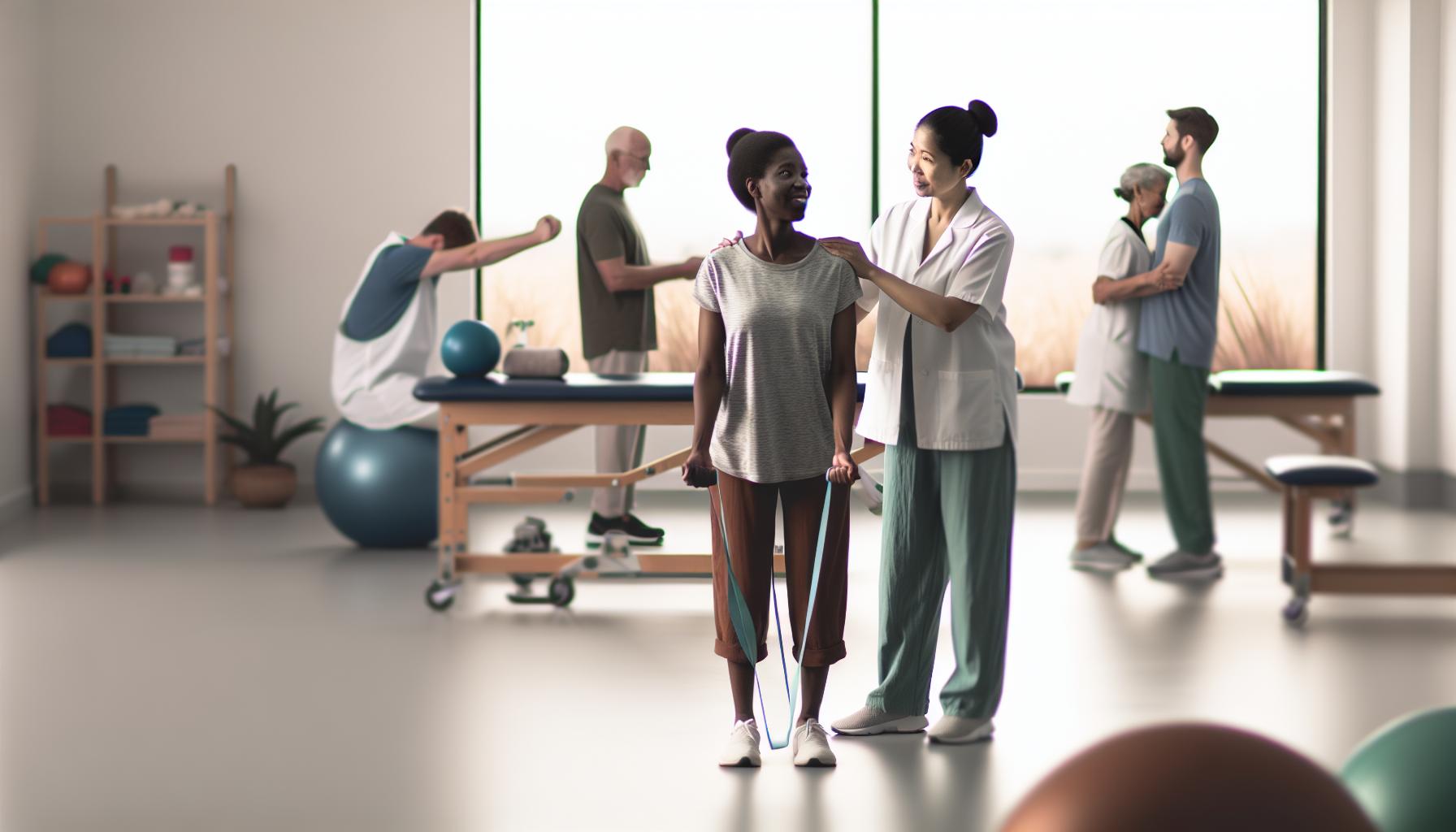
Understanding Scoliosis: Causes and Types
Understanding scoliosis requires not only awareness of its physical manifestations but also an appreciation of the underlying causes and various types that exist. Scoliosis is defined as an abnormal lateral curvature of the spine, which can develop in different forms, often making its identification critical for effective management. A common misconception is that scoliosis is solely a condition affecting adolescents; in reality, it can develop at any age due to various factors, including genetics, neuromuscular conditions, and traumatic injuries.
Types of Scoliosis
There are several recognized types of scoliosis, each arising from distinct causes:
- Idiopathic Scoliosis: This is the most prevalent type, accounting for approximately 80% of cases. Its cause remains unknown, but it often emerges during growth spurts just before puberty.
- Congenital Scoliosis: This type results from malformations of the spine occurring during fetal development. It is relatively rare, but the curvature can be pronounced due to the structural deformities.
- Neuromuscular Scoliosis: Associated with conditions such as cerebral palsy or muscular dystrophy, this type results from imbalances in muscle control and strength that can lead to spinal curvature.
- Degenerative Scoliosis: Often seen in older adults, this form develops due to degeneration of the discs and joints in the spine, typically accompanied by arthritis and other age-related changes.
Understanding these types can significantly influence treatment approaches. For instance, idiopathic scoliosis often responds well to non-surgical methods such as the Schroth Method, a specialized physical therapy that focuses on posture, breathing, and spinal alignment to prevent the progression of curvature without the need for surgery.
Recognizing the symptoms of scoliosis is also paramount. Individuals may experience uneven shoulders, a prominent ribcage, or a noticeable difference in waist height, which can lead to discomfort and reduced mobility. If you or someone you know is experiencing any of these symptoms, consulting a healthcare professional is essential. They can provide a thorough evaluation and recommend tailored non-surgical interventions, such as physical therapy, exercises, and potentially bracing, especially when diagnosed early. By staying proactive and informed, individuals with scoliosis can effectively manage their condition and maintain a healthier spinal alignment.
The Benefits of Natural Scoliosis Treatment
Natural methods for managing scoliosis are increasingly gaining traction as people seek alternatives to invasive treatments. These approaches not only aim to alleviate symptoms but also focus on improving overall well-being, empowering individuals to take an active role in their health journey. By integrating various natural therapies into their regimen, many find that they can effectively manage their condition, reduce pain, and enhance their quality of life.
One of the primary benefits of natural treatment methods is their holistic approach, which considers the whole person rather than just the symptoms of scoliosis. Techniques such as the Schroth Method emphasize proper posture and spinal alignment through specialized exercises, while gentle movement therapies like yoga can improve flexibility and reduce tension in the muscles surrounding the spine. These exercises not only aim to address the physical aspects of scoliosis but also promote relaxation and mental well-being, which are crucial for managing chronic conditions.
Additionally, natural treatments often involve nutritional support, which plays a vital role in overall spinal health. Foods rich in anti-inflammatory properties, like omega-3 fatty acids found in fish and antioxidants present in fruits and vegetables, can support the body’s healing processes. A diet enriched with these nutrients may help improve bone density and reduce inflammation associated with scoliosis, contributing to better overall spinal health and potentially minimizing curvature progression.
Moreover, many individuals find value in supportive therapies such as chiropractic care and acupuncture. While these treatments might not directly alter the curvature of the spine, they can provide significant relief from discomfort and improve overall spinal function. Patients often report improved mobility and reduced pain levels, enabling them to engage more fully in their daily activities and maintain an active lifestyle.
Incorporating these natural approaches not only provides potential physical benefits but also fosters a sense of empowerment over one’s health. By actively participating in their care through exercise, nutrition, and holistic therapies, individuals with scoliosis can cultivate a healthier lifestyle, which can have far-reaching positive effects beyond the immediate symptoms. As always, it’s essential for individuals to consult healthcare professionals to tailor a treatment plan that best suits their unique situation, ensuring that their journey towards better spinal health is informed and effective.
Holistic Therapies for Scoliosis Relief
Finding effective ways to manage scoliosis can significantly enhance quality of life for those affected by this condition. Holistic therapies are gaining recognition as a promising approach, addressing not only the physical aspects of scoliosis but also nurturing mental and emotional well-being. By focusing on the whole person, these methods incorporate a range of practices that aim to improve spinal health and promote relaxation.
One common holistic therapy is yoga, which combines gentle stretching, strengthening, and mindfulness. Yoga can help improve flexibility and posture, which are crucial in scoliosis management. Poses such as the Cat-Cow and Modified Side Plank can specifically target spinal alignment and muscle balance. Incorporating deep breathing techniques within these poses enhances relaxation and reduces tension in the muscles surrounding the spine, thereby alleviating discomfort.
Chiropractic care is another valuable component of a holistic strategy. Chiropractors use various techniques to manipulate the spine, potentially improving alignment and relieving pressure on nerves. Regular chiropractic sessions can lead to significant improvements in function and comfort, as many patients report less pain and increased mobility. It’s important for individuals to consult with a qualified chiropractor who has experience in treating scoliosis to ensure the best outcomes.
Acupuncture, recognized for its pain-relieving properties, can also be beneficial for those with scoliosis. This ancient practice involves inserting thin needles at specific points on the body to stimulate energy flow, which may reduce pain and inflammation. Research has shown that acupuncture can help decrease discomfort and promote overall spinal health, making it a worthwhile consideration for those seeking non-invasive treatment options.
Nutrition plays a vital role in supporting holistic therapies. A balanced diet rich in anti-inflammatory foods, vitamins, and minerals is essential for optimal spine health. Incorporating foods such as leafy greens, nuts, seeds, and fatty fish can help provide the necessary support for bone density and overall bodily function. Consulting with a nutritionist can help individuals create a personalized diet plan that complements their therapeutic regimen.
In summary, adopting can empower individuals to take charge of their health through natural means. These methods not only target spinal issues but also contribute to overall wellness, providing a comprehensive approach to managing this condition. As always, it is crucial to work with healthcare professionals to tailor any holistic plan to individual needs, ensuring safety and effectiveness on the journey to better spinal health.
Strengthening and Conditioning Exercises
Engaging in targeted can significantly support individuals with scoliosis in managing their condition and promoting better spinal health. By focusing on muscle balance and stability, these exercises can help alleviate discomfort, enhance mobility, and even improve posture. The approach can vary based on the type and severity of scoliosis, making it essential to work closely with healthcare professionals, such as physical therapists, to develop a tailored exercise plan.
To effectively strengthen the muscles surrounding the spine, consider incorporating the following approaches:
Key Strengthening Exercises
- Pelvic Tilts: This foundational exercise helps engage the abdominal muscles, promoting pelvic stability. By lying on your back with knees bent and feet on the floor, gently arch your back, then flatten it against the floor to feel the engagement in your core.
- Bridges: Strengthening the glutes and lower back, bridges can enhance overall body alignment. Lying on your back with your knees bent, lift your hips toward the ceiling, squeezing your glutes at the top and holding for a few seconds before lowering back down.
- Wall Angels: This exercise improves shoulder mobility and alignment. Stand against a wall with your arms in a “W” position and slowly raise them to form a “Y,” ensuring your back stays in contact with the wall throughout the movement.
- Side Planks: This exercise targets the obliques, which can help improve core stability. Lying on your side, with your feet stacked, lift your body off the ground using your elbow for support, keeping your body in a straight line.
Conditioning and Flexibility
In addition to strengthening, incorporating conditioning and flexibility exercises is crucial. Activities like swimming can be particularly beneficial; the buoyancy of water reduces stress on the spine while allowing for a full range of motion. Engaging in gentle stretching routines can promote flexibility in the spine and prevent muscle tightness, which can exacerbate discomfort.
It is vital to note that while self-directed exercise programs can be helpful, they should be approached with caution. Consulting with a qualified physical therapist or exercise specialist experienced in scoliosis management is essential before starting any new exercise regimen. This professional guidance ensures exercises are performed safely and effectively, customized to address the specific curvature and symptoms unique to each individual.
Ultimately, a balanced approach that melds strengthening, conditioning, and flexibility exercises can empower individuals with scoliosis to take active control of their health. The journey involves patience and consistency, yet the rewards can lead to enhanced comfort, better mobility, and improved overall wellness.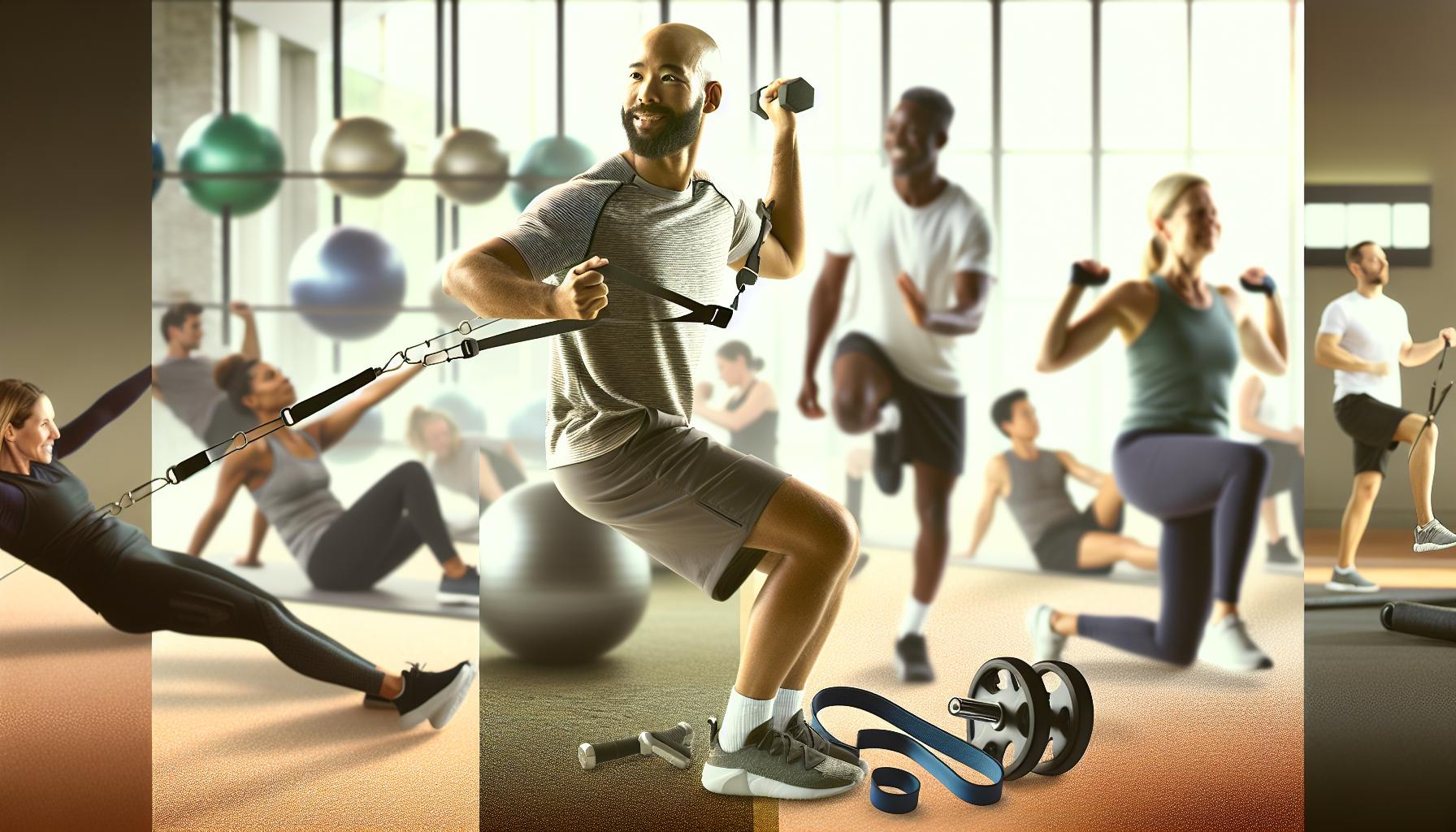
The Role of Posture in Scoliosis Health
Proper posture plays a pivotal role in the health and management of scoliosis, often serving as a critical signal of how well one’s body is functioning. Many individuals with scoliosis may not realize that the alignment of their spine can significantly influence pain levels, mobility, and overall quality of life. By consciously improving posture, whether through mindful awareness or structured exercise, individuals can potentially mitigate some of the discomfort associated with scoliosis and promote better spinal health.
Maintaining an optimal posture involves aligning the head, shoulders, and hips in a way that distributes weight evenly across the spine. This alignment helps minimize strain and stress on the vertebral column, which can be particularly beneficial for those with curvature issues. Here are some practical tips to enhance posture:
- Ergonomic Adjustments: Ensure your workspace is ergonomically designed. Adjust your chair height and desk to keep your back straight and feet flat on the ground.
- Mindful Sitting: When sitting, aim to keep your back against the chair and shoulders relaxed. Try to avoid slumping or leaning to one side.
- Regular Breaks: If you spend long periods seated, take regular breaks to stand, stretch, and realign your posture. This practice not only promotes spinal health but also enhances circulation.
- Posture Training: Consider working with a physical therapist to develop a program focused on postural training, which can help reinforce proper body mechanics.
Incorporating posture-focused exercises into your routine is another effective strategy. Activities such as yoga or Pilates emphasize core strength and alignment, which are crucial for anyone dealing with scoliosis. Practicing these exercises can enhance body awareness and strengthen the muscles that support the spine, contributing to better posture.
It’s worth noting that improving posture is not a one-time fix but an ongoing commitment. Individuals should strive to cultivate an awareness of their body mechanics throughout daily activities. For those managing scoliosis, working closely with healthcare professionals, such as physical therapists and chiropractors, can provide tailored strategies to improve posture safely and effectively. This multifaceted approach may lead to greater comfort, enhanced mobility, and an overall improved sense of well-being.
Nutrition for Scoliosis: Foods that Support Spine Health
Nutrition plays a pivotal role in managing scoliosis, influencing overall health, bone strength, and inflammation levels. A well-balanced diet can provide the necessary nutrients that support spinal health and potentially slow the progression of this condition. Understanding which foods to include in your diet is essential for anyone looking to enhance their recovery and maintain a healthy spine.
Key Nutrients for Spine Health
To promote optimal spine health, focus on incorporating the following nutrients into your meals:
- Calcium: Vital for building and maintaining strong bones, calcium is crucial for anyone with scoliosis. Aim to consume dairy products like milk, yogurt, and cheese, as well as leafy greens such as kale and spinach.
- Vitamin D: This nutrient assists the body in absorbing calcium. Sun exposure and foods like fatty fish and fortified products can help boost your Vitamin D levels.
- Omega-3 Fatty Acids: Known for their anti-inflammatory properties, omega-3s found in fatty fish, walnuts, and flaxseeds can help reduce inflammation, which may alleviate some scoliosis symptoms.
- Protein: Essential for muscle repair and growth, protein-rich foods such as lean meats, beans, and legumes should be staples in your diet.
Foods to Embrace
In addition to focusing on these key nutrients, consider incorporating the following foods into your daily routine to support spinal health:
- Dairy Products: They are excellent sources of calcium and vitamin D.
- Leafy Greens: Such as kale, spinach, and broccoli can provide essential vitamins and minerals.
- Fatty Fish: Salmon, mackerel, and sardines are not only rich in omega-3s but also offer a healthy dose of protein.
- Berries and Citrus Fruits: These foods are packed with antioxidants and can help reduce inflammation.
Choosing nutrient-rich, whole foods over highly processed options can also make a significant difference. Foods loaded with sugar, unhealthy fats, and additives may lead to increased inflammation and exacerbate discomfort. Instead, consider meal prepping or cooking at home to control ingredients and make healthier choices.
Ultimately, nutrition is a powerful ally in managing scoliosis. By focusing on a balanced diet rich in essential nutrients, you can foster a healthier body that can better cope with the challenges of scoliosis. Always consult with a healthcare professional or a registered dietitian to tailor a dietary plan that suits your specific needs and complements your treatment approach.
Chiropractic Care: An Alternative for Scoliosis
Chiropractic care offers a compelling alternative for individuals seeking non-surgical methods to manage scoliosis. While traditional treatment often focuses on observation, bracing, or surgery, chiropractic adjustments aim to improve spinal alignment, enhance mobility, and alleviate discomfort. This holistic approach emphasizes the body’s inherent ability to heal itself, and many patients report not only reduced pain but also improved quality of life as a result of chiropractic interventions.
Chiropractors employ various techniques tailored to the individual’s specific scoliosis condition. These may include spinal manipulations, soft tissue therapies, and rehabilitative exercises designed to strengthen the muscles supporting the spine. The objective is to address not just the curvature of the spine but also any associated muscle imbalances and nervous system dysfunctions. Regular chiropractic adjustments can promote nerve function, which is crucial given that spinal nerves control many bodily functions, including the musculoskeletal system.
A study conducted on scoliosis patients seeking chiropractic treatment found significant improvements in both pain levels and spinal curvature over time. Patients often describe feeling more balanced and stable after sessions, highlighting the potential benefits of integrating chiropractic care into their scoliosis management plan. However, it’s essential to approach chiropractic care as part of a broader treatment strategy that may include physical therapy, nutrition, and exercises specifically designed for scoliosis. Collaborating with a healthcare professional ensures that patients receive balanced, comprehensive care tailored to their unique needs.
It’s worth noting that while many find relief and support through chiropractic adjustments, individual responses vary. Therefore, prospective patients should consult with qualified chiropractors who specialize in treating scoliosis and remain open to adapting their treatment plans based on ongoing assessments and results. By doing so, they can harness the potential benefits of chiropractic care while taking an active role in their scoliosis management journey.
Yoga and Mindfulness Techniques for Scoliosis
Incorporating yoga and mindfulness techniques into your daily routine can yield significant benefits for individuals managing scoliosis. Research suggests that these practices not only enhance physical flexibility and strength but also promote mental well-being, which is crucial when facing the challenges of scoliosis. Engaging in yoga can support posture alignment, alleviate pain, and improve overall body awareness, making it an effective component of a holistic approach to scoliosis management.
Many yoga poses are particularly beneficial for individuals with scoliosis, as they can help to stretch tight muscles and strengthen weak ones. For example, poses that promote lateral stretching, like the Triangle Pose (Trikonasana) or Side Angle Pose (Utthita Parsvakonasana), can lengthen the spine and open the chest, encouraging better alignment. Strengthening poses such as Plank or Warrior II (Virabhadrasana II) help to build core stability, essential for supporting the spine. Practicing these poses consistently can help manage the physical aspects of scoliosis while also providing a calming and centering experience.
Mindfulness Techniques
Mindfulness, often integrated into yoga practice, emphasizes awareness of the body and breath. This approach can be particularly empowering for individuals with scoliosis, as it encourages self-acceptance and reduces anxiety related to physical limitations. Techniques such as guided breathing or body scans help foster a connection between the mind and body, allowing practitioners to be more attuned to their physical state and emotional responses. This heightened awareness can facilitate better decision-making regarding activities and postures that feel supportive versus those that may exacerbate discomfort.
Incorporating mindfulness into everyday life can also extend beyond the mat. Simple practices like taking mindful walks or doing stretching sessions while focusing on breath and alignment can be profoundly beneficial. Such techniques enhance body awareness and cultivate a sense of calm, making it easier to navigate the emotional ups and downs that often accompany chronic conditions like scoliosis.
Ultimately, integrating yoga and mindfulness into a comprehensive non-surgical treatment plan may improve physical symptoms and enhance emotional resilience. Individuals considering these techniques should consult with healthcare professionals to design a personalized approach that aligns with their specific needs and conditions, ensuring safety and effectiveness as they explore these holistic methods of managing scoliosis.
Supportive Devices: When to Consider Bracing
Properly addressing scoliosis can significantly impact an individual’s quality of life, and in many cases, bracing serves as a vital component in non-surgical management strategies. While not all individuals with scoliosis will require a brace, there are specific circumstances where it can be beneficial, particularly in younger patients whose spines are still growing. Braces are designed to prevent the progression of spinal curvature and help maintain posture, making it essential to understand when they should be considered.
When bracing is recommended, it typically involves a thorough evaluation by a healthcare professional who specializes in scoliosis treatment. They will assess factors like age, the severity of the curvature, and the patient’s growth potential. Braces such as the Boston brace or the Charleston bending brace are commonly used and vary in design depending on the curvature’s location and pattern. The goal of these devices is to support the spine without restricting movement, allowing patients to continue their everyday activities while providing the necessary correction.
Key Considerations for Bracing
- Growing Children and Adolescents: The primary demographic for bracing is often children and adolescents who have not yet reached skeletal maturity. Bracing is most effective when the patient is still growing, as it can guide the spine into a more optimal position during this critical developmental phase.
- Curvature Severity: Generally, braces are recommended for curves that measure between 25 and 40 degrees. If the curvature is less than 25 degrees, regular monitoring may suffice; if it’s above 40 degrees, surgery may become a consideration.
- Compliance: Success with bracing is closely linked to the patient’s compliance with wearing the device as prescribed. Typically, this means wearing the brace for 16 to 23 hours a day. Engaging with support groups or counseling can encourage adherence and address concerns about self-image.
Consulting with a healthcare professional experienced in scoliosis is crucial for monitoring progress and making necessary adjustments to treatment plans. Regular follow-ups allow for timely assessments and ensure that the brace is effectively addressing the curvature. As patients venture into adolescence, the emotional aspects of wearing a brace should not be overlooked. Support from family, friends, and healthcare providers can make a significant difference in navigating this journey.
In conclusion, while bracing presents a powerful tool in managing scoliosis, it is essential to approach each case individually. Emphasizing regular communication with healthcare professionals and fostering a supportive environment can enhance the success of this treatment path, facilitating a healthier spine and promoting overall well-being.
Navigating Pain Management without Surgery
Managing pain from scoliosis, particularly without surgical intervention, is often a multifaceted approach that emphasizes natural methods and lifestyle adjustments. A significant number of individuals with scoliosis have reported success in alleviating discomfort through a combination of physical therapies, mindfulness practices, and activity modifications. Understanding these techniques can empower patients to take control of their pain while avoiding invasive procedures.
Physical therapy is a cornerstone of non-surgical pain management. Targeted exercises can strengthen the muscles that support the spine, improve flexibility, and increase endurance. A personalized regimen is essential, ideally crafted by a healthcare professional who understands the complexities of scoliosis. For instance, the Schroth Method, a physical therapy approach specifically designed for scoliosis, focuses on correcting posture and isometric exercises to relieve pain and improve spinal alignment [2].
In addition to physical therapy, integrating mindfulness and relaxation techniques can be incredibly beneficial. Practices such as yoga and meditation have shown promise in reducing pain perception and enhancing overall emotional well-being. Yoga focuses on breathing, flexibility, and strength, all of which can contribute to a more balanced posture and reduced tension around the spine. Mindfulness helps individuals cultivate awareness of their body, which may reduce anxiety related to pain, promoting a more holistic approach to pain management.
Furthermore, nutrition plays an instrumental role in managing pain naturally. A diet rich in anti-inflammatory foods, such as fatty fish, nuts, fruits, and vegetables, can help reduce systemic inflammation, potentially alleviating discomfort associated with spinal issues. Staying hydrated and considering supplements like omega-3 fatty acids may also contribute to overall joint and muscle health.
It’s crucial, however, that anyone considering these methods consult with healthcare professionals to develop a comprehensive pain management plan tailored to their unique situation. Regular check-ins with physical therapists or medical practitioners can help assess progress, adjust treatment as needed, and ensure a safe approach to managing scoliosis without surgery. Adopting a proactive stance towards pain management can empower individuals on their journey toward better spinal health.
Personal Stories: Successes in Natural Scoliosis Treatment
Many individuals with scoliosis have found success through non-surgical methods, demonstrating the power of personalized care and lifestyle modifications in enhancing quality of life. One inspiring story comes from Jessica, a 28-year-old who struggled with scoliosis since her teenage years. After avoiding surgery due to fears about recovery time and complications, she turned to the Schroth Method-a specialized physical therapy for scoliosis. Through consistent practice of its targeted exercises, Jessica not only improved her posture but also significantly reduced her back pain. Her dedication to this method empowered her to manage her condition effectively, emphasizing the importance of choosing a tailored approach to treatment.
Another remarkable journey is that of David, who discovered yoga as a transformative practice for managing his scoliosis. Initially hesitant, he attended a local class designed for individuals with spinal conditions. Through yoga, David learned to focus on his breath, enhancing his flexibility while simultaneously strengthening the muscles supporting his spine. Over time, he noted a marked improvement in his ability to engage in daily activities without discomfort. His story highlights how holistic therapies can significantly influence spinal health and overall wellness.
Nutrition has also played a pivotal role in the experiences of many individuals managing scoliosis naturally. Sarah found that by incorporating anti-inflammatory foods into her diet, such as leafy greens, fatty fish, and nuts, she experienced less pain and improved mobility. Her proactive approach to nutrition not only contributed to her physical health but also fostered a deeper understanding of how dietary choices impact spinal well-being.
The promise of natural treatments is further reinforced by these personal testimonies. They illustrate that with the right combination of physical therapy, mindfulness practices, and nutritional supports, individuals can navigate their scoliosis journey more comfortably and confidently. It is crucial, however, for anyone considering such approaches to seek guidance from healthcare professionals to craft a plan that aligns with their specific needs and goals. By sharing these stories, we hope to inspire others to explore non-surgical methods and take charge of their wellness paths.
Q&A
Q: What are the most effective non-surgical methods for treating scoliosis naturally?
A: Effective non-surgical methods for scoliosis treatment include targeted physical therapy, chiropractic care, yoga, specific strengthening exercises, and nutritional support. Each method aims to improve spinal alignment and alleviate symptoms without invasive procedures. Consider integrating these practices into your daily routine for optimal spine health.
Q: How can yoga help in managing scoliosis symptoms?
A: Yoga can enhance flexibility and strengthen core muscles, which may improve posture and reduce pain associated with scoliosis. Specific poses target spinal alignment and can foster relaxation, helping to manage stress that may aggravate symptoms. Incorporate practice regularly for lasting benefits.
Q: What nutritional approaches support natural scoliosis treatment?
A: A balanced diet rich in calcium, vitamin D, and anti-inflammatory foods is essential for spinal health. Nutrient-dense foods like leafy greens, fish, and nuts can help strengthen bones and promote overall wellbeing. Prioritize hydration and avoid processed foods to support your treatment plan.
Q: Can posture correction exercises help with scoliosis?
A: Yes, posture correction exercises can significantly benefit individuals with scoliosis. These exercises focus on strengthening back and abdominal muscles, improving alignment, and reducing pain. Regular practice can help maintain a healthier spinal curve and alleviate discomfort associated with poor posture.
Q: How does chiropractic care aid in non-surgical scoliosis treatment?
A: Chiropractic care for scoliosis focuses on spinal adjustments to enhance alignment and reduce nerve pressure. This may result in improved mobility and pain relief. Regular visits can complement other non-surgical treatments, fostering a holistic approach to managing scoliosis.
Q: Are there specific exercises to alleviate scoliosis discomfort?
A: Yes, targeted exercises like planks, bridges, and back extensions can strengthen the core and back muscles, potentially alleviating discomfort related to scoliosis. Consult a physical therapist to create a personalized exercise regimen that addresses your specific condition and needs.
Q: How can mindfulness techniques assist in scoliosis management?
A: Mindfulness techniques, including meditation and breathing exercises, can help reduce stress and promote relaxation, which may alleviate pain symptoms. Practicing mindfulness regularly encourages mental clarity and emotional balance, enhancing overall quality of life for those with scoliosis.
Q: When should I consider seeking professional help for scoliosis?
A: If you experience significant pain, mobility issues, or if your scoliosis worsens, it is essential to consult a healthcare professional. Early intervention can lead to more effective management strategies. Utilize the resources in our article to identify when professional guidance is necessary.
Insights and Conclusions
As you explore natural methods to manage scoliosis, remember that every journey to wellness is unique. Empower yourself with knowledge about effective non-surgical options such as physical therapy and lifestyle changes that can aid in reducing discomfort and promoting spinal health. Don’t wait-start your path to feeling better today!
For deeper insights, check out our articles on “Exercises for Scoliosis Relief” and “Nutrition Tips for Spine Health.” If you’re considering personalized support, we recommend consulting a healthcare professional to discuss the best approach for your situation.
Join our community by signing up for our newsletter to receive regular updates and expert advice. Together, we can navigate your scoliosis journey-because you’re not alone in this! Share your thoughts or experiences in the comments below; we’d love to hear from you. Stay engaged, informed, and proactive about your health!