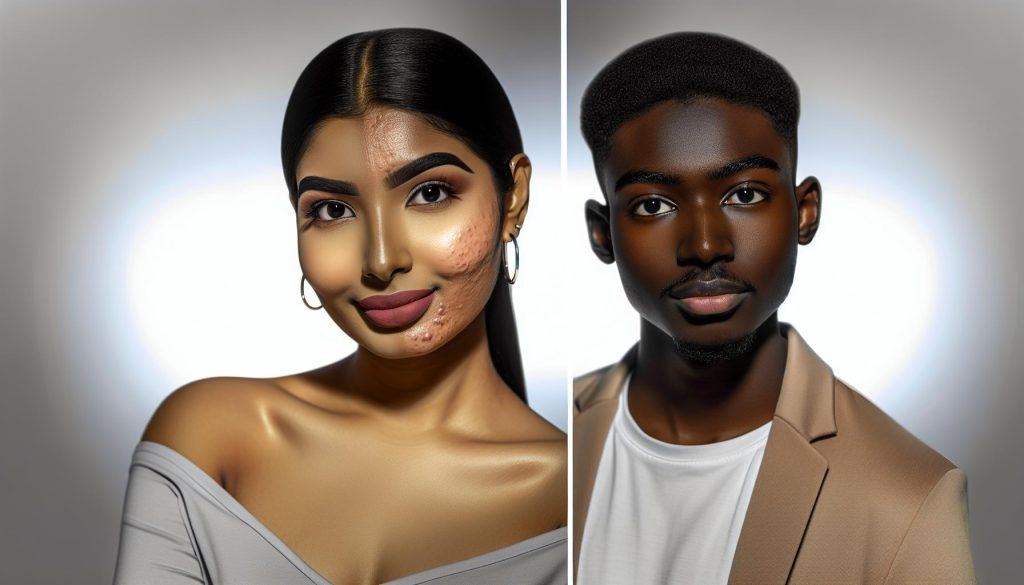
Acne scars can be a persistent reminder of past skin challenges, affecting self-esteem and confidence. Laser treatment for acne scars offers a transformative solution by utilizing advanced technology to resurface the skin, reducing the appearance of scars and restoring a smooth complexion. Many individuals struggle with stubborn imperfections, and understanding how these laser treatments work can empower you to take action towards clearer skin. In this article, we will explore before and after results of laser therapy, providing insights into what you can expect, potential benefits, and the steps involved in the treatment process. Whether you’re looking for information to make an informed decision or simply curious about the possibilities, read on to discover how laser treatment could be the key to rejuvenating your skin and enhancing your overall appearance.
Understanding Acne Scars: Causes and Types
Understanding acne scars is essential for those seeking effective treatments, especially laser options. These scars arise when the skin heals from inflammation or injury, commonly due to acne. When the skin suffers from acne, it sometimes loses collagen, leading to deeper indentations or raised areas that result in scarring. The type of acne scar can vary, and recognizing these differences can help in choosing the most appropriate treatment.
There are several types of acne scars, primarily categorized into two groups: atrophic and hypertrophic scars. Atrophic scars are indented and tend to be more common, resulting from a lack of tissue during the healing process. These can be further divided into three subtypes: boxcar scars, which are round and have sharp edges; ice pick scars, which are V-shaped and deeper; and rolling scars, which create an uneven skin surface due to underlying fibrous bands. On the other hand, hypertrophic scars appear raised because of excess collagen production during the healing process. Understanding these types aids in selecting tailored treatment options.
To address these scars, a thorough consultation with a dermatologist is crucial. A healthcare professional can recommend personalized therapies depending on the scar type and skin condition. Additionally, combining treatments-such as laser therapy with dermabrasion or chemical peels-could enhance results. For those frustrated with acne scars, knowing that effective solutions exist can be empowering, prompting individuals to take proactive steps toward achieving clearer skin.
The Science Behind Laser Treatments
Laser treatments for acne scars are at the forefront of dermatological advancements, offering hope to individuals struggling with skin imperfections. These treatments utilize focused light energy to target and promote the regeneration of the skin, effectively minimizing the appearance of scars. By understanding the science behind these laser treatments, individuals can make informed decisions about their skincare journey.
At its core, laser therapy works by stimulating collagen production in the skin. When the laser is applied, it penetrates the skin layers, causing controlled damage to the scar tissue. This process encourages the body’s natural healing response, resulting in the formation of new, healthy skin. The type of laser used, such as ablative or non-ablative, will depend on the severity of the scarring. Ablative lasers, for instance, remove the outer layer of skin and are ideal for more severe scars, while non-ablative lasers target the deeper layers without damaging the surface, making them suitable for milder cases.
Moreover, there are several laser configurations available, each designed to treat specific types of acne scars. For instance, fractional lasers create microscopic wounds in the skin, allowing for faster healing and less downtime compared to traditional laser methods. This innovative approach not only effective in reducing scar visibility but also minimizes the risk of side effects such as prolonged erythema or pigmentation changes.
Patients should be prepared for a series of treatments to achieve optimal results, as individual skin responses can vary. During consultations, dermatologists will assess skin types, scar characteristics, and treatment goals to customize a plan that aligns with patients’ needs. This personalized approach not only enhances the effectiveness of the treatment but ensures a safer experience, paving the way for healthier skin and renewed self-confidence.
Popular Laser Treatments for Acne Scars
Laser treatments have revolutionized the way we approach acne scars, providing patients with a powerful means to restore their skin’s texture and appearance. Among the most widely recognized options are fractional lasers, CO2 lasers, and Er:YAG lasers, each offering unique benefits tailored to different types of scarring.
Fractional Lasers
Fractional lasers, such as the fractional CO2 laser, utilize a technique where only a fraction of the skin is treated at a time. This approach creates microscopic thermal injuries that promote healing and collagen production, ultimately reducing the appearance of scars without the extensive downtime associated with traditional ablative lasers. Patients often notice significant improvement in skin texture and tone over multiple sessions, making fractional lasers a popular choice for those with moderate to severe acne scarring.
CO2 Lasers
CO2 lasers are highly effective for deeper scars and skin resurfacing. This powerful laser removes layers of damaged skin, allowing for a smoother and more even surface. Typically, CO2 treatments require a longer recovery time, but the results can be remarkable, often significantly diminishing the visibility of both shallow and deep scars. Many patients report great satisfaction with their post-treatment appearance, as new, healthier skin emerges.
Er:YAG Lasers
For those who prefer a less invasive approach, Er:YAG lasers are an excellent option. These non-ablative treatments work on the outer layers of the skin while preserving its integrity, minimizing recovery time and potential side effects. While results may not be as dramatic as those from CO2 lasers, they provide effective scar reduction with less discomfort, making them suitable for individuals with sensitive skin or those concerned about recovery duration.
In conclusion, understanding the variety of laser treatments available can empower individuals to make informed choices about their skincare. Consulting with a qualified dermatologist is essential, as they can tailor a treatment plan that addresses specific skin concerns, ensuring optimal results and the best pathway to healthier, scar-free skin.
Before and After: Real Patient Transformations
Seeing the transformative effects of laser treatments on acne scars can be incredibly inspiring and motivating for anyone considering this option. Many patients experience significant improvements in their skin’s appearance, often sharing their journeys from embarrassment to confidence. These transformations highlight not only the effectiveness of laser therapy but also the potential for renewed self-esteem and a fresh outlook on life.
Before undergoing treatment, patients often come into the clinic feeling self-conscious about their skin, which might be marked by deep indentations, uneven texture, or discoloration stemming from past acne. However, after several sessions of laser treatment, many report remarkable changes. The new skin that forms post-treatment reveals a smoother, more uniform complexion, with reduced visibility of scars. For instance, one patient described their experience stating, “I felt like I was hiding behind a mask due to my scars; now, I can smile without worrying about my skin.”
Feedback from real patients illustrates the process as well. They often mention that a series of treatments has helped them achieve smoother skin with reduced scarring. Many also underscore the importance of having realistic expectations and following the recommended skincare routine post-treatment. These insights are backed by before-and-after photographs that document the visible improvements. Such images not only visually narrate the success of treatments like fractional CO2 and Er:YAG lasers but also serve to motivate those still contemplating their options.
In conclusion, the before-and-after results of laser treatments for acne scars are a testament to the advancements in dermatology. Many patients leave their consultations feeling hopeful and empowered, ready to embrace the new skin that awaits them. It’s essential to consult with a qualified dermatologist to explore which laser treatment will best meet individual skin needs and to understand the comprehensive journey from treatment to post-care for optimal results.
What to Expect: Laser Treatment Process
The journey into laser treatment for acne scars can be transformative, yet understanding what actually happens during the procedure is crucial for managing expectations and ensuring the best possible outcome. From the moment you step into the clinic, a carefully structured process is undertaken to prepare you for your treatment, tailored to your unique skin needs.
Preparing for the Treatment
Initially, you will have a consultation with a qualified dermatologist who will assess your skin condition, discuss your medical history, and outline the laser treatment options available. It’s essential to communicate your skin concerns and goals clearly. During this stage, a treatment plan will be developed, often involving several sessions spaced out over weeks or months. On the day of the procedure, you may arrive with skincare restrictions already in place, which typically include avoiding sun exposure or certain products to minimize irritation.
The Treatment Process
Once you are prepared, the treatment can begin. Depending on the type of laser used, you might be given a topical anesthetic to alleviate any discomfort during the procedure. As the laser is applied, it emits focused energy to target the scarred tissue, promoting new skin growth while encouraging the production of collagen. This process varies based on the laser type; for instance:
- Fractional CO2 Laser: Targets small areas of the skin, leaving surrounding tissue unharmed for quicker healing.
- Erbium Laser: Offers a gentler option, focusing on the outer layer of skin with less downtime.
Each session usually lasts about 30 minutes to an hour, depending on the extent of the area being treated. Patients often describe the sensation as similar to a rubber band snapping against the skin or a mild tingling, though this varies widely among individuals.
Post-Treatment Experience
After the laser treatment, your skin may appear red and swollen, similar to a mild sunburn. It’s vital to follow post-treatment care instructions, which typically include gentle cleansing, application of soothing creams, and strict sun protection. During the recovery period, you may notice peeling as the old skin exfoliates to reveal a smoother complexion underneath. Most people can return to normal activities within a few days, but full results will develop over several weeks as skin continues to heal and regenerate.
Throughout the process, clear communication with your dermatologist is key. They will guide you on what to expect at each stage, ensuring a positive experience and optimal results from your laser treatment journey.
Benefits of Laser Treatment for Acne Scarring
For individuals grappling with the lasting effects of acne scars, laser treatments have emerged as a revolutionary option for skin rejuvenation. Clinical studies have shown that these treatments can significantly reduce the visibility of scars, leading to a smoother, more even complexion. The benefits of laser therapy extend beyond mere cosmetic enhancement; they also contribute to improved self-esteem and overall quality of life for many patients.
One of the key advantages of laser treatment is its ability to stimulate collagen production within the skin. As new collagen fibers form, they help fill in and smooth out the depressed scar tissue, transforming the texture of the skin. This natural healing process is particularly effective for both atrophic scars, which are sunken into the skin, and hypertrophic scars, which are raised. Laser treatments, such as fractional CO2 and Erbium lasers, not only address the scars effectively but also encourage ongoing skin renewal long after the sessions have ended.
Moreover, laser therapy is often regarded as a less invasive alternative compared to surgical procedures. Unlike traditional methods that may require significant downtime, many laser treatments can be tailored to minimize recovery time. Patients frequently experience only mild discomfort and transient redness, allowing them to resume daily activities fairly quickly. In addition, with advancements in technology, various laser options cater to diverse skin types and scar conditions, providing customized solutions that align with individual patient needs.
Another compelling benefit is the long-lasting results. Many users report significant improvements that can last for months or even years, depending on their skin type and the specific treatment used. Regularly maintained sessions can enhance these results further, leading to a sustainable and beautiful transformation. Ultimately, laser treatments for acne scarring not only improve the physical aspects of skin appearance but also foster a renewed sense of confidence and well-being for those who choose this path.
Potential Risks and Side Effects to Consider
While laser treatments for acne scars can yield transformative results, it’s essential to be aware of the potential risks and side effects associated with the procedure. Understanding these factors is crucial for anyone considering this option for skin rejuvenation. The side effects can vary based on the type of laser used and individual skin characteristics, but general experiences provide a helpful guideline.
Temporary side effects of laser treatment commonly include redness, swelling, and discomfort in the treated areas. Patients may notice a sunburn-like sensation, which typically subsides within a few hours to several days post-treatment. Careful adherence to post-treatment care is vital to minimize these effects, and discussing pain management options with your healthcare provider can be beneficial. In some cases, patients may also experience scabbing or bruising, particularly with more aggressive laser treatments, which can take longer to heal.
In rare instances, more significant complications may arise, such as hyperpigmentation or hypopigmentation, affecting skin tone. This is more prevalent in individuals with darker skin types, where the risk of discoloration post-laser treatment might be heightened. Consulting with a qualified practitioner who can assess your skin type and medical history is advisable to customize treatment plans that mitigate these risks. Additionally, there’s a potential for infection, especially if aftercare instructions are not closely followed. Ensuring that the treatment area is kept clean and avoiding sun exposure can significantly reduce this risk.
Lastly, it’s important to acknowledge that while most side effects are temporary and manageable, some individuals may face more profound reactions. Before proceeding, have an open dialogue with your dermatologist or surgeon about your specific concerns and conditions. This proactive approach not only prepares you for what to expect but also empowers you to make informed decisions regarding your acne scar treatment journey.
Post-Treatment Care for Optimal Results
Following laser treatment for acne scars, your skin is in a delicate phase of healing, making post-treatment care crucial for achieving optimal results. Understanding how to care for your skin after the procedure can significantly enhance recovery and impact the final aesthetic outcome. Did you know that diligent aftercare not only supports healing but also boosts your skin’s overall health and appearance long-term?
To start, it’s important to keep the treated area clean. Gently cleanse your face using a mild, non-abrasive cleanser as recommended by your dermatologist. Avoid hot water, abrasive scrubs, or any exfoliating products for at least a week to minimize irritation. After cleansing, apply a soothing moisturizer that hydrates without clogging pores. Products containing hyaluronic acid can be beneficial as they help retain moisture, promoting a healthier healing environment.
Sun Protection
Protecting your skin from sun exposure post-treatment is vital. The treated area will be more sensitive, and exposure to UV rays can lead to complications such as hyperpigmentation. Use a broad-spectrum sunscreen with an SPF of at least 30, reapplying every two hours when outdoors. Consider wearing a wide-brimmed hat and sunglasses for added protection during the healing process, particularly in the first few weeks.
Avoiding Irritants
For the first couple of weeks, steer clear of products that contain strong active ingredients, such as retinoids, glycolic acid, or benzoyl peroxide, which can irritate the skin. Also, refrain from activities that can cause overheating and sweating, including intense workouts, saunas, or hot showers. These can exacerbate the feeling of discomfort and lead to potential complications during the healing period.
By adhering closely to these post-treatment guidelines, you not only facilitate a smoother recovery but also position your skin to maximize the benefits of the laser treatment, ultimately helping you achieve the refreshed, scar-free look you desire. Always consult your dermatologist for personalized aftercare advice, ensuring you address any specific concerns unique to your skin type and situation. This proactive approach will empower you on your journey to clearer skin.
Comparing Laser Treatments with Other Options
Considering treatment options for acne scars can be overwhelming, especially when weighing the effectiveness, recovery time, and cost. Laser treatment has become a preferred choice due to its targeted approach in reducing the appearance of scars, but it’s essential to explore how it compares with other available options, such as chemical peels, microdermabrasion, and fillers.
Laser treatments use focused light therapy that heats and breaks down scar tissue while promoting new skin growth. This process can yield significant results, often allowing for substantial improvement in skin texture and tone. However, alternative methods also hold their own merits. For instance, chemical peels utilize acid solutions to exfoliate damaged skin layers, which can help diminish superficial scars. While effective for some, chemical peels may require multiple sessions to achieve desired results, and deeper scars might not respond as favorably.
Microdermabrasion is another option, particularly suitable for those with mild scarring. This procedure mechanically exfoliates the outer skin layer, which might help improve skin texture. It’s non-invasive and requires minimal downtime, making it a practical choice for individuals seeking a less aggressive treatment. However, it may not be as effective for deeper scars when compared to laser options.
Fillers also offer an appealing solution, especially for rolling and atrophic scars. They provide immediate volume and smoothness in treated areas and can be combined with other treatments for enhanced results. However, fillers require ongoing maintenance, as the effects are temporary, and they do not address pigmentation issues or the underlying skin condition.
Ultimately, the best approach to treat acne scars is highly individualized and should be guided by a healthcare professional. Consultation with a dermatologist can help assess the specific type of scars, skin type, and personal preferences to create a customized treatment plan. By exploring all options-each with distinct benefits and limitations-you can make a more informed decision on how to achieve the healthiest and most aesthetically pleasing skin.
Cost Factors: How Much Do Laser Treatments Cost?
The financial aspect of laser treatments for acne scars can often be a crucial deciding factor for many individuals. Understanding the cost dynamics associated with these procedures not only contributes to informed decision-making but can also alleviate some of the financial anxiety related to cosmetic treatments. Generally, the cost of laser treatment for acne scars can vary widely based on factors like the type of laser used, the dermatologist’s experience, geographical location, and the extent of the treatment required.
On average, patients can expect to pay anywhere from $1,000 to $3,000 for a full treatment course, which typically consists of multiple sessions. For instance, fractional CO2 laser treatments, which are known for their efficacy in scar reduction, can range from $1,200 to $2,000 per session. It’s essential to factor in that many people may require two to five sessions to achieve optimal results, depending on the severity of their scars and individual skin response.
Factors Affecting Cost
Several elements can contribute significantly to the overall cost of laser treatments:
- Type of Laser: Different lasers, like CO2 or Erbium, come with varying price points due to their technology and effectiveness.
- Clinic Reputation: Well-established clinics with experienced dermatologists may charge more, but often provide higher-quality care and better results.
- Geographical Location: Treatments in metropolitan areas or regions with high living costs generally incur higher fees compared to rural settings.
- Session Count: The number of sessions required will directly impact total cost; deeper or more extensive scars might necessitate additional treatments.
Insurance Considerations
Another important aspect to consider is whether your health insurance plan will cover any portion of the treatment. Most cosmetic procedures, including laser scar treatment, are typically not covered by insurance as they are considered elective. However, if the treatment is deemed medically necessary (for example, if the scars cause significant psychological distress), your provider may offer partial reimbursement. It is advisable to consult with your insurer before proceeding, as they can give you a clearer picture of your coverage options.
Ultimately, while the upfront costs of laser treatments for acne scars may seem daunting, many patients find the long-term benefits, both aesthetic and psychological, to be worth the investment. Always consult with a qualified healthcare professional to discuss the most cost-effective treatment plan tailored to your individual needs and budget.
Choosing the Right Professional for Treatment
Choosing the right professional for laser treatment can make all the difference in achieving your desired results. With the variety of treatments available, it’s critical to select someone who not only understands the procedure but can also tailor it to your unique skin type and scar condition. Begin by seeking out board-certified dermatologists or plastic surgeons who specialize in laser treatments for acne scars. These professionals typically have the required training and experience to provide safe and effective care.
To ensure you find the best match, consider the following factors:
- Credentials and Experience: Verify the professional’s credentials and look for specialized training in dermatology. Experience in handling cases similar to yours can significantly influence treatment outcomes.
- Patient Reviews and Before-and-After Photos: Look for testimonials from previous patients and analyze before-and-after photos to assess the quality of their work. This can give you an idea of what to expect from your treatment.
- Consultation Approach: A reputable professional should offer a thorough consultation where they discuss your concerns, evaluate your skin, and recommend a personalized treatment plan. They should take the time to answer all your questions and address any reservations you might have.
- Clinic Environment: Pay attention to the cleanliness and professionalism of the clinic. A well-maintained facility often indicates a commitment to high standards of care.
Moreover, don’t hesitate to obtain multiple opinions before making a decision. This can help you better understand the range of options available as well as the expertise of different professionals. When you find the right fit, you can feel more confident moving forward with your treatment for acne scars.
Long-Term Results and Maintenance for Acne Scars
Achieving long-lasting results from laser treatments for acne scars involves more than just the initial procedure; it requires a proactive approach to maintenance and care. While laser treatments can significantly improve the appearance of scars, understanding how to optimize and prolong these results is essential. Many patients notice a remarkable difference in their skin texture and tone soon after treatment, making it important to consider how lifestyle choices and follow-up care can sustain the benefits.
To maximize long-term success, regular follow-up visits with a dermatologist or skincare professional are crucial. These appointments allow for evaluations of skin healing and the effectiveness of the treatment over time. Your provider may recommend a series of maintenance treatments, which can include follow-up laser sessions or complementary modalities such as microdermabrasion or chemical peels. Consistent use of medical-grade skincare products-including sunscreen, retinoids, and moisturizers-can further enhance the effects of the initial treatment by promoting skin health and preventing new scars from forming.
Another important aspect to consider is the impact of lifestyle factors on skin condition. Adequate hydration, a balanced diet rich in vitamins and antioxidants, and avoiding smoking can all contribute positively to your skin’s overall health. Additionally, protective measures against sun exposure, such as wearing broad-spectrum sunscreen daily, not only shield your skin from immediate damage but also help maintain the results achieved through laser treatment.
In essence, achieving long-term results from laser treatments for acne scars is a collaborative effort between the patient and their skincare provider. By staying informed, maintaining healthy skin practices, and adhering to follow-up care, individuals can enjoy the benefits of smoother, clearer skin for years to come. Always consult with your healthcare professional for personalized advice tailored to your unique situation and skin needs.
Faq
Q: What is the average timeline for seeing results from laser treatment for acne scars?
A: Typically, patients notice initial improvements within a few weeks post-treatment, with optimal results visible after 3 to 6 months as skin continues to heal. Individual results may vary based on treatment type and skin condition. For a detailed understanding, refer to the section on “Before and After: Real Patient Transformations.”
Q: Are laser treatments for acne scars effective for all skin types?
A: Yes, different laser technologies cater to various skin types and tones. It’s crucial to consult with a dermatologist to choose the most suitable option for your unique skin characteristics. This information can be expanded in the “Choosing the Right Professional for Treatment” section.
Q: How many laser sessions are typically required to treat acne scars?
A: Most patients require multiple sessions-usually between 3 to 5 treatments spaced several weeks apart-to achieve desired results. The exact number depends on the severity of the scars and the specific laser used.
Q: What kind of post-treatment care is recommended after laser acne scar treatment?
A: Following treatment, it’s essential to keep the area clean, moisturized, and protected from sun exposure. Using a gentle cleanser and a broad-spectrum sunscreen can help ensure optimal healing. More on this can be found in the “Post-Treatment Care for Optimal Results” section.
Q: Can laser treatment completely remove acne scars?
A: While laser treatments significantly improve the appearance of scars, they may not completely eliminate them. Results vary based on scar type and individual healing responses. This is essential to consider as you explore treatment options.
Q: How does the cost of laser treatment for acne scars compare to other treatments?
A: Laser treatments can be more expensive than topical treatments but often provide more significant and longer-lasting results. For a breakdown of the cost factors involved, check the “Cost Factors: How Much Do Laser Treatments Cost?” section.
Q: Is anesthesia required during laser treatment for acne scars?
A: Many laser treatments involve some form of anesthesia, either topical or local, to minimize discomfort during the procedure. Discuss anesthesia options with your healthcare provider before treatment.
Q: What factors influence the effectiveness of laser treatment for acne scars?
A: The effectiveness of laser treatment can be influenced by scar type, skin condition, the specific laser technology used, and the individual’s healing response. A customized treatment plan can enhance outcomes. Additional context can be found in “The Science Behind Laser Treatments.”
Key Takeaways
If you’re considering laser treatment for acne scars, remember that this transformative option can significantly enhance your skin’s appearance and boost your confidence. Don’t wait too long to explore your options, as the sooner you start your journey, the sooner you can see results. For those with lingering questions or hesitations, our comprehensive guide on post-treatment care is a valuable resource to ensure you’re fully informed.
We invite you to browse our related articles on acne treatment options and skin health tips to empower your decision-making process further. Sign up for our newsletter for the latest insights and breakthroughs in skincare treatments, and don’t hesitate to reach out for a personalized consultation to discuss your unique needs. Remember, your path to clear skin and renewed confidence starts now! Join the conversation in the comments below and share your thoughts or experiences with laser treatment. We’re here to support you every step of the way!