
Glutathione, often hailed for its powerful antioxidant properties, has gained attention in the realm of skin health, particularly for its alleged whitening effects. Many people seek brighter, more even-toned skin, leading to a growing interest in whether glutathione supplements or treatments can deliver on these promises. Understanding the effectiveness and safety of glutathione whitening is essential, as thousands invest in products with uncertain results and potential risks. This article will explore how glutathione works, the science behind its skin-lightening claims, and important safety considerations. Join us as we delve into the nuances of glutathione whitening to help you make informed decisions about your skin health and wellness.
Is Glutathione Whitening Proven Effective?
Despite ongoing debates about its efficacy, glutathione has gained traction as a popular agent in skin whitening treatments. Many users report positive results, citing a lighter complexion and reduced dark spots, while others are still skeptical about its effectiveness. Scientifically, glutathione operates primarily as an antioxidant, helping to reduce oxidative stress and influence melanin production in the skin. Various studies indicate that when administered in higher dosages, glutathione can inhibit the enzyme tyrosinase, which plays a crucial role in melanin synthesis, potentially leading to a lighter skin tone.
Furthermore, anecdotal evidence suggests that glutathione may have additional skin benefits, including improving overall skin texture and reducing the appearance of blemishes. However, effectiveness can vary significantly among individuals, influenced by factors such as skin type, genetics, and the form of glutathione used (oral, injectable, topical). Users should approach glutathione treatments with realistic expectations and consider combining them with other skin care regimens for enhanced results.
It is vital for potential users to consult with healthcare professionals before starting any glutathione-based regimen, especially considering the need for personalized advice based on individual skin concerns. As the body of research continues to grow, clarity around the nuanced effects of glutathione on skin whitening will become more defined, allowing individuals to make informed decisions.
The Science Behind Glutathione’s Whitening Effects
Glutathione has emerged as a significant player in the realm of skin treatment, especially when it comes to skin whitening. This powerful antioxidant is naturally produced in the body and plays a crucial role in detoxification and cellular repair. One of its interesting aspects is its ability to influence melanin production in the skin, the pigment responsible for skin color. By potentially inhibiting the enzyme tyrosinase, which is essential in melanin synthesis, glutathione can alter the pigmentation process and contribute to a lighter skin tone.
Research supports the theory that glutathione’s antioxidant properties extend to the skin, helping to combat oxidative stress. When the skin is subjected to various environmental stressors like UV radiation and pollution, oxidative stress can lead to hyperpigmentation and darker blemishes. Glutathione acts like a protective shield, neutralizing free radicals and reducing the damage they can cause. In essence, its skin-whitening effects are coupled with overall skin health benefits, including improved texture and reduced appearance of blemishes.
Additionally, the effectiveness of glutathione as a skin-whitening agent may differ based on several factors, including the method of administration (oral, injectable, or topical), individual skin types, and genetic predispositions. Users often report varying results, which highlights the importance of a personalized approach to treatment. For those considering glutathione for skin whitening, combining it with a comprehensive skincare regimen may enhance overall results.
Before initiating any glutathione treatment, it is crucial to consult with a healthcare professional. A qualified expert can provide tailored advice considering individual skin concerns and medical history, ensuring a safe and effective regimen is established. As ongoing research continues to shed light on the nuanced effects of glutathione, understanding its role in skin health will aid individuals in making informed decisions about their skincare practices.
Safety Considerations: Is Glutathione Safe to Use?
The quest for safer skin whitening solutions has led many to consider glutathione, a potent antioxidant naturally found in the body. Although touted for its potential to lighten the skin by inhibiting melanin production, it’s crucial to scrutinize its safety profile before diving into treatments. While numerous users have reported positive outcomes, understanding the safety considerations surrounding glutathione usage is essential for both informed decision-making and overall health.
To begin, it’s important to note that glutathione is generally regarded as safe for most people when used appropriately. It is available in various forms-oral supplements, topical creams, and injectable solutions-each exhibiting different safety profiles. However, because the regulation of supplements can vary by region, the quality and concentration of glutathione in products may not be consistent. This inconsistency might lead to unexpected side effects or limited efficacy. Thus, individuals should opt for reputable brands and consult healthcare providers for recommendations.
Furthermore, while most side effects are mild and can include gastrointestinal upset or allergic reactions, more serious complications can arise, particularly with intravenous administration. Users may experience flushing, rash, or other allergic reactions that require immediate medical attention. As a precautionary measure, those with existing medical conditions or those taking medications should disclose their glutathione usage to their healthcare provider. Such transparency ensures comprehensive safety monitoring and the possibility of adjusting dosages if necessary.
It is also worth mentioning that recent studies point towards the potential for increased risks when glutathione is combined with certain other treatments, especially those affecting skin pigmentation. Thus, having a personalized approach to glutathione use, tailored to individual health profiles and skin types, enhances safety while aiming for desired results.
In conclusion, while glutathione can be a promising ingredient in the quest for lighter skin, it’s not without its complexities. Engaging with healthcare professionals before starting any treatment is paramount to ensuring the safest, most effective approach tailored to personal health needs and goals. Empower yourself with knowledge and seek expert insights to navigate the myriad options available safely.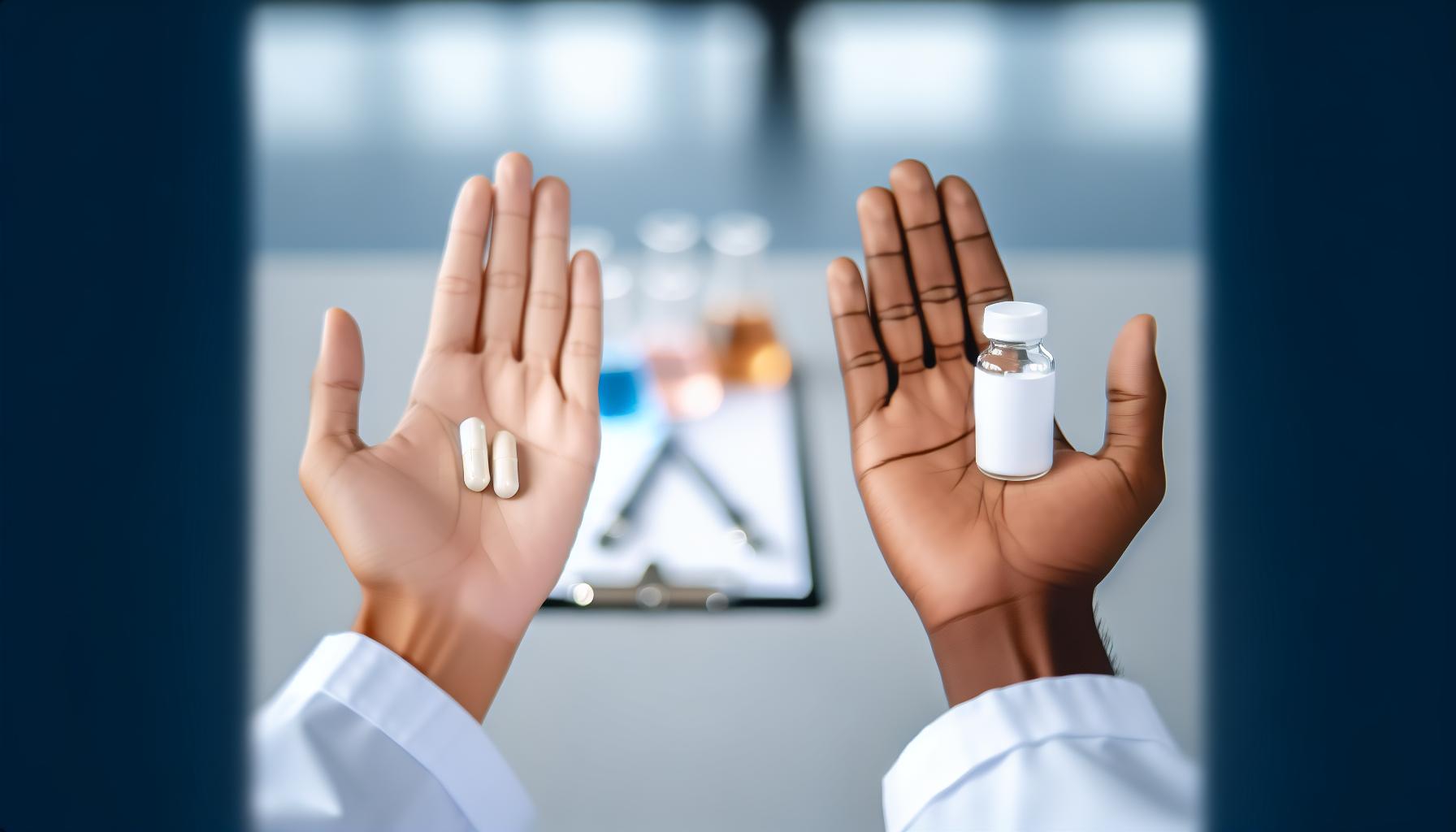
Comparative Analysis: Glutathione vs. Other Whitening Agents
Exploring the landscape of skin whitening agents reveals a variety of options, with glutathione emerging as a notable contender due to its antioxidant properties and potential effects on melanin production. However, when comparing glutathione to other common whitening agents, such as hydroquinone, kojic acid, and arbutin, it’s vital to gauge their effectiveness, safety, and user experiences.
Effectiveness and Mechanism
Glutathione works primarily as a powerful antioxidant, inhibiting the enzyme tyrosinase, which is crucial in the formation of melanin. This mechanism positions it as an appealing choice for those seeking to lighten their skin. In contrast, hydroquinone is another widely used agent, renowned for its potency in inhibiting melanin synthesis but often associated with side effects like skin irritation and the risk of ochronosis, a condition that leads to bluish-black discoloration of the skin with prolonged use. Kojic acid, derived from fungi, also acts as a melanin inhibitor and tends to have milder side effects, yet it may cause allergic reactions in some individuals. Finally, arbutin, a natural derivative of hydroquinone, offers a gentler approach with similar efficacy but is generally considered safer.
Safety Profiles
When discussing safety, glutathione is typically regarded as safer, especially when used in oral or topical forms. Hydroquinone, although effective, has been banned in some countries due to its adverse effects, including potential carcinogenicity when used long-term. Kojic acid is considered relatively safe, but its efficacy is often dose-dependent, which could lead to irritation if misused. In contrast, arbutin is deemed safe for most skin types and is generally well-tolerated. Here’s a quick comparison:
| Whitening Agent | Mechanism of Action | Common Side Effects | Safety Considerations |
|---|---|---|---|
| Glutathione | Inhibits tyrosinase | Mild gastrointestinal upset | Generally safe; consult a professional |
| Hydroquinone | Blocks melanin formation | Skin irritation, ochronosis | Potentially harmful long-term use |
| Kojic Acid | Inhibits melanin synthesis | Allergic reactions, skin irritation | Use with care; patch test recommended |
| Arbutin | Melanin synthesis inhibition | Rare skin irritation | Generally safe and effective |
User Experiences and Considerations
User experiences vary widely among these agents. Many have reported satisfactory results with glutathione, and it is often praised for a more gradual lightening effect, making it a preferred choice for those hesitant about harsh treatments. On the other hand, while hydroquinone may yield more immediate results, its associated risks often lead users to seek alternatives. It’s essential for individuals to weigh these options against their skin type, concerns, and any pre-existing conditions. Consulting healthcare providers will also empower users to make informed choices tailored to their needs.
Overall, while glutathione demonstrates promise as a skin whitening agent, it is crucial to consider the alternatives and their trade-offs to find the most suitable solution for achieving desired results safely.
User Experiences: Real Results from Glutathione Whitening
User experiences with glutathione whitening reveal a spectrum of results, highlighting the diverse reactions individuals can have to this treatment. Many users report experiencing a gradual and noticeable lightening of their skin tone over time, often describing the outcome as subtle yet effective. This slow and steady approach appeals to those wary of harsher skin whitening agents like hydroquinone, which can offer more immediate but potentially harsher results. Users frequently mention improved skin texture and a more radiant complexion as additional benefits of their glutathione regimen.
A significant number of testimonials emphasize that those who have opted for glutathione injections or supplements have witnessed changes within a few weeks, with some users noting a pronounced lightening effect after about a month of consistent use. Such feedback suggests that while the process may require patience, many users appreciate the reduced risk of adverse effects commonly associated with other whitening products. Furthermore, the antioxidant properties of glutathione are often highlighted by users, who celebrate not just aesthetic improvements but also enhanced skin health.
Despite generally positive reviews, it’s essential to recognize that responses can vary based on individual skin types and health conditions. Users with darker skin tones sometimes report that results are less pronounced, leading to a debate among users about the effectiveness of glutathione across different ethnic backgrounds. To maximize benefits and minimize risks, many recommend consulting a healthcare professional prior to starting treatment; this ensures that the chosen method of administration-be it topical creams, pills, or injections-aligns with individual health profiles and skincare goals.
Ultimately, while many users have shared favorable outcomes related to glutathione whitening, experiences highlight the importance of a tailored approach, comprehensive research, and expert advice. By understanding the nuanced effects and incorporating glutathione as part of an informed skincare routine, users can make empowered decisions to achieve their desired skin health.
Potential Side Effects of Glutathione Whitening
While glutathione is widely praised for its potential skin whitening effects, it’s crucial to be aware of the possible side effects that may accompany its use. Many people seeking to enhance their skin tone through glutathione treatments may experience unexpected reactions, underscoring the importance of vigilance when incorporating this antioxidant into one’s skincare routine.
One of the most frequently reported side effects is skin irritation, which can manifest as redness, itching, or peeling in sensitive individuals. This could be particularly pronounced for those using topical formulations or for those who undergo injections. Moreover, while systemic side effects are less common, some users have reported gastrointestinal upset, including nausea, diarrhea, or abdominal pain, particularly when high doses are consumed orally. In rare cases, allergic reactions may occur, presenting symptoms such as hives, swelling, or breathing difficulties.
To minimize risks, it is advisable to approach glutathione whitening with caution, starting with lower doses and monitoring your body’s response. Consulting with a healthcare professional before beginning any new treatment regimen is imperative, especially for those with pre-existing health conditions or those who are pregnant or breastfeeding. Understanding your body’s unique needs and how it might react to glutathione can safeguard against adverse effects while allowing you to experience its potential benefits safely.
In addition, it’s important to consider that some individuals may not experience any side effects at all, leading to a perception that glutathione is universally safe. Awareness of these potential issues empowers users to make informed decisions and underscores the significance of personalizing treatments based on individual health profiles. As you navigate the world of skin whitening options, keeping communication lines open with healthcare providers ensures a balanced approach to your skincare goals.
How to Choose the Right Glutathione Product
Choosing the right glutathione product can significantly influence your experience and results, particularly when it comes to skin whitening. With the market flooded with various formulations-ranging from creams and soaps to oral supplements and injections-it’s essential to approach your selection with careful consideration and knowledge. Many users may not realize that not all glutathione products are created equal; quality, potency, and additional ingredients can affect the outcomes you seek.
Start by examining the formulation of the product. Topical applications, such as creams or serums, often include other skin-beneficial ingredients like Vitamin C or alpha arbutin, which can enhance the whitening effect. If considering oral supplements, look for products that clearly state their glutathione content and are free from fillers or unproven additives. Injections, while providing direct delivery, should only be administered under medical supervision to ensure safety and effectiveness.
It’s equally important to secure products from reputable manufacturers. Check for products that have undergone third-party testing for quality and effectiveness, which adds a layer of credibility. You may also want to explore brands with strong customer reviews and those backed by dermatological studies, as these can indicate more reliable outcomes.
Before proceeding, consult with a healthcare professional who can help tailor your choice to your particular skin type and needs. Each individual’s skin can respond differently, and saturating your skin with antioxidants may not suit everyone. Understanding your specific skin profile can help you make a more informed decision, ultimately leading to safer and more effective results.
In summary, selecting a high-quality glutathione product involves evaluating the formulation, verifying manufacturer credibility, and aligning your choice with professional advice tailored to your unique skin type. Educating yourself on these factors not only empowers you but also lays the groundwork for achieving your desired skin whitening goals.
Dosage and Application: Best Practices for Users
Using glutathione for skin whitening has gained traction, but many users are unsure about optimal dosage and application methods. Understanding the right approach can significantly enhance results and minimize the risk of side effects. Glutathione is available in various forms, including topical creams, oral supplements, and injectable solutions, each with distinct dosage recommendations.
When opting for topical applications, such as creams or serums, it’s generally advisable to apply the product twice daily; once in the morning and once in the evening, after cleansing the skin. Massage a small amount into the skin until fully absorbed. Some formulations may recommend layering with a moisturizer or sunscreen to boost effectiveness while providing additional skin benefits.
For oral supplements, dosage usually varies with the product, but common recommendations range from 250 mg to 1,000 mg per day. It’s best to take glutathione supplements on an empty stomach, ideally 30 minutes before meals, to enhance absorption. However, users should always consult with a healthcare professional to tailor this to their health status and dietary habits.
When considering injections, which offer direct delivery for quicker and potentially more noticeable effects, it’s critical to have them administered by qualified healthcare providers only. Dosage for injections can be significantly different, often involving higher amounts, typically ranging from 600 mg to 1,200 mg, based on medical advice and individual health circumstances.
In all cases, consistency is key. Regular application or intake as advised can lead to better outcomes over time. Users should also monitor their skin’s reaction, adjusting usage in response to any signs of irritation or side effects. For those new to glutathione whitening, beginning at a lower dose and gradually increasing it can help gauge tolerance and effectiveness.
Lastly, it’s essential to remember that while glutathione can aid skin whitening, results will vary based on individual skin types and overall health. Therefore, professional guidance is indispensable to ensure safe and effective use tailored to personal needs.
Understanding Skin Types and Glutathione Response
Understanding how different skin types respond to glutathione is essential for anyone considering its usage for skin whitening. The effectiveness of glutathione can vary significantly based on individual skin characteristics such as oiliness, sensitivity, and pigmentation levels. For instance, oily skin types may experience faster absorption and efficacy from topical applications, while dry or sensitive skin might not react as favorably, requiring more careful selection and application of products to avoid irritation.
Factors Influencing Glutathione Response
To better understand how skin types affect the response to glutathione, consider these key factors:
- Skin Sensitivity: Sensitive skin may react poorly to certain formulations, resulting in redness or irritation. It’s advisable for those with such skin to start with lower concentrations of glutathione or opt for products designed specifically for sensitive skin.
- Oiliness: Oily skin types often have a more robust barrier and may absorb products more efficiently, leading to quicker visible results. However, excessive oil can also impede the penetration of topical treatments.
- Pigmentation Levels: Individuals with higher melanin levels may require prolonged usage of glutathione before noticing any significant changes due to the skin’s inherent pigmentation defense mechanisms.
- Age: As skin ages, its ability to regenerate and heal diminishes. Older adults might require different formulations or combination therapies to achieve the desired whitening effects.
Matching Products to Skin Types
When selecting glutathione whitening products, it’s critical to align the formulation with your specific skin type. For example, lighter creams and serums may benefit oily skin, while thicker creams would be better suited for dry skin types. Always patch-test new products on a small area of skin to evaluate tolerance before full application. Consulting with a dermatologist can also provide personalized insights based on your skin type, ensuring that you choose the most appropriate glutathione product for effective and safe use.
Also, remember that dietary habits, hydration levels, and overall skin care routines significantly influence how your skin reacts to any treatment, including glutathione whitening. Prioritizing healthy lifestyle choices can enhance your skin’s response to these treatments, promoting not only successful whitening but also overall skin health.
Comprehensive Guide to Combining Glutathione with Other Treatments
Combining glutathione with other treatments can potentially amplify its whitening effects and overall skin health benefits. Many users are intrigued by the possibility of synergistic effects when integrating glutathione with other potent skincare ingredients. For instance, using glutathione alongside Vitamin C is popular since Vitamin C not only enhances the skin’s brightening effects but also works as an antioxidant, further protecting the skin from free radical damage. The combination works on the premise that while glutathione reduces melanin production, Vitamin C can help inhibit the enzyme tyrosinase, which is responsible for melanin formation, leading to more pronounced effects.
When exploring other complementary treatments, consider products that contain niacinamide. This vitamin B3 derivative is known to help reduce hyperpigmentation and improve skin texture. When used in tandem with glutathione, niacinamide can promote an even skin tone, particularly for individuals struggling with post-inflammatory hyperpigmentation from conditions like acne. Moreover, topical retinoids can also be beneficial. They accelerate cell turnover, thereby improving skin texture and reducing the appearance of pigmentation marks. The integration of retinoids should be approached with caution, though, as they can increase skin sensitivity, particularly when starting new formulations.
Practical Tips for Combining Treatments
If you’re considering combining glutathione with other agents, follow these best practices to optimize results and safety:
- Layer Correctly: Start with lighter formulations first, applying glutathione serums before heavier creams or treatments. This ensures proper absorption of active ingredients.
- Patch Test: Always perform a patch test before introducing new products into your skincare routine to avoid potential reactions, especially when mixing active ingredients.
- Consult with Professionals: Engaging with a dermatologist can provide tailored advice based on your skin type and concerns, ensuring a safe approach to combining glutathione with other treatments.
- Monitor Skin’s Response: Keep track of any changes in your skin’s condition, and be ready to adjust your routine based on how your skin responds to combinations.
Ultimately, the efficacy of combining glutathione with other treatments not only depends on the ingredients but also on individual skin types and conditions. Always prioritize skin health and consult with professionals for personalized guidance, ensuring that your approach to skin whitening is both effective and safe.
Expert Opinions and Recommendations on Glutathione
There is a growing interest in the effectiveness of glutathione as a skin-whitening agent, fueled by its reputation as a powerful antioxidant. Experts recommend considering glutathione not just for its potential to lighten skin, but also for its broader health benefits. This tripeptide, composed of cysteine, glutamate, and glycine, is integral to various physiological processes, including detoxification and immune response. Research suggests that glutathione’s ability to inhibit melanin production can contribute to a more radiant complexion, making it an attractive option for those seeking skin lightening solutions.
Leading dermatologists emphasize the importance of choosing high-quality glutathione products. They encourage users to look for formulations that have been clinically tested for efficacy and safety. It is advisable to use products with a balanced formulation, combining glutathione with complementary agents like vitamin C, which can enhance its whitening effects by further inhibiting melanin synthesis. According to experts, the combination may yield superior results, effectively promoting an even skin tone more efficiently than using glutathione alone.
One compelling perspective shared by skincare professionals is the role of individualized treatment approaches. Skin responds differently based on factors such as skin type, condition, and lifestyle. Therefore, experts suggest consulting with a dermatologist before starting any new treatment regime, particularly with glutathione. They can offer personalized advice and appropriate dosages tailored to individual needs to maximize benefits while minimizing risks.
Additionally, continuous education is essential for consumers navigating the glutathione market. There are numerous myths and misconceptions regarding its safety and effectiveness. For instance, some believe that higher doses will deliver quicker results, which may not be the case and could lead to adverse effects. Experts caution against self-medicating or increasing dosages without professional guidance. A well-informed approach, underpinned by expert advice, is vital for those looking to incorporate glutathione into their skincare routine effectively and safely.
Ultimately, while many individuals may experience positive results, expert recommendations highlight the importance of a comprehensive approach to skincare that prioritizes safety, efficacy, and individualized care. Seeking professional insights can empower consumers to make informed choices in their pursuit of youthful, glowing skin.
Common Myths About Glutathione Whitening Debunked
The allure of glutathione as a skin-whitening agent has led to numerous misconceptions that can misguide potential users. One prevalent myth is that glutathione can instantly lighten skin. However, the reality is that results may take weeks or even months to manifest, depending on individual skin types and conditions. Many users may expect immediate results, but patience is essential when undergoing any skin treatment. Glutathione’s mechanism involves gradually inhibiting melanin production, which means a consistent regimen is necessary to see noticeable changes.
Another common misunderstanding is that higher dosages of glutathione correspond to more effective results. This belief could not be further from the truth; in fact, excessive dosages can lead to adverse effects without significantly enhancing benefits. Dermatologists warn against the mindset that “more is better,” emphasizing that appropriate dosages, as guided by healthcare professionals, should be followed to avoid complications.
Furthermore, the idea that glutathione alone is sufficient for skin whitening overlooks the benefits of combining it with other ingredients. For instance, pairing glutathione with vitamin C has been shown to boost its effectiveness in reducing melanin production. This synergy illustrates that a comprehensive approach, rather than relying solely on glutathione, can yield superior results for achieving an even skin tone.
Lastly, there’s a misconception that glutathione is a magic solution without side effects. Like any supplement or treatment, glutathione can cause reactions in some individuals. It is crucial for users to monitor their bodies’ responses and seek advice from dermatologists or healthcare providers if they notice any adverse effects. To ensure a safe and effective skincare journey, consumers should educate themselves on the realities of glutathione whitening and engage with experts who can help tailor a regimen suitable to their unique needs.
Frequently asked questions
Q: How does glutathione help with skin whitening?
A: Glutathione may help with skin whitening by inhibiting melanin production, the pigment responsible for skin color. Its antioxidant properties combat free radicals, leading to brighter and more even skin tone. For more details, see “The Science Behind Glutathione’s Whitening Effects.”
Q: What are the expected results of using glutathione for skin whitening?
A: Users may expect gradual lightening of skin tone, often within a few weeks to months of consistent use. However, results can vary based on individual skin types and the specific glutathione formulation used. For more, check out the “User Experiences” section.
Q: Are there any long-term effects of using glutathione for skin whitening?
A: Long-term use of glutathione is still under research, but some users report sustained skin lightening effects. It’s essential to consult a healthcare professional for personalized advice and potential risks over prolonged use.
Q: Can glutathione whitening treatments be combined with other agents?
A: Yes, glutathione may be safely combined with other skin whitening agents, such as vitamin C and kojic acid, for enhanced results. Always seek professional guidance before starting any combination treatments.
Q: How safe is glutathione for skin whitening use?
A: Glutathione is generally considered safe for topical applications; however, some individuals may experience side effects like irritation or allergic reactions. Always perform a patch test and consult with a dermatologist before use.
Q: What should I look for when choosing a glutathione product?
A: Look for high-quality formulations, preferably ones that incorporate additional antioxidants. Check for third-party testing and user reviews to ensure product efficacy. Visit the “How to Choose the Right Glutathione Product” section for more.
Q: How long does it take to see results from glutathione?
A: Generally, users may begin to see results in 4 to 12 weeks, depending on their skin type and consistency of use. Patience and regular application are key for achieving optimal results.
Q: What do dermatologists say about glutathione’s effectiveness for whitening?
A: Many dermatologists acknowledge glutathione’s potential but emphasize that individual results vary. Consultation with a skincare professional can provide tailored recommendations based on skin type and concerns. For expert insights, refer to the “Expert Opinions and Recommendations on Glutathione” section.
Future Outlook
As you consider the effectiveness and safety of glutathione whitening, remember that informed choices are crucial for achieving your desired skin health. Glutathione’s potential benefits are intriguing, but they come with various factors to weigh. If you’re still uncertain, explore our detailed guides on the inherent risks and alternatives to glutathione whitening, as well as tips on skin health maintenance to make the most of your journey.
Don’t hesitate to take action today-whether that’s subscribing to our newsletter for the latest insights or reaching out for personalized advice from a healthcare professional. Your skin deserves the best, and staying educated is a vital step. Join the conversation below to share your thoughts or experiences, and be sure to check out our related articles on antioxidants and skin supplements-the next step in your quest for healthier skin!