
Cystic acne is more than just a skin issue; it can impact your self-esteem and overall well-being. Affecting many individuals, this painful and stubborn condition often resists traditional treatments. Fortunately, there are natural solutions available that can help you soothe your skin and promote healing. In this article, we delve into ten home remedies specifically designed for cystic acne, empowering you to take control of your skin health with the help of nature. By exploring these effective solutions, you can learn how to alleviate discomfort, reduce inflammation, and potentially speed up the healing process. As you read on, you’ll find practical tips and insights that may lead you on the path to clearer skin, allowing you to feel confident and radiant once again. Remember, while these remedies can offer support, consulting with a healthcare professional is essential for personalized advice and treatment.
Home Remedies for Cystic Acne: Understanding the Basics
Cystic acne can be particularly distressing due to its painful nature and the potential for scarring. Unlike regular acne, which typically manifests as surface-level bumps, cystic acne develops in the deeper layers of the skin, resulting in larger, inflamed, and often pus-filled lesions. Understanding the basics of cystic acne and exploring home remedies can empower individuals to take control of their skin health while complementing professional treatments.
Home remedies for cystic acne often focus on reducing inflammation, unclogging pores, and promoting healing. Natural ingredients like tea tree oil, known for its antibacterial properties, can be a powerful ally in combating the bacteria that exacerbate cystic lesions. A diluted solution can be applied directly to affected areas. Similarly, raw honey, renowned for its anti-inflammatory and antibacterial properties, can soothe irritation and create a protective barrier over the skin when applied as a mask.
Incorporating soothing and non-comedogenic essential oils, such as lavender or chamomile, can also be beneficial. These oils not only promote healing but can also aid in reducing the redness and swelling associated with cystic acne. Alongside topical treatments, maintaining proper skin hygiene and dietary choices can make a significant difference. For example, staying hydrated, balancing hormonal triggers through a nutritious diet, and avoiding heavy, pore-clogging makeup products can all support overall skin health.
It’s important to remember that while home remedies can provide relief and assist in managing symptoms, they should not replace professional medical advice. Consulting with a dermatologist is key to receiving a thorough evaluation and tailored treatment plan for cystic acne. Each individual’s skin is unique, and professional guidance ensures the most effective approach for individual needs.
The Science Behind Cystic Acne: Causes and Triggers
Cystic acne is more than just a skin condition; it’s a complex interplay of hormonal, genetic, and environmental factors that lead to its painful and often debilitating appearance. At its core, cystic acne forms when hair follicles become clogged with excess oil, dead skin cells, and bacteria, resulting in the formation of deep, inflamed lesions. This condition typically occurs when the body produces an abnormal amount of sebum-an oily substance that, while protective, can exacerbate existing skin issues when overproduced.
Hormonal fluctuations play a significant role in the development of cystic acne, particularly during puberty, menstrual cycles, or periods of heightened stress. These fluctuations can lead to increased sebum production and inflammation, creating a perfect storm for the development of cystic lesions. After understanding hormonal influences, it is essential to recognize how genetics contribute to acne severity. Individuals with a family history of cystic acne may find themselves predisposed to similar challenges, signaling the importance of a tailored skincare approach to manage potentially hereditary skin issues.
Aside from hormonal and genetic factors, environmental triggers also contribute to the prevalence of cystic acne. Exposure to certain irritants, including pollution and harsh weather conditions, can aggravate the skin. Additionally, dietary choices, particularly diets high in refined sugars and dairy, have been linked to increased acne severity as these foods can influence insulin levels and hormonal balance. Making conscious dietary changes can be a proactive way to complement home remedies aimed at managing cystic acne.
In conclusion, understanding these causes and triggers can empower individuals to make informed choices regarding their skin health. Beyond exploring home remedies, consider working closely with a dermatologist to identify specific factors affecting your skin. Individualized advice, especially regarding hormonal management and lifestyle adjustments, plays a crucial role in effectively addressing cystic acne. Taking a comprehensive approach can lead to more sustained improvements and reduced flare-ups.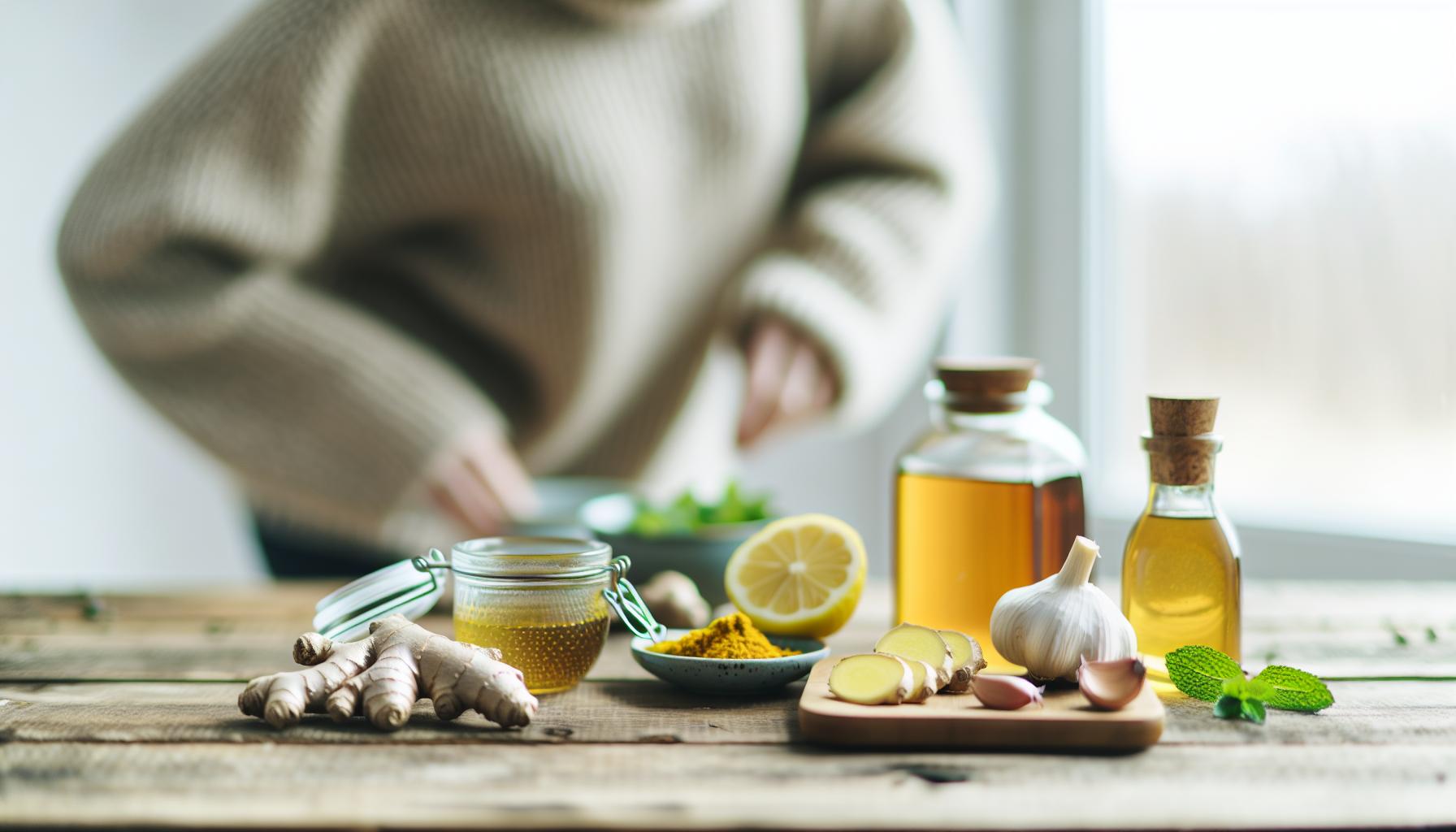
Essential Ingredients for Home Remedies
The journey to managing cystic acne can be significantly enhanced by incorporating effective natural ingredients into your skincare routine. While cystic acne often demands a multi-faceted approach, understanding which ingredients work best can empower you to create homemade remedies tailored to your skin’s needs. Here’s a look at some of the most valuable ingredients you can use to combat this challenging skin condition.
One popular choice is tea tree oil, which is renowned for its antibacterial properties. This essential oil can help reduce inflammation and kill acne-causing bacteria. When diluted with a carrier oil, such as jojoba or coconut oil, tea tree oil can be applied directly to affected areas for targeted treatment. Another excellent ingredient is aloe vera, known for its soothing and anti-inflammatory effects. Its gel can be applied to the skin to provide hydration while promoting healing.
Honey is another versatile ingredient that aids in healing and has natural antibacterial properties. Using raw or manuka honey as a spot treatment can help to calm breakouts and prevent future infections. Furthermore, green tea is not just a delicious beverage; its polyphenols can reduce inflammation and combat bacteria when applied topically. You can brew green tea, let it cool, and use it as a face wash or toner for added benefits.
A lesser-known but effective option is witch hazel, a natural astringent that can help tighten pores and reduce excess oil production. When incorporated into your skincare routine, it may aid in preventing future breakouts by keeping the skin balanced. Additionally, vitamin E oil is beneficial for repairing damaged skin and promoting overall skin health. Applying it can help reduce scarring and enhance healing.
In summary, these ingredients can play a crucial role in crafting effective home remedies for cystic acne. By harnessing the power of natural components like tea tree oil, aloe vera, honey, green tea, witch hazel, and vitamin E, your skincare routine can become more effective and supportive of your skin’s healing process. Always remember to conduct a patch test to ensure compatibility with your skin, and consult a healthcare professional if you have any concerns regarding treatments or ingredients.
Top 10 Natural Remedies for Cystic Acne
Cystic acne can feel daunting, but there are several natural remedies that can help soothe inflammation, reduce breakouts, and promote clearer skin. Leveraging the power of nature, many individuals have found success with home treatments that target the root causes of cystic acne. Here’s a look at ten effective natural remedies you can consider incorporating into your skincare routine.
Top 10 Natural Remedies
- Tea Tree Oil: Renowned for its antibacterial properties, tea tree oil is a powerhouse in acne treatment. Dilute it with a carrier oil and apply it directly to inflamed spots to help reduce swelling and fight bacteria.
- Aloe Vera: This soothing plant is perfect for calming irritated skin. Apply fresh aloe vera gel to affected areas daily to hydrate the skin and reduce redness.
- Honey: A natural antibacterial agent, honey can heal the skin while keeping it moist. Use raw or manuka honey as a spot treatment to increase healing and prevent future breakouts.
- Green Tea: Full of antioxidants, applying cooled green tea as a face wash can help decrease inflammation and fight bacteria. Simply brew, cool, and use it to rinse your face.
- Witch Hazel: This astringent helps to tighten pores and reduce oil production. Apply witch hazel as a toner after cleansing to keep the skin balanced.
- Apple Cider Vinegar: Known for its antibacterial properties, diluted apple cider vinegar can make an effective toner. Mix one part vinegar with three parts water and apply it to the skin to help balance pH levels.
- Turmeric: This spice is highly anti-inflammatory and can be mixed into a paste with yogurt or honey. Apply this mixture as a mask for approximately 20 minutes to help calm breakouts.
- Vitamin E Oil: To help repair damaged skin, vitamin E oil can be a beneficial addition to your routine. Apply to scars and inflamed areas to facilitate healing.
- Oatmeal: Oatmeal is great for calming irritated skin. Create a soothing mask with ground oatmeal mixed with water, apply it for 15 minutes, and then rinse off.
- Essential Oils: Essential oils such as lavender or chamomile can reduce stress and irritation. Mix a few drops with a carrier oil and massage gently into the skin.
When using these remedies, remember to conduct a patch test first to ensure compatibility with your skin type. Each person’s skin is unique, and what works for one may not work for another. Additionally, maintaining a diligent skincare regimen, staying hydrated, and consulting with a healthcare professional for personalized advice are essential steps in effectively managing cystic acne. Embrace these natural remedies as valuable tools in your skincare arsenal, and empower yourself on your journey to clearer skin.
How to Create Your Own Natural Treatments
Creating your own natural treatments for cystic acne can be a rewarding and effective way to manage this often painful skin condition. Many common household ingredients possess healing properties that can help reduce inflammation, prevent breakouts, and promote healthier skin. The key is to understand how various ingredients work together and to tailor your treatments to meet your specific skin needs.
To get started, you’ll want to consider a few foundational ingredients known for their powerful benefits. Essential oils, like tea tree oil and lavender, can be excellent additions due to their antibacterial and calming effects. When creating a blend, always dilute essential oils with a carrier oil, such as jojoba or almond oil, which also nourishes the skin. For a soothing treatment, mix a few drops of tea tree oil with a tablespoon of carrier oil and apply it to affected areas using a cotton ball.
Another highly effective ingredient is raw honey, which is renowned for its moisture-locking and antibacterial properties. You can create a gentle mask by mixing honey with ground oatmeal. Oatmeal is known for its ability to calm irritation; combine one tablespoon of each and apply it as a mask for about 15 minutes before rinsing it off with lukewarm water. This treatment not only hydrates but also helps exfoliate dead skin cells.
Don’t overlook the power of aloe vera. Fresh aloe vera gel can be applied directly to inflamed areas. It helps soothe skin irritation while also providing hydration. To amplify its effects, consider blending aloe vera with a few drops of vitamin E oil, which is known for its skin-repairing properties. Simply mix a tablespoon of aloe vera gel with a teaspoon of vitamin E oil and apply it as a nightly treatment.
Remember, while these natural treatments can be effective, it’s essential to conduct a patch test before applying any new mixture to your entire face. Each individual’s skin is unique, and what works for one person may not work for another. Always consult a healthcare professional or dermatologist when making significant changes to your skincare routine, especially for persistent or severe cases of cystic acne. By combining your knowledge of effective ingredients with a bit of experimentation, you can develop tailored solutions that empower you on your journey to clearer skin.
Lifestyle Changes to Support Cystic Acne Management
Cystic acne can be a frustrating affliction not just for your skin but for your overall well-being. However, making strategic lifestyle adjustments can significantly boost your ability to manage this condition. By prioritizing factors such as stress management, sleep quality, and skincare habits, you can create a supportive environment for your skin to heal and remain healthy.
Stress Management
Elevated stress levels can trigger inflammation and hormonal fluctuations, both of which may exacerbate cystic acne. Incorporating stress-relief techniques such as mindfulness meditation, yoga, or even regular gentle exercise can help lower stress levels. For instance, practicing deep-breathing exercises for just a few minutes daily can positively impact your overall health and skin condition. Consider exploring hobbies that you enjoy, whether it be painting, gardening, or reading, which can provide an excellent outlet for relieving stress.
Quality Sleep
Never underestimate the healing power of a good night’s sleep. Skipping out on quality rest can lead to increased cortisol levels, which could worsen acne. Aim for 7-9 hours of uninterrupted sleep each night to allow your body-and skin-to repair itself. Establishing a nighttime routine can help signal to your body that it’s time to wind down. This could include activities like limit screen time, reading a book, or taking a warm bath before bed.
Hydration and Nutrition
Staying properly hydrated and maintaining a balanced diet can provide your skin with the necessary nutrients to combat acne. Aim to drink plenty of water throughout the day, as hydration plays a critical role in detoxifying your skin. A diet rich in fruits, vegetables, whole grains, and lean proteins can help mitigate inflammation. Foods high in omega-3 fatty acids like salmon and walnuts are particularly beneficial, as they help reduce skin inflammation. Additionally, reducing the intake of high-glycemic foods and dairy might also show improvements in skin clarity.
Consistency in Skincare
A consistent skincare routine can make a world of difference in managing cystic acne. Use non-comedogenic products to prevent further blockage of pores, and consider incorporating gentle exfoliation using natural methods like oatmeal or sugar scrubs once a week to remove dead skin cells without irritating the skin. Always apply products in the correct order-cleanser, treatment, and then moisturizer-to maximize effectiveness.
By integrating these lifestyle changes into your daily routine, you’re not only taking steps toward healthier skin but also fostering overall well-being. It’s important to consult with a healthcare professional or dermatologist to tailor these strategies to your unique skin type and condition, especially if you continue to experience persistent cystic acne. Adopting a holistic approach while being proactive can empower you in your journey toward clearer skin.
Nutrition Tips to Combat Cystic Acne
Eating the right foods can play a significant role in managing and reducing the severity of cystic acne. Diet impacts inflammation in the body and can influence hormone levels, both of which are critical factors in acne development. By incorporating a nutrient-rich, anti-inflammatory diet, individuals can empower their skin and overall health, helping to combat this stubborn skin condition.
Prioritize Anti-Inflammatory Foods
Incorporating foods that reduce inflammation can be especially beneficial. Focus on adding the following options to your meals:
- Fatty Fish: Salmon, mackerel, and sardines are packed with omega-3 fatty acids, which can help reduce inflammation and promote skin health.
- Nuts and Seeds: Walnuts and chia seeds offer healthy fats and also contain antioxidants that combat oxidative stress.
- Fruits and Vegetables: Colorful fruits and veggies, such as berries, spinach, and sweet potatoes, are high in vitamins and minerals that support skin health and reduce inflammation.
Limit High-Glycemic and Dairy Products
Research indicates that high-glycemic foods can trigger insulin spikes, which may worsen acne. To support clearer skin, consider reducing your intake of:
- Sugary Snacks: Candy, cookies, and pastries can cause inflammation and disrupt hormonal balance.
- Refined Carbs: White bread, pasta, and other processed carb sources can also lead to increased insulin levels.
- Dairy Products: Some individuals report a link between dairy consumption and acne flare-ups, potentially due to hormonal factors or inflammation. Consider exploring dairy alternatives, such as almond or coconut milk.
Embrace Hydration
Staying hydrated is essential for skin health. Water helps flush out toxins, which can minimize breakouts. Aim to drink at least 8 cups of water daily. Additionally, consider herbal teas and infused waters with lemon or cucumber for variety and added antioxidants.
Consider Supplements
While a balanced diet is crucial, certain supplements may provide additional support for those struggling with cystic acne. Zinc, vitamin A, and omega-3 supplements may be beneficial, but it’s best to consult with a healthcare professional before starting any new supplement regimen. They can help determine the appropriate dosages and ensure they fit well with your overall health plan.
By making these dietary adjustments, you can foster a healthier environment for your skin, potentially reducing the frequency and severity of cystic acne breakouts. Remember, it is essential to consult with a healthcare provider or a dermatologist to create a personalized plan tailored to your specific needs.
Skin Care Routine for Cystic Acne-Prone Skin
A consistent and tailored skincare routine is essential for managing cystic acne, as it helps to soothe inflammation, alleviate irritation, and reduce the frequency of breakouts. This condition often requires a gentle approach, so selecting the right products and techniques can make a significant difference. Here’s how to establish an effective skincare routine that addresses the specific needs of cystic acne-prone skin.
Begin with a mild cleanser that effectively removes impurities without stripping the skin of its natural oils. Look for sulfate-free formulas with soothing ingredients like chamomile or aloe vera. Cleansing twice a day-once in the morning and once before bed-can help ensure that excess oil and bacteria are kept at bay. An important aspect of this step is to avoid overly harsh scrubs or washcloths, as physical exfoliation can irritate the skin and exacerbate cystic acne.
After cleansing, it’s crucial to incorporate a lightweight, non-comedogenic moisturizer. Many individuals with cystic acne worry that moisturizing will worsen their condition, but hydration is key to maintaining a healthy skin barrier. Look for ingredients such as hyaluronic acid or glycerin, which hydrate without clogging pores. Additionally, consider including a topical treatment with salicylic acid or benzoyl peroxide to target existing breakouts and prevent new ones from forming. These ingredients work by reducing inflammation and killing acne-causing bacteria.
Sun protection is another critical component of a skincare routine, especially when using acne treatments that can increase sun sensitivity. A broad-spectrum sunscreen with an SPF of at least 30 should be applied daily, even on cloudy days. Opt for mineral-based sunscreens containing zinc oxide or titanium dioxide, as these are less likely to irritate sensitive skin.
Lastly, remember that the way you apply your products can also affect your skin’s response. Use gentle, upward motions to avoid tugging at the skin, and allow each product to absorb fully before applying the next. If irritation occurs or if your cystic acne worsens, it’s essential to consult a dermatologist who can provide personalized recommendations and adjust your routine as needed. Taking the time to nurture your skin with the right products and techniques can lead to a clearer, calmer complexion over time.
Common Mistakes to Avoid with Home Remedies
Cystic acne can be particularly challenging to manage, and many individuals turn to home remedies in hopes of finding relief. However, there are several common mistakes that can hinder progress and potentially worsen the condition. Recognizing and avoiding these missteps can make a significant difference in your skincare journey.
One prevalent mistake is the overuse of harsh ingredients or treatments. While it may be tempting to slather on remedies like high concentrations of lemon juice or harsh exfoliants, these can strip the skin of its natural oils, leading to increased irritation and more breakouts. Instead, focus on mild, soothing ingredients that can help calm inflammation. Opt for natural remedies such as aloe vera or tea tree oil, which are known for their anti-inflammatory properties.
Another pitfall is neglecting the importance of a consistent skincare routine. In the quest for quick fixes, it’s easy to skip essential steps like cleansing and moisturizing, which are crucial for maintaining skin health. Skipping these steps can result in clogged pores and exacerbate cystic acne. Establishing a regular routine that includes gentle cleansing and adequate hydration will help create an environment conducive to healing.
Additionally, many people underestimate the role of diet and hydration in managing cystic acne. Relying solely on topical treatments while ignoring dietary factors can lead to missed opportunities for improvement. Consuming a balanced diet rich in antioxidants and staying adequately hydrated can significantly influence skin health. For instance, incorporating foods high in omega-3 fatty acids, such as fatty fish or flaxseeds, can help reduce inflammation.
Finally, it’s essential to remember that not every natural remedy works for everyone. Personal skin sensitivities can respond differently to various treatments; what works wonders for one person might irritate another. Conduct patch tests before fully incorporating a remedy into your routine, and always be open to adjusting your approach based on how your skin reacts. Should you find that your cystic acne persists or worsens, consulting a dermatologist is a crucial step toward tailored and effective treatment.
When to Seek Professional Treatment for Cystic Acne
Cystic acne can be particularly stubborn and may not always respond to home remedies alone. While many individuals seek natural solutions, it’s crucial to recognize when professional treatment becomes necessary. If your cystic acne is not improving after several weeks of consistent home care, or if it’s causing significant discomfort and emotional distress, it may be time to consult a dermatologist. This specialized care can help address more severe cases and prevent long-term scarring and skin damage.
Several signs indicate that professional help is needed. If you notice persistent swelling, redness, or pain around the cystic acne lesions, this may indicate an infection or a more serious underlying issue. Additionally, if new breakouts occur frequently or existing ones worsen, a healthcare provider can assess your skin more comprehensively. Dermatologists can offer potent prescription medications, such as retinoids or antibiotics, that target inflammation and bacterial growth more effectively than over-the-counter products.
Often, cystic acne can be symptomatic of hormonal imbalances or other internal issues. If you suspect hormonal factors might be influencing your skin condition-common in adolescents and women during their menstrual cycles-seeking a dermatologist’s expertise can provide insights and targeted therapies. Furthermore, recurring cystic acne despite a robust skincare routine might necessitate a deeper exploration of your health, including discussions around stress management, lifestyle, and diet.
Lastly, emotional wellbeing is an important aspect of managing cystic acne. The social and psychological impact of persistent acne can lead to anxiety and decreased self-esteem. If you find that your condition is significantly affecting your mood or quality of life, talking to a professional not only for your skin concerns but also for your mental health can be incredibly beneficial. They can guide you on appropriate treatment options and additional support resources, helping you navigate both your physical and emotional healing journey. Remember, taking action early can lead to better outcomes and a healthier relationship with your skin.
User Testimonials: Success Stories with Natural Remedies
Seeing the transformative power of natural remedies can be incredibly inspiring for anyone struggling with cystic acne. Many individuals have shared their journeys and the successes they’ve found through various home treatments, providing hope and practical insights for others in similar situations.
One user, Sarah, experienced severe cystic acne throughout her teenage years. Frustrated with harsh medications that left her skin dry and irritated, she decided to explore natural remedies. After researching, she incorporated a daily routine of tea tree oil and honey masks. Within weeks, she noticed a significant reduction in inflammation and the size of her cysts. Sarah shares, “It wasn’t just about my skin clearing up; it was about regaining my confidence. Nature can heal, and I’m living proof!”
Natural Ingredients that Worked for Others
Many users have found success with simple kitchen staples. For example, Alex, who suffered from painful breakouts, began using apple cider vinegar diluted with water as a toner. The acidity helped balance his skin’s pH and reduced excess oil. “I was amazed at how a common household product could have such a positive effect,” Alex noted. Furthermore, users like Emily swear by daily green tea applications, emphasizing its antioxidant properties that combat inflammation and skin irritation.
In addition to topical treatments, dietary changes have provided impressive results for some. Jason adopted a diet rich in omega-3 fatty acids, focusing on flaxseeds and walnuts. He noticed a significant decrease in the frequency of his breakouts, feeling that the changes not only improved his skin but also enhanced his overall health. “Eating clean has a ripple effect; when I nourished my body, my skin reflected that positivity,” he emphasized.
These testimonials highlight the importance of individualized approaches and the potential for natural solutions in tackling cystic acne. However, while many have found relief through these methods, it’s essential for readers to remember that everyone’s skin is different. Consulting a healthcare professional before making significant changes to your skincare or dietary routine can provide valuable guidance tailored to your unique situation.
Preventing Future Breakouts: Long-Term Strategies
To maintain clear skin and prevent future breakouts of cystic acne, implementing a holistic approach is crucial. Skin health is deeply interconnected with various lifestyle factors, and creating a long-term strategy can fortify your efforts in managing cystic acne effectively. It’s essential to consider not only topical treatments but also dietary habits, stress management, and skincare routines that promote overall well-being.
One effective strategy is to establish a consistent skincare regimen that focuses on gentle cleansing, exfoliation, and moisturization. Using non-comedogenic products helps ensure that your skincare choices don’t clog pores. Moreover, incorporating gentle exfoliants, such as salicylic acid or glycolic acid, can assist in removing dead skin cells and preventing clogged pores without over-irritating the skin. Consider utilizing natural treatments such as aloe vera or witch hazel, which can soothe inflammation and provide hydration.
Diet and Hydration
Nutrition profoundly impacts skin health. Consuming a diet rich in antioxidants and anti-inflammatory foods can help reduce the frequency and severity of breakouts. Consider incorporating the following foods into your diet:
- Fruits and vegetables: High in vitamins and minerals.
- Omega-3 fatty acids: Found in fish and flaxseeds, they reduce inflammation.
- Whole grains: Help balance blood sugar levels.
Remember to stay adequately hydrated as well, since proper hydration is vital for maintaining skin elasticity and overall health. Aim for at least eight glasses of water daily, and consider herbal teas as a good alternative to sugary drinks.
Stress Management
Chronic stress can exacerbate acne conditions, as it may trigger hormonal fluctuations that lead to increased oil production. To mitigate this, integrating stress reduction techniques into your daily routine can be invaluable. Practices such as yoga, meditation, or even a simple daily walk can help alleviate stress levels. Creating a personally tailored self-care routine can empower you to maintain emotional and physical balance, thus supporting your skin health.
Combining these lifestyle adjustments with diligence in your home remedy approach offers a comprehensive strategy for preventing future cystic acne breakouts. Regularly consulting with healthcare professionals can further tailor a treatment plan that meets your unique skin needs and integrates seamlessly with these long-term strategies. Engage in this holistic journey not only for the health of your skin but also for your overall well-being and self-confidence.
Faq
Q: What are the best natural oils for cystic acne treatment?
A: The best natural oils for cystic acne treatment include tea tree oil, which is known for its antibacterial properties, and jojoba oil, which can help balance skin oil production. Always dilute essential oils before applying to prevent skin irritation.
Q: Can dietary changes affect cystic acne?
A: Yes, dietary changes can significantly affect cystic acne. Including omega-3 fatty acids, found in fish and flaxseeds, can reduce inflammation, while reducing sugar and dairy intake may help mitigate breakouts. Refer to the “Nutrition Tips to Combat Cystic Acne” section for more details.
Q: How does stress influence cystic acne flare-ups?
A: Stress can trigger hormone fluctuations that increase oil production, leading to cystic acne flare-ups. Incorporating stress-reducing activities such as yoga or meditation can be beneficial. Explore lifestyle changes in your routine to help manage stress-related breakouts.
Q: What home remedies can soothe cystic acne inflammation?
A: Home remedies that soothe cystic acne inflammation include applying cold compresses and using aloe vera gel, which has anti-inflammatory properties. These methods can provide immediate relief and help reduce redness.
Q: How does sleep impact cystic acne?
A: Sleep plays a critical role in skin health; lack of it can exacerbate cystic acne due to increased stress hormones. Aim for 7-9 hours of quality sleep per night to support skin repair and reduce breakouts.
Q: Are there specific vitamins that help with cystic acne?
A: Vitamins A, E, and zinc are beneficial for managing cystic acne. Vitamin A promotes skin cell turnover, while vitamin E helps protect skin from damage. Zinc can reduce inflammation and bacteria. Ensure a balanced diet or consider supplementation, if necessary.
Q: Can exercise help reduce cystic acne?
A: Yes, regular exercise can reduce cystic acne by improving blood circulation and promoting toxin elimination through sweat. However, ensure to cleanse your skin after workouts to prevent clogged pores.
Q: What is the role of pH balance in treating cystic acne?
A: Maintaining the skin’s pH balance is essential for cystic acne treatment. A balanced pH helps prevent bacteria growth and keeps the skin barrier intact. Use gentle cleansers and avoid harsh products that can disrupt pH levels.
Future Outlook
As you explore these natural solutions for cystic acne, remember that consistency is key; integrating these remedies into your daily routine can lead to noticeable improvements. Don’t hesitate to reach out to a healthcare professional for personalized advice tailored to your unique skin needs. For deeper insights, check out our related articles on skincare routines and diet tips that complement these home remedies.
Act now to empower your skin and embrace a clearer complexion! If you found this information helpful, share your thoughts in the comments below and consider subscribing to our newsletter for more valuable health tips. Your journey to better skin starts here, and we’re excited to support you every step of the way!