
Did you know that a distended bladder, often caused by urinary retention, can lead to serious discomfort and health complications? Understanding the causes and solutions for this condition is essential for anyone who wants to maintain a healthy urinary system. Whether you’ve experienced a distended bladder yourself or you’re just curious about its implications, the importance of recognizing symptoms and effective treatments cannot be overstated. This guide will explore the factors contributing to bladder distention, along with practical insights into management strategies that empower you to take charge of your health. Staying informed not only helps you address any concerns but also fosters better communication with healthcare professionals, ensuring that you receive the care you need. Let’s dive into everything you need to know about the distended bladder, its causes, and the solutions available to help restore your well-being.
Understanding Distended Bladder: A Comprehensive Overview
A distended bladder is an uncomfortable and potentially serious condition resulting from an inability to properly empty the bladder. This condition occurs when urine accumulates, causing the bladder to stretch and enlarge. Understanding how a distended bladder functions is crucial for recognizing underlying issues and addressing them effectively. When the bladder becomes distended, it can lead to various complications, such as bladder dysfunction and urinary retention, which, if left untreated, may result in further health risks.
The causes of bladder distension can be quite diverse, ranging from obstruction caused by an enlarged prostate or kidney stones to neurological disorders that disrupt communication between the brain and bladder. It can also be influenced by medications that affect bladder function, infections that provoke inflammation, or other medical conditions leading to urinary retention. Recognizing these contributing factors is essential for determining appropriate interventions.
For those experiencing symptoms of bladder distension, such as a frequent urge to urinate, difficulty initiating urination, or experiencing pain and discomfort, it’s important not to ignore these signs. Addressing bladder health proactively can significantly enhance quality of life, highlighting the importance of consulting healthcare professionals to tailor the most effective treatment plan. By taking early action, individuals can prevent complications and maintain optimal urinary tract health.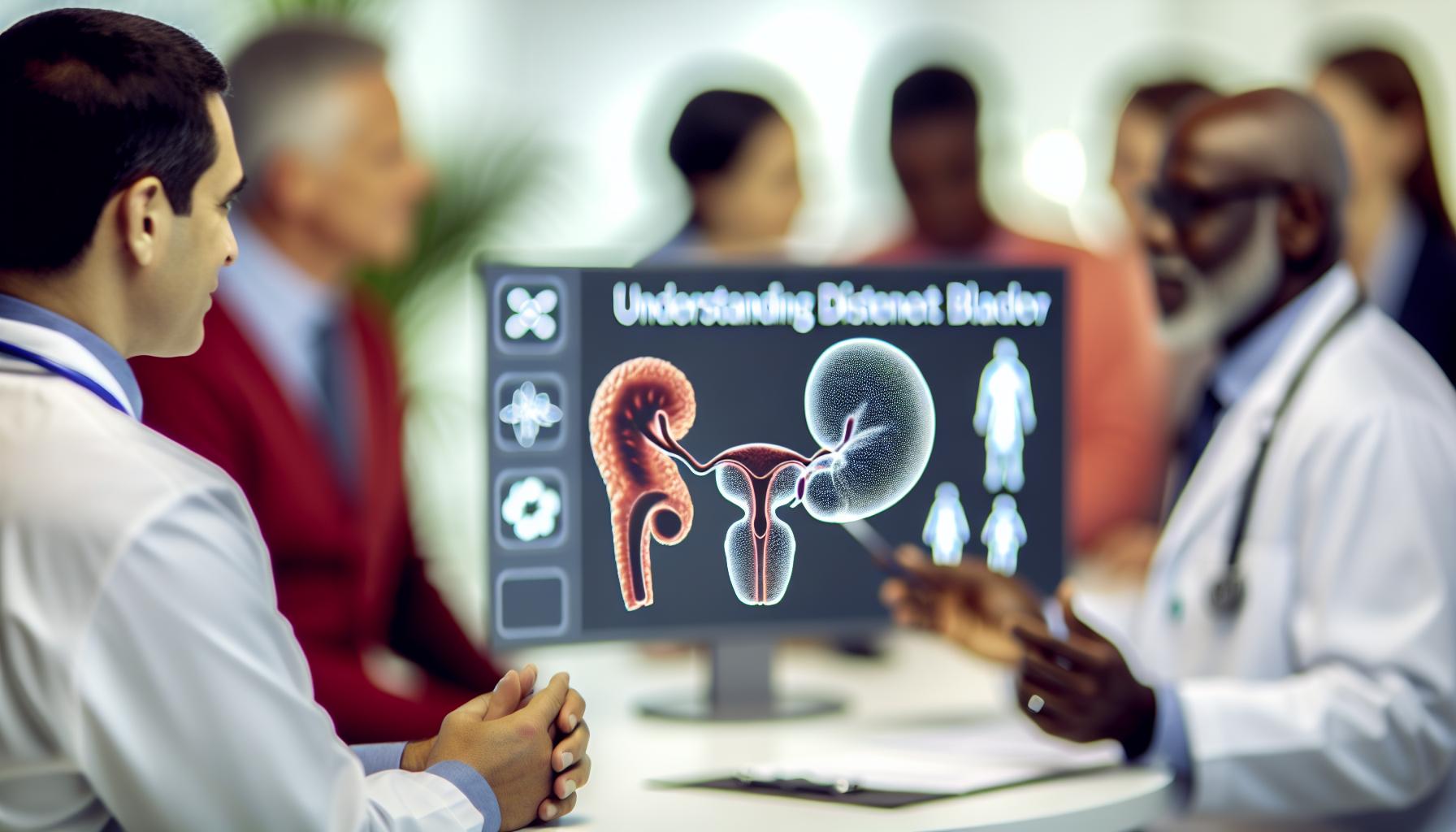
Common Causes of a Distended Bladder: What to Know
A distended bladder is often a sign of underlying issues that can drastically affect your well-being. Understanding the reasons behind this condition is essential for everyone, especially if you or someone you know is experiencing symptoms. The common causes of a distended bladder include factors that impede the normal flow of urine or disrupt the bladder’s ability to function effectively.
One of the primary culprits is obstructive causes, such as an enlarged prostate in men, which can block the urethra and hinder urine passage. Women might experience similar blockages from pelvic organ prolapse. Other mechanical obstructions include urinary stones, which can lodge in the urethra, and strictures caused by previous injuries or surgeries.
In addition to mechanical causes, neurological conditions play a significant role in bladder distension. Conditions such as multiple sclerosis, spinal cord injuries, or diabetes can disrupt the nerve signals that control bladder function, leading to retention. Some medications, especially anticholinergics prescribed for overactive bladder or allergies, can also reduce bladder contractility, making it difficult to empty completely.
Beyond these causes, infections and inflammation can contribute to bladder distension. Urinary tract infections (UTIs) can lead to inflammation and swelling, causing blockages in urine flow. Chronic inflammatory conditions, such as interstitial cystitis, may similarly affect bladder capacity and function. Recognizing these diverse causes allows individuals to seek proactive treatments and lifestyle alterations, which can significantly improve bladder health and overall quality of life.
Understanding these various factors is crucial for identifying potential issues early on. If you experience signs of bladder distension, such as discomfort during urination or a persistent urge to urinate without relief, professional medical consultation is vital for personalized advice and effective management strategies.
Recognizing the Symptoms of Bladder Distension
Experiencing discomfort or changes in urination can be unsettling, and recognizing symptoms of a distended bladder is crucial for timely intervention. A distended bladder may manifest in several ways, and understanding these symptoms can empower individuals to seek professional help early on, potentially preventing more severe health issues.
One of the most common signs of a distended bladder is a constant or urgent need to urinate, which may be accompanied by an inability to fully empty the bladder. This sensation can lead to frequent trips to the bathroom with only minimal relief after urination. Additionally, individuals may notice a weak urine stream, where initiating urination becomes challenging or the flow is noticeably weaker than usual. This may be exacerbated by the feeling of incomplete emptying, where one has the persistent sensation that the bladder has not been fully drained after urination.
Other symptoms that often accompany a distended bladder include pain or pressure in the lower abdomen, which can intensify as the bladder fills. Some may also experience urinary incontinence, where there are involuntary leaks of urine due to the bladder’s inability to function properly. These symptoms can not only be uncomfortable but may also lead to emotional distress, affecting daily activities and quality of life.
Recognizing these symptoms early is essential. If you experience any combination of these signs, such as significant discomfort, difficulty with urination, or unusual changes in your urinary habits, it is important to consult a healthcare professional for a thorough evaluation and appropriate management strategies. Seeking help early on can lead to effective treatment plans, ensuring that your bladder health is optimally maintained.
The Role of Urinary Retention in Distended Bladder
Experiencing urinary retention can be a distressing situation, leading to an overly distended bladder that impacts daily life significantly. Urinary retention occurs when the bladder fails to fully empty during urination, resulting in an uncomfortable buildup of urine. This condition not only causes physical discomfort but can also lead to more serious health complications if left untreated.
One main point to consider is that urinary retention can be caused by various factors, including physical obstructions such as tumors, enlarged prostates, or strictures in the urinary tract. Additionally, neurological conditions affecting bladder control, such as multiple sclerosis or spinal cord injuries, can play a significant role in this dysfunction. In many cases, the inability to voluntarily void leads to excessive urine retention, which stretches the bladder beyond its normal capacity, and can result in a distended bladder. This distention can create a painful sensation, making it difficult for individuals to find relief through typical urination.
Moreover, acute urinary retention may arise suddenly, often leading individuals to seek immediate medical attention. Chronic urinary retention, on the other hand, develops gradually, allowing for an accumulation of bladder pressure over time. It’s essential for affected individuals to recognize signs of urinary retention, such as persistent discomfort, frequent urination with minimal output, or urgency alongside pain, as these can indicate a developing issue requiring professional intervention.
For those grappling with urinary retention, staying informed and proactive is key. It is advisable to consult healthcare professionals whose expertise can help manage and treat underlying issues effectively. Whether through medication, physical therapy, or surgical options to relieve bladder obstruction, addressing urinary retention early on can significantly improve overall bladder health and quality of life.
Risk Factors: Who is Most Affected by Distended Bladder?
A distended bladder can be a concerning condition, affecting individuals across various demographics. Understanding who is most at risk not only informs prevention strategies but also highlights the importance of early intervention. Certain groups may be more susceptible due to anatomical, physiological, or lifestyle factors.
Individuals with urinary tract obstructions are significantly at risk. This includes those with conditions like enlarged prostates, which are common among older men, as well as those with bladder stones or strictures that can impede urine flow. Women, particularly during and after pregnancy, can also experience anatomical changes that increase their risk for urinary retention and distended bladders.
Additionally, people with neurological disorders such as multiple sclerosis, Parkinson’s disease, or spinal cord injuries often experience weakened bladder control or nerve damage, leading to urinary retention. Moreover, medications that affect bladder function-such as anticholinergics, diuretics, or certain pain medications-can further heighten the risk of distention.
Lifestyle choices and chronic conditions play a crucial role as well. Individuals with diabetes may experience complications like autonomic neuropathy, which can impair bladder function. Similarly, those with obesity may have increased abdominal pressure that affects bladder capacity.
Ultimately, understanding these risk factors enables individuals to take proactive measures, such as regular medical check-ups and adopting a healthy lifestyle, and seek professional guidance if they notice symptoms of bladder distension. By acknowledging these factors, individuals can better manage their health and mitigate the discomfort of a distended bladder.
Diagnostic Procedures for Identifying Distended Bladder
Identifying a distended bladder often requires a combination of clinical evaluation and diagnostic imaging. Understanding the different procedures can help demystify the process and encourage timely medical consultation. When a patient presents symptoms that could indicate a distended bladder, healthcare providers employ a series of assessments to arrive at an accurate diagnosis.
One of the primary diagnostic tools is physical examination. During this examination, a physician may palpate the abdomen to detect any swelling or firmness that suggests bladder distension. This initial step is crucial as it provides immediate information regarding the bladder’s state. Following this, further investigation typically involves ultrasound imaging. A bladder ultrasound is a non-invasive procedure that measures the bladder’s volume and assesses any potential urinary retention. This imaging technique allows for visualization of the bladder’s structure and can identify obstructions or abnormalities.
In some cases, more advanced diagnostics may be warranted. A post-void residual (PVR) measurement, typically conducted via ultrasound or catheterization, evaluates how much urine remains in the bladder after urination. This test helps determine if urinary retention is significant enough to warrant treatment. Cystoscopy, a procedure where a thin tube with a camera is inserted through the urethra into the bladder, may also be recommended, especially if there are concerns about structural issues or tumors.
Ultimately, working with a healthcare professional to navigate these diagnostic steps is essential. Early intervention through proper identification of a distended bladder can alleviate discomfort and prevent possible complications, such as infections or permanent bladder damage. If you experience persistent bladder issues, consult a healthcare provider to explore these diagnostic options and discuss a tailored approach to your bladder health.
Effective Treatment Options for Managing Distended Bladder
Managing a distended bladder effectively often involves a comprehensive approach that addresses both immediate relief and long-term health. Treatment options can vary based on the underlying causes but typically include lifestyle changes, medical interventions, and sometimes surgical options. Understanding these options empowers individuals to make informed decisions about their health and work closely with healthcare providers.
Lifestyle Modifications
Making certain lifestyle adjustments can have a profound impact on bladder health. Consider implementing the following practices:
- Hydration: Drinking adequate amounts of water helps maintain bladder health and reduces the likelihood of urine concentration that can irritate the bladder.
- Dietary Adjustments: Reducing intake of bladder irritants such as caffeine, alcohol, and spicy foods may alleviate symptoms.
- Pelvic Floor Exercises: Engaging in pelvic floor exercises (such as Kegels) can strengthen the muscles supporting the bladder, improving its function and reducing the risk of distension.
Medical Treatments
In many cases, medical interventions may be necessary. Upon assessment by a healthcare professional, treatment options might include:
- Medications: Anticholinergics or beta-3 agonists might be prescribed to help relax the bladder muscles, facilitating better urine flow.
- Catheterization: For individuals with severe urinary retention, intermittent or indwelling catheterization may be recommended to help empty the bladder properly.
- Physical Therapy: Specialized pelvic floor physical therapy can often help those with underlying muscle dysfunction contributing to bladder issues.
Surgical Options
In more severe cases where conservative or medical management is ineffective, surgical intervention may be considered. This could involve procedures to correct anatomical issues, such as a bladder neck incision or surgical placement of devices to assist with urine flow.
It’s essential for individuals experiencing symptoms of a distended bladder to work collaboratively with healthcare providers. Timely intervention can prevent complications such as recurrent urinary tract infections or, in chronic cases, irreversible bladder damage. Empowering yourself with knowledge about effective treatment options is a crucial step toward reclaiming your bladder health and overall well-being.
Lifestyle Changes to Alleviate Bladder Distension
Making targeted lifestyle changes can significantly improve bladder health and help alleviate the discomfort associated with distended bladders. One crucial aspect is hydration; surprisingly, many people underdrink, which can lead to concentrated urine that irritates the bladder. Aim to drink a balanced amount of water throughout the day to help dilute urine and promote optimal bladder function. Remember, while staying hydrated is vital, moderation is key to avoid overwhelming the bladder.
Another significant factor to consider is dietary choices. The foods we consume can have a profound impact on bladder health. Reducing or eliminating irritants from your diet, such as caffeine, alcohol, and acidic or spicy foods, can mitigate irritation and discomfort in the bladder. Instead, focus on incorporating a variety of fruits, vegetables, and whole grains, which not only promote overall health but also support urinary function.
Moreover, engaging in pelvic floor exercises, commonly known as Kegels, can provide substantial benefits. These exercises strengthen the muscles that support the bladder, thereby helping in the regulation of urination and reducing the risk of distension. Performing Kegel exercises regularly can enhance both bladder control and pelvic health, providing long-term improvements for individuals struggling with bladder distention.
Incorporating these practical strategies into your daily routine can enhance your bladder health significantly. However, anyone experiencing persistent symptoms or discomfort should consult a healthcare professional for a tailored approach and further evaluation. By taking proactive steps and seeking guidance, individuals can empower themselves to manage their bladder health effectively.
When to Seek Medical Attention for Bladder Issues
Recognizing the right moment to seek medical attention for bladder issues can be crucial, especially when dealing with conditions like a distended bladder. It’s essential to understand that while some discomfort and irregularities may be common, persistent or worsening symptoms can signify a more serious underlying problem that warrants professional evaluation. Any sudden, severe pain or noticeable changes in urination should be taken seriously, as they can indicate complications that require immediate care.
If you experience any of the following signs, it’s time to consult a healthcare provider:
- Severe Pain: If you feel intense pain in your lower abdomen or pelvic area, it could suggest significant complications related to bladder distension.
- Inability to Urinate: Not being able to empty your bladder, especially if accompanied by discomfort, can lead to further health issues and should be assessed by a physician.
- Blood in Urine: The presence of blood, or hematuria, can indicate a range of conditions, from infections to more severe issues like stones or tumors.
- Frequent Urinary Tract Infections (UTIs): If you find yourself dealing with recurrent UTIs, it could point to an underlying issue affecting bladder function.
- Fever or Chills: Systemic symptoms like fever might suggest an infection or severe inflammatory process, making prompt medical evaluation critical.
Don’t hesitate to reach out to a healthcare professional if you are uncertain about your symptoms or if they persist beyond a few days. Early intervention can make a significant difference in effectively managing bladder health and preventing potential complications from untreated issues. Encouragingly, many bladder conditions are manageable with proper care and intervention, so prioritizing your health and well-being is essential.
Natural Remedies and Supportive Practices for Bladder Health
Natural approaches to supporting bladder health can play a significant role in alleviating discomfort and enhancing overall urinary function. Integrating specific dietary choices and lifestyle habits can lead to significant improvements, particularly for those grappling with conditions like distended bladder or urinary retention. For instance, staying well-hydrated is crucial, as adequate water intake helps flush out toxins and can prevent urinary retention by encouraging regular urination.
Incorporating foods rich in antioxidants, such as blueberries, cherries, and leafy greens, can also provide substantial benefits. Antioxidants help mitigate inflammation, which may be beneficial for individuals experiencing bladder distension. Foods with high water content, such as cucumbers and watermelon, not only contribute to hydration but also may aid in easing pressure on the bladder by promoting frequent urination.
Herbal and Natural Remedies
Many individuals find that herbal remedies can offer additional support. Herbal teas, like chamomile or peppermint, can have soothing properties that assist in relaxation and may help alleviate bladder discomfort. Some studies suggest that D-mannose, a type of sugar found in cranberries, can help prevent urinary tract infections (UTIs) by preventing bacteria from adhering to the bladder wall; however, it’s essential to consult with a healthcare provider before starting any new supplement regimen.
Additionally, practicing mindfulness techniques such as yoga or gentle stretching can aid in reducing stress, which may have a positive impact on overall bladder function. Regular exercise not only promotes better bodily function but also encourages consistent bowel movements, which can reduce additional pressure on the bladder.
While these supportive practices can be beneficial, individuals should remain vigilant about their symptoms. For persistent or worsening issues, consulting a healthcare professional is crucial. An integrated approach-combining nutritional support, herbal remedies, lifestyle adjustments, and medical guidance-can provide a comprehensive pathway toward improved bladder health.
Potential Complications of Untreated Distended Bladder
Complications arising from an untreated distended bladder can be quite serious and profoundly impact one’s quality of life. When the bladder becomes overly distended due to prolonged urinary retention, it can lead to a range of complications that extend beyond mere discomfort. Understanding these potential issues is essential for anyone experiencing symptoms of bladder distension.
One of the most pressing concerns is the risk of urinary tract infections (UTIs). As the bladder overstretches and fails to empty properly, residual urine can become a breeding ground for bacteria, leading to infections that may require antibiotics to resolve. Additionally, the risk of bladder muscle damage increases. Chronic distension can weaken the bladder muscles, making it more difficult to trigger the normal urge to urinate and putting individuals at risk of further urinary retention.
Over time, persistent distention may cause bladder distension syndrome, characterized by chronic pain and difficulty managing bladder function. For some, this can lead to a condition known as neurogenic bladder, where nerve signals between the brain and bladder become disrupted, affecting urinary control. In severe cases, an untreated distended bladder can lead to urinary incontinence, significantly affecting a person’s social and emotional well-being.
Lastly, there is a risk of kidney damage stemming from increased pressure within the bladder. If urine flow is obstructed, it can back up into the kidneys, potentially leading to kidney stones or even kidney failure if not addressed promptly. Given these serious complications, it is vital for individuals experiencing symptoms of a distended bladder to consult healthcare professionals for timely diagnosis and treatment, ensuring a pathway back to optimal urinary health.
How to Prevent Bladder Distension: Practical Tips
To maintain bladder health and prevent distension, proactive lifestyle choices can make a significant difference. One engaging fact to consider is that regular, mindful hydration not only helps in flushing out toxins but also keeps your bladder functioning optimally and reduces the risk of retention. Establishing a routine that supports your bladder can empower you to avoid complications associated with distended bladders.
Hydration Practices
Aim for balanced fluid intake throughout the day. While it’s important to drink enough water, be mindful not to overhydrate, as this can lead to frequent urination. Listening to your body’s signals is vital; ideally, drink every couple of hours, and consider factors like activity level and environmental conditions, which may increase your hydration needs.
Regular Bathroom Breaks
Establish regular intervals for bathroom breaks, even if you don’t feel the urgent need to go. Waiting too long can lead to over-distension and affect bladder function. Setting reminders can be helpful, especially for individuals with busy schedules. Incorporating this practice not only helps maintain a routine but also combats the laxity in bladder control that can develop over time.
Kegel Exercises
Strengthening your pelvic floor muscles through Kegel exercises can significantly contribute to bladder health. These exercises enhance muscle tone and control, ultimately reducing the risk of urinary incontinence and retention. To perform Kegels, identify your pelvic floor muscles, contract them for a few seconds, and relax. Aim for a set of 10 to 15 repetitions three times a day.
Managing Chronic Conditions
Addressing chronic health issues such as diabetes or neurological diseases with the help of healthcare professionals can reduce risks associated with urinary retention. Regular check-ups and following personalized treatment plans are essential to managing these underlying conditions effectively.
By implementing these practical tips into your daily routine, you can take charge of your bladder health. However, it’s crucial to consult healthcare providers for personalized guidance and to discuss any specific concerns, ensuring a holistic approach to maintaining optimal urinary function. Remember that proactive management plays a key role in preventing issues like bladder distension from impacting your quality of life.
Q&A
Q: What happens if a distended bladder goes untreated?
A: Untreated distended bladder can lead to serious complications, including urinary infections, bladder dysfunction, and kidney damage. Prompt medical attention is essential to prevent these issues and maintain bladder health.
Q: How is a distended bladder diagnosed?
A: A distended bladder is diagnosed through medical history evaluation, physical examination, and imaging tests like ultrasound or CT scans. These tools help assess bladder size and any underlying causes of distention.
Q: What lifestyle changes can help manage a distended bladder?
A: To manage a distended bladder, consider adopting hydration strategies, practicing regular urination schedules, and engaging in pelvic floor exercises. These changes can significantly improve bladder function and reduce symptoms.
Q: Can stress contribute to a distended bladder?
A: Yes, stress can impact bladder health by increasing muscle tension and anxiety, which may lead to urinary retention and distention. Stress management techniques, such as mindfulness and relaxation exercises, can be beneficial.
Q: Are there any specific foods to avoid if I have a distended bladder?
A: Some individuals may benefit from avoiding caffeine, alcohol, and spicy foods, as these can irritate the bladder. Maintaining a balanced diet and staying hydrated is crucial for bladder health.
Q: How can I prevent a distended bladder?
A: Preventing a distended bladder involves managing chronic conditions, staying hydrated, and urinating when the urge arises. Regular follow-ups with healthcare providers are essential for those at risk.
Q: Is a distended bladder reversible?
A: Yes, a distended bladder is often reversible with appropriate treatment and lifestyle changes. Early intervention is key to restoring normal bladder function and preventing further complications.
Q: What are the most common causes of a distended bladder?
A: Common causes include urinary retention due to obstruction, neurological conditions affecting bladder control, and weakened pelvic muscles. Identifying the root cause is crucial for effective treatment and management.
Final Thoughts
As we conclude our in-depth exploration of distended bladder causes and solutions, remember that addressing urinary retention early can significantly enhance your quality of life. If you or someone you know is experiencing symptoms, seek medical advice promptly. Understanding the potential risks and treatments can empower you to make informed decisions about your health. For further reading, check out our articles on urinary health and bladder function, or explore our resources on preventive strategies for bladder-related issues.
Don’t hesitate to share your thoughts or experiences in the comments below, as your insights may help others in similar situations. Also, consider signing up for our newsletter for ongoing updates and expert advice tailored to your health needs. Stay engaged and informed, because your health journey deserves attention and action!