Did you know that nearly 50% of men and women experience noticeable hair loss by the age of 50? This striking statistic highlights a prevalent issue that many struggle with daily. If you’re among the millions seeking effective solutions to combat baldness, you’ve come to the right place. “Effective Remedies for Baldness Methods: 12 Proven Hair Savers” delves into a range of tried-and-true strategies to help revive your hair’s health and thickness. Understanding the impact of hair loss on self-esteem and confidence is vital, and addressing this concern is not only about aesthetics-it’s about overall well-being. In this article, you’ll discover evidence-backed remedies that cater to diverse needs and preferences, empowering you to take charge of your hair health. Join us as we explore these hair-saving methods, and unlock the path to fuller, healthier hair. Your journey to regaining confidence starts here, and the first step is just ahead!
Understanding the Causes of Baldness
Understanding the intricate web of factors leading to hair loss can empower individuals to take proactive steps in managing and potentially mitigating baldness. One of the primary causes of baldness is genetics. Male and female pattern baldness, scientifically known as androgenetic alopecia, is hereditary and affects a significant percentage of the population. This condition results from the influence of male hormones (androgens) on hair follicles, leading to a shortening of the hair growth cycle and a gradual reduction in hair density.
Hormonal changes can also play a crucial role in hair loss. For instance, conditions such as polycystic ovary syndrome (PCOS) in women can result in elevated androgen levels, contributing to thinning hair. Similarly, hormonal fluctuations during pregnancy, menopause, or due to thyroid disorders can impact hair health negatively.
Environmental factors shouldn’t be overlooked either. Stress, nutritional deficiencies (like iron and vitamin D), and certain medical conditions can lead to temporary hair loss or exacerbate existing issues. Stress-induced hair loss, also known as telogen effluvium, often reverses itself once the stressor is eliminated. It’s vital for individuals experiencing sudden or patchy hair loss to consult with healthcare professionals for a proper diagnosis. This insight can help tailor effective treatment strategies and address any underlying health conditions contributing to hair loss.
By understanding these causes, individuals can better engage in discussions with their healthcare providers to explore suitable treatments and lifestyle changes that promote healthier hair growth.
Topical Treatments: What Works Best?
Topical treatments for hair loss have gained popularity as effective modalities for combating baldness. The two most well-known FDA-approved topical treatments are minoxidil and finasteride, each offering unique benefits and application methods. Minoxidil, commonly found in its brand name form, Rogaine, is a widely accessible over-the-counter treatment. When applied directly to the scalp, it helps stimulate hair follicles, improving blood circulation in the area and prolonging the hair growth phase. Studies have shown that both men and women can benefit from its usage, although results may take several months to become evident.
On the other hand, finasteride, marketed as Propecia, is a prescription-only treatment designed specifically for men. This medication works by inhibiting the enzyme responsible for converting testosterone into dihydrotestosterone (DHT), a hormone linked to hair follicle shrinkage. By reducing DHT levels, finasteride can slow hair loss and even promote regrowth. However, potential side effects including decreased libido and other hormonal changes have been reported, making it essential for users to discuss this option with a healthcare provider.
Additional Topical Options
In addition to the primary treatments, several other topical therapies show promise in enhancing hair growth:
- Ketoconazole: Often found in anti-dandruff shampoos, it has antifungal properties and may also reduce scalp inflammation, promoting a healthier environment for hair growth.
- Biotin-infused serums: Although more research is needed, topical solutions containing biotin are believed to support keratin production, which is crucial for hair structure.
- Natural essential oils: Oils like rosemary, peppermint, and lavender have been noted for their potential to stimulate hair follicles and enhance scalp health. Though they lack definitive scientific backing, many users report positive experiences.
Before starting any topical treatment, individuals should conduct thorough research and consult with a healthcare professional, especially to determine the most appropriate solutions based on their specific condition and hair type. Tailoring a hair care regimen with the right topical treatments can significantly impact the overall effectiveness of combating hair loss, providing hope and a path toward recovery.
Natural Remedies for Hair Loss
There are numerous natural remedies that people have turned to in their pursuit of combating hair loss and promoting hair growth. These methods are appealing not only for their often lower cost but also for their natural origins. Research has shown that certain ingredients may work in synergy with the body’s own processes, potentially improving hair health and volume.
One popular natural approach is the use of essential oils. Oils such as rosemary, peppermint, and lavender have been traditionally utilized for their purported benefits in stimulating hair follicles and improving scalp health. For example, a few drops of rosemary oil mixed with a carrier oil like coconut or jojoba oil and massaged into the scalp can promote better blood circulation, which is vital for healthy hair growth. Similarly, peppermint oil has a cooling effect and helps in invigorating the scalp, leading to enhanced follicle function.
Another effective strategy includes the use of herbal remedies. Ingredients such as fenugreek seeds and ginseng have been recognized for their potential role in reducing hair loss. Fenugreek seeds can be soaked overnight, ground into a paste, and applied to the scalp. This can help nourish the hair due to their high protein and nicotinic acid content. Ginseng, particularly its active components known as ginsenosides, may also stimulate hair growth by promoting blood circulation in the scalp.
Additionally, balanced nutrition is crucial in maintaining hair health. Diets rich in vitamins such as biotin, zinc, and vitamin E support hair strength and growth. Foods like nuts, seeds, fish, and leafy greens are excellent sources of these nutrients. Incorporating a variety of these foods into one’s diet can yield positive results in hair vitality.
While these natural remedies can be supportive, it is essential to recognize each individual’s unique biology and the various potential underlying causes of hair loss. Therefore, consulting with a healthcare provider or a dermatologist can provide guidance tailored to personal health status and needs, ensuring the most effective approach to managing hair loss. Emphasizing a holistic approach that combines natural remedies, nutrient-rich foods, and professional advice can empower individuals on their journey to better hair health.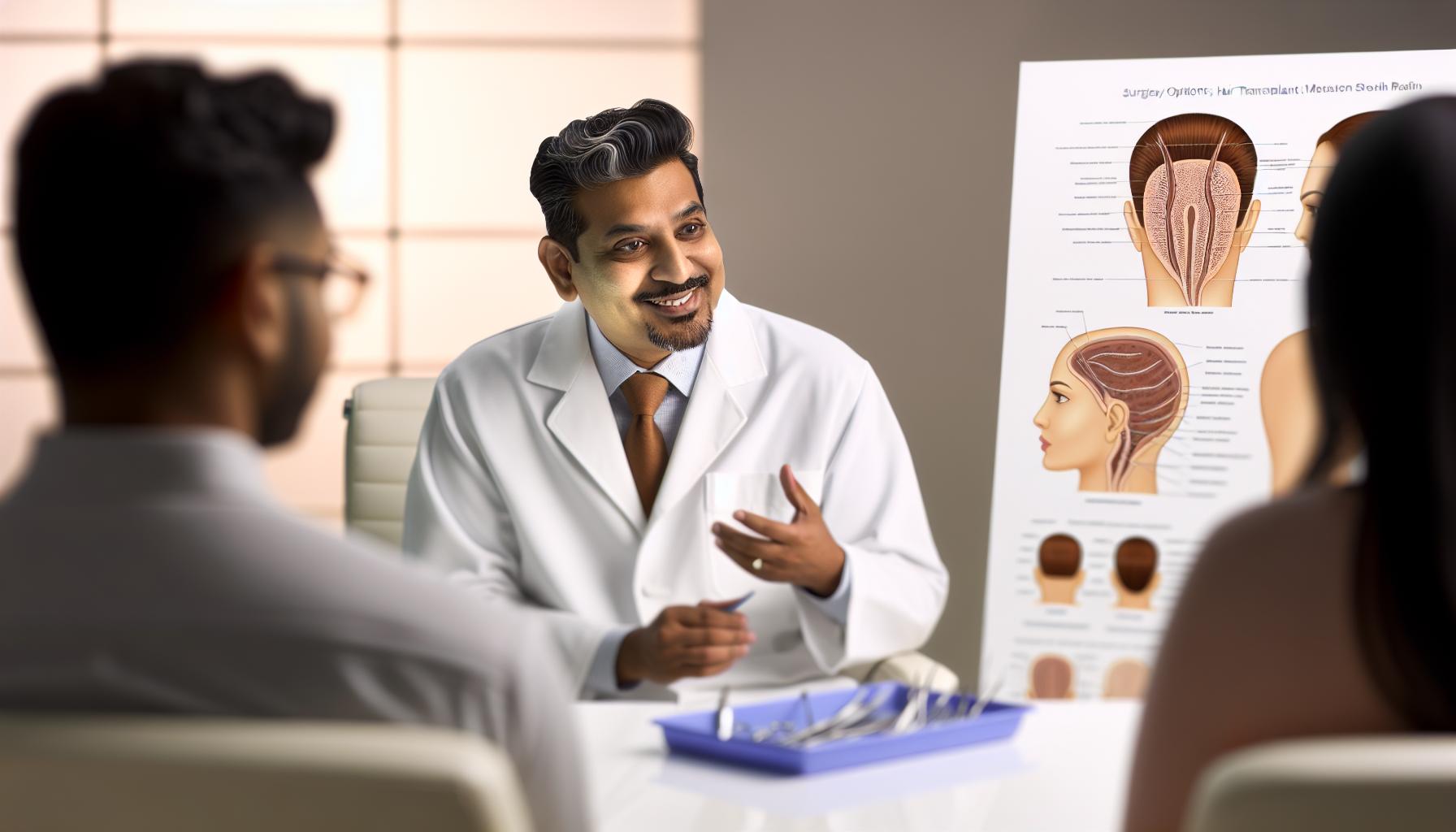
Surgical Options: Hair Transplant Explained
When considering ways to address baldness, hair transplant surgery stands out as a highly effective, albeit more invasive option. This procedure offers those experiencing hair loss a chance to regain a natural look and boost their confidence. In essence, hair transplant surgery involves relocating hair follicles from a donor site, typically the back of the scalp, to areas experiencing thinning or baldness. This is achieved through two primary methods: Follicular Unit Transplantation (FUT) and Follicular Unit Extraction (FUE).
Understanding the Methods
Both FUT and FUE have unique processes and benefits:
- Follicular Unit Transplantation (FUT): This method involves removing a strip of scalp from the donor area, which is then dissected into individual follicular units. This technique may provide a higher yield of grafts and is often more cost-effective.
- Follicular Unit Extraction (FUE): In contrast, FUE extracts individual hair follicles directly from the scalp using a specialized tool. This method leaves minimal scarring and allows for a quicker recovery but can be more labor-intensive and time-consuming.
Regardless of the technique chosen, a successful hair transplant depends on various factors, including the patient’s hair type, the extent of hair loss, and the skill of the surgeon.
Recovery and Results
Post-surgery, patients can typically expect some swelling and discomfort, which can be managed with medications prescribed by the surgeon. It’s important to follow aftercare instructions closely to ensure optimal healing and hair growth. Most individuals will notice new hair growth within a few months, with full results becoming visible within a year.
While the results of hair transplant surgery can be both dramatic and life-changing, they come with considerations. Not everyone is a suitable candidate-factors such as age, hair type, and the cause of hair loss can influence candidacy. Thus, a thorough consultation with a qualified dermatologist or hair restoration specialist is essential. They can assess individual circumstances, discuss realistic expectations, and outline the best course of action tailored to the patient’s unique needs.
In summary, for those seeking a lasting solution to hair loss, surgical options such as hair transplants can provide significant improvements. However, it’s crucial to remain informed, seek professional guidance, and understand the commitment involved in both the procedure and the recovery process.
Emerging Technologies in Hair Restoration
are transforming the landscape of treatment options for individuals grappling with hair loss. These innovative methodologies not only enhance the effectiveness of traditional treatments but also provide new, less invasive solutions that cater to varying degrees of hair thinning and baldness. One of the most promising developments is the advent of platelet-rich plasma (PRP) therapy, which involves extracting a patient’s own blood, processing it to isolate the platelet-rich plasma, and then injecting it into the scalp. This technique harnesses the body’s natural growth factors to stimulate hair follicles and promote new hair growth, often resulting in natural-looking outcomes with minimal downtime.
Another groundbreaking technology is Low-Level Laser Therapy (LLLT), which employs specific wavelengths of light to stimulate hair follicles, encouraging them to stay in the growth phase longer. This method is non-invasive and has been shown to increase blood flow to the scalp, thereby enhancing hair health over time. Many users have reported noticing improvements in hair thickness and density after consistent treatment sessions, typically conducted over several weeks or months.
Stem cell therapy is also making waves in the field of hair restoration. Research indicates that stem cells may hold the potential to regenerate hair follicles, offering hope for those experiencing significant hair loss. While still in the experimental stages, clinical trials are ongoing to assess the safety and effectiveness of this technology in promoting hair growth, potentially altering the treatment journey for many clients.
As technology evolves, microneedling has emerged as a versatile treatment option. This technique involves creating tiny micro-injuries in the scalp to stimulate the skin’s healing response and increase the absorption of topical treatments. When combined with growth serums, microneedling maximizes the treatment’s effectiveness, which can be particularly beneficial for individuals looking for a comprehensive approach to hair restoration.
Engaging with these emerging technologies is essential for anyone considering options for hair loss. While they offer exciting potential, future users should consult with qualified dermatologists or hair restoration specialists to explore which methods align best with their specific needs and to ensure safety and efficacy in their treatment plan. The advancements in hair restoration are not just about aesthetic improvement-they can significantly enhance self-esteem and quality of life for those affected by baldness.
Lifestyle Changes That Promote Hair Health
Making small lifestyle changes can have a significant impact on your hair health, potentially reducing hair loss and promoting growth in a natural way. A well-rounded approach that includes diet, stress management, and proper hair care routines can create a nurturing environment for your hair follicles. Remember, healthy hair begins from the inside out-what you consume plays a vital role in the vitality of your strands.
One key aspect of promoting hair health is ensuring an adequate intake of essential nutrients. Nutrients such as proteins, omega-3 fatty acids, vitamins A, C, and D, and minerals like zinc and iron are crucial for hair strength and growth. Incorporate a variety of sources in your diet including lean meats, fish, dairy, nuts, seeds, fruits, and vegetables. Staying hydrated is equally important-water influences the health of every cell in your body, including those responsible for hair growth.
Stress is another major factor that can negatively impact hair health. High stress levels can lead to conditions like telogen effluvium, where hair shifts to the resting phase prematurely. Engaging in regular exercise, practicing mindfulness techniques such as yoga or meditation, and ensuring you’re getting enough sleep can be effective ways to manage stress. Make time for activities that help you unwind and feel rejuvenated.
Lastly, creating a gentle hair care routine is essential. Avoid excessive heat styling and harsh chemical treatments, which can weaken hair and lead to breakage. Instead, opt for gentle cleansing products and consider incorporating natural oils like coconut or argan oil into your regimen. Additionally, regular scalp massages can boost circulation, encouraging optimal blood flow to the hair follicles and promoting growth.
By implementing these lifestyle changes, you can create the optimal conditions for healthier hair and minimize the risk of hair loss. Always consult with a healthcare professional or a dermatologist for personalized recommendations tailored to your individual needs.
Psychological Impact of Baldness
The experience of hair loss can significantly affect individuals’ self-esteem, leading to feelings of embarrassment, depression, and, in some cases, social anxiety. Many people link their hair to their identity and how they perceive themselves, so the sight of thinning hair or bald spots can be emotionally distressing. Studies have shown that men and women alike may suffer from a diminished sense of attractiveness due to baldness, sometimes resulting in withdrawal from social situations and a reduction in overall quality of life.
The psychological consequences of hair loss are nuanced and can vary widely among individuals. Some may find solace in community support or counseling, while others may seek solutions through treatments or hairstyles that can help them feel more confident. For instance, many choose to explore options like topical treatments or hairpieces to combat the emotional impact of their condition. It’s essential to recognize that feeling affected by baldness isn’t just about vanity; it’s a complex interplay of societal expectations, personal insecurities, and cultural narratives surrounding beauty.
Strategies to Cope with the Psychological Effects
Addressing the emotional turmoil associated with hair loss can involve several strategies:
- Support Groups: Engaging with others who are experiencing similar feelings can foster a sense of community and understanding.
- Professional Help: Speaking with a therapist can help address deeper issues related to self-esteem and body image.
- Education: Understanding hair loss can demystify the condition and empower individuals to make informed decisions about treatments.
- Focus on Qualities Beyond Appearance: Redirecting attention to personal strengths and attributes that matter can aid in navigating feelings of inadequacy.
Additionally, individuals are encouraged to explore various hair restoration methods, whether they are topical treatments, supplements, or advanced surgical options, to regain confidence. However, what is most critical is cultivating a mindset of self-acceptance and resilience.
While these feelings are entirely valid, it’s crucial for those affected by hair loss to remember they are not alone in their struggles. Seeking support from friends, family, or professionals can make a substantial difference in coping with the . Whether through open conversations or professional guidance, taking steps to address these concerns can help foster a healthier self-image and enhance overall well-being.
Real User Experiences: Success Stories
Hearing success stories from individuals who have battled hair loss provides inspiration and hope. Many have turned to various remedies, each finding different paths to success through methods such as topical treatments, oral supplements, and lifestyle changes. For instance, Sarah, a 34-year-old teacher, struggled with thinning hair after experiencing significant stress. After researching her options, she began using a hair growth serum that contained minoxidil and combined it with a healthy diet rich in vitamins and minerals. Within six months, she noticed a remarkable increase in hair density and regained her confidence.
Another uplifting account comes from James, a 45-year-old marketing executive, who opted for a hair transplant after trying several topical solutions that didn’t yield results. He documented his journey online, sharing thorough details about the surgical process and recovery. His transparency about the experience demystified the procedure for many others considering it. Post-transplant, he shared before-and-after photos that spoke volumes of his transformation, encouraging others to explore this route if traditional methods failed them.
Additionally, communities online have emerged where members share their experiences with natural remedies, forming a valuable support network. For example, a group dedicated to discussing essential oils for hair health has shown many success stories. Users commonly report improvements after incorporating oils like rosemary and peppermint into their hair care routines. These anecdotes act as powerful testimonials, illustrating how personalized approaches to hair loss can lead to significant changes.
Ultimately, the stories and experiences shared by individuals not only highlight the various remedies available but also provide a sense of community and understanding. Whether it’s through a simple change in routine or a more involved procedure, the journey toward solutions for hair loss is deeply personal, and the shared success promotes hope and resilience among those facing similar challenges.
Expert Tips for Preventing Hair Loss
Maintaining a luscious head of hair is not just a dream; with the right strategies, it can be a reality. Numerous factors contribute to hair loss, and understanding how to counteract these can empower you on your hair health journey. Some of the most effective practices for preventing hair loss involve a combination of nutrition, stress management, and proper hair care techniques.
Nutrition Matters
A balanced diet rich in essential nutrients plays a critical role in hair health. Incorporate foods high in vitamins A, C, D, E, zinc, iron, and omega-3 fatty acids into your meals. For instance, leafy greens, fish, nuts, and fruits can all contribute to stronger hair. Additionally, consider the importance of staying hydrated, as water is vital for maintaining hair moisture and elasticity.
Stress Management
Stress is a significant contributor to hair loss, leading to conditions such as telogen effluvium, where hair follicles enter a resting phase and stop growing. Implementing stress-reducing practices such as yoga, meditation, or regular exercise can greatly benefit your overall well-being and hair health. Finding healthy outlets for stress is not just beneficial for your mind but also crucial for preventing hair loss.
Gentle Hair Care Practices
How you treat your hair can influence its health significantly. Avoid harsh chemicals in styling products and opt for gentle shampoos and conditioners. Regularly using a wide-tooth comb can help minimize breakage, especially when your hair is wet. Try to limit heat styling and always use a heat protectant if you do. Regular scalp massages can also stimulate blood circulation, encouraging healthy hair growth.
Ultimately, while these expert tips can aid in preventing hair loss, individual results may vary. It’s always wise to consult with a healthcare professional or a dermatologist for personalized advice tailored to your specific needs. By prioritizing your hair health with these holistic approaches, you can create a supportive environment for strong and vibrant hair.
Questions to Ask Your Dermatologist
When seeking solutions for hair loss, having a productive conversation with your dermatologist is essential. They can provide personalized treatments and valuable insights tailored to your specific needs. To make the most of your appointment, consider preparing a few key questions that address your concerns and options regarding hair restoration.
Understanding Your Hair Loss
Begin by asking your dermatologist to clarify the potential causes of your baldness. Inquire about the type of hair loss you are experiencing-whether it’s genetic, caused by stress, or related to underlying health conditions like thyroid issues or hormonal imbalances. This will help you understand the root of the problem and how it influences your treatment options.
Assessment of Treatment Options
Discuss the variety of treatments available, including topical solutions, oral medications, and natural remedies. Ask your dermatologist for an overview of proven effective treatments and their expected results. Questions such as the following can be particularly revealing:
- What are the most effective topical treatments for my type of hair loss?
- How long will it take to see results from the recommended therapies?
- Are there any oral supplements that might help boost hair growth, and what should I look for in them?
Understanding these factors can help you set realistic expectations for your journey toward hair restoration.
Side Effects and Lifestyle Considerations
It’s also vital to discuss the potential side effects associated with different treatments. You might ask, “What possible side effects should I be aware of with these medications?” This information can be crucial in deciding which options to pursue. Additionally, inquire about lifestyle changes you can make to support hair health, such as dietary recommendations or stress management techniques.
By asking these questions, you empower yourself with knowledge and make informed decisions about your hair loss treatment. Always remember that your dermatologist is there to help guide you through your hair health journey, so don’t hesitate to voice any concerns or ask for clarifications during your visit.
Future Trends in Hair Loss Treatments
As advancements in medical technology continue to evolve, the future of hair loss treatments looks promising. Innovative approaches are on the horizon that promise to revolutionize how we tackle baldness. For instance, gene therapy is gaining traction, where scientists are investigating ways to modify genes associated with hair loss. This could potentially offer a long-term solution by targeting the root cause rather than just treating the symptoms.
Another exciting development is the use of platelet-rich plasma (PRP) therapy, which involves injecting a concentrated solution of platelets derived from the patient’s blood into the scalp. PRP has shown significant promise in promoting hair growth and reducing thinning, and ongoing research is likely to enhance its effectiveness and accessibility. Coupled with the advancement of 3D printing technology, personalized hair restoration treatments are becoming more feasible. With 3D printing, custom hair follicles can be developed from a patient’s own cells, promising a more natural and biologically integrated solution.
Furthermore, the growing interest in biologics-medications derived from living organisms-offers potential breakthroughs for those with alopecia areata or androgenetic alopecia. These treatments aim to modulate the immune response or hormonal pathways affecting hair follicles, providing hope where traditional treatments fall short. As these therapies move from experimental phases to clinical applications, they could significantly alter standard care protocols for hair restoration.
Continued research and commitment to understanding the biological mechanisms of hair growth can lead to more effective treatments and tailored solutions. It’s an exciting time for those experiencing hair loss, as new scientific discoveries offer hope for effective remedies designed not only to enhance hair growth but also to improve overall scalp health. For anyone considering treatments for hair loss, consulting with a healthcare professional to discuss these emerging options will be vital in making informed decisions tailored to individual needs.
Frequently Asked Questions
Q: What are some common causes of hair loss in both men and women?
A: Hair loss can result from genetics, hormonal changes, medical conditions (like alopecia), stress, poor nutrition, and certain hairstyles. Understanding the root cause is essential for choosing effective hair restoration methods. For more detailed explanations, check the section on “Understanding the Causes of Baldness.”
Q: How do I determine which topical treatment is best for me?
A: To find the best topical treatment for hair loss, consider factors like your specific hair type, the cause of your baldness, and any allergies. Consulting a dermatologist can provide personalized recommendations tailored to your needs. Reference “Topical Treatments: What Works Best?” for further information.
Q: Are there any lifestyle changes that can help prevent hair loss?
A: Yes, maintaining a balanced diet rich in vitamins (like B, D, and E), managing stress, and avoiding heat styling can contribute to healthier hair. Consider incorporating these habits to support hair growth. Explore more in the “Lifestyle Changes That Promote Hair Health” section.
Q: When should I consider surgical options for hair restoration?
A: Surgical options should be considered when other treatments have failed, and you’ve lost a significant amount of hair. Consulting with a qualified surgeon is crucial for understanding potential outcomes. Learn more in “Surgical Options: Hair Transplant Explained.”
Q: What are the most effective natural remedies for hair loss?
A: Effective natural remedies include essential oils (like rosemary and peppermint), herbal supplements (such as saw palmetto), and scalp massages. These can enhance blood circulation and promote hair growth. Check out “Natural Remedies for Hair Loss” for detailed methods.
Q: How can I measure the effectiveness of hair growth supplements?
A: Track your hair density and growth over a few months using regular photographs and survey your scalp health. Consider consulting a healthcare professional for proper guidance on supplement effectiveness. More insights can be found in “Oral Supplements: Boosting Hair Growth.”
Q: What innovative technologies are emerging in hair restoration?
A: New technologies include PRP (platelet-rich plasma) therapy and advanced laser therapy. These methods stimulate hair follicles and promote growth. Staying informed about emerging trends can help decide the best treatment option. See “Emerging Technologies in Hair Restoration.”
Q: What questions should I ask my dermatologist about hair loss?
A: Ask about potential underlying conditions, treatment options, side effects, and expected outcomes for specific treatments. Having a list of questions can make your consultation more productive. Refer to “Questions to Ask Your Dermatologist” for a comprehensive guide.
To Conclude
As we wrap up our exploration of “Effective Remedies Baldness Methods: 12 Proven Hair Savers,” remember that taking proactive steps can significantly enhance your hair health and confidence. From natural treatments to promising medical interventions, there’s a plethora of options to consider. Don’t let uncertainty hold you back-now is the perfect time to start your journey towards fuller hair. If you’re curious about specific treatments, be sure to check out our articles on the best hair growth supplements and holistic hair care tips for additional insights.
We invite you to dive deeper into your health and wellness journey. Subscribe to our newsletter for expert advice delivered straight to your inbox or schedule a consultation with one of our specialists for personalized guidance. Share your thoughts in the comments below; we’d love to hear what remedies have worked for you! Remember, consistent action is key, and every step forward counts in your journey to healthier hair.