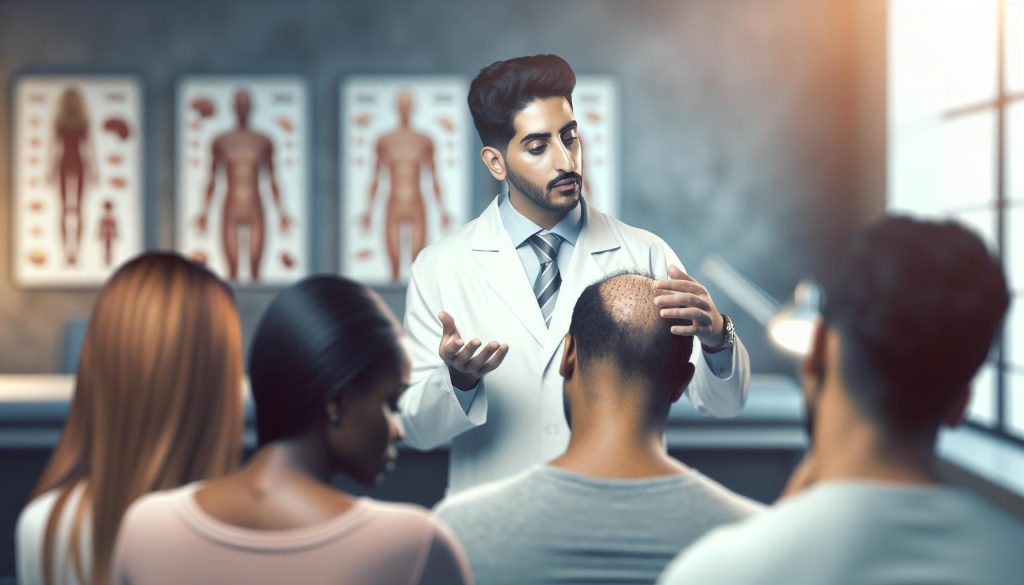
Did you know that androgenetic alopecia, commonly known as male or female pattern baldness, affects millions of people worldwide? This condition can lead to gradual hair loss for both men and women, often impacting self-esteem and confidence. Understanding the causes behind this type of hair loss is crucial for those affected, as it empowers individuals to explore effective prevention strategies. In this article, we will delve into the factors contributing to androgenetic alopecia, including genetics and hormones, while also discussing practical steps you can take to minimize its impact. Whether you’re seeking solutions for yourself or looking to support a loved one, gaining insight into this common issue is an essential step towards healthy hair and renewed confidence. Read on to discover valuable information that can help you navigate the challenges of hair loss.
Causes of Alopecia Androgenetica: An In-Depth Look
Alopecia Androgenetica, commonly known as male or female pattern baldness, is a condition that affects millions globally, and its causes are multifaceted. Predominantly, it stems from a combination of genetics and hormonal factors, which together create a complex interplay that leads to hair thinning and loss over time. Understanding these underlying causes can significantly assist individuals in managing their symptoms and formulating effective prevention strategies.
Genetics play a pivotal role in determining one’s susceptibility to Alopecia Androgenetica. Research indicates that this condition is often hereditary, passed down through familial lines. If your parents or grandparents experienced hair loss, your likelihood of developing this condition increases. Hormonal influences, particularly androgens, also contribute significantly. These hormones can shrink hair follicles and shorten the hair growth cycle, leading to thinner hair and hair loss. Androgen sensitivity can vary among individuals, amplifying or mitigating the effects of these hormones.
Additionally, environmental factors such as stress, pollution, and certain medications can exacerbate hair loss. For instance, high-stress levels have been linked to an increase in hair loss, as stress may disrupt the hair growth cycle. Diet also plays a crucial role; inadequate nutrition can significantly impact hair health. Nutritional deficiencies, particularly in vitamins and minerals essential for hair growth (like iron, Vitamin D, and biotin), can lead to further thinning and loss. Combining a comprehensive understanding of these factors can help craft targeted prevention strategies, such as lifestyle modifications, dietary improvements, and when necessary, medical consultations to explore treatment options.
By staying informed and proactive about these underlying causes, individuals can better navigate the challenges of Alopecia Androgenetica, fostering not just improved hair health but also overall well-being.
Understanding the Role of Genetics in Hair Loss
Understanding the intricate connection between genetics and hair loss is essential for anyone grappling with Alopecia Androgenetica. Studies reveal that this condition is heavily influenced by genetic factors, with approximately 80% of individuals experiencing some level of hair loss having a family history of the condition. If one or both parents have experienced pattern baldness, your chances of developing it increase substantially. This familial link highlights the importance of understanding your family history when considering preventive measures or treatment options.
The genetic components of Alopecia Androgenetica are believed to involve multiple genes that regulate hair follicle activity and sensitivity to androgens, a group of hormones that play a critical role in hair growth. Research has identified specific genes linked to increased risk, such as the AR gene, which may enhance androgen receptor sensitivity. This heightened sensitivity can lead to the miniaturization of hair follicles, causing thinning and eventual hair loss. Therefore, knowing your genetic predisposition can empower you to make informed choices about prevention and treatment strategies.
Understanding your genetic background not only provides insight into your likelihood of experiencing hair loss but also facilitates a proactive approach to managing it. For example, individuals aware of a strong family history of Alopecia Androgenetica might take early preventive actions, such as maintaining a healthier lifestyle, incorporating stress management techniques, and consulting healthcare professionals about suitable treatments. These informed choices can greatly influence outcomes and potentially slow the progression of hair loss.
While genetics play a crucial role, it’s essential to remember that they are not the sole determinant of hair loss. Engaging with a healthcare professional for a comprehensive evaluation can help identify other contributing factors and develop a personalized plan that includes lifestyle changes, dietary improvements, and topical or medical treatments. Taking a multifaceted approach that blends an understanding of genetics with actionable strategies can position you better to combat hair loss effectively.
Hormonal Factors Contributing to Alopecia
A staggering number of individuals struggling with hair loss often find themselves questioning the underlying causes, with hormonal factors being a significant player in Alopecia Androgenetica. These hormones are intricately linked to the hair growth cycle and can disrupt the delicate balance necessary for healthy hair follicles. Specifically, androgens-such as testosterone and its more potent form, dihydrotestosterone (DHT)-are crucial in understanding how this condition manifests. DHT, in particular, is notorious for its role in hair follicle miniaturization, where hair follicles shrink, producing thinner hairs over time, eventually leading to bald patches or overall thinning.
To grasp how hormonal imbalances contribute to hair loss, one must consider their regulation and the body’s response to fluctuations. Conditions such as polycystic ovary syndrome (PCOS) and adrenal disorders can trigger excess androgen production, exacerbating the risk of developing Alopecia Androgenetica. This hormonal imbalance can not only impact men but also significantly affect women, especially during key life stages such as puberty, pregnancy, and menopause, when hormonal levels can fluctuate dramatically.
Additionally, lifestyle factors can also play a critical role in hormonal health. For example, high levels of stress can lead to increased cortisol, which may further influence androgen levels and disturb overall hormonal balance. Addressing these lifestyle elements can help mitigate the effects of hormonal fluctuations. Consider integrating practices such as regular exercise, stress management techniques like mindfulness and yoga, and a balanced diet rich in antioxidants and omega-3 fatty acids, which can promote hormonal stability and, by extension, hair health.
Consulting healthcare professionals is key to diagnosing and understanding individual hormonal profiles. They can offer tailored treatments or interventions that target hormonal imbalances while exploring personalized strategies to manage and potentially reverse hair loss. With a proactive approach focusing on hormones, individuals can better navigate the complexities of Alopecia Androgenetica, empowering them to take positive steps toward healthier hair and overall well-being.
Environmental Influences on Hair Health
Environmental factors play a crucial role in maintaining healthy hair, and various elements in our surroundings can significantly influence conditions like Alopecia Androgenetica. For instance, exposure to pollution, chemicals, and even the climate can negatively impact hair health, exacerbating hair loss or thinning. Understanding these factors can empower individuals to make informed decisions that promote stronger hair and overall wellness.
Air quality is one of the major environmental influences that can affect hair health. Pollutants in the air, such as particulate matter and toxins, can disrupt the normal functioning of hair follicles, leading to reduced growth and increased shedding. Ensuring a cleaner air environment-whether by reducing time spent in polluted areas or using air purifiers at home-can be a proactive step in supporting hair vitality. Furthermore, the use of harsh chemicals in hair products can strip the hair of its natural oils, weakening its structure and increasing susceptibility to breakage. Opting for gentle, sulfate-free shampoos and conditioners can enhance hair strength and resilience.
The climate also plays an essential role in hair health. High humidity levels can cause hair to become frizzy and unmanageable, while extremely dry conditions can lead to brittle strands and scalp issues. Adapting hair care routines according to seasonal changes can help protect and preserve hair health. For instance, in winter, using moisturizing oils can combat dryness, while during summer, UV protection is vital to guard against sun damage.
Nutrition and hydration are pivotal environmental aspects that are often overlooked. Consuming a balanced diet rich in vitamins and minerals, such as biotin, zinc, and vitamins A and E, can help restore hair strength from the inside out. Staying hydrated is equally important, as adequate water intake ensures that the hair follicles receive the necessary nutrients required for healthy growth. Integrating nutrient-dense foods such as leafy greens, nuts, and fatty fish into daily meals can enhance not just hair health but overall well-being.
In conclusion, by recognizing and addressing various environmental influences, individuals can take meaningful steps to mitigate the risk of hair loss associated with Alopecia Androgenetica. Consulting healthcare professionals or dermatologists for personalized advice can further clarify how environmental factors impact individual hair health, leading to more tailored prevention strategies and treatments.
The Impact of Diet and Nutrition on Hair Loss
A well-balanced diet plays a crucial role in maintaining hair health and can significantly influence conditions like Alopecia Androgenetica. Hair is made up of a protein called keratin, and the nutrients we consume directly feed into this structural component. Deficiencies in essential vitamins and minerals can lead to weakened hair strands, increased hair shedding, and stunted growth. Understanding the dietary components that promote hair strength and vitality can empower individuals to make informed choices that mitigate hair loss and enhance overall health.
The following nutrients are particularly important for hair health:
- Biotin: This B vitamin is vital for producing keratin and is often touted for its hair-growth-promoting benefits. Foods rich in biotin include eggs, nuts, and whole grains.
- Zinc: Zinc deficiency is linked to hair loss. Incorporating sources of zinc such as lean meats, legumes, and seeds into your diet can promote healthy hair follicles.
- Iron: Low iron levels can lead to hair thinning. Consuming iron-rich foods like spinach, beans, and fortified cereals can support optimal hair growth.
- Vitamins A and E: These vitamins are essential for maintaining healthy and moisturized scalp environments. Foods such as carrots, sweet potatoes, and avocados can help sustain the scalp’s health.
- Omega-3 Fatty Acids: Found in fatty fish like salmon, these fatty acids nourish hair and promote shine while also reducing inflammation that can lead to hair loss.
Staying adequately hydrated is another key element in maintaining healthy hair. Water is fundamental for nutrient transport to hair follicles, and dehydration can lead to dry, brittle hair that is prone to breakage. To promote optimal hydration, aim to drink plenty of water throughout the day, and consider hydrating foods such as cucumbers, oranges, and watermelon as part of your diet.
Making small dietary changes can have a significant impact on hair health. For example, replacing processed snacks with nutrient-dense alternatives can provide essential vitamins and minerals that support hair follicles. Additionally, seeking the guidance of healthcare professionals or registered dietitians can help tailor dietary choices to individual needs, ensuring that specific deficiencies are addressed to promote hair growth and vitality.
In conclusion, a nutritious diet rich in vitamins, minerals, and healthy fats can play a pivotal role in preventing hair loss associated with Alopecia Androgenetica. By being mindful of one’s nutrition and making informed dietary choices, individuals can take proactive steps toward healthier hair and overall wellness.
Preventive Strategies for Alopecia Androgenetica
Taking proactive steps can significantly contribute to minimizing the risk of Alopecia Androgenetica, a condition that affects millions of individuals worldwide. One of the core strategies is understanding and managing the genetic predisposition that may lead to this type of hair loss. While genetics cannot be altered, being informed can empower individuals to seek early intervention and tailored treatments if hair thinning begins.
Incorporating a balanced lifestyle plays a pivotal role. Regular physical activity not only promotes overall health but can also improve circulation, ensuring that hair follicles receive adequate nutrients and oxygen. Activities like brisk walking, cycling, or yoga can serve as effective stress relievers, reducing the impact of stress-another factor linked to hair loss. It is important to incorporate stress management techniques such as mindfulness or meditation to further safeguard hair health.
Nutrition is another cornerstone of prevention strategies. A nutrient-rich diet that supports hair health can be beneficial. Including foods high in fat-soluble vitamins, such as avocados and sweet potatoes, can help maintain a healthy scalp environment. Additionally, consuming plenty of protein, found in fish, chicken, legumes, and beans, supports keratin production, the primary component of hair. Supplementing your diet with omega-3 fatty acids can also promote hair vitality by reducing inflammation.
Moreover, embracing a cautious approach to hair care can prevent unnecessary damage. Opt for gentle hair treatments, minimize the use of harsh chemicals, and avoid excessive heat styling. Choosing a mild shampoo and conditioner, along with occasional scalp massages, can stimulate blood flow and make hair healthier. Consulting with a dermatologist for personalized hair products or treatments tailored to your scalp type can provide further protection against potential hair loss.
Finally, being aware of the psychological implications of Alopecia Androgenetica is essential. Connecting with support groups or professionals can help individuals address the emotional aspects of hair loss. This approach not only fosters resilience but also opens discussions about coping mechanisms and strategies that can make the journey smoother.
By implementing these preventive measures, individuals can take charge of their hair health, empower themselves with knowledge, and seek appropriate medical advice when necessary, ultimately fostering a sense of control and well-being amidst the challenges of Alopecia Androgenetica.
Topical Treatments and Their Effectiveness
Hair loss due to Alopecia Androgenetica, commonly known as pattern baldness, is a complex condition that often requires a multifaceted approach for effective management. Among these avenues, topical treatments have gained significant attention for their role in promoting hair regrowth and preventing further loss. These treatments can vary widely in their mechanisms and effectiveness, making it essential for individuals to understand their options and how to best utilize them.
Minoxidil, a well-known over-the-counter topical treatment, has become a front-line option for those suffering from hair loss. Studies have shown that minoxidil can stimulate hair follicles and promote the growth of new hair. It is applied directly to the scalp and is available in both liquid and foam formulations. Users often report seeing visible results within a few months, although consistency in application is crucial for success. While minoxidil is generally well-tolerated, some users may experience scalp irritation or unwanted facial hair growth, emphasizing the importance of consulting with a healthcare provider before starting any treatment.
Another topical treatment worth mentioning is finasteride, often found in formulation options designed for male pattern baldness. Though typically taken orally, some topical formulations are being explored. Finasteride works by inhibiting the conversion of testosterone to dihydrotestosterone (DHT), a hormone linked to hair loss. Reducing DHT levels can slow hair thinning and enhance regrowth. However, it’s vital to discuss potential side effects, including sexual dysfunction and mood changes, with a healthcare professional.
Additionally, essential oils and natural remedies are gaining traction as supportive measures. Oils such as rosemary or peppermint have been studied for their ability to improve circulation and stimulate hair follicle activity. These can be combined with a carrier oil for a more soothing application on the scalp. While natural remedies may not offer guaranteed results like pharmacological options, they can complement other treatments when incorporated into a comprehensive hair care regimen.
To maximize the effectiveness of topical treatments, individuals should adopt a holistic approach that includes maintaining a healthy lifestyle, managing stress, and nourishing the scalp. Regular scalp massages can also enhance blood flow and improve the efficacy of topical applications. Ultimately, while topical treatments can significantly impact hair restoration efforts, individual results can vary, and ongoing consultation with a healthcare professional is vital for personalizing treatment plans and addressing any concerns that arise during the journey.
Lifestyle Changes to Mitigate Hair Loss Risk
Making thoughtful lifestyle adjustments can play a significant role in mitigating the risk of hair loss associated with Alopecia Androgenetica. From stress management to nutritional choices, the cumulative effects of daily habits can influence not just the scalp but overall health, offering a holistic approach to hair restoration and maintenance.
Stress Management
Stress is one of the most significant contributors to hair loss, exacerbating existing conditions. Implementing effective stress management techniques is crucial. Regular practices such as yoga, meditation, or mindfulness can enhance mental well-being, improve hormonal balance, and potentially slow hair loss progression. Starting a daily routine with as little as 10-15 minutes dedicated to relaxation can yield significant benefits.
Nutrition and Diet
A well-balanced diet rich in essential vitamins and minerals can support hair health. Key nutrients to incorporate include:
- Protein: Hair is primarily made of protein, so including sources like lean meats, fish, beans, and legumes is vital.
- Vitamins A and C: Foods rich in these vitamins, such as green leafy vegetables and fruits, can promote a healthy scalp and encourage hair growth.
- Omega-3 Fatty Acids: Found in fish like salmon and plant sources like flaxseed, these fatty acids nourish hair follicles.
- Iron and Zinc: These minerals are essential for hair growth and can be sourced from nuts, seeds, and whole grains.
Building meals around whole, unprocessed foods can significantly reduce inflammation in the body, further supporting hair and scalp health.
Hydration
Keeping adequately hydrated is another simple yet effective strategy. Water facilitates nutrient transport throughout the body, including to hair follicles. Aim to drink at least eight 8-ounce glasses of water daily, adjusting for activity levels and climate.
Regular Exercise
Engaging in regular physical activity improves circulation, allowing more blood to reach the scalp and promote healthier hair growth. Even moderate exercises like walking or cycling can enhance overall well-being and facilitate stress reduction.
Incorporating these lifestyle changes won’t produce overnight results, but with time and consistency, they can significantly contribute to lowering the risk of hair loss and supporting effective prevention strategies. As always, consulting with a healthcare professional can provide personalized advice tailored to individual needs and health conditions.
Natural Remedies and Their Potential Benefits
Natural remedies have gained traction as supportive treatments for various health concerns, including alopecia androgenetica, a common form of hair loss. These remedies aim to harness the body’s natural healing processes, promoting hair growth and overall scalp health without the systemic side effects sometimes associated with conventional treatments. Embracing a variety of natural options can not only enhance the effectiveness of any hair restoration efforts but also provide a sense of empowerment in managing one’s hair health.
One of the most popular natural remedies is the application of essential oils. Oils such as rosemary, peppermint, and lavender have been found to stimulate blood circulation to the scalp, encouraging hair follicles to function optimally. Regularly massaging these oils into the scalp can enhance their absorption while providing a relaxing experience that may further reduce stress, another contributor to hair loss. Additionally, herbal supplements such as saw palmetto and ginseng have been suggested to balance hormonal levels and inhibit the conversion of testosterone to DHT (dihydrotestosterone), which is often linked to hair thinning.
A balanced approach to hydration is equally vital. Staying well-hydrated allows for efficient nutrient transport to the hair follicles. Herbal teas, particularly those made from nettle or hibiscus, not only add hydration but also introduce beneficial nutrients that can promote healthy hair growth. Incorporating a variety of these teas into a daily routine can provide an enjoyable and healthful way to contribute to scalp health.
Ultimately, while there are promising natural remedies for alleviating symptoms associated with alopecia androgenetica, it’s essential to remember that everyone’s body responds differently. Therefore, before starting any new treatment regimen, consulting with a healthcare professional is crucial. A personalized assessment can ensure that chosen remedies align with individual health needs and conditions, paving the way for a comprehensive strategy that supports hair health effectively.
Medical Treatments and Advanced Options
Medical treatments for alopecia androgenetica have evolved significantly, providing various options to assist those affected by this common form of hair loss. While natural remedies play an essential role in some individuals’ hair care routines, medical interventions offer scientifically-backed strategies that can yield effective results. Understanding these options can help empower individuals to make informed decisions about their hair health.
Among the most widely recognized medical treatments is the use of minoxidil, a topical solution that is applied directly to the scalp. Approved by the FDA, minoxidil works by increasing blood flow to hair follicles, which can stimulate hair growth and slow the progression of hair loss. Typically, it is recommended for both men and women. Users may begin to notice changes in approximately 3 to 6 months, with continued use being necessary to maintain results.
Another prominent treatment is finasteride, a prescription oral medication primarily used for men. Finasteride functions by inhibiting the action of 5-alpha-reductase, an enzyme that converts testosterone into dihydrotestosterone (DHT), a hormone linked to hair follicle shrinkage. Studies indicate that finasteride can reduce hair loss and promote regrowth in a notable percentage of men using the treatment. However, it is vital for individuals to discuss potential side effects, including sexual dysfunction, with their healthcare provider.
For those seeking advanced and possibly more effective options, platelet-rich plasma (PRP) therapy has emerged as a promising procedure. PRP therapy involves extracting a small amount of the person’s blood, processing it to enrich it with platelets, and then injecting it into the scalp. This method utilizes the body’s growth factors to stimulate hair follicles and promote new hair growth. Clinical experience suggests that patients often see improvements after a series of sessions.
Lastly, hair transplant surgery presents a more permanent solution, particularly for those with significant thinning or bald areas. This surgical procedure involves relocating hair follicles from a denser area to the balding regions. Techniques like Follicular Unit Extraction (FUE) or Follicular Unit Transplantation (FUT) can yield natural-looking results, though it’s crucial to have realistic expectations and to understand that results can vary based on individual conditions.
While these medical treatments offer various benefits, it’s essential to engage in a thorough discussion with a qualified healthcare professional to identify the most suitable approach tailored to one’s specific situation. Each treatment plan should reflect individual needs, symptoms, and any other health considerations, ensuring an informed and supportive pathway toward managing alopecia androgenetica effectively.
Psychological Impact of Alopecia and Coping Mechanisms
Experiencing hair loss can be an emotionally challenging journey, especially when it manifests as alopecia androgenetica. For many individuals, the gradual thinning of hair can lead to feelings of inadequacy or self-consciousness, affecting their self-esteem and how they interact with the world. It’s not just about the physical changes; it can trigger a complex array of psychological responses that warrant attention and understanding.
Coping with the psychological impact of hair loss involves recognizing the emotional toll it can take. Many individuals report feelings of anxiety, depression, or isolation as they come to terms with their changing appearance. To cope effectively, it is crucial to build a support system. Engaging in conversations with friends, family, or support groups can help in sharing experiences and feelings, providing a sense of community and understanding. You might consider seeking professional help from a therapist who specializes in body image issues or chronic conditions, as they can equip you with coping mechanisms tailored to your needs.
Additionally, developing a positive mindset is essential. While it’s natural to grieve the loss of hair, focusing on aspects you can control might provide a sense of empowerment. Strategies such as exploring new hairstyles, experimenting with accessories like hats or scarves, or even discussing advanced treatment options with healthcare providers can reinforce one’s self-image and promote resilience. Setting achievable goals related to personal well-being-such as regular exercise and a balanced diet-can also improve mental health, creating a holistic approach to your situation.
Moreover, incorporating mindfulness practices, such as meditation or yoga, can foster a better connection with your body and help reduce stress. These practices encourage you to live in the present moment rather than getting consumed by worries about appearance. Engaging in creative outlets, such as writing, painting, or even public speaking about one’s journey, can also serve as powerful tools for self-expression and healing.
Ultimately, it’s essential to remember that you are not alone in this journey. With the right support and strategies, individuals can navigate the emotional complexities of alopecia androgenetica effectively, empowering themselves to maintain a positive outlook on their overall health and well-being. Always consult with healthcare professionals to explore options best suited to your specific needs and circumstances.
Emerging Research and Future Directions in Hair Loss Prevention
Significant advancements in the understanding and treatment of alopecia androgenetica have emerged in recent years, fueling hope for effective prevention strategies. Researchers are delving deeper into the genetic and hormonal mechanisms underlying this condition, paving the way for innovative interventions that can target the precise causes of hair loss.
One promising area of research focuses on the genetic components of hair loss. Studies have identified specific gene variants associated with alopecia androgenetica, providing insight into how individual variations might influence susceptibility to this condition. Genetic testing may soon offer personalized strategies for prevention and treatment, allowing individuals to understand their unique risks better.
Furthermore, hormonal treatments are being explored as means to combat hair loss effectively. Clinical trials are investigating the efficacy of medications that regulate hormone levels, such as finasteride, which has shown potential in halting hair loss progression in men and women alike. In conjunction with these hormonal therapies, researchers are examining topical treatments that stimulate hair follicles at a cellular level, promoting new hair growth and overall scalp health.
The rise of lifestyle and dietary interventions also deserves attention. Ongoing studies are evaluating the impact of nutrition on hair health, suggesting that a diet rich in essential vitamins and minerals may play a supportive role in mitigating hair loss. For instance, antioxidants, omega-3 fatty acids, and specific vitamins like biotin and zinc are being highlighted for their positive effects on hair follicles, stressing the importance of a balanced diet as part of a comprehensive prevention strategy.
Emerging technologies are also making their mark on the landscape of hair restoration, with innovative options such as platelet-rich plasma (PRP) therapy gaining traction. This technique utilizes the body’s healing properties to rejuvenate scalp health and stimulate hair growth, demonstrating a shift toward utilizing the body’s natural healing abilities rather than solely relying on pharmacological solutions.
In summary, the future of hair loss prevention lies in a multifaceted approach that encompasses genetic understanding, hormonal regulation, nutritional support, and novel therapies. As these research efforts progress, individuals dealing with alopecia androgenetica can look forward to more personalized and effective prevention strategies, underscoring the importance of consulting healthcare professionals for tailored advice and treatment options.
Q&A
Q: What are the primary causes of alopecia androgenetica?
A: Alopecia androgenetica, commonly known as male or female pattern baldness, is primarily caused by genetic factors and hormonal changes, specifically an increased sensitivity to dihydrotestosterone (DHT). This hormone affects hair follicle growth, leading to thinning and eventual hair loss. Understanding these causes can help in formulating effective prevention strategies.
Q: How does diet influence alopecia androgenetica?
A: Diet plays a significant role in hair health. Nutrients such as vitamins A, D, E, iron, zinc, and omega-3 fatty acids promote hair growth. A balanced diet can potentially mitigate hair loss associated with alopecia androgenetica. Consider incorporating these nutrients into meals for better hair health.
Q: Can stress contribute to alopecia androgenetica?
A: While stress is not a direct cause of alopecia androgenetica, it can exacerbate hair loss conditions. Chronic stress may influence hormonal levels and hair follicle function, leading to increased shedding. Implementing stress management techniques, such as mindfulness or yoga, can be beneficial for overall hair health.
Q: What topical treatments are effective against alopecia androgenetica?
A: Minoxidil is a well-known topical treatment often used for alopecia androgenetica. It may help in stimulating hair follicles and promoting hair regrowth. Applying minoxidil consistently as directed can enhance its effectiveness in combating hair loss.
Q: How can lifestyle changes help prevent alopecia androgenetica?
A: Lifestyle changes such as regular exercise, maintaining a healthy weight, and reducing smoking and alcohol intake can improve overall health and may slow hair loss. Regular physical activity improves blood circulation, delivering essential nutrients to hair follicles.
Q: Are there natural remedies that can help with alopecia androgenetica?
A: Natural remedies such as saw palmetto, pumpkin seed oil, and essential oils like rosemary may aid in hair health by blocking DHT and improving circulation. While results vary, incorporating these remedies into your routine might provide additional support for hair wellness.
Q: When should I see a doctor regarding alopecia androgenetica?
A: It’s advisable to consult a healthcare professional if you notice significant hair loss or changes in your hair pattern. Early intervention can help determine the underlying causes and facilitate timely treatment options for alopecia androgenetica.
Q: What psychological impacts can alopecia androgenetica have?
A: Alopecia androgenetica can lead to significant psychological effects, including anxiety and decreased self-esteem. Seeking support through counseling or support groups can be beneficial in coping with the emotional impact of hair loss.
To Conclude
As we conclude our exploration of Alopecia Androgenetica and its prevention strategies, remember that understanding the underlying causes is key to addressing this common condition effectively. Implementing the strategies discussed can significantly impact your hair health and well-being. Don’t wait-take proactive steps today to nurture your hair!
For deeper insights, we invite you to explore our articles on Nutrition for Hair Health and The Latest Treatments for Hair Loss, which can provide you with additional strategies and support. If you have concerns about your hair loss, consider consulting a healthcare professional who can offer personalized advice based on your unique situation.
Your journey to healthier hair starts now! Stay informed and motivated by signing up for our newsletter for the latest tips and resources. Share your thoughts in the comments below or connect with others who understand your experience. Your engagement not only enriches our community but also empowers others navigating similar challenges.