
Fleas can be a persistent nuisance for both cats and their owners, often causing discomfort and health issues for our furry friends. Did you know that these tiny parasites can quickly adapt and multiply in your home, posing a risk not just to your pet but also to your family’s well-being? Choosing the right flea medication for your cat is crucial not only for effective pest control but also for ensuring their safety. With a variety of options available, each with its unique benefits and potential side effects, it’s essential to make an informed decision that aligns with your pet’s needs. In this guide, we will explore the different types of flea medications, their safety profiles, and how to choose the best option for your beloved cat, empowering you to safeguard their health and happiness.
Choosing Safe and Effective Flea Meds for Cats
Choosing safe and effective flea medications for your cat is crucial for their health and well-being, especially since flea infestations can lead to more serious health issues like anemia or skin infections. When selecting a flea treatment, it’s essential to consider your cat’s age, weight, and overall health status. Always opt for medications specifically formulated for cats, as many dog medications can be toxic to felines.
When evaluating flea medications, you will generally encounter three main types: topical treatments (spot-on), oral medications, and collars. Topicals are often favored for their ease of application and quick effect, while oral medications can provide longer protection and may be easier to administer to some cats. Each option has its advantages, and what works best will depend on your cat’s preferences and any underlying health conditions they might have.
Key Considerations for Choosing Flea Meds
When choosing a flea treatment, keep these factors in mind:
- Effectiveness: Look for products that target fleas at all life stages-eggs, larvae, and adults.
- Safety: Ensure the medication is safe for your cat’s age and weight. Always read product labels carefully.
- Ease of use: Consider how easy the medication is to apply or administer, especially if your cat is anxious or difficult to handle.
- Vet Recommendations: Consulting with your veterinarian can provide tailored advice based on your cat’s health needs.
By taking these steps, you can help ensure that the flea medication you choose is not only effective but will also keep your furry friend safe and healthy. Always monitor your cat for any signs of adverse reactions, which may indicate that it’s time to consult your veterinarian.
Understanding Flea Infestations and Their Risks
Flea infestations are not just a nuisance-they can pose significant health risks to your feline friend. When fleas attach to your cat, they feed on its blood, leading to discomfort and potential severe health issues. Even more concerning is that an untreated flea problem can escalate, causing anemia, skin infections, and allergic reactions. It’s essential to understand the lifecycle of fleas: they can reproduce rapidly, with a single female capable of laying hundreds of eggs, which can then spread throughout your home, making eradication a complex challenge.
In addition to physical discomfort, fleas are vectors for disease. They can transmit parasites such as tapeworms and can carry pathogens that may infect both pets and humans, potentially leading to illnesses like flea-borne typhus and cat scratch fever. This underlines the importance of not only treating your pet but also addressing the environment by regularly cleaning and vacuuming to remove any eggs or larvae.
Recognizing the signs of a flea infestation early on can help mitigate these risks. You might notice your cat scratching, biting, or showing signs of restlessness. Flea dirt-tiny black specks found in your cat’s fur or bedding-is another telltale sign. Regular inspection and proactive measures can keep your cat healthy and comfortable, reinforcing the value of choosing safe and effective flea medications tailored to its specific needs.
Types of Flea Medications for Cats Explained
Understanding the different types of flea medications available for your cat is crucial for effectively managing flea infestations and ensuring your pet’s health and well-being. With various options on the market, it’s essential to choose a treatment that fits your cat’s specific needs. Flea medications generally fall into several categories, each with unique mechanisms of action and application methods.
Overview of Flea Medication Types
The most common types of flea medications for cats include:
- Topical Treatments: These are applied directly to your cat’s skin, usually just between the shoulder blades. They are effective at killing adult fleas and often repel new infestations. Products typically contain ingredients like imidacloprid, fipronil, or selamectin.
- Oral Medications: Available as tablets or chews, these medications work systemically. Once ingested, they enter the bloodstream and kill fleas when they bite your cat. Options include nitenpiram and lufenuron, which can also help prevent flea eggs from hatching.
- Flea Collars: These collars release a chemical that repels or kills fleas and ticks. They can be effective for continuous protection but need to fit properly and should be replaced after a certain period as per the manufacturer’s instructions.
- Shampoos and Sprays: These provide immediate relief and can kill fleas on contact. However, they are not long-lasting solutions and may need to be repeated frequently.
- Natural Remedies: Some pet owners opt for natural solutions like diatomaceous earth, essential oils, or herbal sprays, although their efficacy can vary and may not be as scientifically supported as conventional treatments.
Selecting the Right Medication
When selecting flea medications, consider your cat’s age, weight, and health status. Consult your veterinarian before starting any treatment, especially if your cat has existing health problems or is pregnant. It’s also important to check for any potential interactions with other medications your cat may be taking.
Additionally, be aware that some products designed for dogs can be highly toxic to cats. Always read labels carefully, and verify that the medication is specifically formulated for feline use. By understanding the various options available and observing your cat’s needs, you can effectively manage flea infestations while ensuring your pet remains safe and healthy.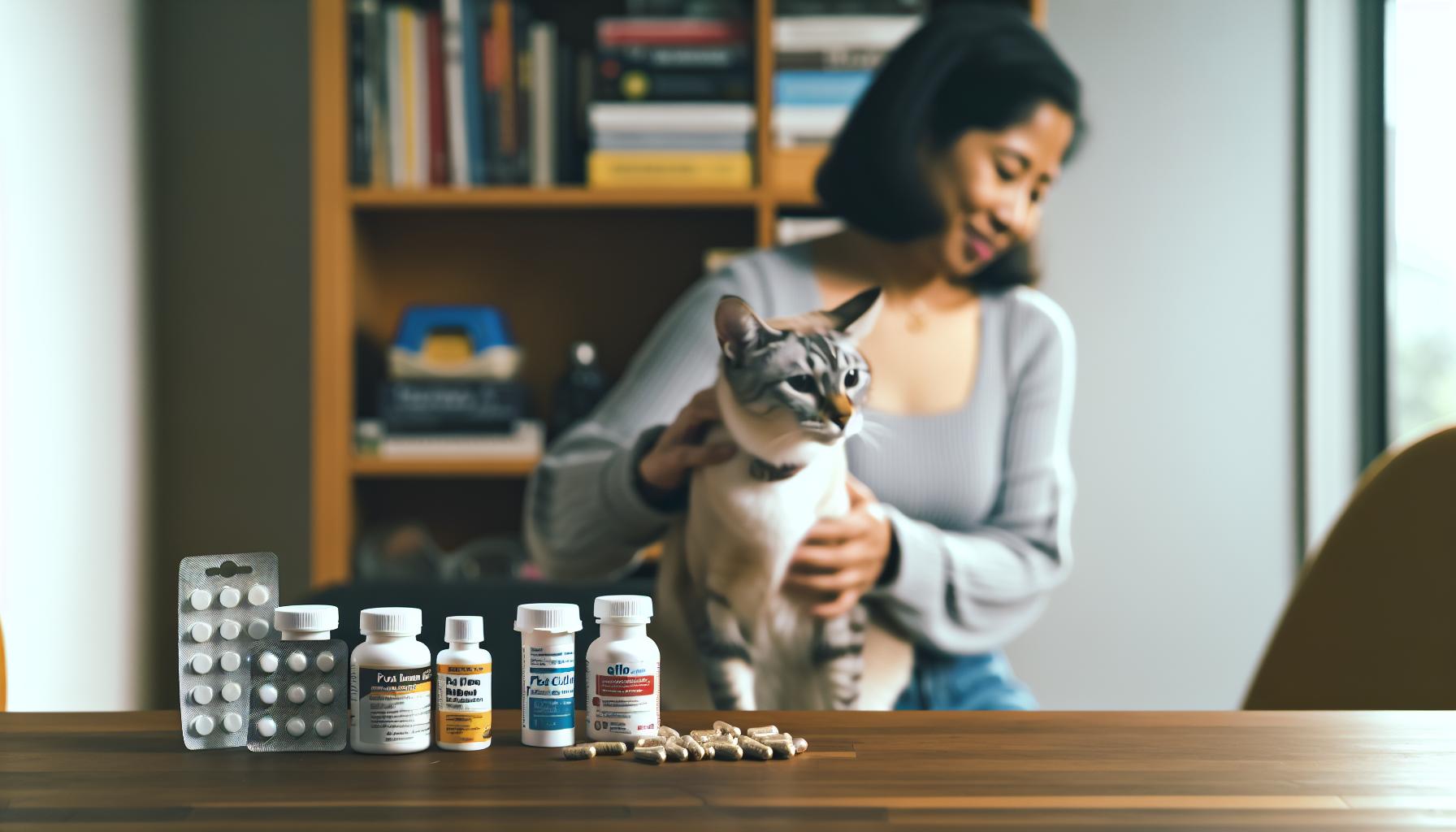
How to Choose the Right Flea Med for Your Cat
Choosing the right flea medication for your cat can feel overwhelming, especially with such a vast array of options available today. It’s essential to approach this decision thoughtfully to ensure your furry friend receives the most effective and safe treatment. Keep in mind that not all flea medications are created equal; each type has its own mechanism of action and concentration of active ingredients, which can impact its suitability for your pet.
First and foremost, consider your cat’s age, weight, and overall health. Young kittens often have different treatment requirements compared to adult cats. For instance, some medications are not safe for kittens under a certain age. Additionally, if your cat has any underlying health conditions or is currently on other medications, it could affect which flea treatment is appropriate. A vet’s consultation is always a smart choice to clarify any concerns and to confirm that the chosen product will not interact adversely with any existing treatment your pet may be receiving.
Another critical factor is the method of administration. Flea treatments come as topical applications, oral tablets, collars, and even shampoos. Each has unique benefits and drawbacks. For instance, topical treatments can provide long-lasting protection but may require careful application to avoid contact with other pets or humans. On the other hand, oral medications are generally easier to administer but can take time to begin working. Assess your cat’s temperament and the practicality of administering the treatment when making your choice.
Finally, don’t forget to check for labels and product instructions. Some flea medications designed for dogs can be toxic to cats, so it’s imperative to select products specifically formulated for feline use. If you’re considering natural remedies, be cautious, as their effectiveness can vary significantly. Always research and, if possible, discuss these options with a veterinarian to ensure that you’re making the safest choice for your furry companion. By taking these steps and remaining informed, you can effectively manage flea infestations while keeping your cat comfortable and healthy.
Top Safety Considerations When Using Flea Meds
It’s essential to prioritize safety when selecting and administering flea medications to your cat. A wrong choice can lead not only to ineffective treatment but also to potential health risks for your furry companion. First and foremost, always read and follow the product labels carefully. Labels will provide critical information about the active ingredients, proper dosage, and specific instructions pertinent to your cat’s age and weight. Remember, some products intended for dogs can be harmful or even fatal to cats, so selection should be based on feline-specific formulations.
When using topical treatments, it’s crucial to apply them correctly. Ensure that the area is clean and dry before application, and avoid contact with the application site until it has dried completely to prevent exposure to other pets or humans. Keep a close eye on your cat for any adverse reactions, especially within the first few hours post-application. Signs of irritation or allergic reactions can include excessive grooming, redness, or swelling at the site of application. If any unexpected symptoms arise, consulting a veterinarian immediately is advisable.
Another important aspect is considering your cat’s overall health status. Cats with pre-existing health conditions or those undergoing other treatments may react unpredictably to specific flea medications. For cats that are elderly, very young, or pregnant, always consult a veterinarian before administering any treatment to avoid complications. Creating a record of your cat’s medical history can be beneficial for your vet in evaluating the safest treatment options.
Lastly, in the event of an infestation, some cats might need to be treated repeatedly. Monitor your cat for any signs of reinfestation, and understand that persistent flea problems may indicate an issue with environmental control. Regularly cleaning your cat’s environment, including thorough vacuuming and washing pet bedding, is essential in ensuring the medications work effectively and preventing further infestations. By being vigilant and proactive, you can keep your cat safe while managing flea control effectively.
Spot-On Treatments vs. Oral Medications: Pros and Cons
When it comes to combating flea infestations in cats, pet owners often find themselves choosing between two prominent forms of medication: spot-on treatments and oral medications. Each option presents its own set of advantages and disadvantages, making it essential to understand these distinctions to select the most effective and safe treatment for your feline friend.
Spot-On Treatments are liquid medications applied directly to a cat’s skin, typically between the shoulder blades, where they remain localized. One significant advantage is their ease of use; most products require mere application once a month. Furthermore, these treatments often provide immediate topical relief and can kill fleas on contact, preventing new infestations rapidly. However, some cats may exhibit sensitivity or allergic reactions at the application site, which can include scratching, excessive grooming, or localized irritation. Additionally, if not applied correctly, there’s a risk that the medication could spread to other animals or humans, especially before it dries.
On the other hand, Oral Medications come in the form of tablets or chewables, which are consumed by the cat. These medications often work systemically, targeting fleas from within. Their effectiveness can be particularly beneficial in households with multiple pets, as they eliminate the need for topical application and the associated risks of cross-contamination. However, administering pills can be challenging, especially for cats that are picky eaters or resistant to taking medication. Additionally, some oral treatments may take longer to show effects compared to spot-on solutions.
In choosing between these options, consider your cat’s personality, health history, and any previous reactions to flea treatments. It’s always best to discuss these choices with your veterinarian, who can provide tailored advice based on your pet’s unique needs. By weighing the pros and cons of spot-on and oral medications, you can make informed decisions that prioritize your cat’s health and comfort while ensuring effective flea control.
Natural Alternatives to Flea Medications for Cats
Exploring natural alternatives for flea control can be an empowering strategy for cat owners seeking to avoid potential side effects of conventional treatments. Many pet parents are turning to herbal remedies and essential oils, believing that these options can effectively stave off fleas while being gentler on their furry companions. However, it’s crucial to approach these alternatives with care, as not all natural products are safe for cats.
Herbal Remedies
Several herbs and plants have been traditionally used to repel fleas. Examples include:
- Neem Oil: Known for its insect-repelling properties, neem oil can be diluted and applied to your cat’s fur, although it’s important to ensure your cat doesn’t ingest it.
- Rosemary: This common cooking herb can be used in a spray solution. Steep rosemary in boiling water, allow it to cool, then use it as a rinse after your cat’s bath to help deter fleas.
- Lavender: The scent of lavender is often unappealing to fleas. Placing dried lavender sachets in your cat’s bedding can help keep fleas at bay.
Each of these herbs has the potential to aid in flea prevention, but caution is advised; always check with your veterinarian before introducing any herbal remedy to your pet’s routine, as individual responses may vary.
Essential Oils
Essential oils can also play a role in natural flea control, but they must be used judiciously. Some oils, like cedarwood, peppermint, and eucalyptus, are known for their flea-repelling qualities. When using essential oils, consider the following:
- Essential oils should always be diluted before use. A safe ratio is generally one drop of essential oil in a carrier oil, such as coconut or olive oil, but be cautious with amounts.
- Not all oils are safe for cats. For instance, tea tree oil and citrus oils can be toxic to felines. Always research and confirm safety before application.
- Test any topical solution on a small area of skin first to monitor for any adverse reactions.
Dietary Changes
Including certain nutritional elements in your cat’s diet may also improve their resistance to fleas. Adding omega-3 fatty acids, found in fish oil, can promote a healthy coat, making it less attractive to fleas. Always consult your vet for tailored dietary adjustments that meet your cat’s health needs.
While natural alternatives can be beneficial, they shouldn’t replace regular veterinary care and prescribed medications when dealing with severe infestations. Always engage your veterinarian in discussions about flea prevention and treatment strategies to ensure holistic and effective care for your cat.
Recognizing Side Effects and Allergic Reactions
When choosing flea medications for your cat, it’s essential to be aware of potential side effects and allergic reactions that may arise. Just like humans, pets can have varied responses to medications, and being informed can help you act quickly if issues arise. Common signs that your cat may be having a negative reaction to flea treatments include excessive grooming, skin irritation, lethargy, vomiting, or loss of appetite. Understanding these symptoms can empower you to take swift action and ensure your furry friend’s safety.
One prevalent side effect that cat owners should watch for is skin irritation, which may manifest as redness, itchiness, or even hair loss at the application site. If you notice any of these symptoms, it’s crucial to remove the medication if possible and consult with your veterinarian immediately. In some cases, the flea medications can provoke allergic reactions that require urgent care. Signs of an allergic reaction can be more severe, including difficulty breathing, swelling of the face, or hives. If your cat exhibits these alarming symptoms, seek veterinary help without delay.
It’s also worth noting that certain medications might not be compatible with your cat’s health status or other treatments they are currently using. For instance, some flea medications can interact negatively with specific medicines or existing health conditions, leading to unforeseen complications. Always provide your veterinarian with a comprehensive list of your cat’s medications and health history before addressing flea prevention or treatment options.
To ensure your cat’s safety, consider starting with a test dose of any new flea medication. Observe your pet closely for any adverse reactions within the first 24 to 48 hours after administration. This proactive approach can help you identify any problems early and switch medications if necessary. Remember, your veterinarian is your best ally in selecting safe and effective flea treatments tailored to your cat’s unique needs. Stay informed and vigilant to keep your feline companion free from fleas, whilst ensuring their overall well-being.
Flea Prevention Tips: Keeping Your Cat Safe
To maintain your cat’s health and comfort, keeping fleas at bay is essential. Did you know that fleas can reproduce rapidly, leading to a full-blown infestation in a matter of weeks? This underscores the importance of proactive flea prevention strategies as they can save you from the stress and expense of treating an infestation. Here are some effective tips to help keep your feline friends safe from these pesky pests.
Regular Grooming
One of the simplest yet effective ways to prevent fleas is through regular grooming. Use a fine-toothed flea comb to check for fleas and their eggs, especially around the neck and tail areas where they tend to congregate. Not only does grooming help you catch any infestations early, but it also strengthens your bond with your cat while helping to distribute natural oils in their fur, promoting a healthy coat.
Household Cleaning
Maintaining a clean environment is crucial in preventing fleas. Regularly vacuum your home, especially areas where your cat spends a lot of time, such as carpets, rugs, and furniture. Remember to dispose of vacuum bags or empty canisters immediately to ensure trapped fleas don’t escape. Additionally, washing your cat’s bedding and any blankets or pillows they frequently use in hot water can eliminate any potential flea eggs or larvae lurking in the fabric.
Outdoor Care
If your cat spends time outdoors, take extra precautions. Garden maintenance can play a significant role in flea prevention; keep your yard free from debris where fleas might thrive. Consider using natural repellents, such as nematodes, which target flea larvae in your garden without harming other beneficial insects. Always check your cat for fleas after outdoor adventures, especially during peak flea season.
Consult Your Veterinarian
Although preventive measures can significantly reduce flea risks, consulting your veterinarian for personalized advice on flea prevention is always wise. They can recommend appropriate flea prevention products and schedules tailored to your cat’s lifestyle and needs. Early intervention and expert guidance are key to keeping your feline companion happy and healthy.
By adopting these preventive measures, you can create a safer environment for your cat, reducing the chances of flea infestations. Remember, when it comes to your pet’s health, being proactive is the best approach.
What to Do If Your Cat Is Reinfested
Even the most diligent pet owners may face the frustration of a reinfested cat after previously successful flea treatments. Understanding how to tackle this situation effectively is essential for ensuring your cat’s comfort and health. A comprehensive approach is needed to eliminate the fleas thoroughly and prevent further infestations.
Start by assessing the current flea treatment you were using. It’s possible that the product was not effective against the specific fleas infesting your cat or that it wasn’t administered correctly. Revisit the manufacturer’s guidelines to ensure that you applied the medication as directed and consider consulting your veterinarian to discuss switching to a more potent or different type of flea medication. This could include exploring options like prescription medications that might be more effective against resistant flea populations.
Next, don’t overlook the importance of treating your home environment. Fleas can lay eggs in carpets, bedding, and upholstery, which can lead to a quick reinfestation. Vacuum frequently, focusing on areas where your cat spends time, and consider using a vacuum with a HEPA filter to trap fleas and their eggs effectively. Wash your cat’s bedding and any fabric items in hot water regularly to eliminate lurking fleas and larvae. If the infestation persists, using foggers or sprays designed to target fleas in your home may be necessary; ensure these products are safe for use around pets.
It’s also vital to integrate continuous prevention strategies. After dealing with the immediate problem, establish a regular flea prevention routine that works for your cat, which might include monthly spot-on treatments, oral medications, or natural repellents. Always consult with your veterinarian for tailored recommendations that suit your cat’s lifestyle and health status. By combining effective treatments with proactive preventive measures, you can maintain a flea-free environment for your feline friend, reducing stress for both you and your pet.
Consulting Your Vet: When to Seek Professional Help
Recognizing when to seek professional help from your veterinarian can be a pivotal decision for ensuring the health and well-being of your cat. Flea infestations can pose serious health risks, not just discomfort for your pet. If your cat shows signs of severe irritation, dermatitis, or other skin issues due to scratching, it’s crucial to consult your vet. Additionally, if you observe any unusual behavior, such as lethargy, loss of appetite, or excessive grooming, these could be signs of a more significant problem that warrants professional evaluation.
Moreover, if your cat has underlying health conditions or is very young or elderly, this warrants a discussion with your veterinarian about which flea medications are safest and most effective for its unique situation. Some flea treatments can interact with other medications or exacerbate existing health issues. A veterinarian can provide tailored recommendations that prioritize your cat’s safety and health based on their medical history.
It’s also important to reach out for professional help if your chosen flea medication isn’t providing expected results within a reasonable time frame. Flea populations can develop resistance to certain treatments, and your vet can suggest alternative medications or adjunctive treatments, such as environmental control measures, to effectively manage the infestation.
In summary, when in doubt, don’t hesitate to consult with your veterinarian. Not only can they help in choosing the right flea prevention strategies, but they can also provide valuable insights into maintaining a flea-free home environment and addressing any health concerns that may arise during treatment. Always remember that your vet is a trusted partner in your cat’s health and well-being, helping you navigate any challenges associated with flea infestations.
Faq
Q: What are the safest flea medications for cats?
A: The safest flea medications for cats typically include topical treatments that are specifically formulated for felines. Consult your veterinarian to choose effective options while considering your cat’s age, weight, and health conditions. Always avoid products designed for dogs, as they can be toxic to cats.
Q: How can I tell if a flea medication is safe for my cat?
A: To ensure flea medication is safe for your cat, check if it’s labeled for feline use and approved by veterinary health authorities. Read ingredient lists carefully and consult your veterinarian, especially if your cat has pre-existing health issues.
Q: Are there natural flea medications for cats that are effective?
A: Yes, natural flea medications can be effective for cats. Options include diatomaceous earth, essential oils like lavender and cedar, and herbal sprays. However, always consult your veterinarian before using natural remedies to ensure they are safe for your cat.
Q: When should I apply flea medication to my cat?
A: Apply flea medication to your cat according to the product instructions, usually once a month for preventatives. It’s best to treat after a bath or when your cat is dry to ensure effective absorption. If your cat has fleas, treat them immediately to halt the infestation.
Q: How can I identify side effects from flea medications in cats?
A: Common side effects of flea medications in cats can include excessive drooling, vomiting, diarrhea, or skin irritation. If you notice any unusual behavior or symptoms after administration, contact your veterinarian promptly to discuss potential allergic reactions or toxicity.
Q: Why is it important to consult a vet before choosing flea meds for cats?
A: Consulting a veterinarian before selecting flea medications for your cat helps ensure you choose a safe and effective treatment tailored to your cat’s health condition and needs. Vets can also help assess the severity of a flea infestation and recommend a comprehensive treatment plan.
Q: How often should I treat my cat for fleas?
A: Frequency of flea treatment for cats depends on the type of medication used. Monthly treatments are common for spot-on and oral medications, while flea collars may last for several months. Regularly check your cat for signs of fleas and consult your vet for recommendations based on your specific case.
Q: What should I do if my cat experiences an allergic reaction to flea medication?
A: If you suspect your cat is having an allergic reaction to flea medication, immediately wash the affected area with soap and water. Monitor your cat for severe symptoms like swelling or difficulty breathing, and consult a veterinarian right away for professional advice and treatment recommendations.
To Wrap It Up
As you make informed decisions on the best flea medications for your cat, remember that prioritizing safety and effectiveness is key to ensuring your furry friend’s well-being. With the right choices, you can free them from discomfort and protect your home from fleas. Don’t hesitate-take action today by exploring our comprehensive guides on holistic pet care, common pet health questions, and preventive treatments for cats to keep your pet healthy and happy.
We invite you to share your experiences in the comments below or subscribe to our newsletter for expert tips and the latest updates on pet health. Need personalized advice? Consult with your veterinarian to tailor a flea prevention plan that suits your cat’s unique needs. Your pet deserves the best, so take the next step in ensuring their comfort and health today!