Did you know that degenerative scoliosis can often go unnoticed until it leads to significant pain or mobility issues? This condition, characterized by a gradual curvature of the spine, typically develops as we age, making it crucial for readers of all ages to understand its causes and potential consequences. As our bodies change, factors like wear and tear on the spine, underlying health issues, or even lifestyle choices can contribute to this condition, impacting daily activities and overall quality of life. By exploring the intricacies of degenerative scoliosis, from its origins to the profound effects it can have, you’ll be better equipped to recognize symptoms early and seek professional medical advice tailored to your individual needs. Understanding this topic not only empowers you but also opens the door to effective management strategies that can enhance your well-being.
Causes of Degenerative Scoliosis Explained
The development of degenerative scoliosis often goes hand-in-hand with the natural aging process, underscoring the importance of understanding its causes. At its core, degenerative scoliosis refers to the curvature of the spine that occurs due to the gradual decay of spine structures over time. This condition is primarily triggered by the wear and tear of intervertebral discs and facet joints, which can lead to a destabilized spine. When these components degrade, they can result in an uneven distribution of weight along the spine, ultimately producing curvature.
Several factors contribute to the emergence of degenerative scoliosis. One significant factor is the natural aging process, which causes a decline in the hydration and elasticity of spinal discs. As these discs lose their cushioning ability, they become less effective at absorbing shocks and providing stability, increasing the risk of curvature. In addition, the formation of bone spurs due to osteoarthritis can exacerbate misalignments in the spine. This age-related degeneration is particularly evident in those over 60, highlighting the need for regular monitoring and proactive management in older adults.
Genetic predispositions also play a role in degenerative scoliosis. Individuals with a family history of spinal disorders may be more susceptible to developing this condition. Moreover, variations in spinal structure and biomechanical alignment can be inherited, potentially influencing the way the spine ages over time. Additionally, lifestyle choices significantly impact the risk of degenerative scoliosis. Factors such as obesity, lack of physical activity, and poor posture can accelerate the degeneration of spinal structures, leading to an increased likelihood of scoliosis development.
In summary, a combination of aging, genetic factors, and lifestyle choices can significantly influence the development of degenerative scoliosis. Understanding these causes empowers individuals and healthcare providers to take proactive steps toward prevention and management, ultimately improving quality of life as one ages. Regular check-ups, maintaining a healthy weight, and engaging in physical activity are essential in mitigating the risk of this condition. Always consult with healthcare professionals to tailor a preventative and treatment approach specific to individual needs.
Understanding the Role of Aging in Scoliosis
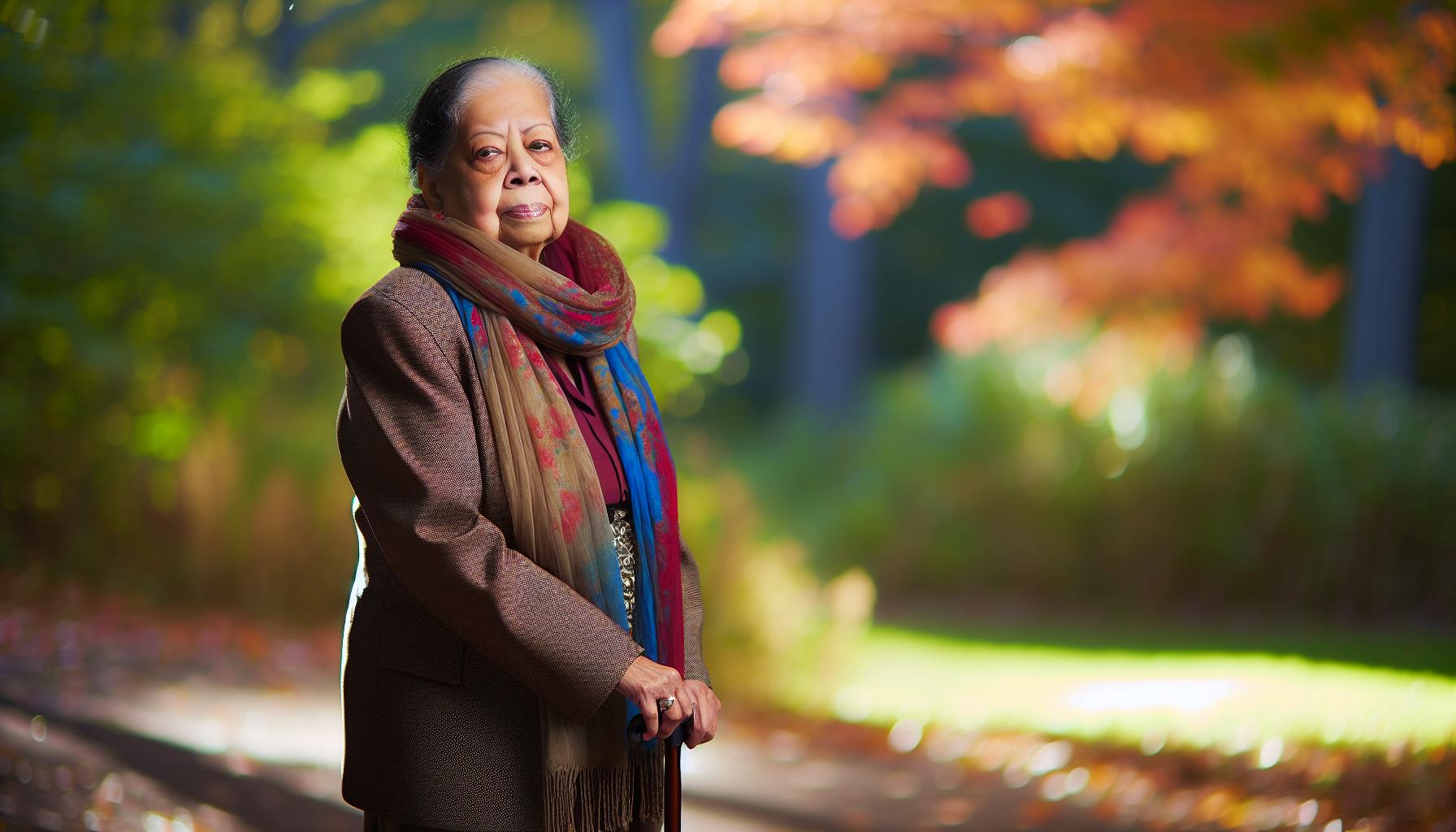
As we age, our bodies undergo numerous changes that can significantly affect our musculoskeletal system, including the spine. One of the critical aspects of this natural decline is the deterioration of spinal structures, particularly intervertebral discs and facet joints, which play a vital role in maintaining spinal alignment and flexibility. Research has consistently shown that the hydration and elasticity of these discs diminish with age, resulting in reduced shock absorption capacity. This lack of support can lead to an uneven distribution of weight along the spine, contributing to a condition known as degenerative scoliosis.
The effects of aging are often compounded by other factors that arise in later life. For instance, the formation of bone spurs, a common consequence of osteoarthritis, can further destabilize the spine and exacerbate misalignments. Older adults, particularly those over 60, may find that the combined impact of these changes leads to a pronounced curvature of the spine, which not only affects posture but also has implications for overall health and well-being. Regular monitoring is crucial during this stage of life, as early detection and intervention can mitigate the progression of these degenerative changes.
Furthermore, the connection between aging and degenerative scoliosis highlights the importance of lifestyle choices. Engaging in low-impact exercises, such as swimming or walking, can help maintain spinal health and mobility. Strengthening core muscles through targeted physical therapy can provide additional support to the spine, potentially slowing down the degenerative process. Additionally, maintaining a healthy weight can alleviate excess pressure on the spine, reducing the likelihood of developing scoliosis as one ages.
It’s vital for individuals experiencing symptoms or those concerned about their spinal health to consult healthcare professionals. By understanding how aging impacts the spine and recognizing the signs of degenerative scoliosis, individuals can take proactive steps to enhance their quality of life and maintain their independence as they grow older. Whether through preventative measures or carefully tailored treatment options, informed decisions can lead to improved health outcomes and a more fulfilling lifestyle.
Genetic Factors Contributing to Degenerative Scoliosis
An intriguing aspect of degenerative scoliosis is the genetic predisposition that can contribute to its development. While environmental factors and aging play significant roles, individuals may find that family history and genetic markers can influence their susceptibility to spinal changes. Research suggests that certain inherited traits can affect spine structure, strength, and flexibility, creating a higher risk for conditions such as degenerative scoliosis.
Studies have shown that genetic factors may influence the integrity of connective tissues, which in turn affects the biomechanics of the spine. For instance, individuals with a family history of scoliosis or other spinal disorders may inherit genes associated with collagen production or bone density, potentially leading to an increased likelihood of degeneration as they age. These genetic implications can manifest in various ways, from the flexibility of the vertebrae to the overall strength of spinal support structures.
Moreover, the interplay of genetics with lifestyle factors cannot be overlooked. Even if someone has a genetic predisposition to degenerative scoliosis, engaging in certain lifestyle choices can help mitigate risks. Regular physical activity, a balanced diet rich in essential nutrients, and maintaining a healthy weight can significantly support spinal health and resilience against degenerative changes. Therefore, understanding one’s genetic background, along with adopting proactive health measures, can empower individuals to make informed decisions regarding their spine health.
Families with a history of degenerative spinal conditions may benefit from early screenings or consultations with healthcare professionals specializing in spinal disorders. Individuals should not hesitate to discuss their family health history with their primary care provider, who can recommend appropriate lifestyle modifications, preventive measures, or treatments tailored to their unique genetic and environmental circumstances. By combining knowledge of genetic predisposition with proactive health strategies, it is possible to manage and potentially reduce the risk of developing degenerative scoliosis.
Impact of Lifestyle Choices on Scoliosis Development
Engaging in healthy lifestyle choices can significantly influence the development and progression of degenerative scoliosis. The spine, like any other part of the body, thrives on nourishment and care, which means that your daily habits can either support its structure or contribute to deterioration. For instance, maintaining a balanced diet rich in vitamins and minerals is essential. Nutrients such as calcium and vitamin D play crucial roles in bone health, which can help to fortify the spine against degenerative changes.
Physical activity also holds a pivotal place in spinal health. Regular exercise, particularly low-impact activities such as swimming, cycling, or yoga, can enhance muscle strength and flexibility around the spine. It not only promotes proper posture but also helps to reduce the burden on spinal structures, thereby lowering the risk of scoliosis progression. Incorporating strength training into your routine, especially exercises targeting the core muscles, contributes significantly to spinal stability.
Moreover, lifestyle factors such as body weight and ergonomics cannot be overlooked. Being overweight adds additional stress to the spine, which may exacerbate degenerative conditions. Practicing good posture when sitting or lifting heavy objects can prevent undue strain, thereby protecting spinal integrity. Simple changes, like adjusting the height of your workstation or using supportive seating, can have a profound impact on spinal alignment and health.
Lastly, staying informed and proactive about your spinal health matters. Regularly consulting healthcare professionals and participating in screenings can help identify early signs of scoliosis or related conditions. By adopting healthy lifestyle behaviors, individuals can not only mitigate the impact of genetic predispositions but also potentially prevent the onset of degenerative scoliosis. Taking small, consistent steps toward a healthier lifestyle can equip you with the tools needed to maintain a resilient spine throughout your life.
Common Symptoms and Warning Signs to Watch For
People often overlook the subtle signs of degenerative scoliosis until they become more pronounced. Being aware of the common symptoms and warning signs can be crucial for early diagnosis and effective management. Individuals experiencing this condition may notice physical changes that could initially seem benign but may indicate a deeper rooted issue with spinal alignment.
A hallmark of degenerative scoliosis is the variation in posture. Individuals may find themselves leaning to one side or notice unequal shoulder heights. Over time, this can lead to noticeable asymmetry in the body, particularly when viewed from behind. In addition to changes in posture, many may experience chronic back pain that may be localized or radiating, sometimes exacerbated by prolonged sitting or standing. This discomfort often prompts affected individuals to adjust their bodies in ways that further complicate the symptoms.
Another warning sign to watch for is reduced range of motion or stiffness in the spine. Those affected might struggle with bending or twisting movements, which can impact daily activities and overall quality of life. It’s also not uncommon for individuals to report fatigue, as the muscles work harder to support the body’s altered structure. As the condition progresses, neurological signs, such as numbness or tingling in the extremities, may occur, indicating nerve involvement which warrants prompt medical attention.
Awareness of these symptoms is vital, as early intervention can significantly alter the trajectory of degenerative scoliosis. If you observe any of the above signs in yourself or a loved one, consulting a healthcare professional for personalized assessment and guidance is essential. This proactive approach can lead to more effective management strategies, contributing to a healthier, more active lifestyle.
Diagnosing Degenerative Scoliosis: What to Expect
Navigating the diagnosis of degenerative scoliosis can be a crucial step towards effective management and relief from symptoms. Patients may initially feel apprehensive about what to expect, but understanding the diagnostic process can significantly alleviate these concerns. Typically, the journey begins with an appointment to discuss symptoms, medical history, and any noticeable changes in posture or mobility. This initial consultation is the foundation upon which further assessments are built, allowing healthcare providers to tailor evaluations to each individual’s specific concerns.
Following the initial interview, healthcare professionals often recommend physical examinations and imaging tests. During the physical exam, the doctor will assess the individual’s spinal alignment and flexibility, looking for signs of curvature or asymmetry, such as uneven shoulders or hips. To complement this, imaging tests like X-rays and MRI scans are essential. These imaging modalities not only confirm the diagnosis of scoliosis but also help in assessing the severity of the curvature and identifying other potential complications, such as degeneration of the vertebrae or intervertebral discs.
In some cases, additional tests may be necessary for a comprehensive evaluation. These could include nerve function tests to check for any neurological impacts that may arise from spinal changes. For example, if individuals are experiencing numbness or tingling in their limbs, conducting nerve conduction studies can provide vital insights into how the scoliosis is affecting overall neural function.
It is also vital for individuals to ask questions during their appointments. Understanding the diagnostic process, as well as discussing potential outcomes and management options, can empower patients, ensuring they feel part of the decision-making process. Ultimately, diagnosing degenerative scoliosis is not merely about confirming a condition, but about opening avenues for effective treatment and proactive management tailored to enhance overall quality of life. Always consult healthcare professionals for personalized assessments and recommendations, as they can provide valuable guidance based on individual health needs.
Treatment Options: From Physical Therapy to Surgery
Those living with degenerative scoliosis often seek effective treatment options to manage their condition and maintain quality of life. The approach to treatment is typically multifaceted, ranging from non-invasive methods like physical therapy to more invasive surgical procedures, depending on the severity of the scoliosis and the associated symptoms.
Physical therapy plays a crucial role in managing the symptoms of degenerative scoliosis. Tailored exercises can help to strengthen the muscles surrounding the spine, improve flexibility, and promote better posture. A skilled physical therapist can develop a personalized program focusing on core stability and reducing discomfort. Techniques such as stretching and strengthening exercises, along with manual therapy, can help alleviate pain and improve mobility. Additionally, implementing aerobic activities like swimming or cycling can enhance overall fitness and support spinal health without risking strain.
For individuals experiencing persistent or severe symptoms, more invasive treatments may be necessary. Surgery is often considered when non-surgical options have failed to provide relief or when the curvature presents significant pain or functional limitations. Common surgical options include spinal fusion, which involves fusing the affected vertebrae to stabilize the spine, and, in some cases, the installation of rods or screws to correct the curvature. While these surgical interventions can drastically improve alignment and quality of life, it’s essential to discuss the potential risks and benefits with a healthcare provider to make an informed decision based on individual circumstances.
Ultimately, managing degenerative scoliosis involves a combination of therapies tailored to individual needs. Regular consultations with healthcare professionals can provide valuable insights, ensuring that treatment plans evolve as necessary to cater to changing symptoms and lifestyle requirements. Always consult with your medical provider for personalized recommendations that are right for you.
Managing Pain and Discomfort: Effective Strategies
Living with degenerative scoliosis often introduces ongoing pain and discomfort, which can significantly impact daily life. However, effective strategies exist to help manage these symptoms and enhance overall well-being. A multifaceted approach-incorporating physical activity, proper nutrition, mindfulness, and appropriate medical interventions-can make a substantial difference in managing pain associated with this condition.
Engaging in physical therapy is one of the most beneficial steps. Exercises tailored specifically for scoliosis not only strengthen the back and core muscles but also improve flexibility and posture. Techniques such as stretching can alleviate tightness in the spine, while strength training focuses on maintaining structural support around the spine. Aerobic exercises, such as swimming or walking, offer low-impact options that can enhance cardiovascular health without adding undue stress to a compromised spine.
Nutrition also plays a critical role in managing pain. A diet rich in anti-inflammatory foods-such as fatty fish, leafy greens, nuts, and berries-can reduce inflammation and contribute to better overall health. Staying hydrated helps maintain spinal disc health, while adequate calcium and vitamin D intake supports bone strength. Consulting with a nutritionist can provide personalized dietary strategies to support your condition.
In addition to physical and nutritional approaches, integrating practices like mindfulness and meditation can significantly aid in pain management. These techniques help reduce stress, which can exacerbate pain from scoliosis. Incorporating deep breathing exercises or yoga can promote relaxation and improve body awareness, allowing individuals to respond better to discomfort.
Finally, always collaborate with healthcare providers to explore pain management options, including medications or minimally invasive treatments as needed. Regular follow-ups ensure that any adjustments in therapy are made timely, addressing changes in symptoms or condition. By adopting a holistic approach to managing pain and discomfort from degenerative scoliosis, individuals can enhance their quality of life and maintain greater control over their health.
Preventative Measures for Degenerative Scoliosis
Engaging in proactive measures can significantly mitigate the risk of developing degenerative scoliosis and improve overall spine health. One of the most effective strategies involves maintaining a healthy lifestyle that includes regular physical activity. Exercises that focus on strengthening the core and back muscles not only enhance stability but also support proper spinal alignment. Activities like swimming, walking, and pilates are especially beneficial, as they can improve flexibility and reduce stiffness in the spinal region.
Additionally, incorporating ergonomic practices into daily life can make a notable difference. For those who sit for extended periods, using an ergonomic chair that supports the natural curve of the spine is essential. Regular breaks to stand, stretch, or walk are crucial for avoiding prolonged pressure on the spine, which can exacerbate degenerative changes. Simple adjustments, such as ensuring your workstation is at an appropriate height and using proper techniques for lifting heavy objects, can also help prevent undue stress on the spine.
Nutrition plays a pivotal role in bone health as well. A balanced diet rich in vitamins and minerals, particularly calcium and vitamin D, is fundamental for maintaining strong bones and preventing deterioration. Foods such as leafy greens, dairy products, fish, and fortified cereals should be staples in one’s diet. Additionally, antioxidants found in fruits and vegetables can combat inflammation, contributing to better spinal health.
Stress management strategies should not be overlooked. Chronic stress can lead to muscle tension and exacerbate pain associated with spinal conditions. Engaging in mindfulness practices, such as yoga or meditation, can enhance mental well-being and provide the body with tools to cope with discomfort. Taking time for relaxation and self-care is essential for maintaining emotional and physical health.
In summary, by embracing a comprehensive approach that includes exercise, ergonomic practices, proper nutrition, and stress management, individuals can take significant steps towards preventing degenerative scoliosis. While these measures can be highly effective, consulting healthcare professionals for personalized advice remains key to addressing specific health needs and conditions.
Living with Degenerative Scoliosis: Tips for Daily Life
Living with degenerative scoliosis can be a challenge, but understanding how to manage your daily life can significantly improve your well-being. A proactive approach that incorporates small adjustments and mindful practices can empower you to live more comfortably and confidently. Embracing a lifestyle that prioritizes spinal health not only alleviates discomfort but also enhances your overall quality of life.
One key aspect of daily life with degenerative scoliosis is maintaining good posture. Whether sitting, standing, or walking, being mindful of your spinal alignment can help reduce strain on your back. Consider using tools like lumbar support pillows when sitting for long periods or practicing posture exercises that strengthen your core. Additionally, paying attention to how you lift and carry objects is crucial-use your legs instead of your back, and keep heavy items close to your body to minimize stress on your spine.
Regular physical activity is essential for managing the symptoms of degenerative scoliosis. Low-impact exercises such as swimming, walking, or cycling can help strengthen the muscles around your spine and improve flexibility without placing excessive stress on your joints. Joining a gentle yoga class or engaging in stretching routines can also offer relief by promoting mobility and relaxation. If uncertain about which exercises are appropriate, consult a healthcare professional or a physical therapist to tailor a program that suits your needs.
Nutrition plays a vital role in supporting your spinal health as well. A balanced diet rich in calcium and vitamin D can help maintain bone strength, which is particularly important for those with degenerative conditions. Incorporate foods such as dairy products, leafy greens, and fortified cereals into your meals, and focus on anti-inflammatory options like berries and fatty fish to support overall health. Staying well-hydrated is equally important, as proper hydration aids in maintaining the elasticity of the discs in your spine.
Lastly, don’t underestimate the emotional and psychological aspects of living with degenerative scoliosis. Stress and anxiety can exacerbate physical symptoms, making it essential to incorporate stress-reduction techniques into your routine. Mindfulness practices such as meditation or deep-breathing exercises can help alleviate tension, while engaging in hobbies and social activities can provide much-needed joy and distraction. Remember, it’s crucial to communicate openly with healthcare providers about your experiences and challenges, ensuring you receive the support necessary for a fulfilling life despite your condition.
By integrating these practical tips into your daily routine, you can navigate the complexities of degenerative scoliosis with greater ease and confidence. Always seek personalized guidance from a healthcare professional to tailor these suggestions to your unique circumstances, ensuring you’re taking the best steps for your spine health.
Future Research Directions in Scoliosis Treatment
Emerging research in the field of degenerative scoliosis is driving a new understanding of the condition and opening up innovative pathways for treatment. As the population ages, the incidence of degenerative scoliosis continues to rise, prompting researchers to explore more effective management strategies. This exploration encompasses a broad range of studies aimed at understanding the underlying mechanisms of the disease, improving diagnostic techniques, and developing targeted therapies that can enhance patient outcomes.
One promising area of future research is the role of biomechanics and spinal mechanics in degenerative scoliosis. By utilizing advanced imaging and computational modeling, researchers can gain insights into how spinal curvature affects load distribution across the vertebrae. This understanding could lead to tailored physical therapy interventions or ergonomic recommendations that address specific biomechanical issues, potentially slowing the progression of curvature in patients.
Another crucial aspect under investigation is the genetic vulnerability associated with degenerative scoliosis. Genetic studies are aiming to identify biomarkers that could predict which individuals are most at risk for developing severe forms of the condition. Such knowledge could pave the way for personalized treatment plans that take genetic predisposition into account, allowing for early intervention strategies that might prevent further degeneration.
Additionally, minimally invasive surgical techniques and advancements in implant technology are also focal points of future research. Manufacturing biocompatible materials that better mimic healthy spinal structures can significantly improve surgical outcomes. Innovations in fusion techniques, coupled with regenerative medicine approaches to enhance healing, are likely to be game-changers, reducing recovery times and complications for patients undergoing spinal surgery.
Finally, incorporating patient-reported outcomes and quality of life measures into research practices will help to understand the broader impact of degenerative scoliosis. Future studies will likely focus on how effective various treatments are not just for physical symptoms but also for improving the overall well-being of individuals living with scoliosis. By considering psychosocial factors along with physical treatment options, researchers can provide a more holistic approach to care, ensuring that treatment plans address the comprehensive needs of the patient.
As research progresses, it is vital for individuals affected by degenerative scoliosis to stay informed about these developments. Engaging with healthcare professionals about ongoing studies and therapies can help patients make educated decisions about their treatment options. Through the collaboration of researchers, clinicians, and patients, the future looks promising for more effective management strategies for degenerative scoliosis.
Emotional and Psychological Impact of Scoliosis
Experiencing scoliosis, especially in its degenerative form, can have profound emotional and psychological effects. Many individuals with this condition report feelings of anxiety and depression, stemming from concerns about chronic pain, physical limitations, and the impact on daily life. The noticeable changes in posture and appearance can also lead to body image issues, affecting self-esteem and social interactions. Supporting oneself through education, community engagement, and professional help is crucial in navigating these emotional challenges.
Understanding Emotional Responses
The psychological burden imposed by degenerative scoliosis often manifests in various ways. Individuals may undergo periods of frustration due to chronic discomfort or the limitations placed on physical activity. Common emotional responses can include:
- Anxiety: Worries surrounding treatment efficacy and the future can amplify stress levels.
- Depression: Many experience feelings of hopelessness, especially if pain becomes chronic or debilitating.
- Social Isolation: Those affected may withdraw from social activities, fearing judgment or embarrassment.
- Body Image Issues: The visible curvature of the spine can impact self-esteem, leading to negative feelings about one’s appearance.
Seeking professional mental health support can be invaluable. Therapists who specialize in chronic illness or pain management can help individuals develop coping strategies, bolster resilience, and improve overall emotional well-being.
Empowering Strategies for Emotional Well-Being
There are several proactive approaches to mitigate the emotional impact of degenerative scoliosis. Consider incorporating the following strategies into your routine:
- Education: Understanding the condition can demystify it, empowering patients to take charge of their health.
- Support Networks: Joining support groups or engaging with others facing similar challenges can alleviate feelings of isolation.
- Mindfulness and Relaxation Techniques: Practices such as yoga, meditation, or guided imagery can promote relaxation and reduce stress.
- Physical Activity: Tailored exercise programs can not only alleviate some physical symptoms but also boost mood and self-image.
By taking an active role in managing both the physical and emotional aspects of degenerative scoliosis, individuals can foster resilience and improve their quality of life. It’s essential to communicate openly with healthcare providers about both physical and emotional symptoms to create a comprehensive treatment plan addressing all facets of well-being. Remember, you are not alone on this journey, and support is always available.
FAQ
Q: What is degenerative scoliosis?
A: Degenerative scoliosis is a type of spinal curvature that develops due to age-related degeneration of the spine’s discs and joints. Unlike idiopathic scoliosis, it primarily occurs in adults over 40 and can lead to pain and discomfort.
Q: How does aging contribute to degenerative scoliosis?
A: Aging contributes to degenerative scoliosis through wear and tear of spinal structures, including intervertebral discs and facet joints. This degeneration can alter spine alignment, making the condition more likely as one ages.
Q: What lifestyle factors can worsen degenerative scoliosis?
A: Sedentary lifestyle, poor posture, and obesity can all exacerbate degenerative scoliosis. Engaging in regular physical activity, maintaining a healthy weight, and practicing good posture are vital for preventing worsening symptoms.
Q: What are the common symptoms of degenerative scoliosis?
A: Common symptoms include back pain, uneven shoulders or hips, and difficulty in movement. Patients may also experience muscle fatigue and nerve symptoms like tingling or weakness in the legs, forcing them to seek treatment.
Q: How can degenerative scoliosis be diagnosed?
A: Degenerative scoliosis is diagnosed through a physical examination and imaging tests like X-rays or MRIs. These tests help assess spinal curvature and identify any associated degenerative changes in the spine.
Q: What treatment options are available for degenerative scoliosis?
A: Treatment options include physical therapy, pain management through medication, and, in severe cases, surgical interventions. Tailored treatment plans should be discussed with healthcare providers to ensure the best outcomes.
Q: Can degenerative scoliosis lead to other health issues?
A: Yes, degenerative scoliosis can lead to complications such as chronic pain, reduced mobility, and even respiratory issues due to altered spine function. It’s crucial to monitor symptoms and seek medical advice promptly.
Q: What preventative measures can be taken against degenerative scoliosis?
A: Preventative measures include regular exercise, maintaining a healthy weight, and practicing ergonomic postures. Strengthening core muscles can also help support spinal alignment and reduce risk.
For more detailed insights into managing degenerative scoliosis and lifestyle adjustments, check relevant sections in our article. Always consider consulting a healthcare professional for personalized advice.
In Conclusion
Understanding the causes and consequences of degenerative scoliosis equips you with valuable insights for better health management. Remember, early intervention can significantly impact your quality of life, so don’t wait to consult a healthcare professional if you suspect you might be affected. For further guidance, explore our articles on scoliosis treatments and non-invasive management options to deepen your understanding.
Join our community by signing up for our newsletter to stay updated on the latest health insights and wellness strategies. We encourage you to share your thoughts in the comments below or connect with others who are navigating similar challenges. Together, we can foster a supportive space for learning and growth. Your journey towards a healthier spine starts now-take the next step today!