Have you ever rummaged through your medicine cabinet and found an old box of Benadryl? While this common antihistamine offers relief from allergies and insomnia, you may wonder: can it expire? Understanding the safety and efficacy of medications like Benadryl is essential for health-conscious individuals. Just because a medication has passed its expiration date doesn’t mean it’s automatically harmful, but its effectiveness may diminish over time. Exploring the facts about expired medications can empower you to make informed decisions about your health and ensure you’re using the most effective treatments available. Join us as we delve into the safety facts about expired Benadryl and other old medications, providing you the information needed to navigate your medicine cabinet with confidence.
The Science Behind Medication Expiration
The stability and effectiveness of medications like Benadryl are crucial aspects that consumers often overlook. Understanding can empower individuals to make more informed choices about their health. Medications, including antihistamines like Benadryl (diphenhydramine), have a defined shelf life, typically indicated by an expiration date on the packaging. This date reflects the time frame during which the manufacturer can guarantee the medication’s full potency and safety based on stability testing under controlled conditions.
Medications can degrade over time due to various factors, including exposure to light, heat, humidity, and air. The chemical composition of the active ingredient can change, potentially rendering the medication less effective or even unsafe. For instance, when Benadryl expires, the active ingredient may break down into different compounds, which might not provide the intended relief from allergy symptoms. Moreover, certain medications might accumulate harmful byproducts as they degrade, which could pose health risks if consumed after the expiration date.
Additionally, it’s essential to consider the conditions under which medications are stored. Proper storage practices can enhance the longevity and effectiveness of medications. For example, keeping Benadryl in a cool, dry place away from direct sunlight can help maintain its integrity longer. This is particularly important for individuals who may rely on these medications during unpredictable allergy seasons or emergencies.
In summary, the science of medication expiration is pivotal for ensuring safety and efficacy. By being aware of expiration dates and the factors affecting medication stability, individuals can better manage their health and seek timely professional advice when needed. Always consult healthcare professionals regarding expired medications to discuss potential risks and appropriate alternatives.
Effects of Expired Benadryl on Safety
Certain medications, such as Benadryl (diphenhydramine), have a unique journey once they cross their expiration date, and understanding this can be crucial for your safety. Expired Benadryl may not only lose its effectiveness in alleviating allergy symptoms like itching, sneezing, or runny nose, but it can also pose potential risks if consumed. The active ingredient in Benadryl can degrade into different chemical compounds, which may not only fail to provide the desired relief but could also cause adverse reactions in some individuals.
When considering the use of expired medications, it is important to note that while often they do not become immediately harmful past their expiration date, the risk of decreased potency increases. For those relying on Benadryl for allergy relief, this could lead to inadequate control of symptoms, causing discomfort or reduced quality of life. Furthermore, in serious allergic reactions where immediate relief is needed, relying on an expired product could delay necessary treatment.
Safety Precautions to Consider:
- Check Expiration Dates: Always review the expiration date on the medication packaging before use.
- Observe Physical Changes: If the medication has changed in appearance, smell, or consistency, it is safest to dispose of it.
- Consult a Professional: If in doubt, consulting a pharmacist or healthcare provider can provide clarity on whether to use an expired product.
Ultimately, prioritizing your health involves making informed decisions about medications. When in doubt, discard expired medications properly and replace them with current prescriptions. Maintaining open communication with healthcare professionals regarding any questions about medication safety will empower you with the knowledge needed to make the best choices for your well-being.
Signs of Old Medications: What to Look For
When it comes to ensuring the safety and effectiveness of your medications, being vigilant about the signs of aging or expired medications is paramount. While Benadryl (diphenhydramine) is a widely used antihistamine for allergy relief, old or expired tablets and liquids can become less potent or even pose risks. Recognizing the signs that indicate your Benadryl may have outstayed its welcome can help you avoid reliance on ineffective products during crucial moments.
One of the first indicators of aging medication is a change in its physical appearance. For pills, this could mean discoloration, visible cracks, or crumbling that can suggest degradation. For liquid forms of Benadryl, look for any changes in clarity, color, or the presence of particulates. An unusual odor can also be a red flag; medications should maintain a neutral scent, and any sour or chemical smells are grounds for disposal. It’s important to remember that you should never rely on your senses alone to determine the safety of old medications, but these signs can help guide your decisions.
Moreover, if you’ve had a bottle of Benadryl on your shelf for a while, check not only the expiration date but also how it has been stored. Medications stored in environments with high humidity, extreme heat, or direct sunlight can deteriorate faster than their expiration date indicates. Even if the product appears normal, suboptimal storage conditions can compromise its integrity and effectiveness.
Keeping these guidelines in mind will not only enable you to recognize old medications more confidently but also empower you to make informed decisions about your health. If you notice any concerning signs or have doubts about an old medication’s efficacy, it’s best to consult with a healthcare professional. They can provide guidance tailored to your individual health needs and recommend appropriate actions based on your specific situation. Remember, your health is invaluable, and proactive management of your medications is key to maintaining well-being.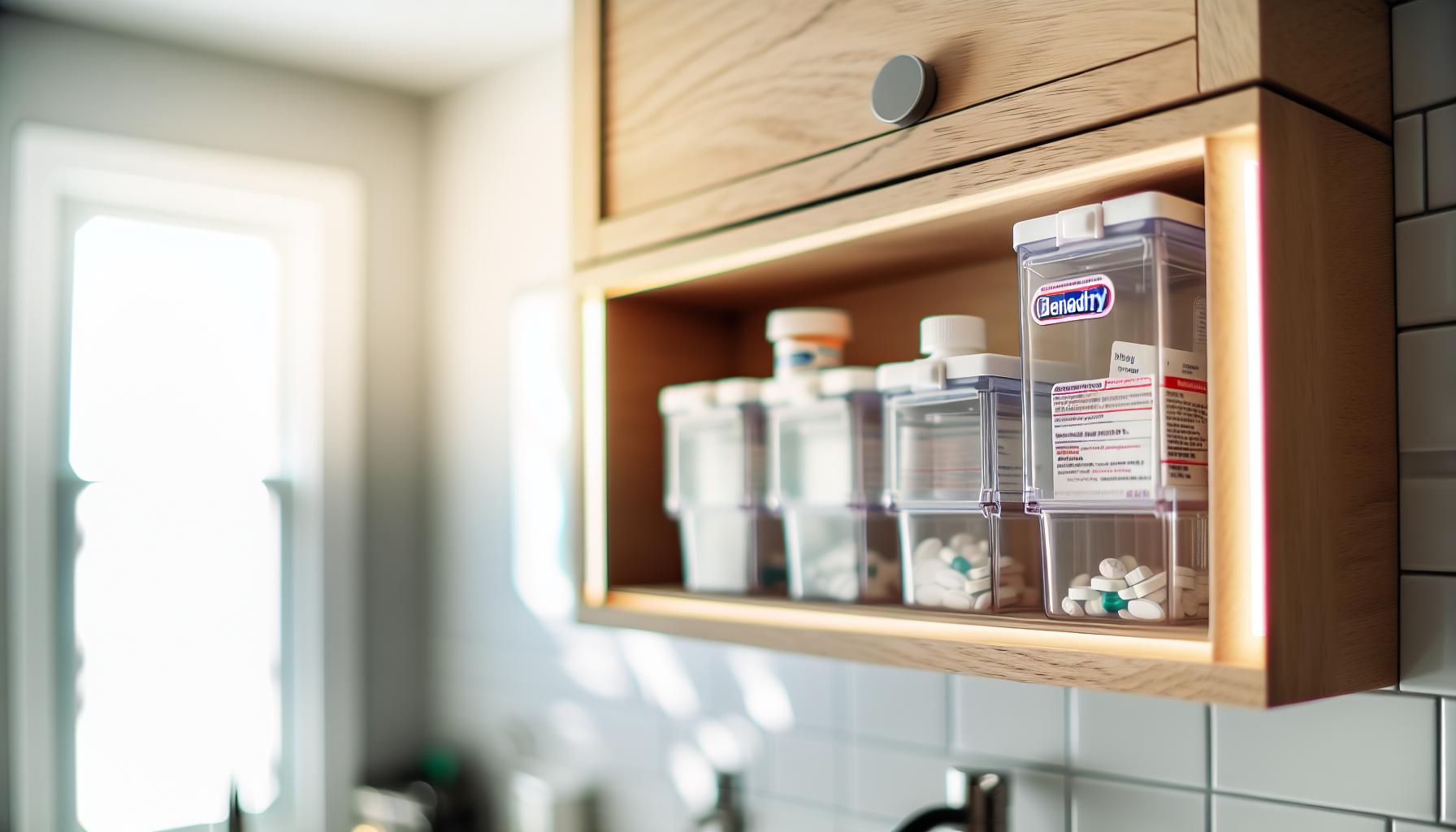
Proper Storage Practices for Benadryl
Proper storage practices are crucial for maintaining the effectiveness and safety of Benadryl (diphenhydramine) and any medication. By adopting a few simple strategies, you can significantly extend the shelf life of your antihistamine and ensure that it works effectively when you need it most. Did you know that improper storage can lead to accelerated degradation? This makes understanding the right environment for storing Benadryl essential.
To preserve Benadryl’s potency, keep it in a cool, dry place away from direct sunlight. Ideal storage locations include a cabinet or drawer that remains at a stable temperature. Avoid keeping medications in bathrooms, where humidity from showers can promote degradation. Instead, consider using a dedicated storage box in a climate-controlled area of your home. Remember to tightly close the cap or lid on liquid medications to prevent contamination and evaporation.
Here are some best practices for storing Benadryl effectively:
- Temperature: Store at room temperature, ideally between 15°C to 30°C (59°F to 86°F).
- Humidity: Protect from moisture by using desiccant packets if available.
- Light: Keep in an opaque or dark container, away from sunlight.
- Child Safety: Ensure medications are stored out of reach of children.
Additionally, be mindful of expiration dates and regularly check your stock of medications. A good practice is to regularly review your medicine cabinet and dispose of expired or unneeded medications properly to avoid confusion during emergencies. If you are uncertain about any old medications, consulting a healthcare professional can provide clarity on their safety and efficacy. With these storage tips, you can ensure your Benadryl remains effective and ready for use when allergy symptoms strike.
Differences Between Liquid and Pill Expiry
Liquid and pill forms of Benadryl (diphenhydramine) each have their own unique expiration characteristics and potential for degradation. Both formats are subject to expiration dates provided by manufacturers, which indicate the period during which the product is expected to remain effective and safe to use. However, the composition and storage conditions can lead to differences in how long they maintain their potency after that date.
In general, liquid medications tend to have a shorter shelf life compared to their pill counterparts. This is largely due to their water content, which can promote microbial growth and chemical degradation. Liquids are also more sensitive to environmental factors such as light and temperature. For example, if a bottle of liquid Benadryl is not stored correctly-exposed to heat, humidity, or direct sunlight-it may lose effectiveness much faster than indicated on the label. Typically, liquid formulations should be used within one to two years of purchase, even if the expiration date is further out. Therefore, it is essential to check for any discoloration, cloudiness, or sediment, which can indicate spoilage.
On the other hand, pill forms of Benadryl, which often contain stabilizers and preservatives, can last longer in storage, sometimes maintaining efficacy for several years past their expiration dates. However, they are not immune to degradation. Factors such as moisture, temperature swings, and exposure to air can affect their effectiveness. Pills that become discolored, crumbled, or exhibit a strange odor may not be safe to use, and it’s advisable to discard them. Regularly checking your medication stash and utilizing proper storage techniques can help ensure both liquid and pill Benadryl remain effective as long as possible.
In summary, understanding the distinctions between liquid and pill formulas of Benadryl can significantly impact their safety and efficacy. Always heed the expiration dates, store them properly, and if in doubt, consult a healthcare professional to determine whether it’s safe to use expired medications. This proactive approach minimizes the risk of using ineffective or potentially harmful products, ensuring effective relief from allergy symptoms when you need it most.
Alternatives to Benadryl: When to Seek Help
While over-the-counter medications like Benadryl (diphenhydramine) can provide effective relief for allergies and sleep issues, they aren’t always the best choice, especially as they expire or if you experience new symptoms. It’s crucial to be aware that reliance on expired medications is not only ineffective but could also pose risks to your health. If you’ve dug into your medicine cabinet and found old Benadryl or if your symptoms continue despite taking it, alternatives and professional guidance are essential to address your health needs safely.
In certain situations, considering alternatives may be necessary. For mild allergies, non-drowsy antihistamines such as loratadine (Claritin) or cetirizine (Zyrtec) may be preferable, especially during the day when you need to remain alert. For persistent symptoms, consulting a healthcare professional can lead to a tailored treatment plan, which might include prescription options or allergy testing to determine underlying issues. Furthermore, if you’re using Benadryl for sleep, it may be time to explore other sleep aids or behavioral techniques, such as cognitive behavioral therapy for insomnia (CBT-I), which can offer longer-lasting relief without dependency or the side effects associated with traditional medications.
Additionally, recognizing when to seek help is crucial. If you experience serious allergic reactions, such as difficulty breathing, swelling, or rashes, immediate medical attention is necessary. Symptoms that persist or worsen despite medication use should prompt a visit to your healthcare provider. Understanding your medical history and possible interactions with medications or underlying health conditions is vital in making informed decisions about treatment options.
Considering the potential side effects and varying degrees of effectiveness, it’s wise to educate yourself about your health options and engage with a medical professional for personalized advice. This way, you can ensure that your approach to managing allergies or sleep issues is safe, effective, and customized to your unique needs. Remember, your health is worth the investment of informed decisions and proper care.
Consulting Healthcare Professionals About Old Medications
It’s easy to overlook old medications tucked away in the back of your medicine cabinet, but consulting a healthcare professional about these remnants is essential for safety. Many people may not realize that the effectiveness of medications like Benadryl (diphenhydramine) can diminish over time, and expired medications can lead to unexpected side effects or therapeutic failures. By discussing your old medications with a healthcare provider, you can obtain guidance tailored to your specific health conditions.
When seeking advice, be prepared to provide detailed information regarding any old medications you have, including their expiration dates and how you’ve used them. Your healthcare provider can evaluate the relevance of these medications to your current health needs and may suggest alternatives that are more effective and safe. For instance, if you’re using expired Benadryl, they might recommend newer antihistamines that have been proven to work better or come with fewer side effects.
Furthermore, addressing any underlying conditions or persistent symptoms with a medical professional is crucial. Old medications can sometimes mask problems without addressing the root cause. By consulting your healthcare provider, you can explore a comprehensive treatment plan that not only considers your medication history but also your overall health, lifestyle, and any changes in symptoms.
It’s important to remember that taking proactive steps regarding your medications can significantly affect your health and well-being. Engage in open discussions with your healthcare provider about any concerns or questions you have about old medications, especially those that have expired. This collaborative approach ensures that you stay informed and empowered in managing your health.
Myths and Facts About Medication Expiration
Many people hold misconceptions about medication expiration dates, which can influence their health decisions. A common belief is that expired medications are completely ineffective or unsafe; however, the reality is more nuanced. Medications like Benadryl (diphenhydramine) may retain some degree of potency well beyond their expiration date, though manufacturers generally advise against using them after this date due to unknown variables that can affect their efficacy and safety.
Understanding Potency and Safety
While expired medications might still have some effect, there is no guarantee regarding their potency. Studies have shown that many medications can be effective for years beyond their expiration dates, but this is not universally true for all drugs. For example, liquid formulations may degrade faster than their solid counterparts, leading to unpredictable results. In the case of Benadryl, using expired liquid formulations could be riskier due to the precision needed in dose measurement and potential changes in the medicinal compounds.
Furthermore, another myth surrounding medication expiration is that the expiration date is merely a suggestion. In actuality, these dates are established through rigorous stability testing required by regulatory agencies, and while some medications may retain effectiveness, others can become harmful. Medications can undergo chemical changes that may lead to decreased efficacy or even lead to adverse effects. For example, while a tablet form of Benadryl may still work slightly past its expiration, the same may not hold true for its liquid variant, which can harbor bacteria or lose vital components over time.
Avoiding Risks with Educated Choices
To ensure safety, it’s vital to practice proper medication management. Always check the expiration date before use and consult healthcare professionals if you have doubts about the safety of any medications. Additionally, when it comes to disposals, never simply throw medications in the trash; instead, look for drug take-back programs or follow local guidelines for safe disposal to minimize environmental impact and prevent accidental ingestion.
In conclusion, while it may be tempting to use that outdated Benadryl sitting in the back of your cabinet, consider the unknowns associated with expired medications. Engaging in informed discussions with healthcare providers about medication use and safety can empower you to make decisions that best suit your health needs.
Faq
Q: How long is Benadryl effective after the expiration date?
A: Benadryl may retain its effectiveness for a short time after the expiration date, but this is not guaranteed. It’s best to avoid using any medication past its expiration date as potency and safety can decline. Consult your healthcare provider for alternatives if necessary.
Q: Can I take expired Benadryl for allergies?
A: It’s not advisable to take expired Benadryl for allergies. While it may not be harmful, expired medications might not provide effective relief. Always consult a healthcare professional for appropriate treatments or alternatives if your medication has expired.
Q: What should I check when assessing old Benadryl?
A: When assessing old Benadryl, check for any changes in color, texture, or smell in both liquid and pill forms. If you notice any abnormalities, it’s best to dispose of it safely and consult your healthcare provider for advice [3].
Q: How should I store Benadryl to extend its shelf life?
A: To extend the shelf life of Benadryl, store it in a cool, dry place away from direct sunlight and moisture. Keeping it in its original packaging and tightly closed can also help maintain its effectiveness over time.
Q: Is there any risk in using expired liquid Benadryl?
A: Yes, using expired liquid Benadryl can pose risks such as reduced effectiveness or potential side effects. It’s crucial to discard any expired liquid medications to ensure safety and consult with a healthcare provider for suitable alternatives.
Q: How do I safely dispose of expired Benadryl?
A: Safely dispose of expired Benadryl by following local medication take-back programs or specific disposal instructions. Do not flush medications down the toilet or throw them in the household trash unless advised. Check local guidelines to prevent environmental harm.
Q: What are the signs that Benadryl has gone bad?
A: Signs that Benadryl has gone bad include discoloration, sediment in liquids, changes in smell, or if the pills are crumbling or have developed spots. If any of these signs are present, do not use the medication and dispose of it properly.
Q: Can I combine expired Benadryl with other medications?
A: It is not recommended to combine expired Benadryl with other medications, as it may lead to unpredictable effects or reduced efficacy. Always consult with a healthcare professional before mixing medications, especially expired ones.
For more information on the expiration of Benadryl and medication safety, feel free to explore the relevant sections of our main article. Always prioritize consulting healthcare professionals for personalized advice regarding medications.
Wrapping Up
Deciding whether to use expired Benadryl can leave you in doubt, but understanding its safety is crucial for your health. Always check expiration dates and consult with a healthcare professional if you’re unsure about your medications. If you’re concerned about storage or alternative remedies for allergy relief, don’t miss our guides on safe medication practices and natural allergy remedies.
Ready to take charge of your wellness? Subscribe to our newsletter for tips on managing your health and keeping your medications in check! Join our community by sharing your thoughts or experiences in the comments below-we’d love to hear from you. For more valuable insights into medication safety and wellness strategies, explore our related articles on common over-the-counter medications and holistic approaches to allergy relief. Your health journey matters, so let’s navigate it together!