Millions of people struggle with anxiety and panic disorders, searching for effective solutions to regain control of their lives. Xanax, a well-known medication for these conditions, can provide significant relief but also raises important questions about safe usage and dosage. Understanding the best way to take Xanax and adhering to safe dosage guidelines is crucial for ensuring its effectiveness while minimizing potential risks. In this article, we will explore essential information about Xanax, including how to take it safely, the importance of consultation with healthcare professionals, and tips for managing anxiety effectively. Empower yourself with the knowledge you need to approach your health journey with confidence and ensure that your use of Xanax aligns with your personal health goals.
Understanding Xanax: What You Need to Know
Understanding Xanax involves recognizing its role as a medication primarily used to treat anxiety disorders, including generalized anxiety disorder (GAD) and panic disorder. Alprazolam, marketed under the brand name Xanax, belongs to a class of drugs known as benzodiazepines. These medications work by enhancing the effects of a neurotransmitter called gamma-aminobutyric acid (GABA), which plays a crucial role in calming brain activity. It’s essential to know how Xanax functions, as it can significantly impact your mental well-being and daily functioning.
Before starting Xanax, it’s vital to have a thorough discussion with a healthcare provider regarding your medical history, any current medications, and the specific symptoms you are experiencing. Understanding that Xanax can cause dependency if used long-term or inappropriately is crucial. Therefore, having a structured plan supervised by a healthcare professional is key to safe usage. Dosage and duration of treatment depend significantly on individual factors, including the severity of symptoms and previous experiences with anxiety medications.
Those prescribed Xanax may find it helpful to establish daily routines and lifestyles that support their overall well-being. Integrating stress management techniques, such as mindfulness or cognitive-behavioral strategies, can enhance the effectiveness of Xanax and reduce reliance on the medication. Ultimately, keeping an open line of communication with your healthcare provider and adhering to prescribed guidelines will ensure that Xanax is used effectively to manage anxiety while minimizing potential risks associated with its use.
Safe Dosage Guidelines for Xanax Use
Taking Xanax safely requires careful adherence to dosage guidelines to minimize risks of dependency and side effects. When starting treatment, the first step is understanding that dosage can differ based on various factors, including the individual’s medical history, previous experiences with anxiety medications, and the severity of their condition. Typically, alprazolam is prescribed in milligrams (mg) and should be taken exactly as directed by your healthcare provider to ensure optimal results and safety.
Recommended Dosage Guidelines
For adults beginning treatment for anxiety disorders, a typical starting dose of Xanax is 0.25 to 0.5 mg taken three times a day. The healthcare provider may adjust this dosage based on the patient’s response, but the total daily dose generally should not exceed 4 mg. It’s essential to follow up with your healthcare provider regularly to evaluate the effectiveness and make any necessary adjustments.
Patients with specific conditions or those who are elderly, or have liver problems, may require lower doses. Always communicate any side effects or lack of improvement to your provider, as they can guide you on appropriate adjustments.
Best Practices for Taking Xanax
To maximize the effectiveness of Xanax while minimizing potential risks, consider the following practices:
- Consistency: Take Xanax at the same times each day to help maintain an even level of the medication in your system.
- Avoid abrupt changes: Do not suddenly stop taking the medication or alter your dosage without consulting your healthcare provider, as this can lead to withdrawal symptoms.
- Limit alcohol consumption: Alcohol can enhance the sedative effects of Xanax, increasing the risk of dangerous side effects.
- Avoid other CNS depressants: Combining Xanax with other medications that depress the central nervous system can lead to severe respiratory issues or excessive sedation.
In addition, it’s important to remember that Xanax is not intended for long-term use. Regular check-ins with your provider can help manage your treatment plan effectively. Engaging in therapeutic practices, such as cognitive-behavioral therapy (CBT), can also enhance treatment outcomes while reducing reliance on medication. Always reach out to your healthcare provider for personalized advice tailored to your specific health needs.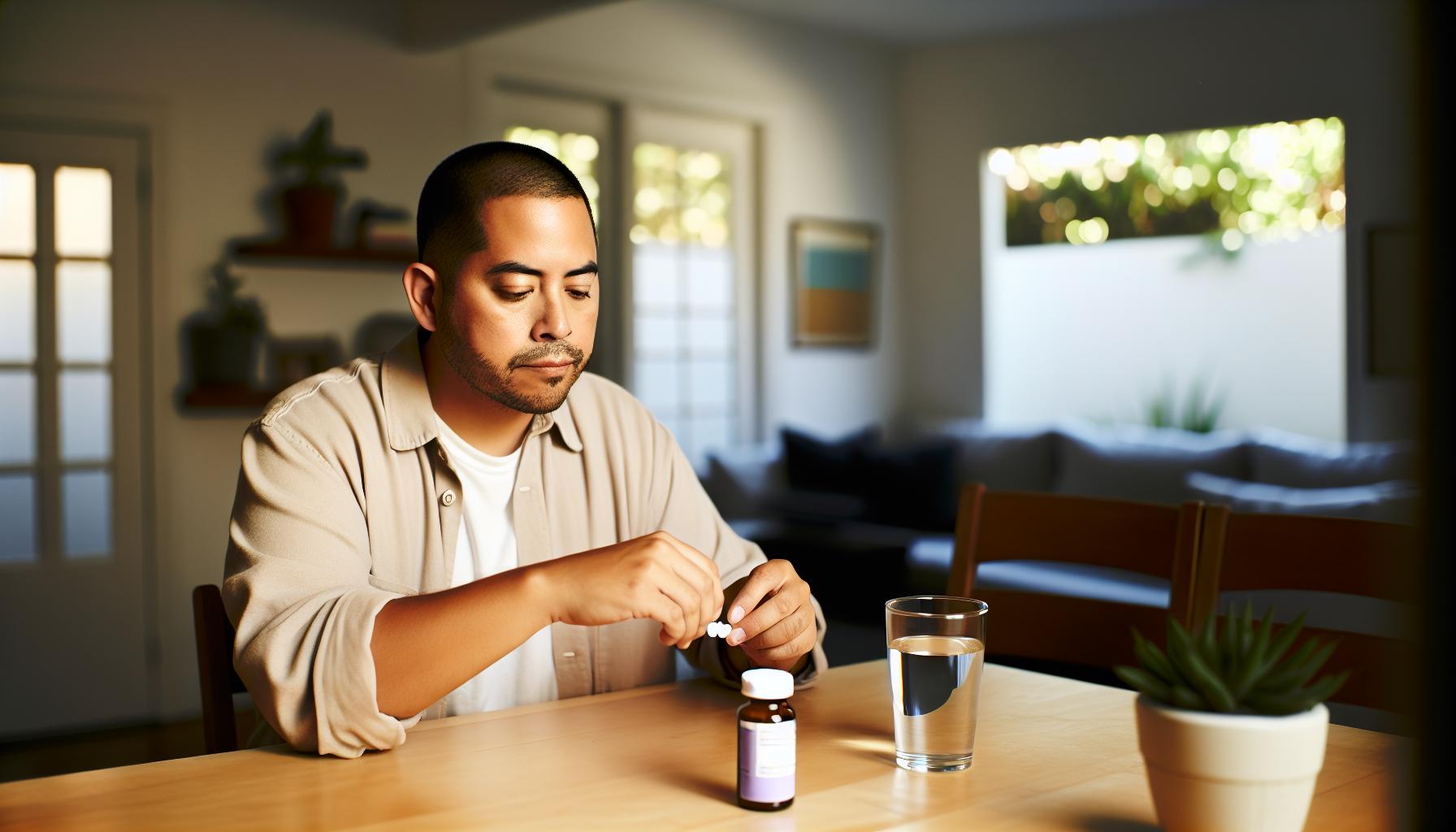
How to Take Xanax Effectively and Safely
To ensure that Xanax (alprazolam) is taken effectively and safely, understanding the nuances of its administration is crucial. This medication, commonly prescribed for anxiety and panic disorders, requires careful handling to maximize its benefits while minimizing potential risks. One key aspect is consistency: taking Xanax at the same times each day can help maintain stable drug levels in your bloodstream, which is vital for its effectiveness in managing anxiety symptoms.
It’s also important to adhere to the prescribed dosage without making abrupt changes. Reducing or increasing your dose without guidance can lead to undesirable withdrawal symptoms or diminished therapeutic effects. If you feel the need to adjust your dosage-whether due to side effects or a perceived lack of effectiveness-consulting your healthcare provider is essential. Communication about your experiences with the medication can help your provider tailor your treatment plan to suit your individual needs.
Moreover, special caution should be taken regarding alcohol and other central nervous system (CNS) depressants. Consuming alcohol while taking Xanax can dangerously enhance its sedative effects, leading to severe respiratory issues and increased sedation. Thus, it’s advisable to limit or avoid alcohol altogether. Additionally, always inform your healthcare provider about any other medications you are taking, as certain combinations can pose heightened risks.
Finally, remember that Xanax is typically not recommended for long-term use due to the potential for dependence. Regular follow-ups with your healthcare provider can ensure that your treatment remains effective and safe, and behavioral therapies, like cognitive-behavioral therapy (CBT), can serve as effective adjuncts or alternatives to medication, empowering you with skills to manage anxiety beyond pharmacological interventions.
Potential Side Effects of Xanax: What to Watch For
Xanax, known generically as alprazolam, is a medication that can provide significant relief for those suffering from anxiety or panic disorders. However, it’s essential to be aware of the potential side effects that may accompany its use. While many people tolerate Xanax well, understanding what to watch for can help ensure a safer experience and lead to better communication with your healthcare provider.
The side effects of Xanax can vary widely from person to person. Commonly reported effects include drowsiness, dizziness, and fatigue, which may be attributed to its sedative properties. Additional reactions can include headaches, dry mouth, and potential changes in appetite or weight. While these effects may be uncomfortable, they often diminish as your body adjusts to the medication. However, should these symptoms persist or interfere with daily activities, it’s crucial to consult your doctor for advice on managing them or for potential dosage adjustments.
More severe side effects, although less common, require immediate attention. These can include mood changes, such as increased agitation, anxiety, or depression, and physical effects like unusual tiredness, difficulty breathing, or heart palpitations. If you experience symptoms that feel severe or concerning, it’s essential to seek medical help promptly. Awareness of these severe reactions can empower you to advocate for your health and ensure your treatment is tailored appropriately.
In addition to individual reactions, consider the broader implications of using Xanax. Patients should be cautious about mixing Xanax with alcohol or other central nervous system (CNS) depressants, as this can lead to amplified side effects, including severe sedation and respiratory depression. Always inform your doctor about all medications and substances you’re consuming to avoid harmful interactions. By taking these precautions and maintaining open communication with your healthcare professional, you can enhance your experience with Xanax while minimizing potential risks.
Interactions with Xanax: What You Should Know
Using Xanax (alprazolam) presents not only a pathway to relief for anxiety and panic disorders but also necessitates careful consideration of its interactions with other substances and medications. Ignoring potential interactions can lead to unsafe situations, diminishing the effectiveness of the medication or exacerbating side effects. Understanding these interactions is crucial for anyone prescribed Xanax to ensure a safer and more effective treatment experience.
A key factor in how Xanax affects the body is its impact on the central nervous system (CNS). When Xanax is combined with other CNS depressants, such as alcohol, opioids, or certain antihistamines, the sedative effects can be significantly amplified. This can lead to profound drowsiness, respiratory depression, and may even culminate in life-threatening conditions. Therefore, it is essential to avoid alcohol and other depressants while taking Xanax. Always communicate with your healthcare provider about all substances you are taking, including over-the-counter drugs and herbal supplements, which can also pose risks.
Additionally, certain medications can alter the metabolism of Xanax, potentially increasing its levels in the bloodstream, which may heighten the risk of adverse effects. Examples include some antifungal agents, certain antibiotics, and medications used for HIV. The interaction can lead to excessive sedation, impaired motor function, and increased potential for dependency. Thus, monitoring and adjusting dosages becomes vital.
To maximize safety while using Xanax, here are some practical steps:
- Maintain Open Communication: Always inform your doctor about all medications and supplements you are taking.
- Follow Prescribing Guidelines: Adhere strictly to the dosage and frequency your healthcare provider recommends.
- Avoid Alcohol: Steer clear of alcohol and other CNS depressants; the combination can be dangerous.
- Report Any Health Changes: Inform your doctor immediately about any changes in health status or new medications.
The collective goal is to enhance therapeutic outcomes while minimizing risks. By remaining vigilant and engaged in your treatment, you can harness the benefits of Xanax safely, paving the way for improved anxiety management. Always remember to consult your healthcare professional before making any changes to your medication regimen, as they can help personalize your plan effectively.
Alternatives to Xanax: Exploring Your Options
Exploring alternatives to Xanax can be an empowering step for individuals seeking to manage anxiety and panic disorders while minimizing risks associated with medication dependency. A variety of options exist-from pharmacological alternatives to lifestyle modifications-that can provide relief. It’s essential to discuss these alternatives with a healthcare professional to find a tailored approach that suits individual needs.
Pharmacological Alternatives
Several medications can serve as alternatives to Xanax, each with varying mechanisms of action:
- SSRIs and SNRIs: Selective serotonin reuptake inhibitors (SSRIs) like fluoxetine or sertraline, and serotonin-norepinephrine reuptake inhibitors (SNRIs) like venlafaxine, are often prescribed for generalized anxiety disorder. They are less likely to lead to dependence compared to benzodiazepines.
- Buspirone: This anxiolytic medication is effective for chronic anxiety and has a lower risk of dependency. It works differently than Xanax, offering a more gradual approach to anxiety relief.
- Beta-Blockers: Drugs like propranolol can help manage the physical symptoms of anxiety, such as rapid heartbeat, particularly in situations like public speaking.
Natural and Holistic Approaches
In addition to medications, many individuals explore natural remedies and lifestyle changes:
- Mindfulness and Meditation: Practices that cultivate mindfulness can significantly reduce feelings of anxiety. Techniques such as meditation, yoga, or tai chi promote relaxation and emotional regulation.
- Physical Activity: Regular exercise has been shown to decrease anxiety levels, with effects comparable to medication in some cases. Activities such as walking, running, or swimming can enhance mood through the release of endorphins.
- Diet and Nutrition: A balanced diet rich in omega-3 fatty acids, whole grains, fruits, and vegetables supports overall mental health. Avoiding excessive caffeine and sugar can also help stabilize mood.
When considering these alternatives, it’s crucial to consult with healthcare professionals to ensure a safe and effective transition. They can assist in monitoring progress and adjusting treatment plans as necessary, fostering an environment where individuals can regain control over their anxiety management journey. Always strive for an informed and supportive approach to mental health care.
The Importance of Medical Oversight When Taking Xanax
Medical oversight is critically important for those taking Xanax, as this medication is part of the benzodiazepine class, which carries specific risks and benefits that must be managed carefully. When prescribed for anxiety or panic disorders, Xanax can be very effective in alleviating symptoms, but its potential for dependency and withdrawal makes it essential to use under a trusted healthcare provider’s supervision. Regular check-ins can help monitor effectiveness and side effects, allowing for timely adjustments to dosage or switching to alternative treatments if necessary.
The journey with any medication, particularly Xanax, can present challenges such as managing side effects and determining the correct dosage. Healthcare professionals can assist in tailoring the treatment plan based on individual responses, ensuring a balance between therapeutic effects and minimizing risks. Engaging in open dialogue with your physician-discussing any concerns or changes in your condition-helps create a supportive environment for mental health management. Such collaborative efforts not only enhance treatment outcomes but also reinforce adherence to safe use guidelines.
Moreover, being informed about the medication you are taking is an empowering step. Understanding how Xanax works in your body, its side effects, and the possibility of interactions with other medications can equip you with the knowledge to make better health decisions. Education on the signs of dependence and withdrawal symptoms is equally essential; it prepares you to recognize when to seek further medical advice or intervention. Always prioritize ongoing communication with medical professionals, as this is crucial in navigating treatment effectively and safely.
Finally, while medication can play a vital role in managing anxiety, integrating non-pharmacological approaches-such as therapy, mindfulness practices, and lifestyle changes-can often enhance your overall well-being. These strategies are best explored in conjunction with or after consulting your healthcare provider, ensuring a holistic approach to mental health that addresses your unique needs and circumstances.
Managing Anxiety: Tips Beyond Medication
Facing anxiety can feel overwhelming, but the good news is that there are numerous strategies beyond medication like Xanax that can help manage symptoms effectively. Integrating lifestyle changes and therapeutic practices into your daily routine can greatly enhance your mental health and overall well-being. Whether you’re looking to complement your medication plan or seek healthier coping mechanisms, understanding these options can empower you to take control of your anxiety.
Explore Mindfulness and Relaxation Techniques
Mindfulness practices such as meditation, deep breathing exercises, and yoga can significantly reduce stress and anxiety levels. These techniques encourage you to focus on the present moment and can create a sense of calm. Try incorporating a few minutes of meditation into your morning routine or engaging in a gentle yoga class. Evidence suggests that just 10-15 minutes of mindfulness practice can enhance emotional regulation and reduce anxiety symptoms.
Regular Physical Activity
Staying active is another powerful tool in managing anxiety. Exercise releases endorphins, the body’s natural mood lifters, which can reduce feelings of stress and anxiety. Aim for at least 30 minutes of moderate aerobic activity several times a week. Activities like walking, cycling, or dancing can not only improve your mood but also enhance your overall physical health. Additionally, finding an activity you enjoy can make it easier to stick with a consistent exercise routine.
Establish a Support System
Connecting with friends, family, or support groups can provide essential emotional support when dealing with anxiety. Sharing your thoughts and feelings with others who understand can create a sense of community and lessen the burden. Consider reaching out to local mental health organizations or joining online forums where you can exchange experiences and coping techniques with others facing similar challenges.
Consider Nutritional Adjustments
Your diet can also have a significant impact on your mental health. Nutrient-rich foods can support brain function and improve mood. Incorporate a variety of fruits, vegetables, lean proteins, and whole grains into your meals. Some research suggests that omega-3 fatty acids found in fish can be beneficial for mental health. Staying hydrated and limiting caffeine and sugar intake can also help stabilize your mood.
By exploring these complementary approaches, you can enhance your anxiety management strategy beyond medication. Always consult with your healthcare provider before making significant changes to your regimen, ensuring that any new practices align with your overall treatment plan. Empower yourself with knowledge and support; you have the capacity to take charge of your mental health journey.
Addressing Common Misconceptions About Xanax
Many misconceptions surround the use of Xanax, especially given its prevalence in discussions about anxiety management. One common belief is that Xanax is a “quick fix” for anxiety and panic disorders. While Xanax can be effective in providing immediate relief, it is essential to remember that it is primarily a short-term treatment. Relying solely on Xanax without accompanying therapy or lifestyle changes may lead to a cycle of dependence rather than a sustainable solution for managing anxiety.
Another prevalent myth is that Xanax is non-addictive if taken as prescribed. While many patients use Xanax successfully under medical supervision, the reality is that the drug carries a risk of misuse and dependence, particularly when used over prolonged periods or at higher doses than recommended. Individuals should communicate openly with their healthcare providers about their treatment plans, including the potential risks of long-term use.
Furthermore, some people believe that combining Xanax with other medications is generally safe. However, interactions can lead to severe side effects or even overdose. For example, mixing Xanax with alcohol or certain antidepressants can dramatically increase the risk of respiratory depression. It is critical to consult with a healthcare professional before making any changes to medication regimens to ensure safety and efficacy.
Lastly, there’s a misconception that medications like Xanax should be the first-line treatment for anxiety. While they can be beneficial, they often work best when combined with therapy, lifestyle changes, and coping strategies. Approaching anxiety management holistically can provide lasting relief and empower individuals to regain control over their mental health. Always consult your healthcare provider for personalized advice tailored to your unique situation.
Xanax Withdrawal: Signs and Safe Strategies
Experiencing withdrawal from Xanax can be challenging and may evoke concern for many individuals who have been using the medication, even when taken as prescribed. Understanding the signs and knowing safe strategies for managing withdrawal can empower users to navigate this process with greater confidence. Withdrawal symptoms can vary in intensity and duration, but recognizing them early is crucial for ensuring a smoother transition off the medication.
Signs of withdrawal may include physical symptoms such as:
- Anxiety and panic attacks: These can be particularly intense during withdrawal, as the body adjusts to the absence of the medication.
- Sleep disturbances: Insomnia or disrupted sleep patterns are common as the body seeks to regain its natural rhythm.
- Muscle tension and aches: Many people experience increased muscle tension, which can be uncomfortable and distressing.
- Gastrointestinal issues: Withdrawal can lead to nausea, vomiting, or changes in appetite.
- Cognitive difficulties: Users may find it challenging to concentrate or may experience confusion during the withdrawal process.
Adopting safe strategies when withdrawing from Xanax is vital to minimize discomfort and the risk of complications. Gradual tapering under the supervision of a healthcare professional is generally recommended to ease the transition. This approach may involve slowly reducing the dosage to allow the body time to adjust.
In addition to professional guidance, support networks such as therapy groups or counseling can provide much-needed emotional support during this time. Practicing relaxation techniques, such as mindfulness meditation, can also help manage anxiety and promote a sense of calm. Additionally, maintaining a balanced diet and staying hydrated can contribute positively to overall health and well-being while navigating withdrawal. Remember, consulting with a healthcare provider before making any changes to medication or treatment plans is essential to ensure safety and effectiveness.
When to Seek Help: Recognizing Dependence on Xanax
Recognizing dependence on Xanax is crucial for maintaining both mental and physical health. It can be easy to overlook the signs that suggest a reliance on this medication, particularly if it was prescribed to manage anxiety or panic disorders. If you find yourself increasing your dosage without consulting your healthcare provider, or routinely needing to take Xanax to function normally in daily situations, these could be red flags indicating potential dependence.
Some of the common signs of dependence include:
- Increased tolerance: Needing larger doses to achieve the same effects may signal that your body has adapted to the medication.
- Withdrawal symptoms: Experiencing anxiety, insomnia, or other discomforts when you miss a dose points to a physical reliance on Xanax.
- Difficulty in stopping: Struggling to quit Xanax despite wanting to do so or experiencing adverse effects can indicate a dependence.
- Impact on daily life: If your focus shifts to obtaining and consuming Xanax at the expense of personal relationships or responsibilities, this warrants immediate attention.
If you’re noticing these signs, seeking help is paramount. Consulting with a healthcare professional can provide a roadmap for safely tapering off Xanax if needed, along with alternative treatment options for managing anxiety or panic disorders. Support from group therapy, counseling, and even lifestyle changes-like engaging in physical activity and practicing mindfulness-can greatly assist in reclaiming a healthier balance without the dependence on medication. Remember, acknowledging a problem and reaching out for help is a strong step towards recovery and improved well-being.
FAQ
Q: What is the best way to take Xanax for optimal effectiveness?
A: The best way to take Xanax is exactly as prescribed by your healthcare provider. It’s typically taken orally, with or without food. Follow dosage instructions closely to ensure its effectiveness and reduce the risk of side effects. Avoid doubling doses if you miss one.
Q: How can I ensure I am taking Xanax safely?
A: To take Xanax safely, adhere strictly to your doctor’s guidelines and avoid mixing it with alcohol or other medications without consulting your doctor. Regular check-ins with your healthcare provider can help monitor for potential side effects and dependence.
Q: What should I avoid when taking Xanax?
A: While taking Xanax, avoid alcohol and other central nervous system depressants, as they can exacerbate side effects like drowsiness and respiratory issues. It’s also essential to refrain from stopping Xanax abruptly to prevent withdrawal symptoms.
Q: When is it dangerous to take Xanax?
A: It’s dangerous to take Xanax if you’re experiencing severe side effects, have a history of substance abuse, or are pregnant. Additionally, combining Xanax with opioids or alcohol significantly increases the risk of overdose and serious complications.
Q: How can I tell if I am developing a dependence on Xanax?
A: Signs of developing dependence on Xanax include needing higher doses to achieve the same effect, experiencing withdrawal symptoms when not taking the drug, and using it more frequently than prescribed. If these occur, consult your healthcare provider immediately.
Q: What are the signs of an overdose on Xanax?
A: Signs of a Xanax overdose include extreme drowsiness, confusion, impaired coordination, respiratory depression, and in severe cases, coma or death. If you suspect an overdose, seek emergency medical help immediately.
Q: How long does it take for Xanax to start working?
A: Xanax typically starts to work within one hour after ingestion, with peak effects occurring between one to two hours. For swift relief from acute anxiety, follow your prescribed dosage and discuss any concerns with your healthcare provider.
Q: Is there a specific time of day when it’s best to take Xanax?
A: It is generally advisable to take Xanax at the same time each day as prescribed, often in the morning or before bed, depending on your needs and the doctor’s instructions. Consistency helps maintain effective levels in your system.
The Conclusion
As you consider the best way to safely take Xanax, remember that following prescribed dosages and guidelines is crucial for effective anxiety management. Prioritize your wellbeing by consulting your healthcare provider to address any remaining questions or concerns you may have. Don’t hesitate to explore related topics such as understanding anxiety disorders or tips for managing your symptoms effectively.
Ready to take proactive steps toward your mental health? Sign up for our newsletter for the latest insights and resources on anxiety treatment. We’re dedicated to providing you with valuable information-don’t miss out! Engage with us by sharing your thoughts or experiences in the comments below, and continue exploring our site for more in-depth guides on medications and mental health strategies. Remember, your journey to wellness starts with informed choices.