
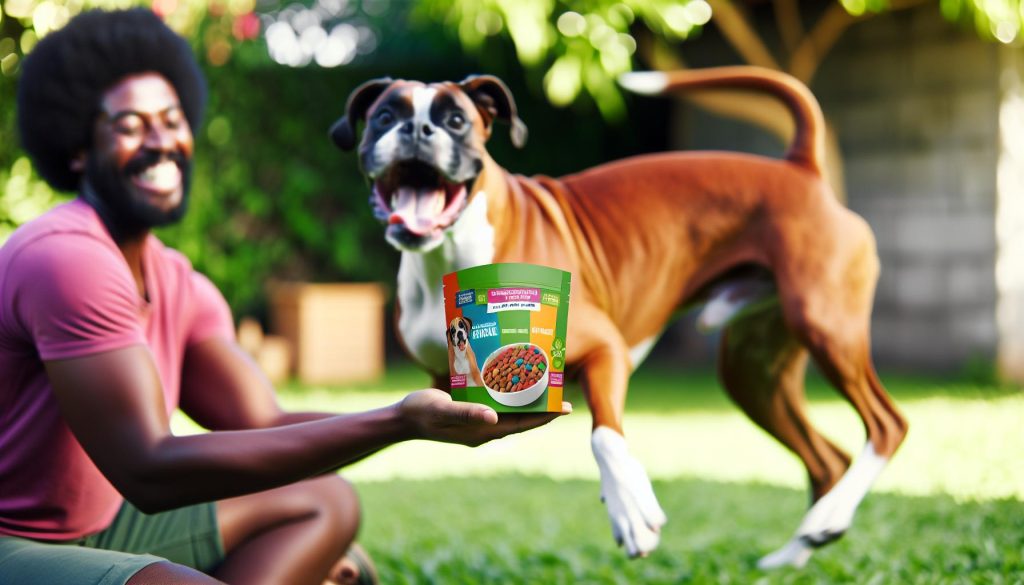
Boxers are known for their boundless energy and playful nature, which makes choosing the right dog food essential for their health and vitality. High-energy formulas tailored specifically for this breed can support their active lifestyle and promote optimal growth. Selecting the best dog food goes beyond mere nutrition; it addresses potential health concerns that Boxers face, ensuring they thrive in every stage of life. As a responsible pet owner, understanding the unique dietary needs of Boxers will empower you to make informed choices, guaranteeing your furry friend receives the nutrients required to maintain their energy levels and overall well-being. Dive into this guide to discover the top dog food options that will keep your Boxer happy, healthy, and full of life.
Best Nutritional Needs for Boxers

Providing a well-balanced diet is crucial for Boxers, both in terms of their general health and their energetic lifestyle. Boxers require a specific nutritional profile that fuels their high energy levels and supports their muscle maintenance and recovery. A high-energy formula should emphasize the right blend of proteins, fats, and carbohydrates, ensuring your Boxer remains active and healthy.
One of the best approaches to meeting the nutritional needs of Boxers involves focusing on high-quality proteins. Lean meats such as chicken, turkey, and fish are excellent sources. These proteins not only support muscle repair post-exercise but also help maintain a healthy weight, crucial for a breed prone to obesity. Additionally, incorporating sources of healthy fats-like fish oil or flaxseed oil-can improve coat health and offer anti-inflammatory benefits.
Carbohydrates also play a vital role in energy provision. Opting for complex carbohydrates, such as brown rice or sweet potatoes, can sustain your Boxer’s energy over longer durations, crucial for those with high activity levels. It’s essential to find a carbohydrate source that digests easily to avoid any gastrointestinal discomfort, which can interfere with their performance or recovery.
Regular meals are essential, with many experts recommending feeding your Boxer two to three meals a day instead of one large feeding. This approach helps manage energy levels throughout the day, supporting both their physical activity and digestive health. Ensuring a balanced diet rich in these key components will keep your Boxer thriving, active, and ready for anything life throws their way.
Key Ingredients for High-Energy Dog Food
To fuel the energetic lifestyle of Boxers, selecting the right ingredients for their diet is crucial. Boxers require a high-energy formula that includes comprehensive nutritional components designed to support their active nature and muscular build. The ideal dog food should feature a blend of high-quality proteins, healthy fats, and complex carbohydrates that collectively contribute to optimal energy and overall health.
High-Quality Proteins
Protein is the cornerstone of any nutritious diet for Boxers. They thrive on sources such as:
- Lean meats: Chicken, turkey, and beef not only provide essential amino acids but also aid in muscle repair after vigorous activity.
- Fish: Rich in omega-3 fatty acids, fish supports heart health and enhances cognitive function, making it an excellent addition to meals.
- Eggs: A complete protein source, eggs are packed with essential nutrients that contribute to muscle growth and maintenance.
Choosing protein sources that are both digestible and nutrient-dense ensures your Boxer can recover promptly and maintain a healthy weight.
Healthy Fats
The inclusion of healthy fats in your Boxer’s diet is vital for sustained energy release and overall well-being. Fats can help in:
- Energy provision: Fats are calorie-dense, making them an excellent source of energy for highly active dogs.
- Skin and coat health: Ingredients like fish oil and flaxseed oil can improve coat shine and reduce shedding.
- Anti-inflammatory properties: These fats can help manage inflammation in muscles and joints, crucial for an active breed.
Complex Carbohydrates
Carbohydrates are another essential macronutrient that supports your Boxer’s energy needs. Opt for:
- Whole grains: Brown rice and oats provide slow-releasing energy to sustain them throughout their day.
- Vegetables: Sweet potatoes and peas offer vitamins and minerals while serving as excellent sources of digestible fiber.
These carbohydrate sources are necessary for maintaining energy levels without causing gastrointestinal discomfort, ensuring your Boxer remains active and at ease.
Incorporating these key ingredients into your Boxer’s diet will not only enhance their performance but also promote long-term health. When it comes to selecting the best high-energy dog food, understanding the significance of protein, fats, and carbohydrates will empower you to make informed choices that benefit your dog’s well-being. Always consider consulting with a veterinarian for tailored dietary advice specific to your Boxer’s individual needs and activity levels.
Top Recommended Dog Food Brands for Boxers

When it comes to feeding Boxers, choosing the right dog food is essential to support their high energy levels and unique nutritional needs. There are several brands specifically formulated with Boxers in mind, providing a blend of high-quality proteins, healthy fats, and essential nutrients. These brands not only cater to the specific requirements of Boxers but also ensure that they receive balanced nutrition for optimal health.
One of the most recommended options is Royal Canin Boxer Adult Dry Dog Food, which is tailored to meet the nutritional needs of purebred Boxers aged 15 months and older. With a precise blend of nutrients, it helps maintain muscle mass and supports heart health, making it a favorite among Boxer owners. Another popular choice is Wellness Complete Health Large Breed Puppy, ideal for Boxer puppies. This formula is free from meat by-products and fillers, ensuring your puppy receives high-quality nutrition essential for growth and development.
For those looking for a more affordable yet high-quality option, IAMS Large Breed Chicken & Whole Grains Recipe is an excellent choice. It combines real chicken as the first ingredient with whole grains, providing energy and digestive health benefits. Additionally, The Farmer’s Dog Fresh Pork Recipe stands out for owners seeking fresh food options. This delivery service offers food made from real ingredients, ensuring your Boxer receives a diet that is both nutritious and tasty.
Ultimately, the best food for your Boxer may depend on their specific needs, preferences, and any health concerns. Consulting with a veterinarian can provide personalized recommendations, ensuring that you choose a diet that supports their overall well-being and lifestyle.
Grain-Free vs. Grain-Inclusive Options

Choosing the right diet for your Boxer can significantly impact their overall health and energy levels. As you explore dietary options, one key consideration is whether to go with a grain-free or grain-inclusive formula. Both diets have their advocates, but it’s essential to understand how they can affect your Boxer’s well-being and performance.
Grain-free diets eliminate common grains like corn, wheat, and soy, which can be beneficial for Boxers that might have food sensitivities or allergies. These formulas often rely on alternative carbohydrate sources such as sweet potatoes, peas, or lentils, providing high digestibility and offering more protein. Many dog owners report that their Boxers have shinier coats, improved digestion, and increased energy levels when switching to grain-free options. However, it’s important to note that some research suggests a potential link between grain-free diets and canine dilated cardiomyopathy (DCM), a serious heart condition. Therefore, if you’re considering a grain-free diet, it’s crucial to consult your veterinarian to ensure it meets your Boxer’s nutritional needs without compromising their health.
On the other hand, grain-inclusive diets can provide a balanced source of carbohydrates and fiber, which are essential for digestion. Grain-inclusive formulas often include whole grains like brown rice, barley, or oatmeal, promoting stable energy levels throughout the day and keeping your Boxer satisfied. These grains are not only rich in nutrients but can also help strengthen the gut microbiome, leading to better overall health. For many Boxers, a grain-inclusive diet can help sustain their energy for various activities without the risk of nutrient deficiencies.
In choosing between the two, consider your Boxer’s specific health needs, activity level, and any potential allergies. It may also be useful to test both types of diets under the guidance of your veterinarian to see which formulation results in the best overall health and energy levels for your Boxer. With careful consideration and professional guidance, you can ensure your Boxer thrives on the diet that best suits their unique requirements.
Essential Vitamins and Minerals for Boxers

Providing your Boxer with the right vitamins and minerals is crucial for maintaining their energy levels and overall health. Just like humans, dogs require a balanced intake of essential nutrients to thrive. In particular, Boxers, with their high energy and muscular build, benefit greatly from specific vitamins and minerals that support their unique needs.
Strengthening their immune system is vital, and vitamin C plays an important role in this process. Although dogs can produce some vitamin C on their own, supplemental sources can enhance their health, especially during times of stress or recovery. Additionally, vitamin E acts as an antioxidant, helping to protect cells from damage and supporting skin health. Together, these vitamins contribute to your Boxer’s vitality and resilience.
Key Vitamins and Minerals
For optimal performance and energy, include the following essential nutrients in your Boxer’s diet:
- Calcium: Important for strong bones and teeth, calcium also supports muscle function and nerve health.
- Omega-3 Fatty Acids: Found in fish oil and flaxseed, these promote joint health and reduce inflammation, particularly important for active Boxers.
- B Vitamins: A group of vitamins (including B12, B6, and niacin) that aid metabolism and energy production, vital for your Boxer’s playful nature.
- Iron: Essential for oxygen transport in the blood, iron prevents lethargy and supports endurance, particularly for Boxers engaged in lots of physical activities.
Incorporating a wide variety of fruits and vegetables into your dog’s diet not only enriches their meals with fiber but also enhances their vitamin and mineral intake. Sweet potatoes, carrots, and blueberries are excellent sources of vital nutrients and can make great additions to their food. It’s always advisable to consult with your veterinarian before making significant changes to your Boxer’s diet or introducing supplements, ensuring that their specific dietary needs are met without the risk of over-supplementation. By prioritizing these essential vitamins and minerals, you can help your Boxer enjoy a longer, healthier, and more active life.
How to Transition Your Boxer’s Diet
Transitioning your Boxer’s diet is a crucial process that can have a significant impact on their overall health and energy levels. A sudden change in diet can lead to digestive issues, so a gradual transition is best to help your Boxer adjust to their new food. Ideally, when you’re introducing a high-energy formula specifically designed for Boxers, the process should last about 7 to 10 days to ensure that your dog adapts well without any gastrointestinal upset.
Start by mixing a small amount of the new food with your Boxer’s current food. A good rule of thumb is to follow a 25-50-25 ratio, where 25% of the new food is combined with 75% of the old food during the initial days. As your Boxer begins to accept the new food, you can slowly increase the proportion of the new food. For example:
| Days | Old Food | New Food |
|---|---|---|
| 1-3 | 75% | 25% |
| 4-6 | 50% | 50% |
| 7-10 | 25% | 75% |
Monitoring your Boxer during this transition is essential. Look for any signs of intolerance, such as vomiting, diarrhea, or changes in appetite. If your Boxer shows any distress, slow down the process and take extra time with each phase before progressing. It’s also a great opportunity to observe whether the new food meets their energy needs, especially if they have a high activity level.
Involving your veterinarian in the transition can provide tailored guidance based on your Boxer’s specific health needs and dietary requirements. They can help you choose the best high-energy dog food formula and devise a personalized feeding plan. With patience and attention to your dog’s responses, you can successfully transition their diet, setting them up for better health and enhanced vitality.
Homemade Dog Food Recipes for Boxers
Feeding your Boxer a homemade diet can be a rewarding way to ensure they receive the right nutrition tailored to their specific needs. Boxers are energetic and loving dogs, requiring a diet rich in high-quality proteins, healthy fats, and essential vitamins and minerals to maintain their vitality and overall health. Crafting homemade recipes allows you to monitor what goes into your dog’s meals, helping you prevent common allergens and excess fillers found in some commercial dog foods.
Essential Ingredients for Homemade Boxer Recipes
When preparing meals for your Boxer, focus on incorporating the following key ingredients:
- Protein sources: Lean meats like chicken, turkey, or beef provide essential amino acids and energy.
- Fats: Healthy fats from sources like fish oil or flaxseed oil support a shiny coat and healthy skin.
- Carbohydrates: Whole grains like brown rice or oats, or starchy vegetables like sweet potatoes, provide energy and fiber.
- Fruits and vegetables: Carrots, peas, and blueberries are rich in vitamins and antioxidants.
- Supplements: Talk to your veterinarian about adding calcium or multivitamins to ensure a balanced diet.
Simple Homemade Recipe Ideas
Here are two straightforward recipes you can try:
1. Chicken and Rice Bowl
| Ingredients | Amount |
|---|---|
| Cooked Chicken Breast | 2 cups, diced |
| Brown Rice | 1 cup, cooked |
| Carrots (cooked) | ½ cup, chopped |
| Peas | ½ cup, cooked |
| Flaxseed Oil | 1 tablespoon |
Mix all ingredients in a bowl and serve at room temperature.
2. Beef and Sweet Potato Stew
| Ingredients | Amount |
|---|---|
| Ground Beef | 1 pound |
| Sweet Potatoes (cooked) | 2 cups, mashed |
| Carrots (chopped) | ½ cup |
| Green Beans (chopped) | ½ cup |
| Water or low-sodium broth | 2-3 cups |
Brown the ground beef in a pot, then add the vegetables and water or broth. Simmer until vegetables are tender.
By providing homemade meals for your Boxer, you can enhance their health while enjoying the process of cooking for your furry friend. However, it’s critical to consult with your veterinarian to ensure your recipes are nutritionally balanced and meet all of your Boxer’s needs. Transitioning to homemade food can take time, so introduce these dishes gradually while keeping an eye on your dog’s response to the new meals.
Common Mistakes in Feeding Boxers
Feeding your Boxer the right diet is crucial to their health and longevity, but there are common pitfalls that many dog owners fall into. One prevalent mistake is neglecting to adjust their food as they age. Boxers require different nutritional profiles at various life stages; puppies need high levels of protein for growth, while adults may require fewer calories to maintain a healthy weight. Regularly reassessing their diet can prevent obesity and other health issues.
Another common error is choosing low-quality dog food that lacks essential nutrients. Many commercial dog foods are filled with fillers, artificial additives, and low-grade protein sources. It’s vital to prioritize foods that list high-quality meat as the primary ingredient and are free from harmful additives. Reading labels carefully can help you avoid brands that do not meet these standards.
In addition, portion control is often overlooked. Just because the bag says to feed a specific amount doesn’t mean it’s the right amount for your individual Boxer. Factors like activity level, age, and weight should influence daily intake. Monitoring your dog’s weight and body condition can help you adjust portions accordingly.
Finally, it’s crucial to avoid sudden dietary changes. Boxers can have sensitive stomachs, and abrupt transitions from one food to another can result in gastrointestinal upset. Gradually introducing new food over a week or so allows their digestive system to adapt. Always consult your veterinarian before making significant changes to ensure that your Boxer’s dietary adjustments are safe and appropriate for their health needs.
Understanding these common feeding mistakes empowers you to provide your Boxer with the best possible nutrition, ensuring their vitality and happiness for years to come.
Understanding Boxer Feeding Guidelines
Providing a balanced diet for your Boxer is fundamental to ensuring their vitality, especially since Boxers are known for their high energy levels and muscular builds. As active dogs, they require a diet rich in high-quality proteins and essential nutrients to support their growth, metabolism, and overall health. When selecting food for your Boxer, consider their age, weight, activity level, and any health issues they may have, as these factors significantly influence their dietary needs.
A well-structured feeding guideline should include a mix of proteins, fats, carbohydrates, vitamins, and minerals. High-energy formulas are particularly beneficial for Boxers due to their active nature. Here are some key considerations for feeding your Boxer:
- Protein Content: Look for dog foods that contain high-quality animal proteins as the primary ingredient, such as chicken, beef, or fish. Aim for a protein content that meets your dog’s activity level, typically around 20% to 30% for adults.
- Fat Levels: Healthy fats are essential for energy and skin health. Foods with around 8% to 15% fat content can help keep your Boxer energetic without leading to excessive weight gain.
- Complex Carbohydrates: Include sources of complex carbohydrates like sweet potatoes and brown rice, which provide sustained energy and are easier on the digestive system.
- Vitamins and Minerals: Ensure that the dog food contains a proper balance of vitamins and minerals, which support various bodily functions, including immune health and bone strength.
Regularly monitor your Boxer’s weight and adjust their food intake accordingly. If your Boxer is becoming overweight or underweight, consult with your veterinarian for personalized advice on adjusting their diet. Feeding your Boxer the right portions and maintaining consistency in their feeding times can help establish a healthy routine. Remember, always transition between foods gradually to avoid digestive upset-introducing new food slowly over a week can ease this process.
In summary, understanding how to meet the dietary needs of your Boxer through informed feeding guidelines plays a crucial role in promoting their health, energy levels, and happiness. Always consult your veterinarian for specific nutritional advice tailored to your dog’s individual needs, especially if any health concerns arise.
Signs Your Boxer Needs a Diet Change
Recognizing when your Boxer needs a change in diet can be pivotal in ensuring their health and vitality. As energetic dogs, Boxers thrive on specific nutritional elements that fuel their active lifestyle. However, changes in behavior, coat condition, or digestive health can be signs that their current food isn’t meeting their needs any longer.
One of the most noticeable indicators of dietary inadequacy is a change in weight; whether gaining too much or losing weight can signal inadequate nutrition or excessive calories. Keeping track of your Boxer’s weight is essential. For example, if your Boxer is gaining weight despite regular exercise and appropriate portions, their food may be too calorie-dense, or they might not be getting the right balance of nutrients. Conversely, weight loss can indicate that the current food lacks essential proteins or fats that support their energy needs.
Another sign that your Boxer may need a different diet is a dull or patchy coat. A healthy coat is often a reflection of a well-balanced diet rich in essential fatty acids, vitamins, and minerals. If you notice that your Boxer’s coat appears less shiny or has developed dry patches, it could be time to reassess their nutritional intake. Additionally, digestive issues such as diarrhea, frequent gas, or changes in stool consistency can suggest that their food isn’t suiting their digestive system, warranting a transition to a formula better aligned with their digestive health.
Keep an eye on your Boxer’s behavior as well. Increased lethargy or reduced enthusiasm for play could indicate that they are not receiving enough energy from their current diet. High-energy formulas designed for active breeds, particularly Boxers, might be necessary to keep them lively and engaged. Always consult with your veterinarian before making significant dietary changes. They can provide tailored recommendations based on your Boxer’s specific health profile, age, and activity level, ensuring your furry companion maintains optimal health and happiness.
Performance and Energy Supplements for Boxers
As Boxers are energetic and playful dogs, their nutritional needs require careful consideration, especially regarding performance and energy supplements. These supplements can play a critical role in enhancing endurance, strength, and overall vitality, ensuring that your Boxer is always at their best, whether they’re engaging in play or participating in training activities.
To begin, consider incorporating omega-3 fatty acids into your Boxer’s diet. These essential nutrients help reduce inflammation in muscles and joints, promoting quicker recovery after vigorous activities. Omega-3s can also support heart health, which is really important for active breeds like Boxers. Look for fish oil or flaxseed oil supplements that offer a high concentration of EPA and DHA, crucial components found in omega-3s.
Another useful supplement is creatine, which is known to improve athletic performance. Creatine can help enhance energy production during high-intensity activities, allowing your Boxer to perform better during playtime or agility training. It’s important to select a creatine product that is specifically formulated for dogs. Always consult your veterinarian before starting any new supplements to ensure they are suitable for your Boxer’s individual needs and health status.
For optimal energy and performance, vitamin D and B vitamins are also essential. Vitamin D supports calcium absorption, which is vital for bone health-especially in active dogs prone to joint stresses. B vitamins are key for energy metabolism and overall vitality. You might find comprehensive multivitamins designed for dogs that include these specific vitamins along with other important minerals.
Lastly, maintaining proper hydration is crucial for your active Boxer. Ensure they always have access to freshwater, and consider adding electrolyte supplements specifically formulated for dogs, especially during hot weather or lengthy play sessions. This will help keep hydration levels optimal and can support performance and recovery. Remember, it’s always best to work with a veterinarian to fine-tune your Boxer’s supplement regimen, ensuring it aligns with their unique health needs and lifestyle.
Hydration Tips for Active Boxers
Ensuring your active Boxer remains adequately hydrated is essential for their overall health and performance. Dehydration can lead to decreased energy levels, reduced stamina, and even health complications. One effective way to gauge your Boxer’s hydration status is by regularly checking their gums-they should be moist and pink. If they appear dry or sticky, your dog might need more water.
To promote proper hydration, always provide fresh and clean water at all times. During exercise or play, ensure you have water available for your Boxer to take breaks. You might consider investing in a portable water bowl for trips to the park or during long outings. Adding a few ice cubes to their water can make it more appealing, especially on hot days, as dogs often enjoy cooler water.
Another excellent strategy is to incorporate wet food into your Boxer’s diet. Canned dog food typically contains more moisture compared to kibble, helping to boost their fluid intake. You can also enhance hydration by offering bone broth as a treat or mixing it with dry food; the savory flavor often entices picky eaters while providing extra hydration.
When temperatures soar, or if your Boxer has exercised intensely, you can supplement their water intake with electrolyte solutions formulated specifically for dogs. These products help replenish essential salts and minerals lost through sweat, supporting optimal hydration levels post-activity. Always consult your veterinarian about any new additions to your dog’s diet or hydration routine to ensure that they are appropriate based on your Boxer’s individual health needs.
Q&A
Q: What type of dog food is best for highly active Boxers?
A: High-quality kibble formulated for high-energy breeds is optimal for active Boxers. Look for options with real meat as the first ingredient, supplemented with healthy fats and carbohydrates to support their energy needs. Brands designed specifically for athletic dogs often include essential nutrients for muscle endurance and recovery.
Q: How often should I feed my Boxer high-energy formulas?
A: Feed your Boxer high-energy formulas twice a day, dividing their total daily intake into two meals. This helps maintain consistent energy levels and prevents overeating. Always consult your vet for personalized feeding schedules based on your dog’s activity level and age.
Q: Are there specific ingredients to look for in dog food for Boxers?
A: Yes, look for high-protein sources like chicken or beef, healthy fats such as salmon oil, and complex carbohydrates like brown rice or sweet potatoes. These ingredients support muscle health and sustained energy, crucial for Boxers’ active lifestyles.
Q: Can I mix high-energy dog food with homemade meals for my Boxer?
A: Yes, you can mix high-energy dog food with homemade meals, but ensure the homemade food meets nutritional standards. Consider consulting your vet for balanced meal ideas to ensure your Boxer receives all essential nutrients without excessive calories.
Q: What signs indicate that my Boxer needs a different food formula?
A: Signs that your Boxer may need a diet change include weight gain, excessive lethargy, or digestive issues such as diarrhea. If your dog’s energy levels drop or they seem less active, consider reassessing their diet or consulting your veterinarian for tailored advice.
Q: Is grain-free dog food better for active Boxers?
A: Grain-free dog food can benefit some Boxers, especially those with grain sensitivities. However, many Boxers thrive on grain-inclusive diets that provide essential fiber and nutrients. Monitor your dog for any adverse reactions and consult with your vet for the best choice.
Q: How do I choose the right portion size for my Boxer’s food?
A: To determine the right portion size for your Boxer, consult the feeding guidelines on the dog food packaging based on your dog’s weight and activity level. Additionally, your veterinarian can provide personalized recommendations to ensure optimal health and energy.
Q: What additional supplements might benefit my active Boxer?
A: Active Boxers may benefit from omega-3 fatty acids for joint health, glucosamine for mobility, and probiotics for digestive support. Always discuss with your vet before introducing any new supplements to their diet to ensure they align with your dog’s specific needs.
Concluding Remarks
Thank you for exploring our guide on the best dog food for Boxers, specifically tailored for their high-energy needs. By choosing the right nutrition, you’re not only ensuring your Boxer thrives but also enhancing their vitality and playful spirit. Don’t wait-take action today to support your dog’s health by selecting a food that fuels their energy and well-being.
If you have questions or want to dive deeper, check out our articles on Nutrition for Active Dogs and Top Supplements for Boxers. For personalized advice, consider reaching out to a veterinarian who can guide you based on your specific dog’s requirements.
Join our community by signing up for our newsletter to stay informed on the latest in pet nutrition and care. Your Boxer deserves the best, and we’re here to help you every step of the way. Please share your thoughts or experiences in the comments-we love hearing from fellow dog lovers!


