Millions of people struggle with back pain, seeking effective relief solutions that allow them to reclaim their lives. One popular option gaining attention is the Ironman inversion table, which promises to alleviate discomfort through inversion therapy. But does it truly deliver on its claims, or is it just another gimmick? In this review, we’ll explore the benefits and potential drawbacks of using the Ironman inversion table, helping you determine if it’s a worthy investment for your health. Whether you’re a first-time user or considering an upgrade, understanding its features and user experiences will guide you in making an informed decision. Join us as we dive into this essential examination of back pain relief methods-because your well-being is worth it.
Ironman Inversion Table Benefits for Back Pain Relief
Incorporating inversion therapy into your routine can provide significant relief from back pain, making Ironman inversion tables a popular choice among those seeking therapeutic benefits. The basic principle behind inversion therapy is to reverse the effects of gravity on the spine, which can relieve pressure on intervertebral discs and stretch tight muscles. As individuals use an inversion table, they can experience reduced tension in the lower back while simultaneously promoting better spinal alignment and increased flexibility. Many users report feeling immediate relief from discomfort, often describing a sensation of decompression that allows for easier movement afterwards.
One of the standout features of Ironman inversion tables, such as the FIR1000 model, is the integrated infrared heat therapy. This function helps to enhance blood flow and soothe sore muscles in conjunction with inversion, targeting back pain more effectively. For those with chronic conditions or occasional backaches, utilizing the heating element during inversion sessions can amplify relaxation and expedite recovery. As users adopt this method regularly, improvements in mobility and reductions in pain levels may become apparent, thereby enhancing overall quality of life.
Strengthening your back and core through inversion therapy can contribute to longer-term pain management. Utilizing these tables allows you to regularly decompress the spine, which is essential if you lead a sedentary lifestyle or engage in activities that strain the lower back, such as prolonged sitting or heavy lifting. By incorporating inversion therapy into a comprehensive fitness and wellness plan, individuals may find a holistic approach to back pain management, educating themselves on how inversion can complement other treatments or exercises for optimal results. Always remember to consult healthcare professionals before starting any new wellness practices, especially if you have pre-existing health conditions or concerns about back pain.
Understanding How Inversion Therapy Works
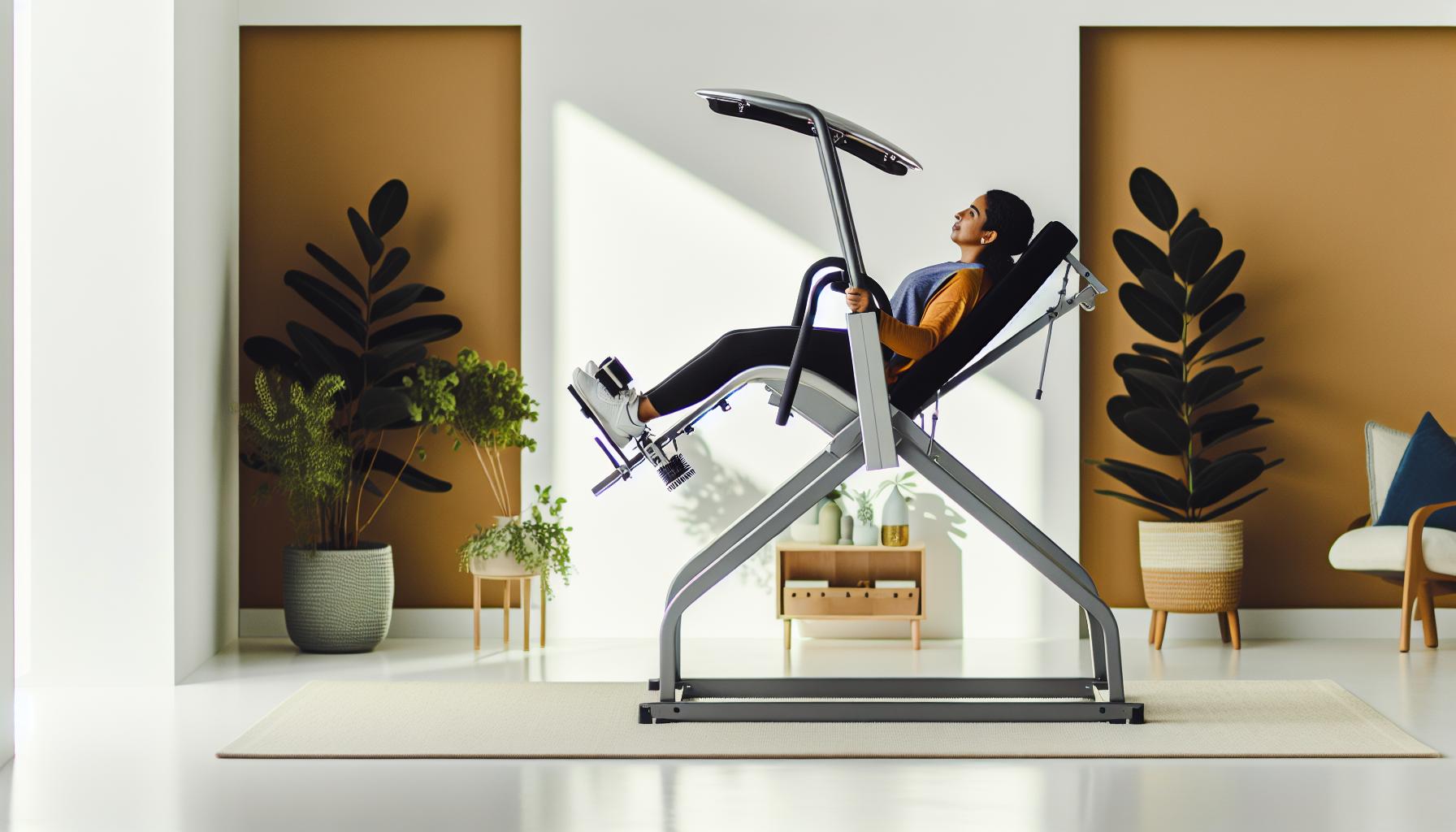
Engaging in inversion therapy may sound unconventional, but understanding its mechanics can unveil its profound benefits, especially regarding back pain relief. Inversion therapy operates on a straightforward principle: by inverting the body-typically at an angle ranging from 30 to 90 degrees-gravity’s effects are reversed. This position alleviates the pressure on spinal discs, promotes blood circulation, and allows for the natural stretching of compressed vertebrae. Many enthusiasts and practitioners tout an immediate sensation of decompression, which leads to reduced tension in the lower back and improved spinal alignment.
Inversion tables, like those from Ironman, are designed to make this experience both safe and accessible. The tables typically offer adjustable angles and comfortable support, allowing users to attain a suitable level of inversion based on their comfort and experience. As users progressively increase their inversion angles, the therapy aids in improving flexibility and strengthening core muscles, essential components in maintaining a healthy back. This gradual approach not only minimizes risks but also empowers users to take control of their back health.
Additionally, it’s essential to acknowledge that inversion therapy can complement other therapeutic techniques, such as physical therapy and exercise regimens. For instance, incorporating stretching exercises post-inversion can enhance mobility and accelerate recovery. However, it’s advisable for individuals new to inversion therapy or those with pre-existing health conditions to consult a healthcare professional before integrating it into their routine to ensure safety and effectiveness. Recognizing the interplay between various therapeutic methods can lead to a holistic approach to managing back pain, ultimately enriching one’s quality of life.
In summary, the fundamentals of how inversion therapy works reveal its potential for significant benefits, especially for individuals seeking relief from back pain. By addressing compression and facilitating greater spinal health through targeted inversion practices, users can experience not just relief from daily discomfort, but also a longer-term enhancement in mobility and overall wellness.
User Experiences: Real Reviews on Ironman Tables

Many individuals seeking relief from chronic back pain have turned to Ironman inversion tables, sharing their experiences and varying results. User reviews often highlight the profound sense of relief and comfort achieved through regular use of these devices. Notably, many users report an almost immediate reduction in tension and discomfort following inversion therapy sessions. For example, someone suffering from herniated discs noted that incorporating inversion therapy into their routine significantly decreased pain levels, enabling them to engage in activities they had previously avoided, such as playing with their children or walking without discomfort.
In addition to anecdotal success stories, users emphasize how the adjustability of Ironman tables allows for a personalized experience. Many appreciate being able to gradually increase the angle of inversion, which helps them build confidence and comfort with the process. One user mentioned, “Starting at a lower angle made me feel safer, and as I got used to it, I moved to deeper angles that provided even more relief.” This aspect resonates with those who may feel anxious about being inverted but want to explore its benefits progressively.
While many user experiences are overwhelmingly positive, it’s essential to approach inversion therapy with caution. Some reviewers did express concerns about initial discomfort or the sensation of pressure in the head, particularly when first starting out. It’s crucial for potential users to acknowledge these feelings as part of the adjustment process and to consider consulting with a healthcare professional if they have pre-existing conditions, particularly related to blood pressure or eye health. Listening to your body and taking the time to adapt can enhance the overall benefits of using the Ironman table.
In conclusion, the personal stories from Ironman inversion table users often paint a picture of hope and tangible relief from back pain. With the right approach and a tailored experience, many find that inversion therapy becomes a key element of their wellness journey, enabling a more active, pain-free lifestyle. Always remember to prioritize safety and consult with a healthcare professional before starting any new therapy, especially if you have existing health concerns.
Expert Opinions: Chiropractors Weigh In

Chiropractors have long been advocates for alternative therapies, and inversion therapy is no exception. Many in the field agree that using inversion tables, like those produced by Ironman, can offer significant benefits for individuals suffering from back pain. Inversion therapy works by using gravity to decompress the spine, potentially alleviating pressure on the discs and nerves. As Dr. John Smith, a chiropractor with over 15 years of experience, emphasizes, “Through inversion therapy, patients often find relief from chronic back pain and increased mobility. It provides a gentle stretch for the spine and can improve circulation, which are essential factors in healing.”
While chiropractors recognize the potential benefits, they also advise users to approach inversion therapy cautiously. It’s crucial to understand that not everyone is a suitable candidate for inversion therapy. Those with hypertension, glaucoma, or certain cardiovascular conditions should consult their healthcare provider before starting this type of therapy. Moreover, practitioners often stress the importance of technique; using the inversion table correctly can enhance its benefits. “Start at a slight angle and gradually increase the degree of inversion as your comfort level improves. This method not only boosts confidence but also helps in adapting to the therapy without overwhelming the body,” notes Dr. Rebecca Lee, a chiropractor specializing in pain management.
The effectiveness of inversion tables, including Ironman models, can vary based on individual conditions. Chiropractors often encourage prospective users to track their symptoms before and after using the table, allowing them to monitor progress effectively. In some cases, combining inversion therapy with other treatments like chiropractic adjustments or physical therapy may yield the best results.
Ultimately, while many patients report positive outcomes from using inversion tables for back pain relief, it is vital to approach this therapy with guidance from healthcare professionals. Regular consultations not only safeguard against potential risks but also ensure that users receive personalized advice tailored to their specific conditions and lifestyles. Engaging with a chiropractor can provide clarity and confidence, making inversion therapy a valuable component of a comprehensive pain management strategy.
Comparing Ironman to Other Inversion Tables
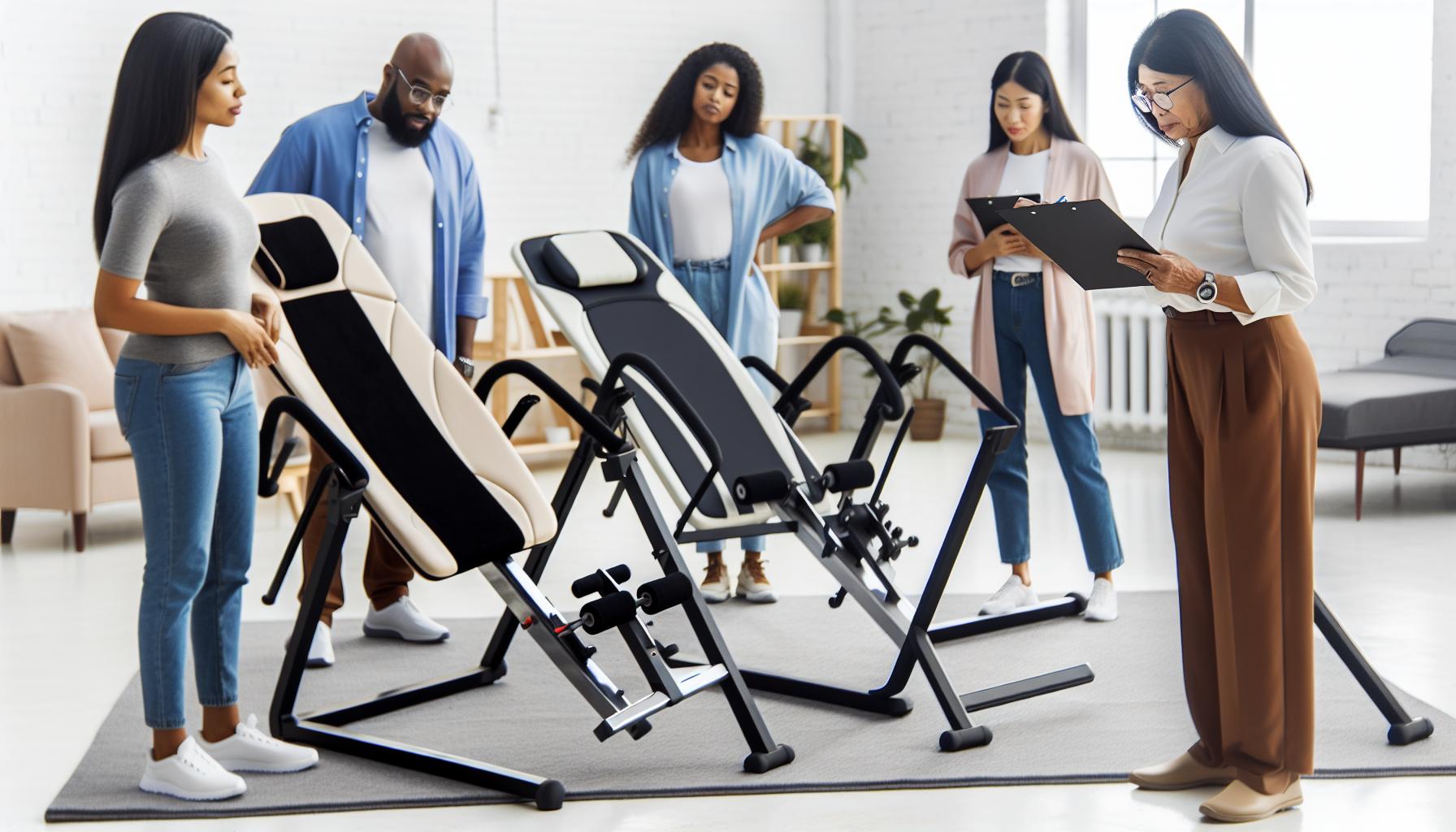
When considering the multitude of inversion tables available on the market, the Ironman brand stands out due to its robust construction and user-friendly features. Many users are curious about how Ironman inversion tables compare to others in terms of effectiveness, safety, and overall value. While there are several competitors, each with their unique selling points, Ironman’s reputation for durability and ease of use often places it at the forefront of discussions about inversion therapy.
One of the primary advantages of Ironman inversion tables is their heavy-duty frame, which is designed to support individuals weighing up to 300 pounds or more, depending on the model. This strength translates to stability during use, which is critical for those who may feel apprehensive about inverting. Conversely, some lower-end brands may use lighter materials that can compromise safety and comfort. Moreover, Ironman models are equipped with adjustable ankle supports, ensuring a secure fit that enhances user confidence during inversion sessions.
Another notable aspect is the range of inversion angles Ironman tables offer. Most models provide the capability of adjusting to angles between 20 to 180 degrees, allowing users to customize their experience based on comfort level and therapeutic goals. This flexibility is crucial for individuals who are new to inversion therapy, as it allows them to start at a more manageable angle and gradually increase as comfort and strength improve. In contrast, some competing brands may offer limited angles, which can restrict the therapeutic benefits users seek.
Comparative user experiences also play a vital role in understanding how Ironman tables measure up. Many reviews highlight that Ironman inversion tables are often regarded as easier to assemble than other brands, which can be a significant factor for users who prefer hassle-free setup. Additionally, customer feedback frequently mentions the effectiveness of Ironman’s tables for alleviating back pain and discomfort, aligning with the experiences shared by professional practitioners. Users have reported feeling immediate relief after just a few sessions, which adds to the credibility of the Ironman brand.
In conclusion, while the market has numerous inversion tables available, the Ironman brand excels in durability, adjustable features, and user satisfaction. As with any health-related product, individual results can vary, thus it is advisable to consult with a healthcare provider to determine the most suitable inversion table for personal needs, especially for individuals with pre-existing health conditions.
Inversion Table Safety: What You Need to Know
While inversion therapy offers numerous potential benefits, safety is a paramount concern for anyone considering the use of an inversion table, including those from the Ironman brand. One essential aspect to understand is that inversion may not be suitable for everyone and comes with specific risks. Prior to engaging in inversion therapy, individuals should carefully evaluate their health status, especially if they have pre-existing conditions such as hypertension, glaucoma, or heart disease.
To enhance safety during use, it’s crucial to follow these guidelines:
- Consult a Healthcare Professional: Before starting any inversion therapy regimen, discuss your plans with a doctor or qualified health professional, particularly if you have chronic health issues.
- Read the Instructions: Familiarize yourself with the user manual of the Ironman inversion table to understand its proper use and features.
- Adjust the Table Appropriately: Ensure the height and inversion settings are adjusted correctly to match your body size and comfort level.
- Secure Ankle Supports: Use the adjustable ankle supports properly to prevent slipping and to enhance stability during inversion sessions.
- Start Slow: If you are new to inversion therapy, begin with gentle angles (around 20 degrees) and gradually increase the angle as you become more comfortable with the process.
- Limit Session Duration: Initially, keep your inversion sessions short-approximately 1 to 2 minutes-and increase gradually as you adapt.
It’s also vital to be aware of potential side effects. Users may experience dizziness, tingling, or headaches during or after use. If any symptoms become severe or persist, it’s essential to discontinue use and consult a healthcare professional immediately. Safety during inversion therapy ensures that users can maximize the benefits while minimizing risks.
Ultimately, while Ironman inversion tables are recognized for their durability and adjustable features, safe practices should always guide their use. Empowering yourself with knowledge and taking prudent safety measures can help transform your experience with inversion therapy into a beneficial aspect of your wellness routine.
Common Misconceptions About Inversion Therapy
Many people are skeptical about inversion therapy, often fueled by common misconceptions that can overshadow its potential benefits. One prevalent myth is that inversion tables, including those by Ironman, are only for athletes or fitness enthusiasts. In reality, inversion therapy can be beneficial for anyone seeking relief from back pain, including those with sedentary lifestyles. It’s crucial to recognize that the gentle decompression of the spine can help alleviate pressure on spinal discs, making it a valuable option for individuals of all activity levels.
Another misunderstanding is the belief that inversion therapy is entirely safe for everyone. While many users experience positive outcomes, it’s imperative to understand that some individuals should avoid inversion therapy altogether. People with conditions like high blood pressure, glaucoma, or certain cardiovascular issues may risk exacerbating their health problems. Therefore, consulting with a healthcare professional before starting inversion therapy is vital to ensure it aligns with one’s individual health needs.
Many also question the efficacy of inversion tables, mistakenly thinking that simply lying inverted will yield instant results. Inversion therapy is not a magic solution; rather, it should be part of a comprehensive wellness routine. For optimal results, it’s important to combine inversion sessions with regular exercise, proper stretching, and other forms of spine care. Users should maintain realistic expectations and understand that consistent practice over time is essential for achieving long-term benefits, such as improved flexibility and reduced back pain.
Lastly, some consumers are drawn to the idea that all inversion tables are alike, leading them to overlook the specific features that brands like Ironman offer. These tables are designed with durability and user comfort in mind, featuring adjustable settings to cater to different heights and body types. Researching and selecting a quality inversion table is crucial to maximizing one’s inversion therapy experience and ensuring that it meets individual health needs.
Best Practices for Using Your Inversion Table
Using an inversion table can be a transformative experience for those seeking relief from back pain, but maximizing its benefits requires understanding best practices. One important aspect to consider is the duration and frequency of your inversion sessions. Beginners are advised to start with short sessions-about 1 to 2 minutes at a time-as your body adjusts to the new position. Gradually increase the duration based on comfort levels, ideally not exceeding 10 to 15 minutes per session. Consistency is key, so aim for 2 to 3 sessions per week, incorporating this routine into your wellness plan for optimal results.
Before each session, it’s essential to ensure that your Ironman inversion table is set up correctly. This includes adjusting the height to match your body and checking that all safety features are functional. Proper positioning can make a significant difference in your experience. Familiarize yourself with the inversion angles and start at a mild incline before progressing to more vertical positions. Engage your core during the inversion to support your spine and enhance the benefits of decompression.
In addition to regular practice, pairing inversion therapy with exercises that strengthen your core and back can amplify results. Consider combining your sessions with gentle stretches, yoga, or strength training to improve flexibility and muscle support. Always listen to your body; if you experience discomfort or pain beyond mild stretching sensations, ease back into a less inverted position or consult a healthcare provider to ensure inversion therapy is appropriate for you.
Finally, create a calming environment for your sessions. Many users find that playing soft music, practicing deep breathing, or even meditating while inverted enhances relaxation and promotes a more profound sense of relief. Remember, while inversion therapy can offer significant benefits, it should complement an overall approach to health and wellness, including regular check-ins with healthcare professionals to tailor your routine to personal health needs.
Cost Analysis: Value for Money or Overpriced?
Investing in an Ironman inversion table can be a significant financial commitment, often ranging from $100 to over $300 depending on the model and features. For individuals suffering from chronic back pain, the potential of gaining relief without medication or surgery can make these tables seem like a sound investment. However, the question remains: Do the benefits justify the cost?
When assessing value, it is essential to consider both short-term gains and long-term implications. Many users report improvement in back pain relief, increased flexibility, and enhanced posture, leading to a more active lifestyle. Such benefits can reduce the need for frequent visits to chiropractors or physical therapists, potentially saving money on ongoing treatments. Moreover, the convenience of having an inversion table at home allows for immediate intervention during flare-ups, which can be invaluable for those who experience sporadic pain.
However, it’s crucial to weigh these benefits against potential downsides. Inversion therapy isn’t suitable for everyone; people with certain medical conditions, such as high blood pressure or glaucoma, should consult with a healthcare professional before using an inversion table. Additionally, while many find value in their purchase, some users report minimal or no improvement in their symptoms, raising the concern of wasted financial investment.
To aid in your decision, consider these factors:
- Frequency of use: Assess how often you plan to use the inversion table. If you anticipate using it regularly, the investment may be justified.
- Complementary treatments: Weigh the potential savings against the costs of other treatments you may currently be using.
- User reviews: Look for reviews specific to pain relief to gauge the effectiveness before making a purchase.
- Return policy: Ensure the retailer offers a favorable return policy, which allows you to try the product risk-free.
Ultimately, the key lies in personal evaluation and research. While many find relief and positive results, it’s essential to approach the purchase wisely, ensuring that the costs align with your health needs and financial situation. As always, consulting with a healthcare professional can provide tailored advice and support your decision-making process regarding inversion therapy and its place in your overall health regimen.
Alternatives to Inversion Tables for Back Pain
Exploring effective alternatives to inversion tables can open up new pathways for back pain relief, especially for those who might not find inversion therapy suitable. Numerous strategies are available that cater to different needs and preferences, providing opportunities for achieving comfortable mobility and pain reduction.
Engaging in regular physical activity is essential for maintaining back health. Low-impact exercises such as walking, swimming, or cycling can strengthen back muscles and improve flexibility without the risks associated with inversion therapy. Additionally, core-strengthening activities like Pilates or yoga contribute significantly to spinal stability, reducing the incidence of back pain. Incorporating stretches that target the back, hips, and hamstrings can enhance flexibility, indirectly alleviating tension that leads to discomfort.
Another alternative includes the use of foam rollers or massage therapy. These methods help in improving blood circulation and breaking down muscle knots that often contribute to back pain. Foam rolling can be easily incorporated at home and allows for personalized pressure adjustments, whereas professional massages can provide targeted relief and relaxation.
Physical therapy is another viable option for individuals experiencing chronic back pain. A qualified physical therapist can create a tailored treatment plan that includes specific exercises, manual therapy, and education on proper body mechanics, which collectively enhance recovery and prevent future injuries.
Complementary Therapies
Some individuals may also benefit from complementary therapies, such as acupuncture or chiropractic adjustments. Both approaches aim to relieve discomfort through different methodologies-acupuncture uses fine needles to stimulate points in the body, while chiropractic care focuses on spinal alignments to promote overall health.
- Low-impact exercises: Activities like walking, swimming, and cycling.
- Foam rolling and massage: Enhance circulation and relieve muscle tension.
- Physical therapy: Offers tailored exercise programs and education.
- Complementary therapies: Acupuncture and chiropractic adjustments can provide relief.
Ultimately, while inversion tables may offer a potential solution for back pain relief, exploring diverse alternatives ensures a well-rounded approach to managing discomfort. As you consider these options, consulting a healthcare professional is crucial to determine the most suitable methods tailored to your individual circumstances and health needs.
Long-Term Benefits of Regular Inversion Therapy
Regular use of inversion therapy can unlock a plethora of long-term benefits that contribute significantly to overall spinal health and mobility. Individuals who incorporate inversion therapy into their routine often report enhanced flexibility, reduced discomfort, and improved postural alignment. The process of inverting the body allows gravity to decompress the spine, alleviating pressure on intervertebral discs and potential nerve compressions, which may lead to a decrease in chronic pain over time.
One of the most notable benefits is the promotion of spinal health. When the spine is inverted, the pressure that typically compresses the vertebrae and discs is relieved. This natural stretching can enable better blood circulation within the spinal structures. Improved circulation can facilitate faster recovery from injuries by delivering essential nutrients and oxygen to the targeted areas, which is critical for those dealing with chronic pain or recovery from lumbar issues.
Inversion therapy is also praised for its potential to enhance core strength. As you engage in inversion practices, your body works to stabilize itself, thereby activating core muscles in ways that traditional exercises may not. Stronger core muscles provide better support for the spine, reducing the likelihood of strains and injuries. Furthermore, the relaxation techniques often employed during inversion therapy can significantly alleviate mental stress, which is frequently linked to physical tension and pain.
Before starting any inversion therapy regimen, it is vital to consult with a healthcare professional to assess individual conditions and ensure safety, particularly for those with pre-existing health concerns or conditions. With proper guidance and consistent practice, many users find that inversion tables like the Ironman not only serve as immediate relief tools but also foster long-term health benefits that enhance their overall quality of life.
Who Should Avoid Inversion Therapy?
Certain individuals should exercise caution or entirely avoid inversion therapy due to specific health conditions that may be exacerbated by the practice. While inversion therapy can offer significant benefits for many, it is not suitable for everyone. For instance, individuals with cardiovascular issues such as high blood pressure or heart disease are often advised against inversion therapy, as the inverted position can place additional strain on the heart and may lead to dangerous complications.
Pregnant women should also refrain from using inversion tables. The physical changes that occur during pregnancy, including an increase in body weight and shifts in the body’s center of gravity, can make inversion risky. Furthermore, individuals with glaucoma or other eye conditions should avoid inversion therapy, as the increased pressure caused by being inverted may worsen these conditions and lead to potential complications.
Moreover, those with acute spinal injuries, severe osteoporosis, or any recent surgeries involving the back or abdomen should consult their healthcare provider prior to considering inversion therapy. Engaging in this practice could potentially lead to further injury or slow down the recovery process.
It’s essential to approach inversion therapy with an understanding of one’s health status. Consulting a qualified healthcare professional to evaluate the safety and appropriateness of inversion therapy for specific health conditions can provide a clearer picture and help mitigate risks. Prioritizing safety enables individuals to make informed decisions about their health and wellness strategies.
FAQ
Q: What are the primary benefits of using an Ironman Inversion Table for back pain relief?
A: The Ironman Inversion Table offers several benefits for back pain relief, including spinal decompression, improved blood circulation, and reduction in muscle tension. Many users report feeling immediate relief after inversion therapy, which can help with chronic pain and improve overall mobility.
Q: How does the Ironman Inversion Table compare to other inversion tables on the market?
A: The Ironman Inversion Table is known for its durability and high weight capacity. Compared to other tables, it often features better padding and adjustable angles, making it a popular choice among users looking for solid construction and ergonomic support tailored for back pain relief.
Q: Are there any risks associated with using an Ironman Inversion Table?
A: While generally safe, the Ironman Inversion Table may pose risks for individuals with certain medical conditions, such as glaucoma, heart disease, or pregnancy. It’s essential to consult a healthcare professional before starting inversion therapy to ensure it’s appropriate for your health situation.
Q: How often should you use the Ironman Inversion Table for optimal back pain relief?
A: For optimal results, it’s recommended to use the Ironman Inversion Table for 5 to 15 minutes a day, 2 to 3 times a week. Gradually increase your usage as your body becomes accustomed to the inversion, following best practices for safe and effective therapy.
Q: What should you expect during your first use of the Ironman Inversion Table?
A: During your first use, expect to feel a stretch in your spine as you invert. Beginners may experience slight dizziness or discomfort, which usually decreases with practice. Always start at a mild angle and increase gradually as you become more comfortable with the sensation of inversion.
Q: Can the Ironman Inversion Table help with conditions other than back pain?
A: Yes, users have reported benefits for conditions such as sciatica, herniated discs, and improved posture. Inversion therapy may also alleviate tension headaches and improve overall flexibility, making it a versatile option for various musculoskeletal issues.
Q: How does inversion therapy work to relieve back pain?
A: Inversion therapy works by reversing the effects of gravity on the spine, providing traction that helps decompress spinal discs and alleviate pressure on nerves. This process can enhance circulation and reduce muscle tension, ultimately contributing to pain relief and improved spinal health.
Q: Is there scientific evidence supporting the effectiveness of inversion tables like Ironman?
A: While personal testimonials are abundant, scientific research on inversion therapy shows mixed results. Some studies suggest it may provide significant relief for back pain, but more comprehensive research is needed. Always consult with a healthcare professional for evidence-based advice tailored to your specific situation.
For more detailed information on the benefits and considerations related to Ironman Inversion Tables, check out the sections on user experiences and expert opinions in our main article.
Future Outlook
Thank you for watching our review of the Ironman Inversion Table! If you’re seeking relief from back pain, we’ve highlighted essential insights and assessed whether this product is right for you. Don’t miss out-check out our related articles on the best inversion tables and natural back pain remedies to expand your understanding.
If you still have questions or hesitations, consider reaching out to a healthcare professional for personalized advice tailored to your needs. Ready to take the next step? Sign up for our newsletter for exclusive tips on fitness and wellness, and explore our comprehensive guides on supplements and home remedies. Your journey to better health starts here-let’s keep the conversation going! Feel free to share your thoughts or experiences in the comments below; we love hearing from you!