

Did you know that mixing Vyvanse, a prescription medication for ADHD, with alcohol can pose serious health risks? This potent stimulant affects brain chemicals related to focus and impulse control, but when combined with alcohol, it can lead to dangerous interactions, increasing the potential for harmful side effects. For many, finding effective management of ADHD symptoms is a priority, and understanding the dangers of this combination is crucial for making informed choices about their health. By avoiding alcohol while on Vyvanse, you not only safeguard your mental clarity but also enhance the medication’s effectiveness. Join us as we delve deeper into why this seemingly common pairing can be deadly, equipping you with the knowledge to protect your well-being.
Vyvanse: Understanding Its Medical Use and Risks

Vyvanse, or lisdexamfetamine, is a medication commonly prescribed for managing attention deficit hyperactivity disorder (ADHD) in both children and adults, as well as for moderate-to-severe binge eating disorder in adults. It is a central nervous system stimulant that affects chemicals in the brain responsible for hyperactivity and impulse control. While Vyvanse can significantly improve focus and reduce impulsivity, understanding its medical uses requires an awareness of its potential risks, especially when combined with substances like alcohol.
The medical use of Vyvanse is primarily focused on its ability to enhance concentration and maintain attention in individuals diagnosed with ADHD. Its formulation allows for a gradual release of the medication into the bloodstream, which can lead to more stable effects and reduced side effects compared to other stimulant medications. However, this does not negate the risks associated with its use. Side effects can vary widely, ranging from mild to severe and may include insomnia, decreased appetite, anxiety, and cardiovascular issues, such as elevated heart rate or blood pressure. These effects underscore the importance of monitoring patient response, especially in individuals with pre-existing conditions.
Combining Vyvanse with alcohol poses significant health risks. Alcohol can negate the therapeutic effects of Vyvanse, leading individuals to unknowingly increase their alcohol intake to achieve desired effects, resulting in an increased risk of dependence and overdose. Alcohol’s depressant effects can exacerbate the stimulant effects of Vyvanse, potentially leading to dangerous cardiovascular outcomes, impaired judgment, and a higher likelihood of engaging in risky behaviors. Given these risks, it is crucial for patients to consult healthcare professionals when considering the use of alcohol and to fully disclose their medications to avoid harmful interactions.
In summary, while Vyvanse can be effective in managing ADHD and binge eating disorder, it is essential to weigh its benefits against potential risks, particularly when mixed with alcohol. Patients are encouraged to maintain open communication with their healthcare providers to develop a comprehensive management plan that prioritizes their health and safety.
How Alcohol Affects the Body: Key Insights
Alcohol is a well-known depressant that can profoundly impact various systems in the body, leading to a range of effects that can complicate health and well-being. When consumed, alcohol quickly enters the bloodstream, affecting the central nervous system, and altering mood, coordination, and cognitive functions. This dual nature-its ability to excite at low levels and depress at higher levels-can create a perilous situation, especially for individuals taking stimulant medications like Vyvanse.
One significant concern regarding alcohol consumption is its impact on judgment and impulse control. With the intake of alcohol, individuals often experience a lowering of inhibitions, which can lead to risky behaviors or decisions they might otherwise avoid. This increased risk is particularly troubling for someone on Vyvanse, a medication that already influences impulse control and attention. Alcohol can cloud the ability to make safe choices, potentially leading to dangerous situations, including accidents or alcohol overdose.
Moreover, the combination of Vyvanse and alcohol poses cardiovascular risks. Both substances affect heart rate and blood pressure but in opposite ways-Vyvanse increases them, while alcohol can initially decrease heart rate, leading to an artificial feeling of stability. This mismatch can place an undue strain on the heart and cardiovascular system, heightening the chances of experiencing palpitations or even more serious cardiac events. It’s crucial for individuals on Vyvanse to understand this dynamic and prioritize their cardiovascular health by avoiding alcohol altogether.
Ultimately, understanding how alcohol affects the body is vital for anyone considering the implications of combining it with medications like Vyvanse. Individuals should communicate openly with healthcare professionals regarding their use of alcohol and any medications to ensure a safe, effective treatment plan tailored to their health needs. Empowering oneself with this knowledge can lead to better health decisions and a more proactive approach towards maintaining well-being.
The Dangers of Mixing Vyvanse and Alcohol
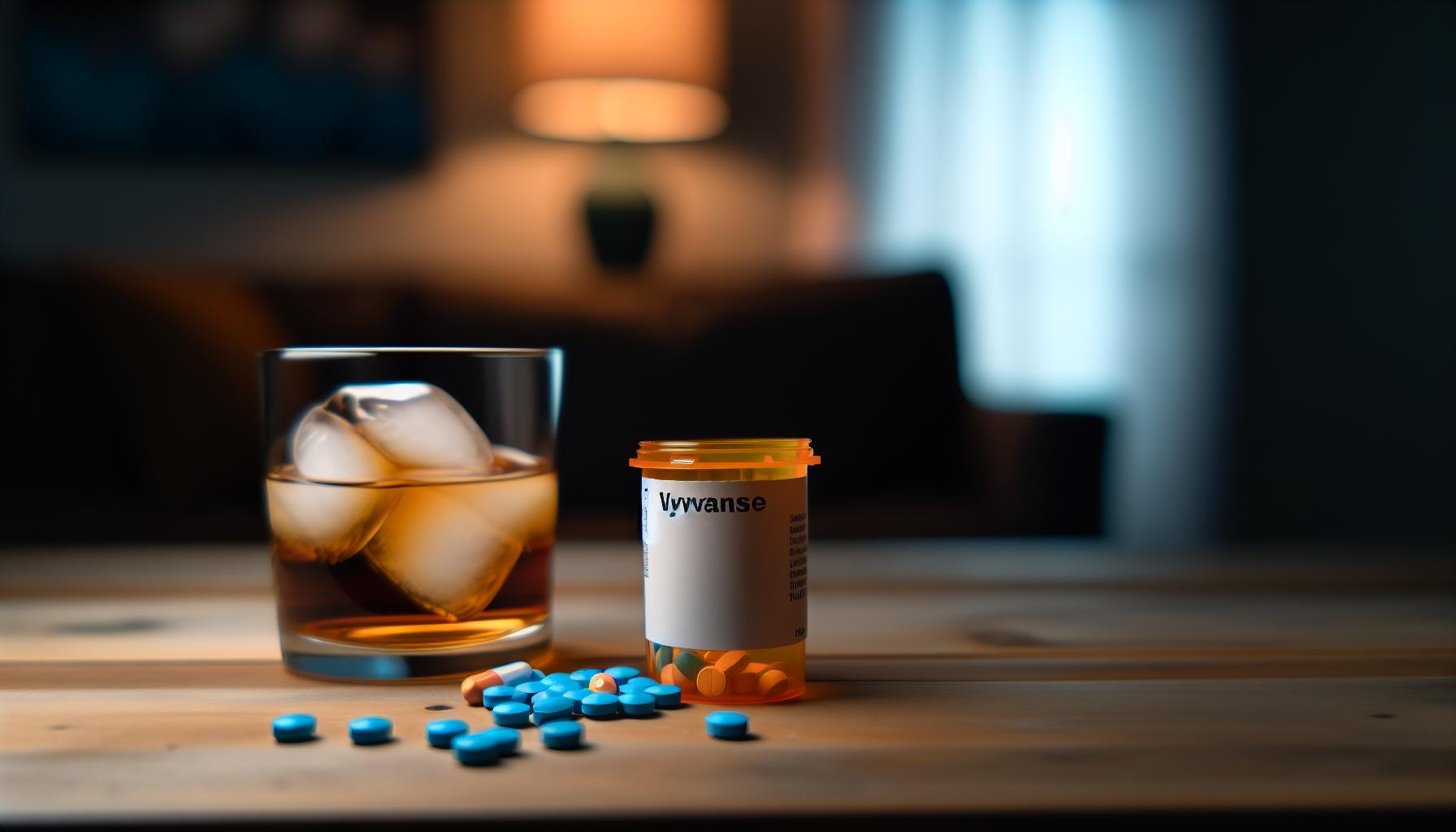
Mixing Vyvanse, a stimulant medication commonly prescribed for ADHD, with alcohol can lead to a precarious and dangerous situation. Both substances exert profound effects on the central nervous system, but in starkly different ways. Vyvanse increases focus and attention by boosting dopamine levels, while alcohol acts as a depressant, impairing judgment, coordination, and cognitive functions. This clash can create an unpredictable environment in which an individual may wrongly perceive their level of intoxication, leading to an increased risk of drinking more than intended or engaging in other risky behaviors.
One of the most alarming dangers of combining these substances is the cardiovascular strain that results. Vyvanse is known to elevate heart rate and blood pressure as it stimulates the body, while alcohol can initially lower these vital signs but may lead to dehydration and increased heart strain in the long run. This opposing action can set the stage for serious complications, such as arrhythmias, elevated blood pressure, and in severe cases, heart attacks. The unpredictable nature of this combination means that what might seem like a manageable situation can escalate quickly, particularly in environments where individuals are not paying close attention to their bodies’ signals.
Another critical aspect to consider is the impact on mental health and behavior. Alcohol is notorious for lowering inhibitions, which can be especially risky for those using Vyvanse to manage impulsivity and attention issues. Under the influence of alcohol, an individual might make choices contrary to their best interests or safety. For example, they may find themselves in dangerous social situations or engaging in activities they would typically avoid. This challenges the intended therapeutic effects of Vyvanse, essentially undermining the treatment strategy and exposing the individual to potential harm.
Given these significant risks, it is essential for anyone taking Vyvanse to reconsider the implications of alcohol consumption. Proactively seeking support from healthcare professionals can provide clarity on safe practices and help develop more effective management strategies for ADHD without the added dangers of alcohol. Educating oneself about the interactions of medications and substances is empowering, fostering a more informed approach to health and well-being. By prioritizing health and safety, individuals can navigate their treatment journeys with greater confidence.
Signs of Vyvanse and Alcohol Interaction to Watch For
The combination of Vyvanse and alcohol can lead to serious health risks, making it crucial to recognize the warning signs of adverse interactions. Users should be vigilant for a range of physical and psychological symptoms that indicate their body might be responding negatively to this dangerous mix.
Some common signs to watch for include:
- Increased Heart Rate: While Vyvanse typically elevates heart rates, the added depressant effects of alcohol can lead to erratic rhythms, causing palpitations or a racing heartbeat.
- Severe Headaches: Mixing these substances can result in intense headaches, which may be exacerbated by dehydration from alcohol consumption.
- Dizziness or Lightheadedness: Feeling faint or unsteady is a possible indication that the combination is affecting your central nervous system.
- Heightened Anxiety: While Vyvanse can foster focus, alcohol may increase feelings of anxiety or agitation, contradicting the medication’s intended effect.
- Nausea or Vomiting: Gastrointestinal distress can arise as a side effect of interaction, particularly with the combined physical stress of both substances.
- Impaired Judgment: Lowered inhibitions due to alcohol can lead to poor decision-making, making individuals more likely to ignore warning signals from their bodies.
Being aware of these signs and symptoms is essential for anyone who may inadvertently mix Vyvanse and alcohol. It is always advisable to err on the side of caution. If you notice any of these signs, it’s important to consult a healthcare professional immediately. They can provide guidance tailored to your specific circumstances and help you navigate your treatment plan safely. Prioritizing this awareness not only enhances your health but also ensures that your ADHD management remains effective.
Long-term Effects of Combining Vyvanse and Alcohol
The can pose significant risks, impacting both physical and mental well-being. When these two substances are regularly mixed, they can lead to a range of deleterious outcomes that extend beyond immediate negative reactions. One of the most concerning aspects is the potential for dependence; users may find themselves relying on alcohol to mitigate the side effects of Vyvanse or seeking the stimulating effects of the medication to counteract the depressant properties of alcohol. This interplay can create a cycle that is hard to break, leading to increased usage of both substances.
Over time, the cardiovascular system can also suffer from this hazardous combination. Vyvanse, being a stimulant, can increase heart rate and blood pressure, while alcohol tends to act as a depressant, leading to erratic heart rhythms and enhanced strain on the heart. Such prolonged stress can escalate the risk of developing serious conditions like arrhythmias or hypertension, particularly in individuals with pre-existing heart conditions. Furthermore, the liver, tasked with metabolizing both substances, can become overworked leading to liver damage or impairment of function.
Psychologically, the ongoing mixing of Vyvanse and alcohol can exacerbate issues such as anxiety and depression. While Vyvanse aims to improve focus and reduce symptoms of ADHD, alcohol can counteract these benefits, leading to increased agitation or feelings of hopelessness. This might urge individuals to increase their doses of either substance in an effort to regain a sense of normalcy, thus compounding the problem. In the long run, the consequences on mental health can be profound, leading not only to dysfunction in daily activities but also to a higher likelihood of substance use disorders.
For anyone considering this combination, it’s crucial to consult with healthcare professionals who can provide personalized advice and support. Understanding the long-term implications of mixing Vyvanse and alcohol can empower individuals to prioritize their health and make informed decisions about their treatment plans.
Alternatives to Vyvanse: Safe Options to Consider
Exploring alternatives to Vyvanse can empower individuals to manage ADHD and binge eating disorder effectively without the risks associated with stimulant medications, especially when considering interactions with substances like alcohol. There are various options available that focus on holistic approaches, behavioral therapies, and non-stimulant medications, which can provide relief while avoiding the adverse effects linked to combining Vyvanse and alcohol.
Non-Stimulant Medications
For those seeking alternatives, non-stimulant medications may be a viable option. Atomoxetine (Strattera) is a popular choice for ADHD and operates differently than stimulants, targeting norepinephrine receptors in the brain. It has a lower potential for abuse and does not carry the same risks when mixed with alcohol. Other non-stimulant options include Guanfacine (Intuniv) and Clonidine, which also help with attention regulation and impulse control.
Cognitive Behavioral Therapy (CBT)
Incorporating therapy can be beneficial for those looking to manage their symptoms without medication. Cognitive Behavioral Therapy (CBT) focuses on identifying unhelpful thought patterns and behaviors, teaching coping strategies to improve emotional regulation and decision-making. This therapeutic approach has shown effectiveness in treating ADHD by helping individuals develop skills for organizing tasks and controlling impulsivity, which can be especially important when attempting to avoid alcohol as a coping mechanism.
Behavioral and Lifestyle Modifications
Making lifestyle changes can significantly impact symptom management. Regular physical activity, a balanced diet rich in omega-3 fatty acids, and proper sleep hygiene play crucial roles in enhancing focus and emotional well-being. Engaging in mindfulness practices, such as yoga or meditation, can also contribute to stress reduction and improved concentration, offering natural pathways to address symptoms without relying on medication.
Support Groups and Resources
Connecting with others who face similar challenges can provide invaluable support. Support groups for individuals with ADHD can foster community, share experiences, and offer practical strategies for managing symptoms. Additionally, accessing resources from organizations dedicated to ADHD education and advocacy can provide guidance on effective treatment options that prioritize safety and well-being.
In navigating alternatives to Vyvanse, it’s essential to consult with healthcare professionals to tailor approaches to individual needs. By focusing on these safe options, individuals can take proactive steps towards managing their conditions while steering clear of the dangerous mix of Vyvanse and alcohol.
Seeking Help: When to Consult a Healthcare Professional
When it comes to the potentially dangerous interplay between Vyvanse and alcohol, recognizing when to seek help is crucial. Many individuals may underestimate the risks associated with mixing these substances, often believing that they can handle the effects. However, combining a stimulant like Vyvanse with alcohol, a depressant, can lead to unpredictable and severe health consequences. Understanding the warning signs and seeking professional guidance can make a significant difference in ensuring safety and well-being.
If you find yourself using Vyvanse while consuming alcohol, consider consulting a healthcare professional if you experience any of the following: increased anxiety, heart palpitations, mood swings, or changes in appetite and sleep patterns. These symptoms may indicate that the combination is adversely affecting your mental and physical health. Furthermore, if you’re struggling to manage your ADHD or binge eating disorder effectively or feel reliant on alcohol to cope with the side effects of Vyvanse, it’s essential to discuss these concerns with your doctor. Their expertise can help determine if your current regimen is appropriate or if alternate treatments are available.
Another pivotal moment for seeking help occurs if you notice early signs of substance use issues. If you find that alcohol consumption is becoming more frequent or that it is interfering with your daily responsibilities, relationships, or overall health, it’s advisable to reach out for assistance. A healthcare professional can help guide you through the process of addressing these issues, potentially offering supportive resources, therapy, or medication adjustments to help you regain control.
Ultimately, prioritizing your health and well-being means recognizing the importance of professional support when dealing with medication and alcohol interactions. Whether you are considering alternatives to Vyvanse, experiencing adverse effects, or struggling with substance use, do not hesitate to reach out. Professionals are equipped to provide personalized advice and treatment options tailored to your unique situation, ensuring you can manage your conditions safely and effectively.
Personal Stories: Real Experiences with Vyvanse and Alcohol
Experiences shared by individuals who have mixed Vyvanse with alcohol reveal the complex and often perilous nature of this combination. Many people begin this journey with the belief that they can handle both a stimulant and a depressant, only to find themselves facing unexpected and severe consequences. For instance, one individual, Sarah, a college student diagnosed with ADHD, initially thought that using Vyvanse would help her focus on her studies while allowing her to enjoy social drinks with friends. However, she quickly found that the stimulating effects of Vyvanse masked the sedative impacts of alcohol, leading her to consume more than she intended. This resulted in extreme anxiety, heart palpitations, and a decreased ability to think clearly, ultimately necessitating a visit to the campus health center.
It’s crucial to highlight that personal stories often underscore a common thread: the initial lack of awareness about the risks involved. For example, John, a young professional, shared his struggle with ADHD and how he turned to alcohol as a way to unwind after work. While using Vyvanse was initially effective for his symptoms, he soon started drinking to alleviate the jitteriness he felt. What he didn’t realize was that the combination created a dangerous cycle, increasing his tolerance toward both substances. After a particularly harrowing night out where he experienced blackouts and significant anxiety, John sought help from a mental health professional. Through therapy, he learned healthier coping mechanisms and how to manage his ADHD without the risk of alcohol.
The shared experiences of these individuals serve as a powerful reminder of the importance of understanding how substances can interact differently in each person. Here are some key takeaways from their stories:
- Recognize the Signs: Be vigilant for symptoms such as increased anxiety, rapid heartbeat, or an inability to focus.
- Seek Help Early: Don’t wait until the situation escalates; professional intervention can provide guidance on safer coping strategies.
- Educate Yourself: Understanding the risks of mixing medications with alcohol can empower individuals to make informed choices.
- Look for Alternatives: Discussing other medications or treatment options with a healthcare provider can offer safer pathways to manage ADHD symptoms without the risks associated with alcohol.
Addressing the issue of mixing Vyvanse and alcohol is not merely about avoiding the substances; it’s about fostering a supportive environment where individuals feel empowered to make safer choices. Sharing personal stories not only increases awareness but also encourages conversations, allowing those struggling with similar issues to seek help before it’s too late. If you find yourself facing similar challenges, consider reaching out to a healthcare professional who can offer tailored advice and support. Your health and well-being deserve the utmost priority.
Tips for Managing Vyvanse without Alcohol
Managing Vyvanse effectively without the inclusion of alcohol requires intention and mindful approaches to both lifestyle and mental health. It’s crucial for individuals prescribed Vyvanse, typically used for ADHD and binge eating disorders, to find productive ways to cope with their symptoms and the demands of daily life. Avoiding alcohol is not just a matter of abstaining; it involves creating a supportive framework that nurtures both mental well-being and effective treatment outcomes.
One effective strategy is to cultivate healthy lifestyle habits that promote overall well-being. Engaging in regular physical activity has been shown to enhance mood and decrease anxiety, which can counteract some of the side effects of ADHD medications. Activities like running, yoga, or even group sports can provide a healthy outlet for stress and improve concentration. Additionally, maintaining a balanced diet rich in fruits, vegetables, whole grains, and proteins can help stabilize energy levels and mood throughout the day, making it easier to manage symptoms associated with ADHD.
Social interactions can be tricky, especially in settings where alcohol may be present. Building a supportive social network that understands your goals can significantly impact your success. Consider involving friends in activities that don’t revolve around drinking-like hiking, visiting art galleries, or having game nights. These alternatives not only create enjoyable experiences but also help reinforce your commitment to managing your health. If social settings typically involve alcohol, practice having a plan in place, such as choosing to attend events where non-alcoholic beverages are available or arriving with your own drinks.
In addition to lifestyle changes, seeking support from professionals can provide essential guidance. Whether through therapy or counseling, a mental health professional can help develop coping strategies tailored to your needs. Therapy can offer a safe space to discuss your experiences with ADHD and the pressures that come from social environments, equipping you with the tools to handle triggers in a healthier way.
Above all, prioritize self-education about your condition and the medications you are taking. Understanding how Vyvanse works and its potential interactions with substances like alcohol empowers you to make informed decisions about your health and well-being. Regular consultations with healthcare providers will ensure your treatment plan is optimized and aligned with your personal health goals.
Embracing a lifestyle that prioritizes health, support, and education can transform the experience of managing ADHD with Vyvanse from a challenge to a journey of empowerment and well-being.
The Science Behind Vyvanse: What You Need to Know
Lisdexamfetamine, known by the brand name Vyvanse, is a medication primarily prescribed for attention deficit hyperactivity disorder (ADHD) and binge eating disorder. Understanding how Vyvanse functions at a biological level is crucial for comprehending its potential interactions, especially when combined with substances like alcohol. This stimulant medication works by increasing the levels of certain neurotransmitters in the brain, particularly dopamine and norepinephrine, which are pivotal in regulating mood, attention, and impulse control.
When Vyvanse is ingested, it is converted in the body into dextroamphetamine, which enhances concentration and reduces impulsivity. However, the simultaneous consumption of alcohol can significantly alter how the body metabolizes these stimulants. Alcohol acts as a depressant that can dampen the effects of Vyvanse, leading many to mistakenly believe they can drink while on the medication. This misconception can lead to increasing the alcohol intake, resulting in dangerous outcomes, including heightened heart rate, increased risk of overdose, or severe anxiety and agitation [1][2].
Moreover, it’s essential to recognize that the combined use of Vyvanse and alcohol can mask the depressive effects of alcohol-prompting individuals to consume more than they normally would without the medication. This pattern creates an increased risk for developing alcohol use disorder and may complicate the underlying condition for which Vyvanse is prescribed, such as worsening ADHD symptoms or binge-eating behaviors.
For those on Vyvanse, it is vital to have an open discussion with a healthcare provider regarding lifestyle choices, including alcohol consumption. Creating a dialogue about the potential dangers can empower patients to make informed decisions about their health, ensuring safe and effective management of their ADHD or binge eating disorder while minimizing the risks associated with using alcohol concurrently with their medication.
Support Resources: Finding Help for Substance Use Issues
Finding effective support and resources for substance use issues is crucial, especially for individuals managing both Vyvanse treatment for ADHD or binge eating disorder and the potential temptations of alcohol. Research shows that awareness and resources can significantly impact recovery and well-being. If you or someone you know is struggling, there are various avenues for help to consider.
One of the first steps is to reach out to healthcare professionals. Physicians, psychologists, and licensed therapists are equipped to provide tailored advice and treatment options that consider both mental health and substance use. Many people find it beneficial to participate in therapy-whether individual, group, or family therapy-as it creates a supportive environment to discuss challenges and develop coping strategies. Cognitive Behavioral Therapy (CBT), in particular, has proven effective in addressing ADHD or binge eating issues alongside substance use.
Support groups such as Alcoholics Anonymous (AA) or Narcotics Anonymous (NA) can also be lifesavers. These groups offer a sense of community and understanding among peers facing similar struggles, which can be particularly empowering. Sharing experiences and strategies can help mitigate feelings of isolation and encourage positive changes. Online forums or support networks specific to Vyvanse users may also provide valuable insights, offering a space to discuss experiences, manage challenges, and celebrate successes.
Furthermore, seeking educational resources about the interactions of Vyvanse and alcohol is essential. Websites like the Substance Abuse and Mental Health Services Administration (SAMHSA) provide comprehensive information and can help individuals locate local treatment programs. Many community health organizations also offer workshops and information on managing medication prescriptions while addressing substance use risks.
Lastly, remember that it is vital to prioritize your health and make informed choices. Consultation with healthcare professionals is essential before making any decisions regarding medication and substance use. They can guide you toward creating a personalized plan that keeps your well-being at the forefront. The journey to recovery is a path best traveled with supportive resources and insightful guidance.
Understanding the Law: Vyvanse and Alcohol Regulations
The interplay between Vyvanse, a prescription stimulant used primarily for ADHD, and alcohol can pose significant legal and health challenges. Understanding the regulations surrounding these substances is critical for making informed decisions about their use. Vyvanse is classified as a Schedule II controlled substance in the United States, meaning it has a high potential for abuse and is strictly regulated. This implies that any misuse, such as combining it with alcohol, could not only amplify health risks but also lead to legal repercussions if misused or obtained illicitly.
In many jurisdictions, driving under the influence of stimulants, particularly when combined with alcohol, can lead to severe legal consequences, including fines, license suspension, or even imprisonment. For individuals prescribed Vyvanse, it’s particularly essential to adhere to prescribed guidelines and avoid alcohol, as mixing these substances can diminish the effectiveness of the medication and heighten the risk of adverse side effects like increased heart rate and severe anxiety.
Moreover, healthcare professionals are legally required to provide guidance about the risks associated with combining Vyvanse and alcohol. Patients should openly discuss any alcohol consumption with their prescribing doctors to ensure safe and effective treatment. It’s also essential for patients to be aware of their rights regarding drug prescription and usage, as well as the responsibilities that come with a controlled substance. This understanding not only preserves personal health but also navigates the complexities of legal guidelines effectively.
Recognizing the consequences of combining Vyvanse and alcohol, individuals are encouraged to seek educational resources and support groups that can offer insights into safe practices. Staying informed and engaging with healthcare professionals can create a more supportive framework for managing ADHD or binge eating while mitigating the dangers linked to substance misuse. Remember, prioritizing health and making informed choices is crucial, and consultation with healthcare professionals is always advised before making decisions regarding medication and substance use.
Frequently asked questions
Q: Can you drink alcohol while taking Vyvanse?
A: No, you should avoid drinking alcohol while on Vyvanse. The combination can increase side effects like anxiety and heart problems, making it dangerous. Always consult with a healthcare professional for personalized advice regarding your medications and alcohol use.
Q: What happens if you mix Vyvanse with alcohol?
A: Mixing Vyvanse with alcohol can lead to serious health risks such as increased heart rate, elevated blood pressure, and heightened anxiety or aggression. It may also alter the effectiveness of Vyvanse, complicating treatment for ADHD or binge eating disorder.
Q: How long should you wait to drink alcohol after taking Vyvanse?
A: It’s safest to avoid alcohol altogether while taking Vyvanse. If you must drink, it’s best to consult your doctor for guidance, as they can provide specific recommendations based on your health condition and medication regimen.
Q: Why is it dangerous to mix Vyvanse and alcohol?
A: The combination of Vyvanse and alcohol is dangerous because alcohol can intensify the stimulant effects of Vyvanse, leading to serious cardiovascular issues and unpredictable behavior. This duo can increase the risk of addiction and reduce the effectiveness of ADHD treatments.
Q: Are there any safe alternatives to Vyvanse that do not interact with alcohol?
A: Yes, alternatives for managing ADHD that have minimal interactions with alcohol include non-stimulant medications like atomoxetine. Always discuss with your healthcare provider to find the best option for your individual needs and to avoid risky combinations with alcohol.
Q: What should you do if you have taken Vyvanse and consumed alcohol?
A: If you have mixed Vyvanse and alcohol, seek medical advice immediately, especially if you experience severe side effects such as chest pain or difficulty breathing. It’s important to discuss any adverse reactions with your healthcare provider.
Q: How can you avoid the dangers of mixing Vyvanse and alcohol?
A: To avoid the dangers of mixing Vyvanse and alcohol, commit to abstaining from alcohol while on medication. Engage in positive activities and seek professional help if you face challenges with substance use or managing ADHD symptoms without alcohol.
Q: Where can I find help for substance use issues related to Vyvanse?
A: For help with substance use issues related to Vyvanse, consider contacting local support groups or professional counseling services. Resources like substance abuse hotlines and mental health professionals can offer guidance and support tailored to your situation.
Insights and Conclusions
Understanding the dangers of mixing Vyvanse and alcohol is crucial for your health and well-being. This toxic combination can lead to serious side effects and even life-threatening situations. If you or someone you know is struggling with substance use, don’t wait-reach out to a healthcare professional today for support.
For more insights on how to manage ADHD without risking your health, check out our articles on natural remedies and effective treatment options. You can also learn about the signs of substance abuse in our comprehensive guide. Don’t forget to sign up for our newsletter for the latest updates on wellness and health education. Your journey to informed health choices starts here-take the next step!


