

When battling addiction, finding the right treatment can be a lifeline. For many, Suboxone-a combination of buprenorphine and naloxone-serves as an effective solution to manage opioid dependence. However, combining Suboxone with alcohol can lead to serious, potentially fatal consequences. This dangerous mixture can suppress respiratory function and heighten the risk of overdose. Understanding these risks is crucial for individuals in recovery and their loved ones. As you explore this topic, consider how vital it is to prioritize your health and make informed decisions. Delving into the intricate relationship between Suboxone and alcohol can empower you to safeguard your recovery journey and well-being. Stay with us as we uncover the implications and importance of maintaining a sober lifestyle while on medication.
Understanding Suboxone: How It Works
Suboxone, a medication used to treat opioid addiction, consists of two main components: buprenorphine and naloxone. Buprenorphine is a partial opioid agonist that binds to the brain’s opioid receptors, producing effects similar to other opioids but without the full intensity, which helps alleviate withdrawal symptoms and cravings. This mechanism allows individuals to stabilize their lives while gradually reducing their dependence on more potent opioids, such as heroin or prescription painkillers. The addition of naloxone serves an important purpose; it helps prevent misuse of the medication. If Suboxone is misused by injection, naloxone can trigger withdrawal symptoms, discouraging such behavior.
Understanding how Suboxone works provides critical insight into the risks of combining it with alcohol. Both alcohol and Suboxone are central nervous system depressants, which means they can enhance each other’s sedative effects. This can lead to severe respiratory depression, unconsciousness, or even death. For individuals in recovery, it is paramount to be aware of these dangers. Patients are often advised to avoid alcohol consumption while undergoing treatment with Suboxone, as the combination can undermine the stability the treatment aims to achieve and increase the risk of overdose.
Incorporating Suboxone into a holistic treatment plan not only requires an understanding of its pharmacological effects but also demands vigilance regarding lifestyle choices. Engaging with healthcare professionals, attending support groups, and cultivating a healthy environment are all essential components of successfully navigating the complexities of addiction recovery. Empowering oneself with knowledge about how medications interact and understanding the potential risks can greatly enhance one’s journey towards health and stability.
The Dangers of Mixing Suboxone and Alcohol
Mixing Suboxone and alcohol can have dire consequences, with risks that are not just theoretical-they can manifest in life-altering and fatal outcomes. Both substances act as central nervous system (CNS) depressants, which means combining them can lead to enhanced sedative effects and increased chances of severe respiratory depression. This condition can impair breathing to the point of unconsciousness or, in the worst-case scenario, lead to death. These risks underscore the importance of avoiding alcohol while undergoing treatment with Suboxone, as it undermines the stability necessary for recovery and amplifies the danger of overdose.
It’s crucial to understand that even small amounts of alcohol can heighten the side effects of Suboxone. Many individuals may underestimate the potency of this combination, believing that moderate drinking is safe. However, many variables, including individual tolerance, the amount of Suboxone in one’s system, and existing health conditions, can significantly affect how a person reacts to this mixture. For instance, nausea, dizziness, and impaired judgment can arise quickly, setting the stage for poor decisions that might jeopardize recovery.
Patients are often encouraged to communicate openly with their healthcare providers about their alcohol use. A solid support system can help mitigate risks associated with mixing these substances. Engaging with support groups and counseling can provide strategies to address cravings and strengthen the resolve to stay sober. Additionally, educational resources regarding the dangers of combining Suboxone with alcohol can empower individuals in recovery and promote a healthier lifestyle. Remember, making informed choices is critical to overcoming addiction and embracing a path to healing.
Recognizing the Signs of Addiction Risk
Recognizing the subtle signs of addiction risk is essential for anyone undergoing treatment with Suboxone, especially when combined with alcohol, a known depressant. Many individuals may not realize that these warning signs can develop gradually and may often go unnoticed until they escalate into more severe issues. Being vigilant and proactive in observing changes not only in oneself but also in loved ones can significantly impact recovery and safety.
Common signs to watch for include:
- Increased Cravings: A notable rise in cravings for alcohol could indicate a lack of control and potential dependence forming.
- Behavioral Changes: Noticeable mood swings, secrecy about activities, or sudden changes in social circles can be red flags.
- Physical Symptoms: Look for signs like frequent nausea, vomiting, or unexplained fatigue, which are common when mixing substances.
- Neglecting Responsibilities: A decline in work performance, academic responsibilities, or personal relationships may signify deeper issues.
It’s vital to approach these signs with a compassionate viewpoint. For instance, someone who used to be engaged in their hobbies might suddenly withdraw, not due to a lack of interest, but because they struggle with their substance use. This understanding can help foster open conversations about addiction and recovery, enabling supportive environments that encourage individuals to seek help.
If you or someone you know is showing signs of addiction risk related to Suboxone and alcohol, it’s crucial to take action. Engaging a healthcare provider can provide personalized strategies to address these concerns early on. Support groups also offer a safe space to discuss experiences and share coping strategies, reinforcing the idea that recovery is a journey best taken with the community’s support.
Effects of Alcohol on Suboxone Efficacy
Mixing alcohol with Suboxone can significantly undermine the medication’s effectiveness in treating opioid dependence. Suboxone, which contains buprenorphine and naloxone, is designed to reduce withdrawal symptoms and cravings without producing the intense high associated with other opioids. When alcohol, a central nervous system depressant, is introduced into the equation, it can lead to severe side effects and impair the ability of Suboxone to function properly.
Regular alcohol consumption can alter the metabolism of Suboxone, potentially reducing its efficacy. Instead of helping individuals manage their cravings, alcohol can cause increased sedation, respiratory depression, and elevate the risk of overdose. In addition, when alcohol is consumed, it may diminish the sense of well-being that Suboxone typically provides, leading individuals to inadvertently consume more of both substances in an attempt to regain that feeling.
Furthermore, for those already struggling with addiction, combining these substances can create a vicious cycle. The depressant effects of alcohol may drive individuals to seek greater amounts of Suboxone, as individuals become less able to manage their cravings and withdrawal. This not only complicates their recovery process but also poses serious health risks including impaired judgment, accidents, or engagement in other high-risk behaviors.
Maintaining open communication with healthcare providers is essential for anyone in recovery. If alcohol use becomes problematic, individuals must discuss their usage patterns and any changes in their feelings or behaviors with their doctor. Strategies can then be implemented to help mitigate the risk of substance interaction and ensure that the recovery journey remains on track.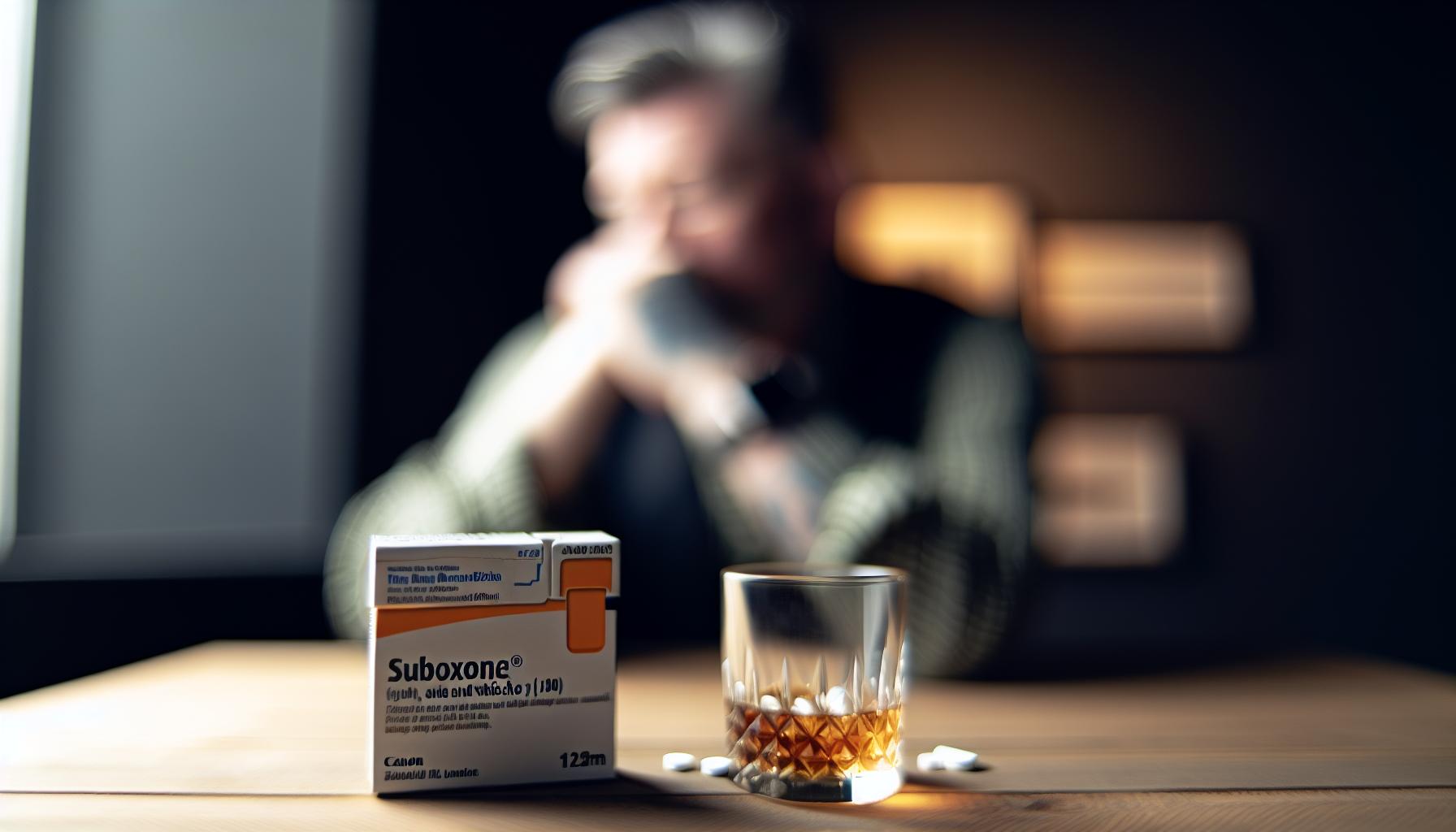
Real-Life Consequences: Case Studies
The intertwining of Suboxone and alcohol can lead to devastating consequences, particularly when individuals overlook the risks posed by this dangerous combination. A case study involving a patient named Alex highlights this issue. Alex struggled with opioid dependence and found relief through Suboxone treatment. However, during a challenging period, he began consuming alcohol regularly, believing it could help him cope with the stress and emotional turmoil he faced. Despite understanding the risks, Alex underestimated how alcohol could diminish the benefits of Suboxone. Over time, he noticed that his cravings returned stronger, and his attempts to manage them with Suboxone seemed less effective.
Alex’s journey took a turn when he experienced a dangerous incident after a night of heavy drinking. He combined alcohol with his Suboxone dosage, leading to severe respiratory depression, requiring emergency medical attention. Fortunately, he survived, but the experience served as a stark reminder of the fatal risks associated with mixing these substances. Alex’s story illustrates the potential for a vicious cycle, where alcohol use exacerbated his addiction problems and jeopardized his recovery.
Another notable case involves Sarah, who initially thrived on Suboxone after years of opioid addiction. She was diligent in her recovery journey, with a support system and a strong commitment to her treatment. However, after facing personal setbacks, she turned to alcohol for solace, believing it would alleviate her emotional pain. Sarah’s consumption escalated, unbeknownst to her support network, leading to impaired judgment and increased dependency on Suboxone. One evening, after consuming both substances, she experienced a blackout and was found unconscious at home. Thankfully, her family acted quickly and sought medical help, which highlighted the real-life dangers that can stem from perceived harmless coping strategies.
The alarming shared experiences of Alex and Sarah emphasize the importance of open communication with healthcare providers regarding substance use, especially in recovery phases. Creating awareness about the risks associated with alcohol and Suboxone can empower individuals to make informed decisions about their health and recovery. Maintaining an honest dialogue can lead to tailored strategies that address both emotional and physical aspects of addiction, helping to ensure that recovery remains on the right track while safeguarding against the perils of substance interactions.
Finding Support: Treatment Options Available
Finding the right support is crucial for individuals navigating the complicated waters of substance recovery, especially when it involves the use of Suboxone and the risks associated with alcohol consumption. In many instances, the journey towards recovery can feel isolating, but there are numerous treatment options and support systems available that can significantly aid in fostering a healthier lifestyle.
One of the first steps in finding support is to engage with healthcare professionals who specialize in addiction treatment. These experts can provide tailored care plans that address both opioid dependence and the risks posed by alcohol use. Such consultations can lead to effective strategies to mitigate the dangers of combining substances. Support groups, such as those facilitated by the Substance Abuse and Mental Health Services Administration (SAMHSA), offer welcoming environments where individuals can share their experiences and learn from others facing similar challenges. Connections made in these settings can often prove to be invaluable, providing encouragement and accountability throughout the recovery process.
Types of Support Services Available
- Individual Counseling: Working one-on-one with a therapist can help individuals explore the emotional aspects of their addiction and develop coping mechanisms without resorting to alcohol.
- Support Groups: Groups like Alcoholics Anonymous (AA) or Narcotics Anonymous (NA) offer community support where individuals can find shared experiences and motivation.
- Rehabilitation Programs: Professional rehabilitation programs provide structured environments for detox and recovery, ensuring medical supervision as individuals transition away from substance use.
- Family Therapy: Involving family members in the treatment process can educate them on the complexities of addiction and foster a supportive home environment.
Ultimately, the key to effectively navigating addiction recovery is maintaining open communication with professionals, family members, and peers. It’s essential to cultivate a support system that not only understands the complexities of addiction but is also empathetic and non-judgmental. This foundation can contribute significantly to an individual’s success in managing their recovery and avoiding the exacerbating effects of alcohol on Suboxone efficacy.
Recovery is a continuous journey that requires time, patience, and adequate support. If you or a loved one is struggling with the risks associated with substance use, seek assistance from healthcare professionals to explore the available treatment options and resources tailored to individual needs.
Managing Withdrawal: Safe Strategies
Navigating withdrawal from substances can be a daunting process, especially for individuals transitioning off opioids like Suboxone. Understanding that withdrawal symptoms can vary widely in intensity and type is crucial for managing this phase safely and effectively. The discomfort often associated with withdrawal can lead to relapse, particularly when combined with alcohol, which poses additional risks. Developing a comprehensive plan for managing withdrawal can make a significant difference in the recovery journey.
Implementing a gradual tapering schedule while under medical supervision is one of the most effective strategies for managing withdrawal symptoms safely. This plan involves slowly reducing the dosage of Suboxone over time, minimizing the intensity of withdrawal and easing the body’s adjustment. Healthcare providers can tailor this tapering schedule to individual needs and responses, ensuring that patients are monitored for adverse reactions or heightened discomfort.
In addition to tapering, incorporating supportive therapies can alleviate withdrawal symptoms. Practices such as mindfulness meditation, yoga, and regular physical exercise can promote relaxation and reduce anxiety, which are often heightened during withdrawal. Individuals may also consider nutritional support, as a balanced diet can help replenish nutrients lost during substance use and can significantly improve mood and physical health. Staying hydrated is essential as well-water intake helps flush toxins from the body and can ease symptoms like headaches and fatigue.
Furthermore, establishing a robust support network is vital. Engaging with support groups or counseling can provide emotional reassurance during challenging times. For many, sharing experiences and strategies in a group setting alleviates feelings of isolation and builds accountability, making recovery feel more achievable. It’s important for individuals to remain connected to professional support, ensuring they have access to help when cravings intensify or if they encounter severe symptoms.
Always consult with healthcare professionals before initiating withdrawal management strategies. They can offer personalized advice and medical supervision to optimize the process and address the unique challenges encountered along the way. Remember, recovery is a journey best taken together, with the right supports in place to promote healing and sobriety.
Preventive Measures: Staying Safe with Suboxone
To promote safety while using Suboxone, awareness and proactive measures are essential, especially considering the potential risks associated with mixing it with alcohol. Suboxone works effectively to help individuals struggling with opioid dependence, but its efficacy can be severely compromised by alcohol use. Understanding how to minimize these risks can empower users in their recovery journey and enhance their overall well-being.
Stay Informed About Medication Interactions
Knowledge is power. It’s crucial to understand that alcohol can diminish the effects of Suboxone and increase the likelihood of side effects, including respiratory depression. Users should take the time to educate themselves about how their medications interact. Engaging in discussions with healthcare providers can clarify how alcohol affects Suboxone’s mechanisms of action and possible side effects, ensuring a well-rounded understanding of the risks involved.
Establish a Support System
Having a robust support network can make a significant difference in managing the challenges of abstaining from alcohol while on Suboxone. Friends, family, or support groups can provide essential encouragement and accountability. Participating in mutual aid groups like Alcoholics Anonymous or Narcotics Anonymous can offer both camaraderie and emotional support, helping individuals navigate cravings and maintain their focus on recovery.
Create a Structured Routine
Building a structured daily routine can significantly help mitigate risks associated with alcohol and Suboxone use. Incorporate healthy habits such as regular exercise, balanced nutrition, and mindfulness activities into your day. This holistic approach not only substitutes potential triggers for drinking but also enhances physical and mental health, supporting the overall recovery process.
Consult Healthcare Professionals Regularly
Frequent communication with healthcare professionals is vital for anyone using Suboxone. Regular check-ins can help monitor side effects, adjust dosages if necessary, and ensure that the treatment plan aligns with the individual’s goals. Openly discussing concerns, including alcohol cravings or social situations that may trigger a desire to drink, allows professionals to provide tailored advice or interventions.
In summary, being proactive about safety while using Suboxone is paramount. By staying informed, fostering a support network, establishing healthy routines, and maintaining open communication with healthcare providers, individuals can effectively navigate their recovery journey while minimizing the risks associated with alcohol. Always remember that reaching out for help is a sign of strength and a critical step towards long-term wellness.
Emotional and Psychological Impacts of Substance Use
Experiencing substance use, particularly through the use of alcohol alongside medications like Suboxone, can create a complex emotional and psychological landscape. Individuals may initially turn to alcohol for relief from anxiety, stress, or depression associated with their recovery journey, but the reality is that this combination often exacerbates psychological distress and undermines recovery efforts. Understanding these implications is crucial for anyone navigating the challenges of substance use.
One significant impact of substance use is its effect on mental health. The interplay between alcohol and medications like Suboxone can lead to heightened feelings of anxiety and depression. As alcohol acts as a depressant, it can diminish the efficacy of Suboxone, which is intended to stabilize mood and cravings for opioids. Consequently, individuals may find themselves caught in a vicious cycle where they consume alcohol to cope with their worsening mental state, inadvertently hindering their recovery process. To mitigate this, individuals should consider seeking alternative coping strategies, such as engaging in therapy, mindfulness practices, or physical activities that promote emotional well-being.
Moreover, the emotional burden of addiction often encompasses feelings of guilt and shame. Individuals may feel immense pressure and fear of relapsing, which can further lead to isolation from support systems. Cultivating a strong support network is essential. Engaging with supportive friends, family, or community groups can provide much-needed encouragement and reduce the feelings of isolation that can accompany substance use. Sharing experiences in safe environments, such as support groups, can foster connection and understanding, helping individuals feel less alone in their struggles.
In addition to building a supportive framework, it’s important to practice self-compassion. Recognizing that recovery is a journey filled with ups and downs can alleviate some stress and pressure. Setting realistic goals and celebrating small achievements can help maintain motivation. It’s vital for those affected to communicate openly with healthcare providers about their emotional health and substance use patterns, ensuring that they receive comprehensive support tailored to their unique situations.
In summary, the emotional and psychological impacts of using alcohol while on Suboxone are complex and often detrimental to recovery. Addressing these challenges through constructive coping mechanisms, strong support systems, and open communication with healthcare professionals can significantly enhance one’s path to recovery. Always remember, seeking help is a critical and courageous step towards lasting change and wellness.
Navigating Recovery: Building a Healthy Lifestyle
Building a healthy lifestyle is crucial for anyone on a recovery journey, especially for those using Suboxone and navigating the risks associated with alcohol consumption. Integrating positive changes into your daily routine can significantly enhance your overall well-being and support your recovery efforts. From nutrition to exercise, each aspect of your lifestyle plays a vital role in maintaining the balance needed to thrive.
To start, prioritizing good nutrition helps stabilize mood and energy levels. Consuming a balanced diet rich in vitamins, minerals, and essential nutrients can aid in brain function and emotional regulation. Consider including:
- Fruits and Vegetables: Aim for a colorful variety to ensure a wide range of nutrients.
- Whole Grains: Foods like brown rice, quinoa, and whole-grain bread can provide sustained energy without spikes in blood sugar.
- Lean Proteins: Sources such as chicken, fish, beans, and nuts can support muscle repair and keep you feeling full.
Engaging in regular physical activity is equally essential. Exercise releases endorphins, natural mood lifters that can counteract feelings of anxiety or depression that might arise during recovery. Aim for at least 150 minutes of moderate aerobic activity per week, incorporating activities you enjoy, such as walking, cycling, or yoga. Establishing a routine not only improves physical health but also fosters discipline and a sense of accomplishment.
Additionally, cultivating mindfulness through practices like meditation and deep-breathing exercises can provide a powerful tool for managing stress and cravings. These techniques help improve self-awareness and emotional regulation, allowing individuals to navigate triggers without resorting to substances. Joining a yoga class or utilizing mobile apps focused on mindfulness and meditation can enhance your practice and keep you motivated.
Lastly, creating a strong support network is vital. Surrounding yourself with positive influences, including family, friends, and recovery groups, can provide encouragement and accountability. Participating in group activities, whether they are support meetings or community events, reinforces the idea that you are not alone in your journey. Sharing experiences and learning from others can provide invaluable insights and foster connections that enrich your recovery process.
Embracing these lifestyle changes not only aids in recovery but enhances the quality of life. By focusing on nutrition, exercise, mindfulness, and support, you create a resilient foundation that empowers you to face challenges and achieve lasting health. Always consult healthcare professionals when making significant changes to your daily routine, ensuring your approach aligns with your individual health needs.
Resources for Families and Friends
Navigating the complexities of recovery from substance use can be challenging, especially for families and friends of individuals using Suboxone. Understanding the risks associated with mixing Suboxone and alcohol is essential for providing effective support and fostering a safe recovery environment. With the right knowledge and resources, loved ones can play a vital role in helping individuals remain on their path to sobriety.
One of the most important aspects of supporting someone on Suboxone is education. Families and friends should familiarize themselves with the signs of potential misuse, such as increased cravings for alcohol, withdrawal symptoms, or emotional instability. It’s crucial to remain aware of the unique interaction between Suboxone and alcohol, which can significantly amplify risks including respiratory depression, increased chance of overdose, and greater addiction severity. This knowledge allows loved ones to identify crises early and intervene appropriately.
Creating an open line of communication fosters a supportive atmosphere. Encourage individuals on Suboxone to express their feelings and struggles without fear of judgment. Engaging in honest conversations can help in identifying triggers and developing strategies to avoid high-risk situations, such as parties or social gatherings where alcohol is present. Assertive communication and active listening can reinforce the feeling that they are not alone in their struggle.
Additionally, families and friends can assist by exploring treatment options available in their community. This includes contacting local support groups, counseling services, or therapy specifically tailored for substance use disorders. Whether it’s participating in meetings like Alcoholics Anonymous (AA) or engaging in family therapy, these resources can bolster the recovery process. Participating in these programs together can also strengthen bonds and mutual understanding.
Lastly, it’s vital for loved ones to take care of their health and well-being as well. Caring for someone with a substance use disorder can take an emotional toll. Regular exercise, practicing mindfulness, and seeking counseling can help family members cope with their feelings and ensure they are in the best position to provide support. By prioritizing their mental health, supporters can contribute to a healthier, more constructive environment for their loved ones.
In summary, staying informed, nurturing open communication, exploring supportive resources, and prioritizing self-care are critical steps families and friends can take to assist those on Suboxone. Through collaboration and understanding, they can significantly impact the recovery journey and help their loved ones navigate the complexities of rehabilitation while minimizing the risks associated with substance use.
Frequently Asked Questions
Q: Can you die from mixing Suboxone and alcohol?
A: Yes, mixing Suboxone and alcohol can be fatal. Both substances depress the central nervous system, leading to severe respiratory depression, coma, or death. It is crucial to avoid alcohol while on Suboxone. For safety, consult a healthcare provider about safe practices regarding substance use.
Q: What are the specific risks of combining Suboxone with alcohol?
A: The combination can increase risks such as sedation, impaired motor skills, cardiovascular issues, and heightened addiction potential. These dangers can exacerbate underlying health conditions and lead to unpredictable responses, making it essential to discuss any substance use with a healthcare professional.
Q: How does alcohol affect the effectiveness of Suboxone?
A: Alcohol can diminish the effectiveness of Suboxone by altering its metabolism and absorption. This can lead to inadequate treatment of opioid dependence, increasing the risk of relapse. Always seek professional guidance when managing these medications together to ensure proper management of your treatment.
Q: What should I do if I’ve mixed Suboxone and alcohol?
A: If you’ve mixed Suboxone and alcohol, seek medical help immediately. Symptoms such as unusual sleepiness, confusion, or difficulty breathing may indicate a severe reaction. It’s important to get checked by a healthcare professional to assess your safety and health status.
Q: Are there safer alternatives to Suboxone if I consume alcohol?
A: Yes, individuals who consume alcohol may need alternative treatments for opioid dependence. Options include behavioral therapies or other medications that do not interact adversely with alcohol. Consult a healthcare professional to discuss the best treatment tailored to your needs.
Q: How can I manage cravings for alcohol while on Suboxone?
A: Managing cravings for alcohol while on Suboxone involves developing coping strategies, engaging in support groups, and possibly exploring counseling options. Identifying triggers and utilizing healthy outlet methods such as exercise or hobbies can also be beneficial. Seeking professional help is highly advised.
Q: Why is it important to stay sober while on Suboxone?
A: Staying sober while on Suboxone is vital to avoid compromising your treatment for opioid dependence. Alcohol can negate the effects of Suboxone and increase the risk of addiction, respiratory issues, and other serious health problems. Consult with healthcare providers for strategies to maintain sobriety.
Q: What resources are available for support with Suboxone and alcohol use?
A: Numerous resources exist for individuals managing Suboxone and alcohol use, including support groups like Alcoholics Anonymous, mental health counseling, and specialized addiction treatment programs. Accessing professional support can enhance recovery and provide personalized strategies for overcoming challenges.
Wrapping Up
As we conclude our exploration of the dangerous combination of Suboxone and alcohol, it’s crucial to remember the significant risks involved. Mixing these substances can lead to severe health complications, including respiratory depression and increased likelihood of overdose. If you or someone you know is struggling with substance use, we encourage immediate consultation with healthcare professionals who can provide tailored guidance and support.
For further understanding, consider reading our articles on “Substance Abuse Treatment Options” and “Understanding Opioid Dependence.” Stay informed by signing up for our newsletter, where we share valuable insights on health and wellness. Your safety and well-being are paramount-don’t hesitate to reach out for help. Remember, knowledge is power, and taking steps to protect yourself and your loved ones could save lives. Explore our resources today, and let’s empower each other towards healthier choices!


